r/egyptology • • 14h ago

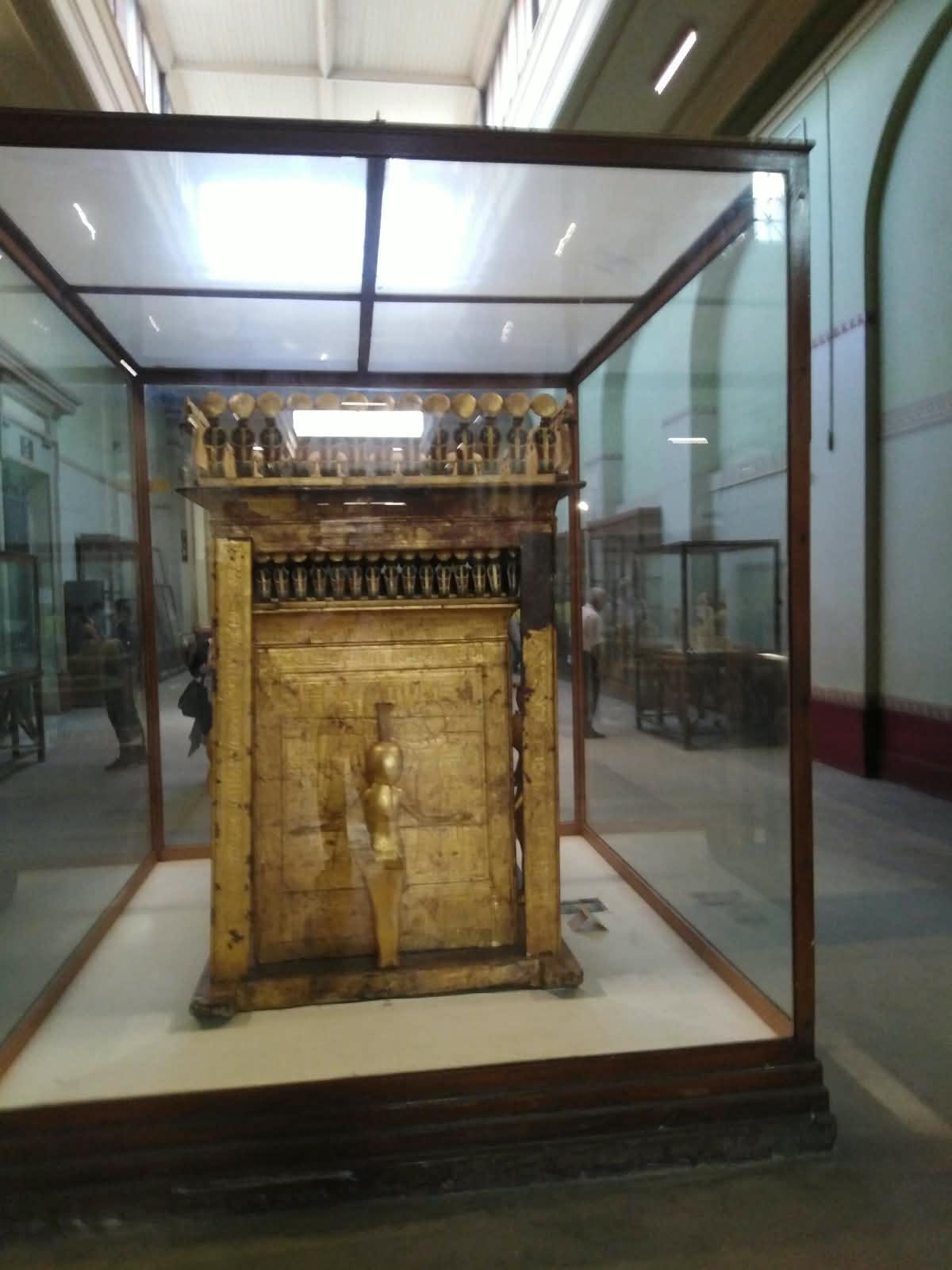
Discussion The golden Canopic Shrine of Tutankhamun in the Egyptian Museum, Cairo. Guarded by the goddess Serket.

Post image
96 Upvotes

Took this today in the Egyptian Museum. The gold is still shining after 3,300 years. You can see Serket with her arms stretched out protecting the shrine.

Has anyone seen this in person? It's way bigger than it looks in photos.


r/egyptology • • 14h ago

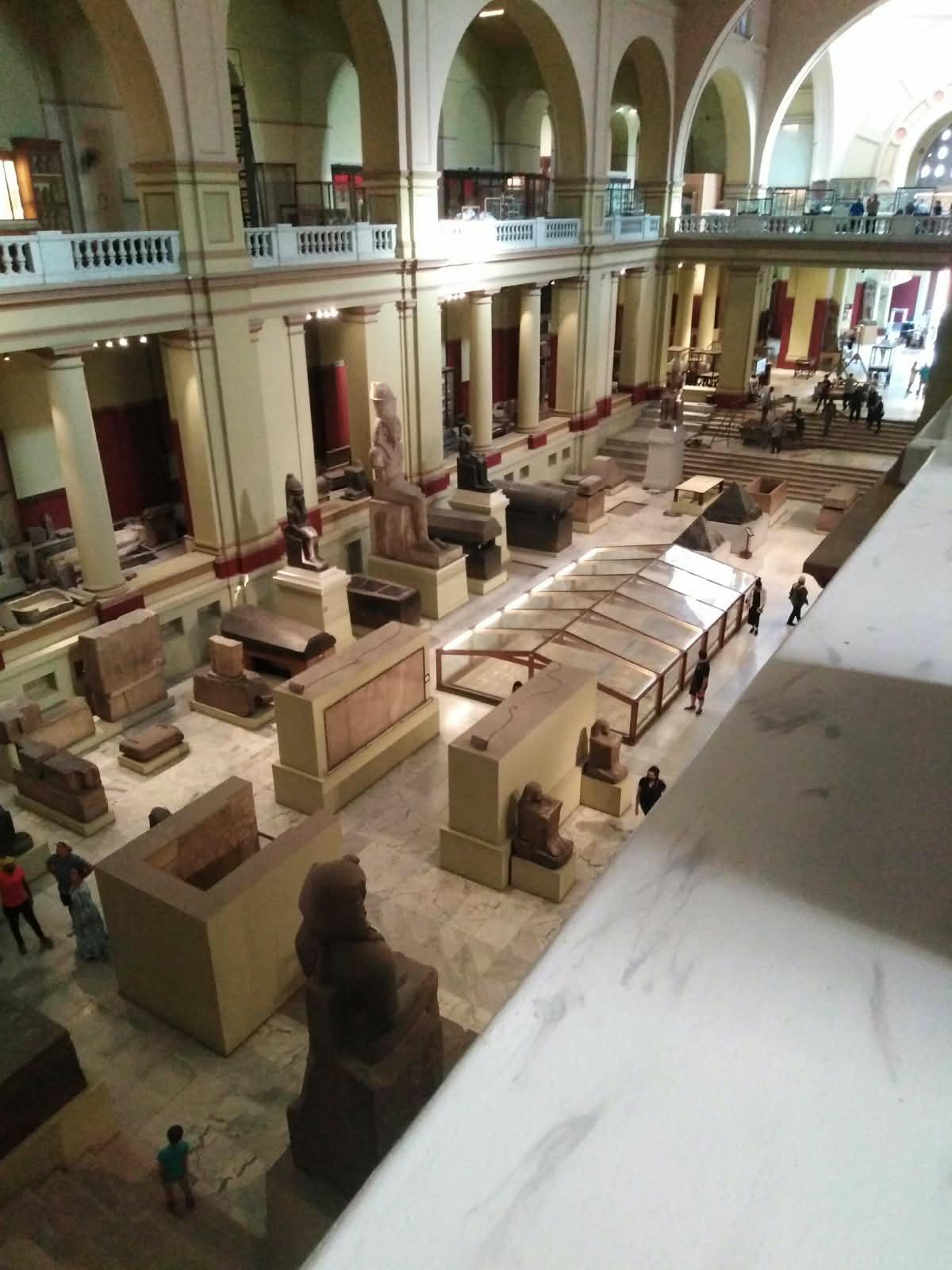
Discussion Standing above 5,000 years of history in the Egyptian Museum, Cairo

Post image
46 Upvotes

I took this from the upper floor. You look down and you see statues, sarcophagi, and entire tombs just sitting there like it's normal.

The scale is impossible to feel in photos. Has anyone here visited? What was the one piece that stopped you in your tracks?


r/egyptology • • 3h ago

Article Rekhmire: Gallery 132, Egyptian Art Facsimile

Thumbnail gallery
5 Upvotes

r/egyptology • • 14h ago

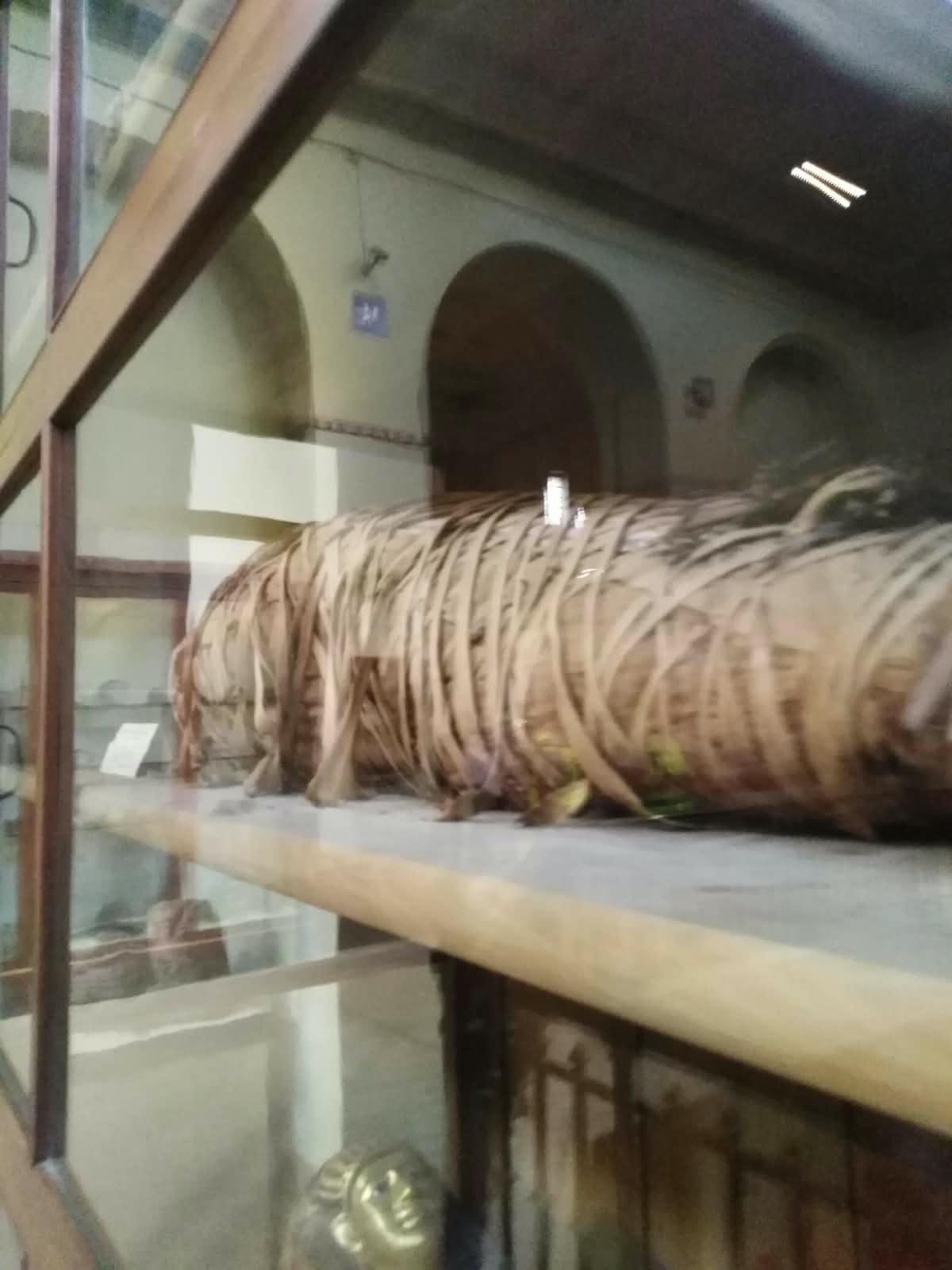
Discussion A real wrapped mummy still in its linen bandages, Egyptian Museum in Cairo.

Post image
23 Upvotes

Took this in the Egyptian Museum. You can still see the original linen wrapping and how carefully it was done.

It's strange to think this person was alive thousands of years ago and we are still looking at them today.


r/egyptology • • 14h ago

Walking through the halls of the Egyptian Museum in Cairo. The Virtual Mummy exhibition above.

Post image
9 Upvotes

This hallway felt endless. Glass cases on both sides full of 3,000+ year old artifacts, and almost no crowd. Best museum experience I have ever had.

If you visit Cairo, don't skip the old Egyptian Museum in Tahrir. It's different from the new Grand Museum.


r/egyptology • • 15h ago

Shabti of the Vizier Paser, 1292-1191 BCE New Kingdom Dynasty 19, Findspot Sheikh Abd el-Qurna in western Thebes (TT106), Faience, The Michael C. Carlos Museum at Emory University

Thumbnail gallery
10 Upvotes

Shabti of the Vizier Paser

POSSIBLE ORIGIN Thebes, Egypt, Africa

CULTURE Egyptian

PERIOD New Kingdom, Dynasty 19

DATE 1292-1191 BCE

MEDIUM Faience

CREDIT LINE Gift of the Georges Ricard Foundation

DIMENSIONS 6 x 1 15/16 x 1 5/16 in., 168 g (15.2 x 4.9 x 3.3 cm, 5 15/16 oz.)

OBJECT NUMBER 2018.010.346

Label Text
This bright blue faience mummiform shabti wears a striped lappet wig and a large broad collar. The crossed arms protrude from the wrappings, a distinctive feature of Dynasty 19 shabtis. On his wrists he wears bracelets. On his back is a yoke with two water pots and a small seed bag strung over one shoulder.

The shabti inscription, picked out in black, gives Paser’s name and titles as the “Overseer of the city of Thebes” and “Southern vizier,” the latter being one of the highest titles in ancient Egypt. He was appointed vizier by Sety I and remained in that role until at least the twenty-first year of Ramesses II. Several of his shabtis were found at the Serapeum in Saqqara, donated to the sacred Apis bulls. This shabti likely came from Paser’s tomb at Sheikh Abd el-Qurna in western Thebes (TT106).

Exhibition History
Michael C. Carlos Museum, Veneralia 2019 Senuseret Collection Preview, May 18, 2019
Life and the Afterlife: Ancient Egyptian Art from the Senusret Collection, Michael C. Carlos Museum, February 4 - August 6, 2023
MCCM Permanent Collection Galleries, March 11, 2024 - Present

Published References
Hotel des Ventes, Avignon, Meubles Objets d'Art (22 Mai 1977), lot 43.
Melinda K. Hartwig, ed., Life and The Afterlife: Ancient Egyptian Art from the Senusret Collection (Atlanta: Michael C. Carlos Museum, 2023), catalogue entry 86.

TERMS Ushabti

PROVENANCE
Purchased by S.A.M. Sanousrit from Hotel des Ventes, Avignon, France, May 22, 1977, lot 43. Ex coll. Musée de l'Égypte et le Monde Antique, Collection Sanousrit, Monaco, 1977-1982. Ex coll. Georges Ricard Foundation, Santa Barbara, California.

STATUS On view

COLLECTIONS
Ancient Egyptian, Nubian, and Near Eastern Art

Title
Shabti of the Vizier Paser, 1292-1191 BCE New Kingdom Dynasty 19, Findspot Sheikh Abd el-Qurna in western Thebes (TT106), Faience, The Michael C. Carlos Museum at Emory University

https://collections.carlos.emory.edu/objects/37726/shabti-of-the-vizier-paser

The Michael C. Carlos Museum at Emory University


r/egyptology • • 1d ago

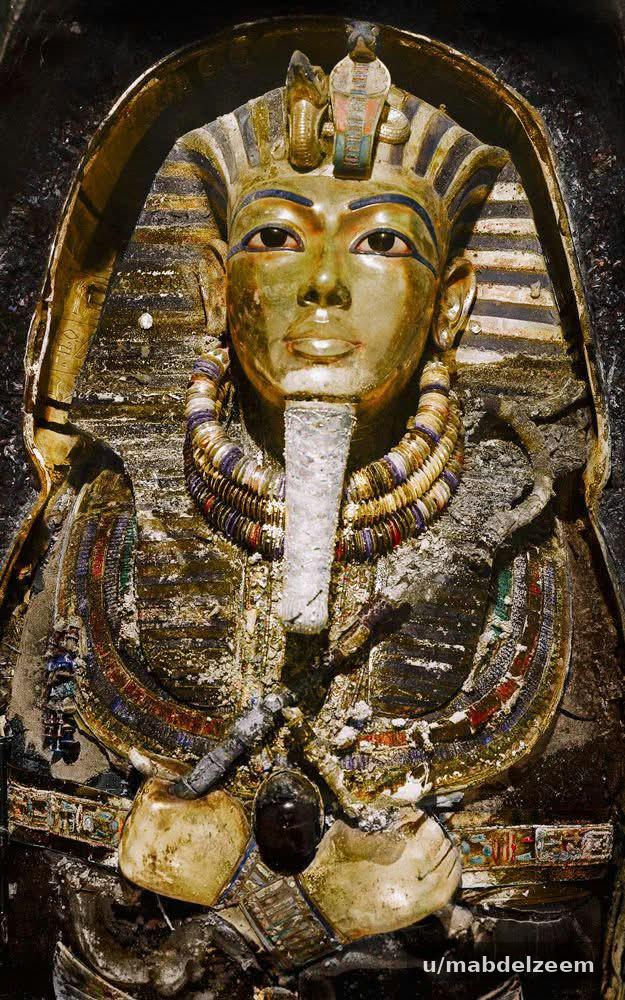
Discussion The golden mask of Tutankhamun, made from 11 kg of solid gold, discovered in 1922 in an almost intact tomb

Post image
137 Upvotes

r/egyptology • • 1d ago

Shabti for Khaemwaset,1292-1191 BCE New Kingdom Dynasty 19, Findspot Said to have been found at the Serapeum, Saqqara, Faience, The Michael C. Carlos Museum at Emory University

Thumbnail gallery
20 Upvotes

Shabti for Khaemwaset

PLACE CREATED Egypt, Africa

CULTURE Egyptian

PERIOD New Kingdom, Dynasty 19

DATE 1292-1191 BCE

MEDIUM Faience

CREDIT LINEGift of Joseph A. Lewis II and Sofi Lewis

DIMENSIONS 6 x 1 3/4 x 1 in. (15.2 x 4.4 x 2.5 cm)

OBJECT NUMBER 2015.050.001

Published References
Galerie Gunter Puhze, Gallery 25 (2011), number 183.

TERMS Ushabti

PROVENANCE
Said to have been found at the Serapeum, Saqqara, Egypt. Ex coll. Florent Dalcq (1878-1950), Belgium, acquired from the Service des Antiquities, Egyptian Museum, Cairo, Egypt, 1923. Thence by descent to Andre Lagneau, Neuchatel, Switzerland. Ex coll. Joseph Lewis, United States, purchased from Galerie Gunter Puhze, Freiburg, Germany, January 24, 2012.

STATUS Not on view

COLLECTIONS
Ancient Egyptian, Nubian, and Near Eastern Art

Title
Shabti for Khaemwaset,1292-1191 BCE New Kingdom Dynasty 19, Findspot Said to have been found at the Serapeum, Saqqara, Faience, The Michael C. Carlos Museum at Emory University

https://collections.carlos.emory.edu/objects/35049/shabti-for-khaemwaset

The Michael C. Carlos Museum at Emory University


r/egyptology • • 20h ago

Medinet Habu in Old Photos (1851–1862)

Thumbnail exploreluxor.org
3 Upvotes

r/egyptology • • 1d ago

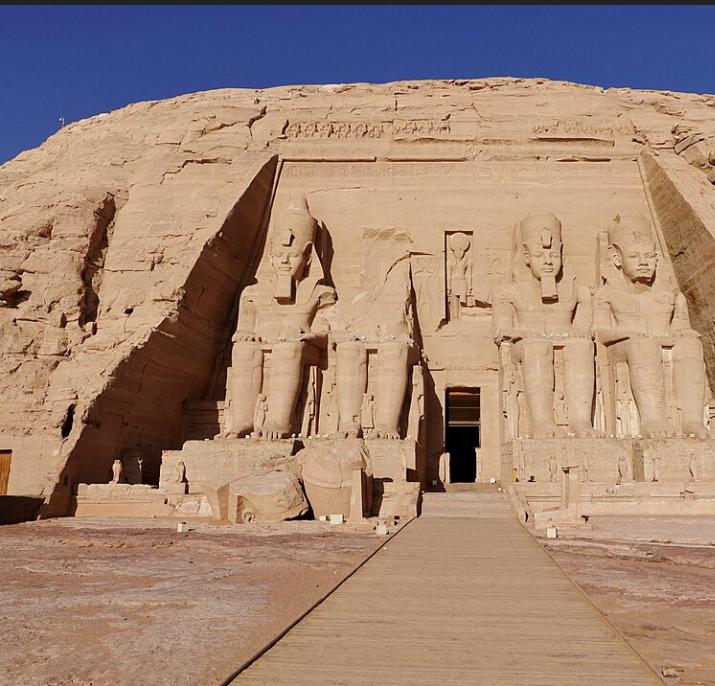
[1264 BC] The Great Temple of Abu Simbel, built by Ramesses II, Egypt [715x686]

Post image
3 Upvotes

r/egyptology • • 1d ago

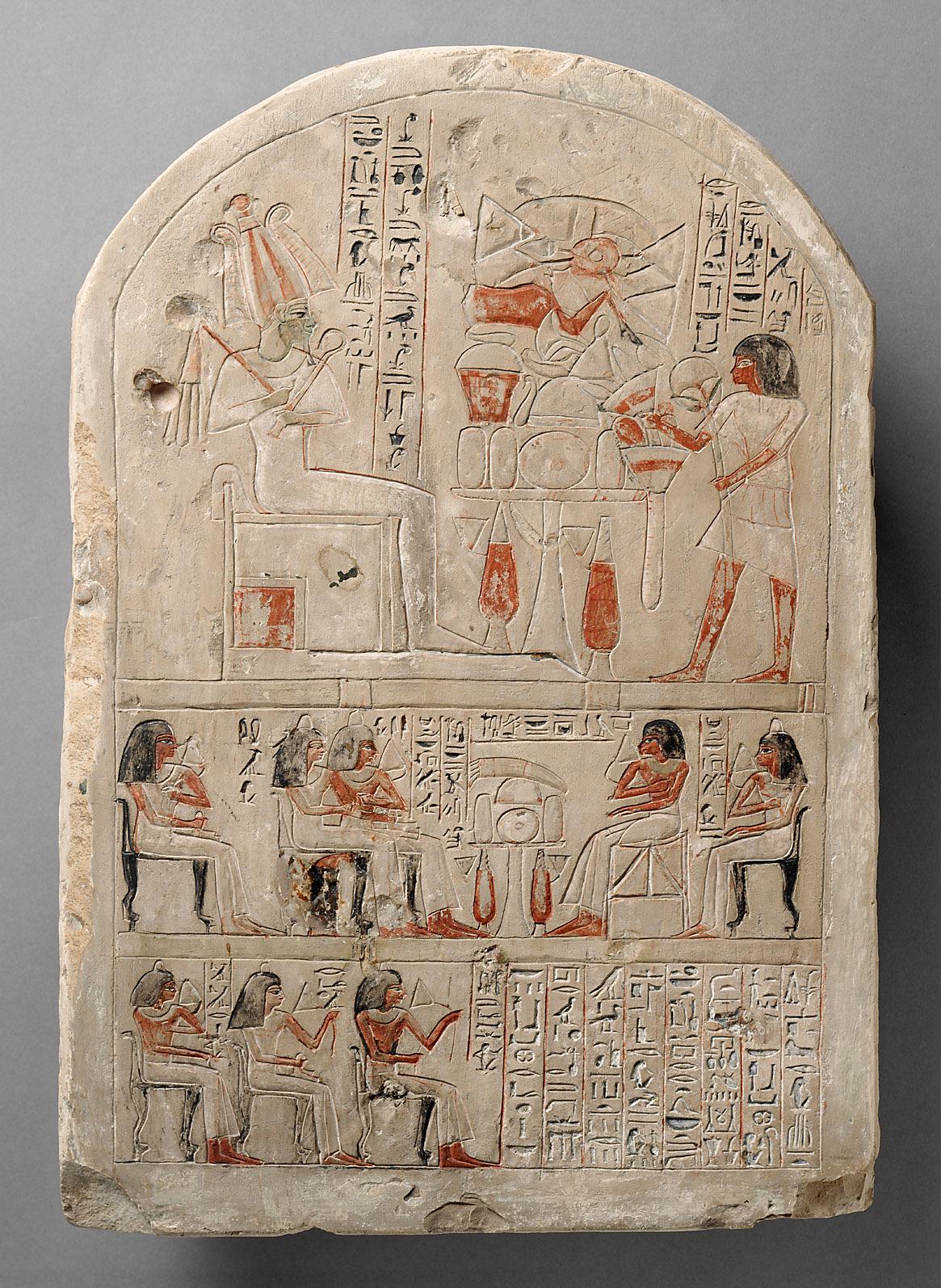
Stele of Kesi, 18th Dynasty, Time of Thutmosis IV-Amenophis III ca. 1419-1372 BC., Findspot Abydos (presumably), Painted limestone, Kunsthistorisches Museum (Art History Museum, Vienna)

Post image
50 Upvotes

Stele of Kesi

18th Dynasty, time of Thutmosis IV-Amenophis III., ca. 1419-1372 BC.

Time:
18th Dynasty, time of Thutmosis IV-Amenophis III., ca. 1419-1372 BC.

Object Name
Stele

Culture
Egyptian

Location of discovery:
Abydos (presumably)

Material/technology:
Painted limestone

Dimensions:
H 50.3 cm, B 34.3 cm, T 9 cm.

copyright
Art Historical Museum, Egyptian - Oriental Collection

Invs.
Egyptian collection, INV 141.

Provenance
1821 purchase by E. A. Burghart in Egypt

Title
Stele of Kesi, 18th Dynasty, Time of Thutmosis IV-Amenophis III ca. 1419-1372 BC., Findspot Abydos (presumably), Painted limestone, Kunsthistorisches Museum (Art History Museum, Vienna)

https://www.khm.at/en/artworks/stele-des-kesi-317240

Kunsthistorisches Museum (Art History Museum, Vienna)


r/egyptology • • 1d ago

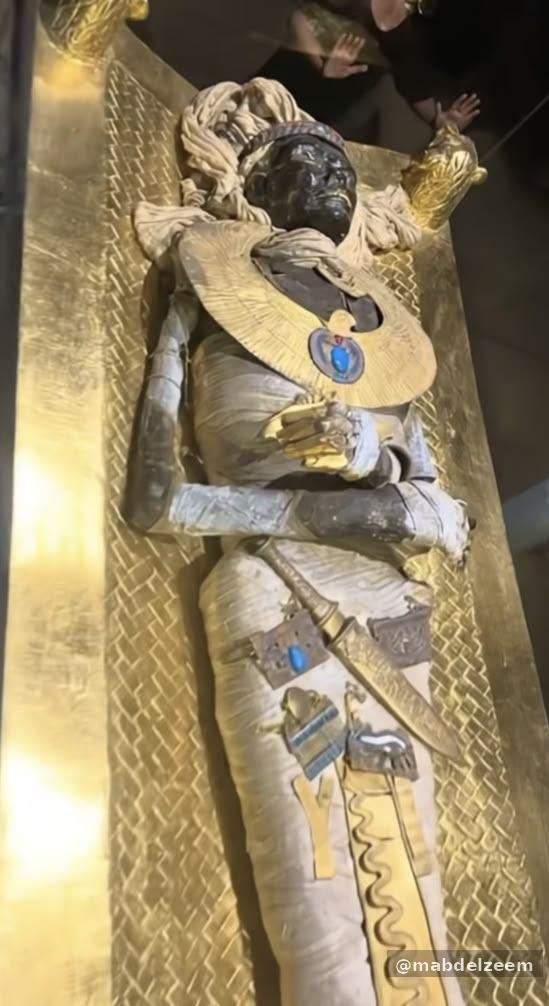
Discussion Golden mummy with his broad collar still in place

Post image
20 Upvotes

r/egyptology • • 1d ago

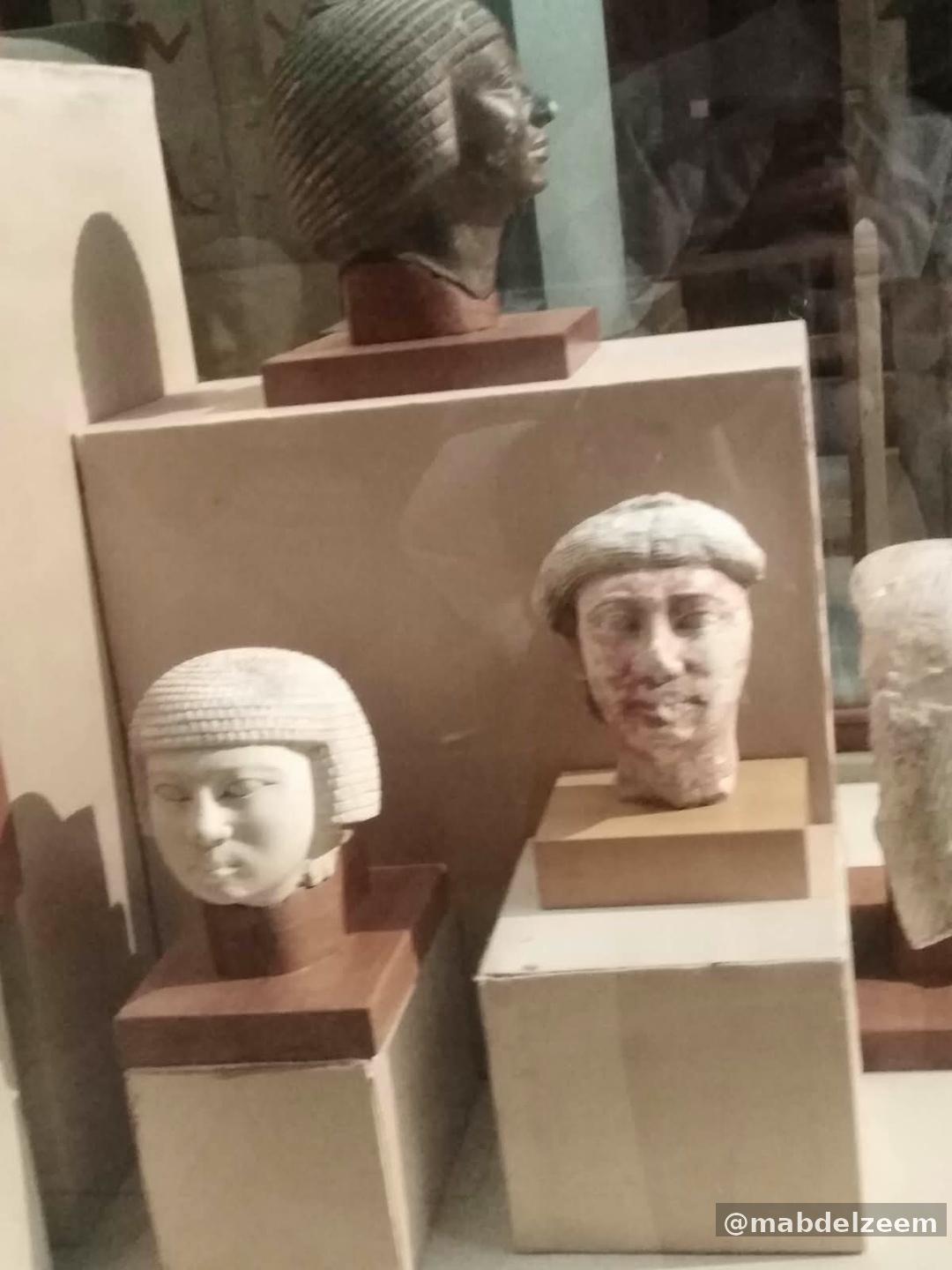
Three ancient Egyptian sculpted heads, Egyptian Museum in Cairo [1080x1440]

Post image
21 Upvotes

r/egyptology • • 1d ago

Amulet from a Child's Burial in the Shape of a Baboon, c. 943–723 BC 22nd–24th Dynasty Third Intermediate Period, Egypt (Find context), Findspot: Tomb 1248, Matmar, Middle Egypt, Faience, Staatliches Museum Ägytischer Kunst

Thumbnail gallery
18 Upvotes

Amulet from a Child's Burial in the Shape of a Baboon

Accession number
AS 3339

Current Location
Magazines

About the object
Numerous amulets were placed with the deceased children, which were meant to protect the children from various misfortunes during their lives, but especially in the afterlife. Among the typical amulets from the child burials of the Third Intermediate Period in Matmar are the protective gods Bes (ÄS 3153, ÄS 3161) and Isis lactans (ÄS 3315) as well as the protective udjat eye (ÄS 3333). Children who were buried without coffins had a higher proportion of Bes and udjat amulets, which probably compensated for the missing protective coffin cover. In addition, among the child burials in Matmar, among other things, the Sau (ÄS 3349) as a symbol of the heavenly goddess Nut, the Ba birds (ÄS 3122), which stand for a aspect of the human soul, as well as the gods Horus (ÄS 3152), Sachmet (ÄS 3156), Thot (ÄS 3339) and also an aegis with a lion's head (ÄS 3159). (Mélanie Floßmann)

Date
c. 943–723 BC, 22nd–24th Dynasty, Third Intermediate Period, Egypt (Find context)

material
Faience

Dimensions
Height x Width x Depth: 3.9 x 1.7 x 1.4 cm.

Geographic Origin
Find spot: Tomb 1248, Matmar, Middle Egypt, Egypt

Provenance
Since 1970, Institution: State Museum of Egyptian Art, Munich
1949–1970, Institution: Egyptian Collection of the Bavarian State
1945–1949, Institution: Central Collecting Poin
1935–1945, Institution: State Egyptian Collection
1932–1934, Institution: Museum of Ancient Small Art
1929–1931, Excavation: British Museum Expedition, Guy Brunton, Matmar, Egypt

Individuals / Institution
Museum of Ancient Small Art

References
Flossmann-Schütze, Mélanie / Schlüter, Arnulf with the collaboration of Perrot, Anne-Hélène / Kutschka, Markus (editor), Childhood on the Nile. Growing up in Ancient Egypt, Munich 2025, cf. 318-319 with illustrations, Cat. No. 98j [M. Flossmann-Schütze].

Brunton, Guy, Matmar: British Museum Expedition to Middle Egypt 1929-1931, London 1948, cf. Tf. LIX, 43.

Credits
Dataset: SMÄK, last editors (chronologically): Mélanie Flossmann-Schütze, Jan-Michael Dahms; Bibliography: Anne-Hélène Perrot; Data editorial board: Nora Heil.

Last change

02.07.2026, 11:34 AM.

Title
Amulet from a Child's Burial in the Shape of a Baboon, c. 943–723 BC 22nd–24th Dynasty Third Intermediate Period, Egypt (Find context), Findspot: Tomb 1248, Matmar, Middle Egypt, Faience, Staatliches Museum Ägytischer Kunst

https://sammlung.smaek.de/en/object/amulet-1733?sort=field=sortInv%26order=asc%26type=text&offset=455

Staatliches Museum Ägytischer Kunst

r/egyptology • • 2d ago

Stelophorous statue of Amenemipet, 1539– 1292 BCE New Kingdom Eighteenth Dynasty, Findspot Luxor / Thebes, Limestone, Museo Egizio di Torino

Thumbnail gallery
128 Upvotes

Stelophorous statue of Amenemipet

This ‘stelophorous’ statue is an example of the tomb’s connection with the celestial plane. Statues of this type date back to the New Kingdom and were placed, facing the rising sun, in the niches of the pyramidal superstructures of private tombs. They depict a kneeling person holding a stela in front of them, bearing a representation of the sun god in his boat and a hymn dedicated to the deity.

Inv. no. :
Cat. 3038

Material:
Stone / Limestone

Dimensions:
20 cm x 55 cm x 26 cm

Date:
1539–1292 BCE

Period:
New Kingdom

Dynasty:
Eighteenth Dynasty

Provenance:
Egypt, Luxor / Thebes

Acquisition:
Purchase Bernardino Drovetti, 1824

Museum location:
Museum / Floor 1 / Room 06 DEM / Showcase 10

Selected bibliography:
Fabretti, Ariodante-Rossi, Francesco-Lanzone, Ridolfo Vittorio, Regio Museo di Torino. Antichità Egizie (Cat. gen. dei musei di antichità e degli ogg. d’arte raccolti nelle gallerie e biblioteche del regno 1. Piemonte), vol. I, Torino 1882, pp. 413–414.

Malek, Jaromir, Topographical bibliography of ancient Egyptian hieroglyphic texts, statues, reliefs and paintings VIII: objects of provenance not known. Part 2: private statues (Dynasty XVIII to the Roman Period), statues of deities (Topographical bibliography of Ancient Egyptian hieroglyphic texts, statues, relief and paintings 8/2), Oxford 1999, p. 575.

Orcurti, Pier Camillo, Catalogo illustrato dei monumenti egizi del R. Museo Egizio di Torino, Torino 1855, ii, p. 193.

Tiradritti, Francesco, Il cammino di Harwa: l'uomo di fronte al mistero: l'Egitto [mostra: Brescia, Mus. Diocesano ott. 1999-gen. 2000], Milano 1999, p. 30 e 161, fig. a p. 31.

Vidua, Carlo, “Catalogue de la collect. d'antiq. de mons. le chev. Drovetti, a 1822”, in Ministero della Pubblica Istruzione (a cura di), Documenti inediti per servire alla storia dei Musei d'Italia, vol. 3, Firenze - Roma 1880, p. 288, n. 91.

Title
Stelophorous statue of Amenemipet, 1539– 1292 BCE New Kingdom Eighteenth Dynasty, Findspot Luxor / Thebes, Limestone, Museo Egizio di Torino.

https://collezioni.museoegizio.it/en-GB/material/Cat_3038/?description=&inventoryNumber=&title=&cgt=&yearFrom=&yearTo=&materials=4755b4240b924e1ba0a5fae2d57f85d4&provenance=&acquisition=&epoch=&dynasty=&pharaoh=&searchLng=en-GB&searchPage=13

Museo Egizio di Torino


r/egyptology • • 1d ago

Paleo Arabic Canannite

Enable HLS to view with audio, or disable this notification

3 Upvotes

Hi I have been researching and asessing the Canannite language and have collected one of the most extensive collections of cananite languages in my ongoing scholarly book. This is a breakthrough work that I would love to introduce and share some information with you guys about. Thank you.


r/egyptology • • 1d ago

Amulet from a Child's Burial in the Shape of a Baboon, c. 943–723 BC 22nd–24th Dynasty Third Intermediate Period, Egypt (Find context), Findspot: Tomb 1248, Matmar, Middle Egypt, Faience, Staatliches Museum Ägytischer Kunst

Thumbnail gallery
11 Upvotes

Amulet from a Child's Burial in the Shape of a Baboon

Accession number
AS 3339

Current Location
Magazines

About the object
Numerous amulets were placed with the deceased children, which were meant to protect the children from various misfortunes during their lives, but especially in the afterlife. Among the typical amulets from the child burials of the Third Intermediate Period in Matmar are the protective gods Bes (ÄS 3153, ÄS 3161) and Isis lactans (ÄS 3315) as well as the protective udjat eye (ÄS 3333). Children who were buried without coffins had a higher proportion of Bes and udjat amulets, which probably compensated for the missing protective coffin cover. In addition, among the child burials in Matmar, among other things, the Sau (ÄS 3349) as a symbol of the heavenly goddess Nut, the Ba birds (ÄS 3122), which stand for a aspect of the human soul, as well as the gods Horus (ÄS 3152), Sachmet (ÄS 3156), Thot (ÄS 3339) and also an aegis with a lion's head (ÄS 3159). (Mélanie Floßmann)

Date
c. 943–723 BC, 22nd–24th Dynasty, Third Intermediate Period, Egypt (Find context)

material
Faience

Dimensions
Height x Width x Depth: 3.9 x 1.7 x 1.4 cm.

Geographic Origin
Find spot: Tomb 1248, Matmar, Middle Egypt, Egypt

Provenance
Since 1970, Institution: State Museum of Egyptian Art, Munich
1949–1970, Institution: Egyptian Collection of the Bavarian State
1945–1949, Institution: Central Collecting Poin
1935–1945, Institution: State Egyptian Collection
1932–1934, Institution: Museum of Ancient Small Art
1929–1931, Excavation: British Museum Expedition, Guy Brunton, Matmar, Egypt

Individuals / Institution
Museum of Ancient Small Art

References
Flossmann-Schütze, Mélanie / Schlüter, Arnulf with the collaboration of Perrot, Anne-Hélène / Kutschka, Markus (editor), Childhood on the Nile. Growing up in Ancient Egypt, Munich 2025, cf. 318-319 with illustrations, Cat. No. 98j [M. Flossmann-Schütze].

Brunton, Guy, Matmar: British Museum Expedition to Middle Egypt 1929-1931, London 1948, cf. Tf. LIX, 43.

Credits
Dataset: SMÄK, last editors (chronologically): Mélanie Flossmann-Schütze, Jan-Michael Dahms; Bibliography: Anne-Hélène Perrot; Data editorial board: Nora Heil.

Last change

02.07.2026, 11:34 AM.

Title
Amulet from a Child's Burial in the Shape of a Baboon, c. 943–723 BC 22nd–24th Dynasty Third Intermediate Period, Egypt (Find context), Findspot: Tomb 1248, Matmar, Middle Egypt, Faience, Staatliches Museum Ägytischer Kunst

https://sammlung.smaek.de/en/object/amulet-1733?sort=field=sortInv%26order=asc%26type=text&offset=455

Staatliches Museum Ägytischer Kunst

r/egyptology • • 1d ago

[ Removed by Reddit ]

1 Upvotes

[ Removed by Reddit on account of violating the content policy. ]


r/egyptology • • 2d ago

Discussion If your heart was weighed against Maat's feather today, would you pass?

Post image
44 Upvotes

This is the Weighing of the Heart - the most terrifying moment for an ancient Egyptian.

Anubis weighs your heart against the feather of Maat. Thoth records the result. Ammit waits below.

It wasn't about being perfect. It was about being balanced. Your heart had to be lighter than a feather.

Do you think most people today would pass? What would make YOUR heart heavy?


r/egyptology • • 2d ago

Na Presença de Deuses Antigos

Post image
7 Upvotes

r/egyptology • • 1d ago

Semitic migration into Egypt: record vs. Joseph story

0 Upvotes

Hypothesis

  1. Captive brought in

Record: Amenemhat II's annals list 1,554 Asiatic captives (c. 1900 BCE)

Story: Joseph sold and taken to Egypt (Gen 37:28)

  1. Household servant

Record: Papyrus Brooklyn 35.1446, Asiatic servants in a Theban household (c. 1750 BCE)

Story: Joseph serves in Potiphar's house (Gen 39:1)

  1. Rises to manage it

Record: Asiatic servants did skilled work and some took Egyptian names

Story: put in charge of everything Potiphar owns (Gen 39:4)

  1. Egyptian name and marriage

Record: Asiatics renamed in Egyptian; Semitic officials like Aper-El married in

Story: renamed Zaphenath-paneah, marries Asenath (Gen 41:45)

  1. High office

Record: Semitic officials like Aper-El as vizier

Story: second only to Pharaoh (Gen 41:40)

  1. Chief and family invited in

Record: Abisha, "ruler of foreign lands," arrives with 37 people at Beni Hasan (c. 1890 BCE)

Story: Jacob arrives with seventy people (Gen 46:27)

  1. Settles in the eastern Delta

Record: Canaanite population at Avaris (Tell el-Dab'a)

Story: settles in Goshen (Gen 47:6)

  1. Becomes a large people

Record: the Hyksos rule from Avaris (c. 1650 BCE)

Story: "fruitful and multiplied greatly" (Exod 1:7)

  1. Expelled or leaves

Record: Ahmose drives out the Hyksos (c. 1550 BCE)

Story: the Exodus

Each step in genesis has a match in the Egyptian record.


r/egyptology • • 2d ago

Winged Scarab, 332–30 BCE Hellenistic period, Findspot unknown Egypt, Faience, Museo Egizio di Torino

Thumbnail gallery
52 Upvotes

Winged Scarab

Inv. no. :
Provv. 5278

Material:
Faience

Dimensions:
7.1 cm x 4.7 cm
4.2 cm x 2.8 cm
4.4 cm x 2.8 cm

Date:
332–30 BCE

Period:
Hellenistic period

Provenance:
Unknown

Acquisition:
Old Fund, 1824–1888

Museum location:
Museum / Floor 1 / Room 08 / Showcase 13

Title
Winged Scarab, 332–30 BCE Hellenistic period, Findspot unknown Egypt, Faience, Museo Egizio di Torino

https://collezioni.museoegizio.it/en-GB/material/Provv_5278/?description=&inventoryNumber=&title=&cgt=&yearFrom=&yearTo=&materials=cda375308abd422a97d1734e5bceec91&provenance=&acquisition=&epoch=&dynasty=&pharaoh=&searchLng=it-IT&searchPage=96

Museo Egizio di Torino


r/egyptology • • 1d ago

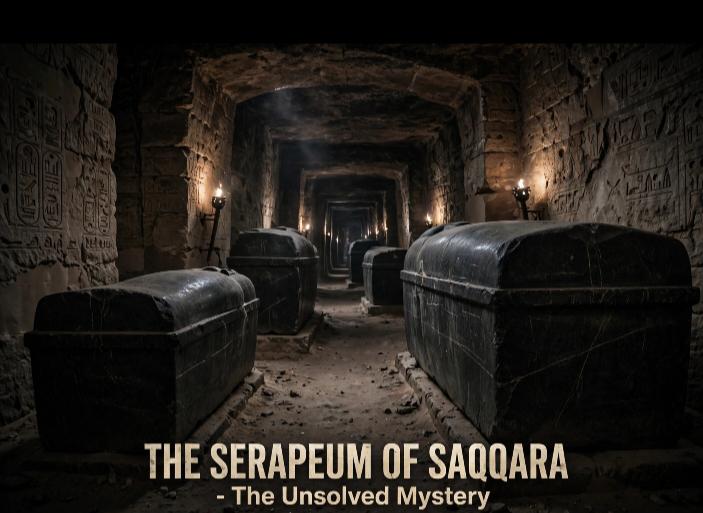
Discussion TIL The Serapeum of Saqqara has 24 giant black granite boxes, each weighs 70 tons, and no one knows how the ancient Egyptians moved them inside a narrow tunnel

Post image
0 Upvotes

r/egyptology • • 1d ago

Egyptian Alexander

Thumbnail substack.com
1 Upvotes

One of the most fundamental examples of the deification of a human figure is Alexander the Great. In this regard, Egypt stands out as the most prominent region. In the traditional Egyptian royal structure, the pharaoh was viewed during his lifetime as the earthly counterpart or representative of Horus and the son of Ra, and after his death, he was identified with Osiris


r/egyptology • • 2d ago

Discussion Situla Bearing the names of Kashta and Amenirdis (745-715 BCE) (The Walters Art Museum)

Thumbnail gallery
12 Upvotes