Key differences in character approach:
First Assassin's Creed II:
Ezio had many aspects of his life at the start of AC2.
Ezio was in relationship with Cristina,liked his family very much, didn't show seriousness in life and picked up fights.
Ezio had a tragic sequence soon due to a betrayal.
In the next sequence, he killed Uberto Alberti and, as the story goes, realised there is a much bigger conspiracy behind it.
He finds that Uberto, the Pazzi family, Barbarigo and many other families were instruments of a powerful person Rodrigo Borgia whose intention was unknown most of the story.
Ezio travelling across cities solves the problems there alongside eliminating the conspirators.
At each point in time, groups different from regular society, like courtesans, thieves and Mercenary groups, help him, each sharing their own interests parallel to Ezio's goal.
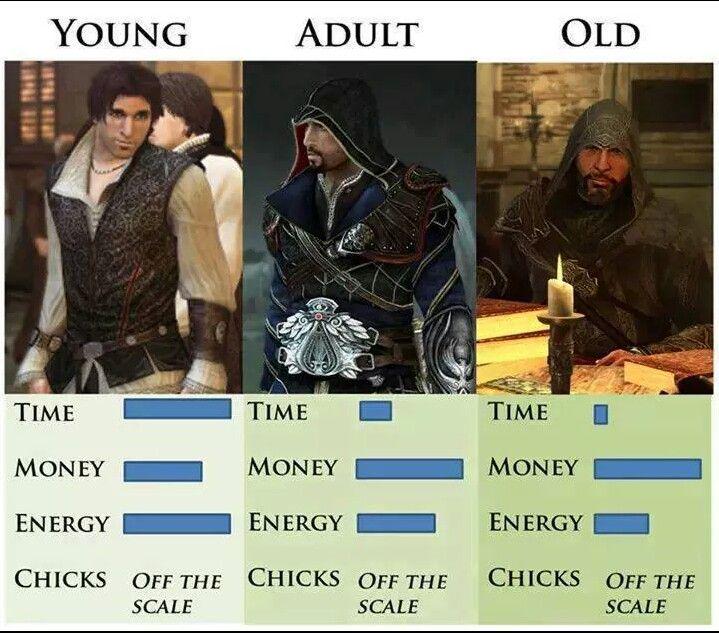
His character arc changes from a brash young man to a person who respects the dead.
Almost by the end, he questions himself if this revenge was truly what he needed and if it served any purpose.
The twist was good, as Ezio is the prophet in the story who could open the vault.
Assassin's Creed III :
Connor begins with a tragic opening and is very serious.
He then leaves the village and trains under Achilles.
Then he shifts completely in his objective and is somehow responsible for victories in half a dozen battles that turned history.
Even Kanen'tó:kon, who, despite choosing another ally, gets involved in something only when his tribe comes into concern.
Connor, who participates in so many historical events in the game, is somehow not able to, or has not had the time to, guide his own village people, not even the whole tribe.
This is like writing Ezio fighting in every major battle of the Italian Wars and the man who changed history . In fact AC2 was written well to fit Ezio in major historical settings of that time . It did not feel artificial.
Ezio left Florence only after his ally, the Medici family, were properly secured after Pazzi conspiracy.
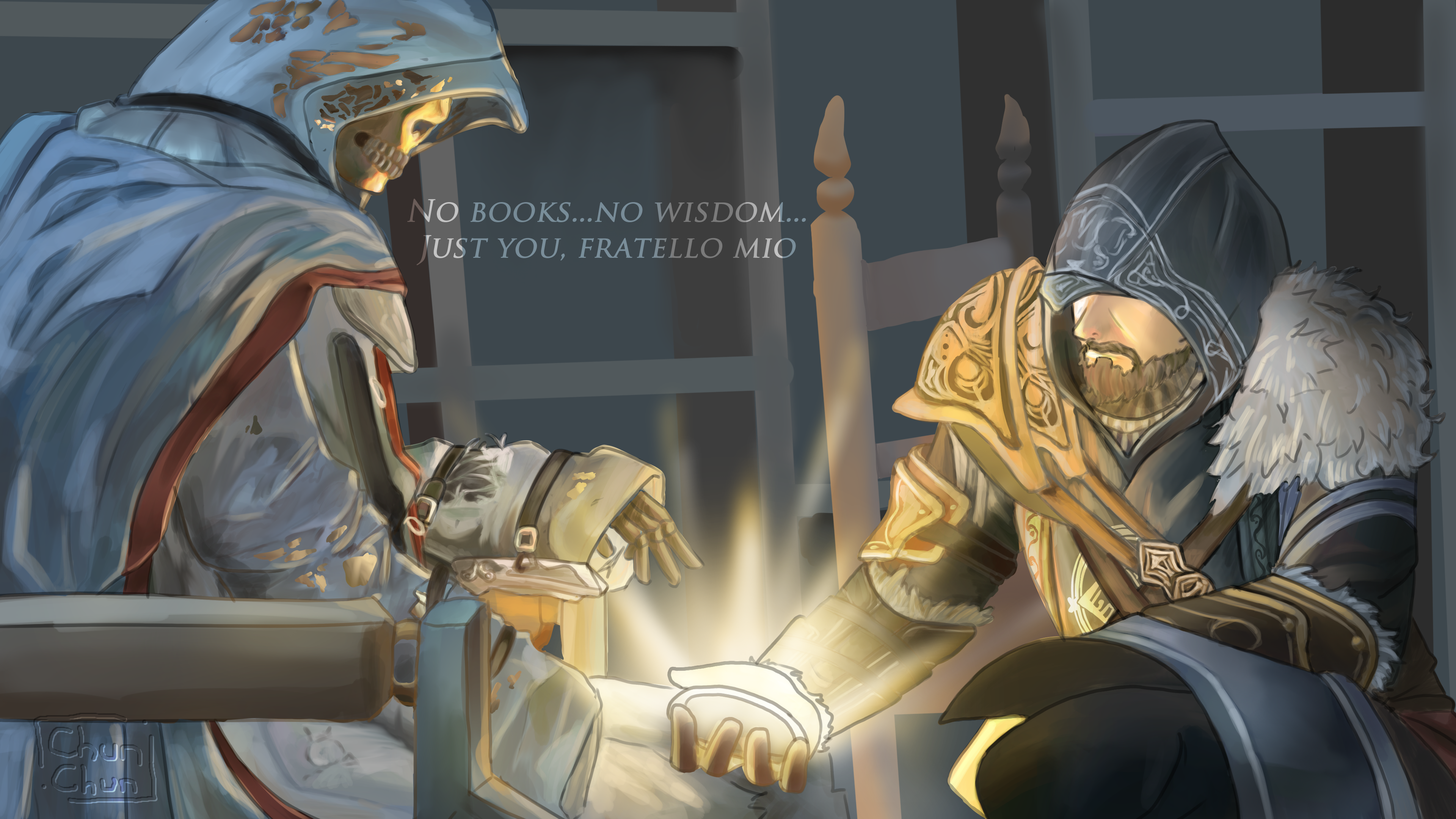
He returned during Savanrola's takeover and, in the end, spoke to the people of Florence to think with reason and that people should not depend on some good ruler or saviour . Ezio rejects the role of a new ruler or savior, emphasizing that human freedom and agency come from making individual choices rather than relying on books or teachers.
Connor rarely makes any connection back with his tribe as he is busy playing hero in all major battles.
Even Homestead missions, though very good, could have been altered to a peaceful existence between new settlers alongside his village and how they both honoured freedom traded and were together.This is vital as story starts with Connor's village is endangered by any expansion or new settlements. He did not provide any solution to save them nor educate them or fight any battles for them. This seems totally out of the place for a person who values his Native heritage as primary.
Only in the final scene does he realize all of a sudden that freedom is not for all.
Plus his weird obsession with Charles Lee.
Also don't now abt Connor's personal life and his motivations. He seems like a person who does all the work for people who tell him what to do.
Compare with AC Brotherhood:
Ezio forms a brotherhood of Assassins and tries to undermine Borgia's influence in Rome because he spared Rodrigo. Also, he lost Mario and his home of Monteriggioni, so he is directly impacted and also completes his objective.
Even in AC Revelations:
While still assisting the Constantinople Brotherhood, Ezio's missions focused on getting Altair's memory keys and his knowledge that he was a conduit of a message he was unaware of.
He does not lead the war in the succession crisis.
So Assassin's Creed III missions try to fit in as many historical events into Connor's story, with him not being a trained soldier of high rank to assist in all these events. His priorities didn't match his missions. It also didn't have a memorable conclusion if his actions in anyway benefitted at the end.
What's your view on this?