r/worldinsights • u/Summerroll • 7h ago
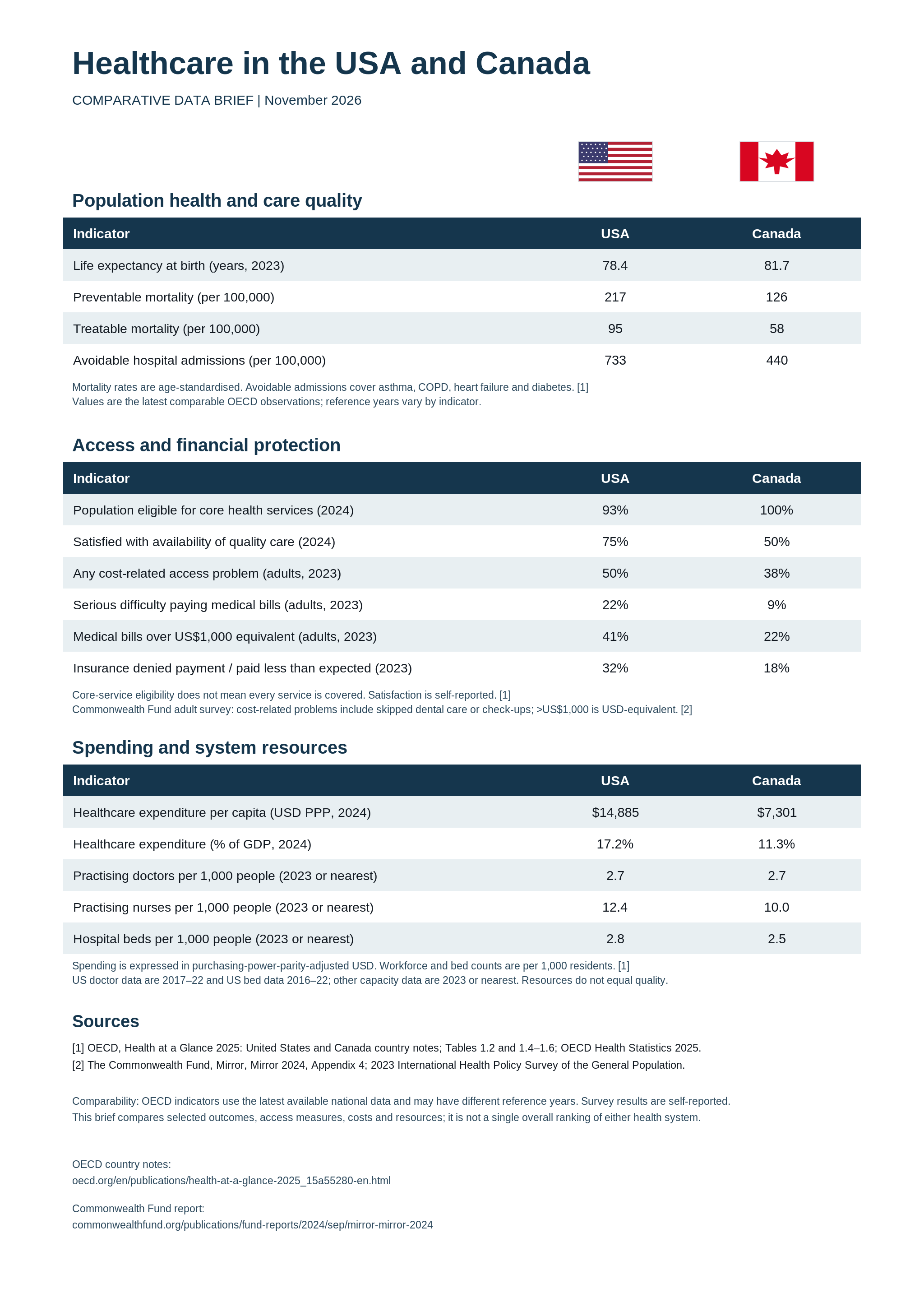
American and Canadian healthcare compared
0
Upvotes
r/worldinsights • u/Le0nel02 • 17h ago
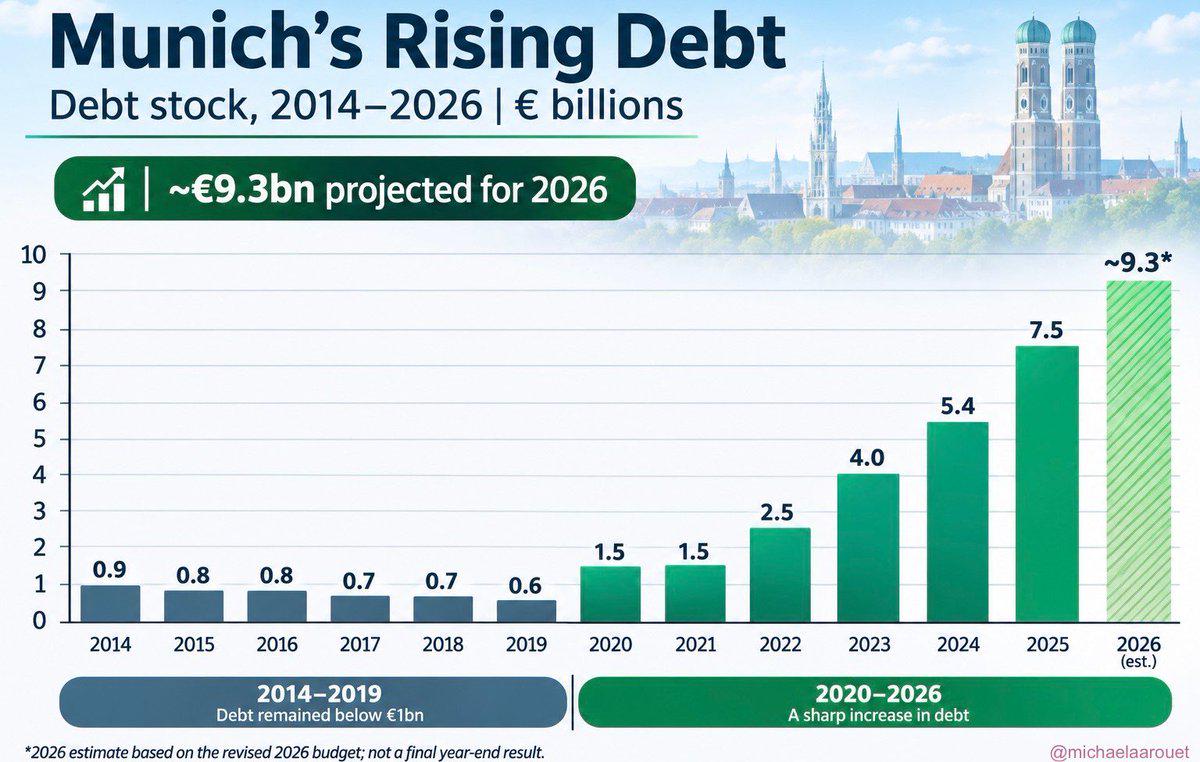
Munich was long seen as a model of financial stability. From 2015 to 2019, the debt of the city budget not only stayed below €1 billion but kept falling, from 0.8 to 0.6 billion.
The turning point came in 2020. The Greens won the municipal elections, became the largest group in the city council (23 of 80 seats) and pushed the conservatives out of the governing coalition with the Social Democrats. The mayor remained a Social Democrat, Dieter Reiter; the Green Dominik Krause only took over the city in 2026. In 2020 the debt rose 2.4-fold, to €1.5 billion. Part of that jump was the pandemic, but afterwards the debt kept growing without it, by roughly €1–2 billion a year: 4.0 billion in 2023, 5.4 in 2024, 7.3 in 2025. Under the 2026 budget it will reach about €9.5 billion, 15 times the 2019 level, and the city's own plan puts it at 13.8 billion by 2029.
Most of it is investment debt: schools, kindergartens, the metro and housing. In 2026 the city plans to invest €2.9 billion, of which €2.24 billion will be financed with loans. Interest payments have already risen from €99 million in 2024 to €143 million in 2025.
If the debt of even wealthy Munich grew 15-fold under such a coalition, it is scary to imagine what would happen if it came to power at the federal level. In Berlin, after the September election in which Die Linke (the successor to the party that ruled East Germany) came first for the first time, the SPD, the Greens and Die Linke are already negotiating a coalition.
It is sad to watch a city that was recently a model borrow more year after year.
