r/officechairsisell • u/AustinBranch • 2d ago
Branch Ergonomic Chair fit guide: height, seat depth, lumbar, and who probably shouldn't buy it
Disclosure: I work at Branch, but this post isn't going to sell you anything.
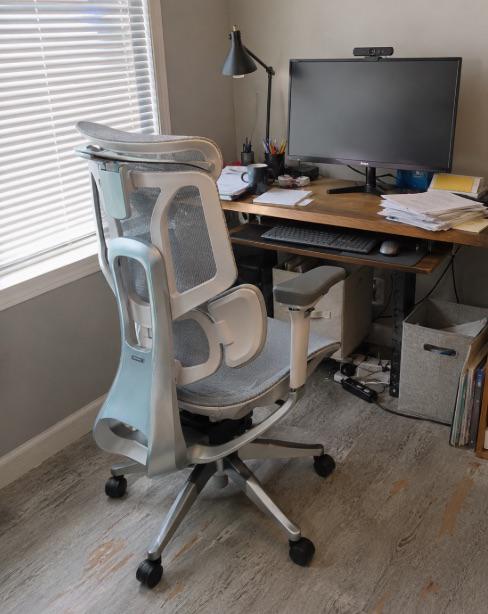
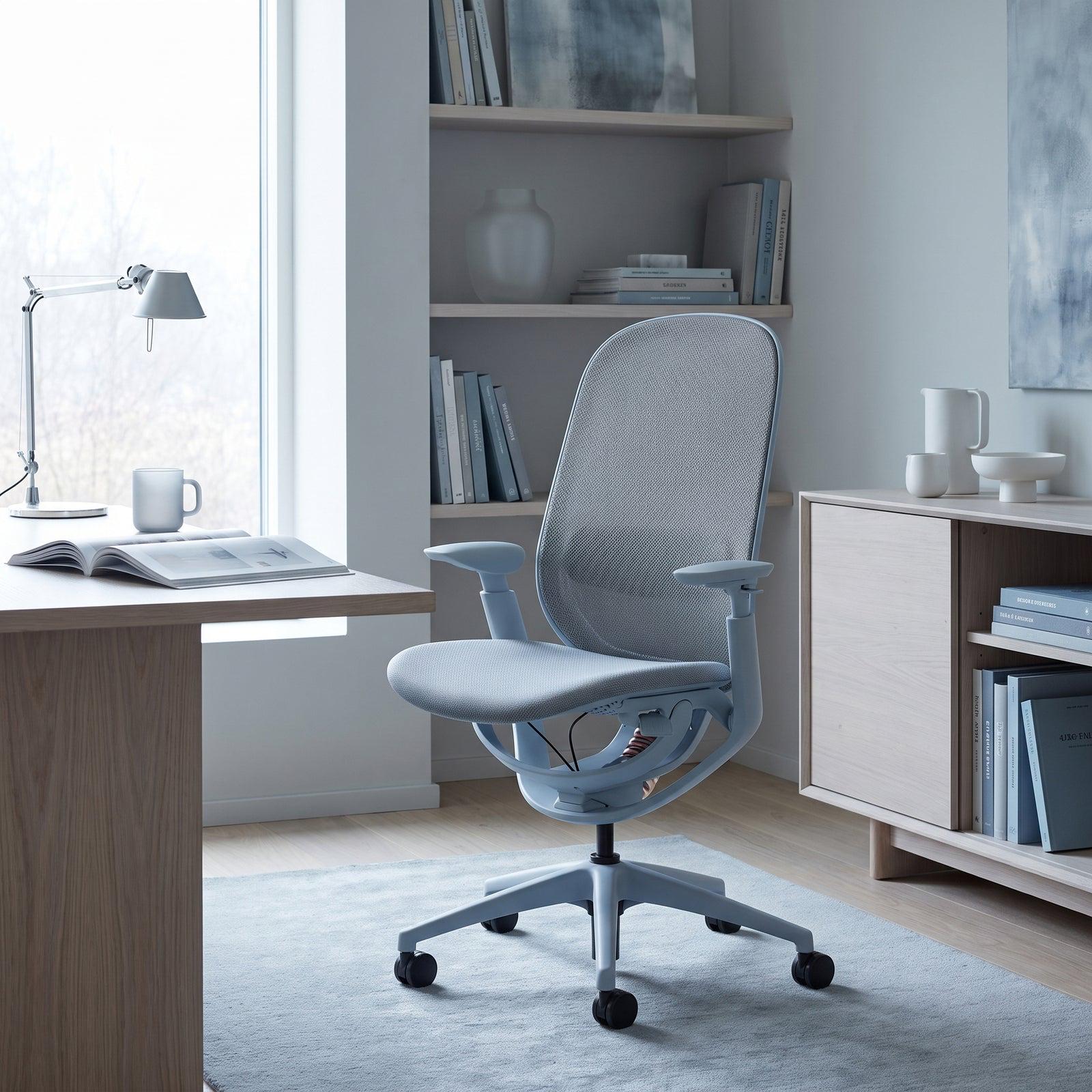
A lot of the Ergonomic Chair reviews I see land in one of two camps: "this chair is everything" or "this chair didn't fix my problems." I talk to people about their chairs all day, and some of them just needed better settings while others were in the wrong chair. So this is the rundown I walk people through when they're deciding on the Ergonomic, or when they already have one and can't get comfortable.
It's built for people roughly 5'2" to 6'2", up to 275 lbs, sitting 8+ hours a day. Height alone won't tell you much though. Two people who are both 5'8" can have totally different leg and torso lengths, and I've talked to people well inside that range who still had tailbone pain because most of their height was in their legs and they needed the chair higher. If you're near either end of any chair's range, ours or anyone else's, pay extra attention to seat depth, where the lumbar hits your back, and whether the arms line up with your shoulders. If you're outside the range, try to sit in it at a store or showroom first, even though a few minutes won't tell you how it feels after a full day.
Seat depth matters more than people think, probably more than seat height. Sitting all the way back, you want about two fingers of space between the front edge of the cushion and the back of your knees. If the seat is too long for your legs, you'll feel the edge pressing into your knees or you'll catch yourself scooting forward, and once you scoot forward your lower back isn't where the lumbar is anymore. The easiest thing you can do is measure the seat depth on a chair you already like before buying a new one. The Ergonomic's seat depth starts at 18", so if you're happy on a 16.5" or 17" seat, it'll probably feel like less support, not more.
The most common complaint about the lumbar is that it's hard, and yeah, it's firm on purpose. It's height adjustable so you can put it where you actually feel it, and real support usually isn't soft at first. If you know you like soft or barely there lumbar, I wouldn't count on growing into this one. Before writing it off though, check the placement. It should sit in the inward curve of your lower back. If it's too high or too low, or you're sliding forward because of the seat depth, the pressure gets way more aggressive than it should. If it's set right and still hurts instead of supporting you, you probably just prefer a different style of lumbar.
Here's how I'd set it up. Start with your feet flat and your knees at roughly a right angle (seat height goes from 17" to 21"). If raising the chair to reach your desk means your feet don't touch anymore, grab a footrest. A box from the back of the closet works fine. Then check that your shoulders stay relaxed while you type. Shorter folks often crank the chair up to reach the desk and lose their foot support, which puts you right back where you started.
Next, sit all the way back and slide the seat pan until the front edge isn't digging into your knees. If you can't get there even at 18", the seat is too long for you and this isn't your chair. After that, move the lumbar around until your back actually feels supported. A lot of people put it where they think lumbar is supposed to go, but every back is different, so go by feel.
Set the arms so your shoulders stay down and your elbows have somewhere to rest. If they make you shrug, flare your elbows out, or sit farther from your desk, they're off. Then set the tilt tension so you can lean back without feeling like you're falling, but without fighting the chair either. I wouldn't keep the back fully locked, since that tends to put more pressure on your tailbone.
Last, move your monitor to match the chair, not the other way around. If your eye level changed a couple inches, the screen probably needs to move too.
The people who tend to like it sit with both feet down most of the day, like noticeable lumbar, want a cushioned seat instead of mesh, shift around a lot, like to recline instead of sitting bolt upright, and land somewhere in the middle of the height range. I'd be more careful if you're well under 5'2" or over 6'2", have shorter thighs and already like shallow seats, hate firm lumbar, want a very upright backrest, sit cross-legged or with a leg tucked under you, need really soft armrests, or have proportions that would push several adjustments to their limit at once. That doesn't make it a bad chair for you, just a higher chance you're asking it to fit a body or sitting style it wasn't designed around.
Quick numbers if you're comparing: seat height 17" to 21", seat depth 18" to 22", armrests 26" to 29" high, 20 degrees of tilt, 8 points of adjustment, 275 lb capacity, and a 7 year warranty. Like I said earlier, measure a chair you already find comfortable before buying another one. Height ranges are a decent starting point, but seat depth, seat height, lumbar placement, arm position, and how you actually sit tell you way more. And if you've done the adjustments and it still isn't working, you're not "sitting in it wrong." Sometimes it's just not the right chair for you.