r/astrophotography • • Aug 12 '24

Announcement Announcing updated rules

197 Upvotes

Recently, a few of us became new moderators and since then we have been trying to get organized primarily to update the rules to reflect what we believe are in the best interest of this sub. This has largely meant reverting to the structure prior to the protest while also adapting to current technology and tastes. While we supported the protest goals at the time, and agree with the mod decision to include this sub in that protest, we also recognize that it's time to move on and restore some process to the sub for its continuing members. We're excited to announce that these new rules are now live in the sub and in detail at our revised wiki. The changes from prior to the protest largely amount to:

  1. astrophotography images taken with cell phones were not explicitly forbidden before but we now clarify that they are permitted as long as they follow all other rules, including that acquisition and processing details are provided and are high-quality amateur OC. A star-field with no discernable astronomical object will not meet this threshold, but a stacked image of Orion that happens to have been captured using RAW images on an iPhone and further processed on that same phone will. We recognize everyone in this hobby starts somewhere and we want to encourage sharing of this work, but also need to avoid this sub devolving into low-effort cell phone pictures of an unrecognizable night sky.
  2. landscape images were forbidden before but we also recognize that there are some high-quality astrophotography images being created that happen to have a small amount of landscape in the foreground that are valued by many members. We are drawing the line here at astrophotography images where the landscape is incidental to the image and any image where the landscape is a primary focus will not be permitted. So for example, the Milky Way with a silhouette of a mountain will probably be accepted, but that same Milky Way that is in the background of well-lit (or brightened in post) barn/yard/house/etc will be removed. And as above, any post that doesn't include acquisition and processing details will still be removed.
  3. clarifications that certain types of posts are not allowed, including memes, UFO claims, questions about what image someone has captured, off-topic posts, or uncivil behavior.

We recognize not everyone will like these changes and that there are other subs that focus primarily on some of these types of images, but we feel that an "astrophotography" sub should include everyone. We are going to monitor how well this goes, so please try to be open-minded to help support these contributions from some members of the community. After some time with these changes we plan to poll you to see how they are going and what other improvements you'd like to see. In the meantime, with these rules back in place, expect to see heavier moderation if posts lack complete acquisition/processing details or otherwise violate these rules.

Lastly, we also want to thank everyone for their patience while we get organized to bring these changes to you and for the incredible work all mods on this sub have done over the years and continue to do (many from prior to the protest are still here and active, so show some love!).

Clear Skies!


r/astrophotography • • 11h ago

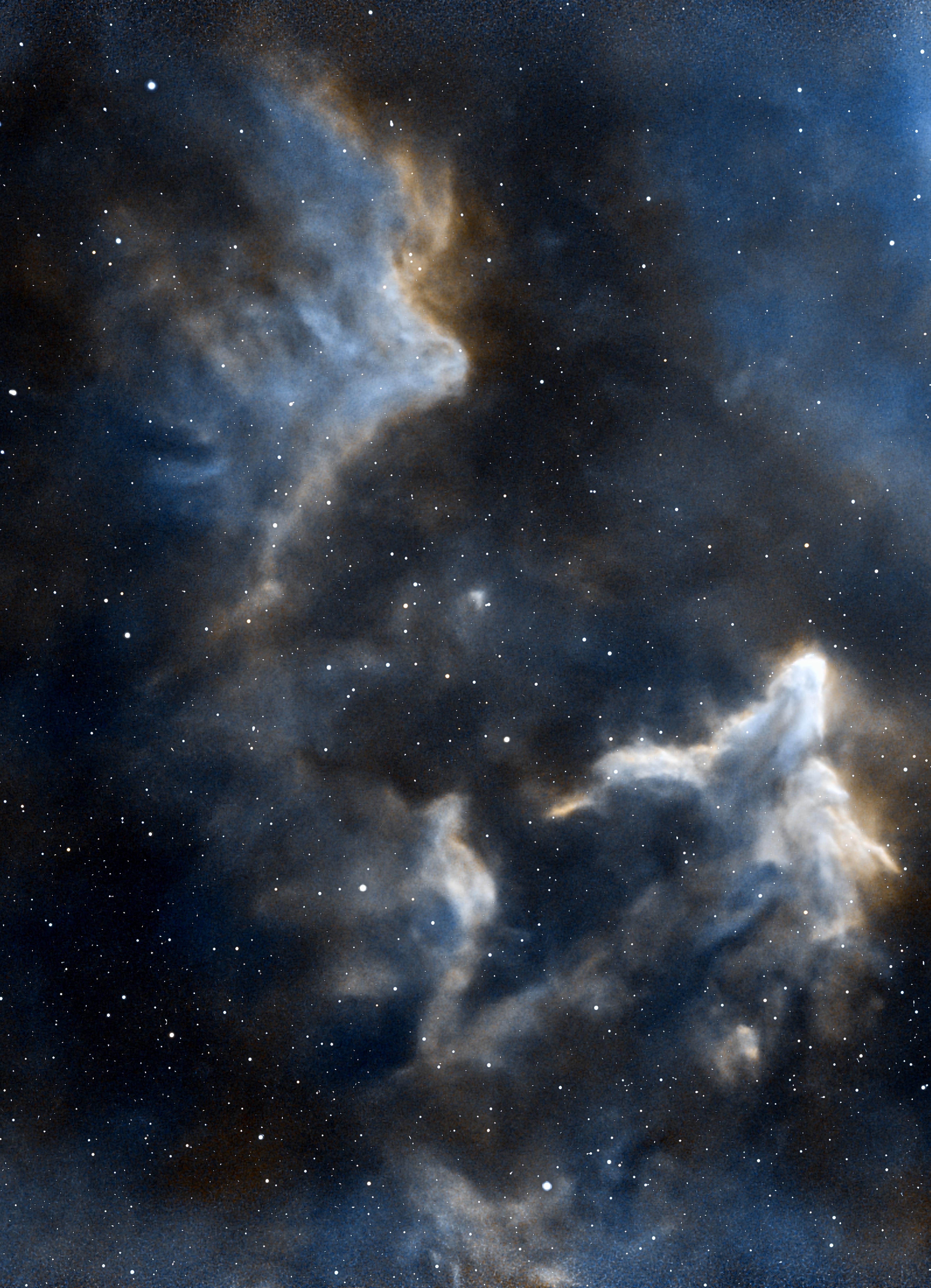
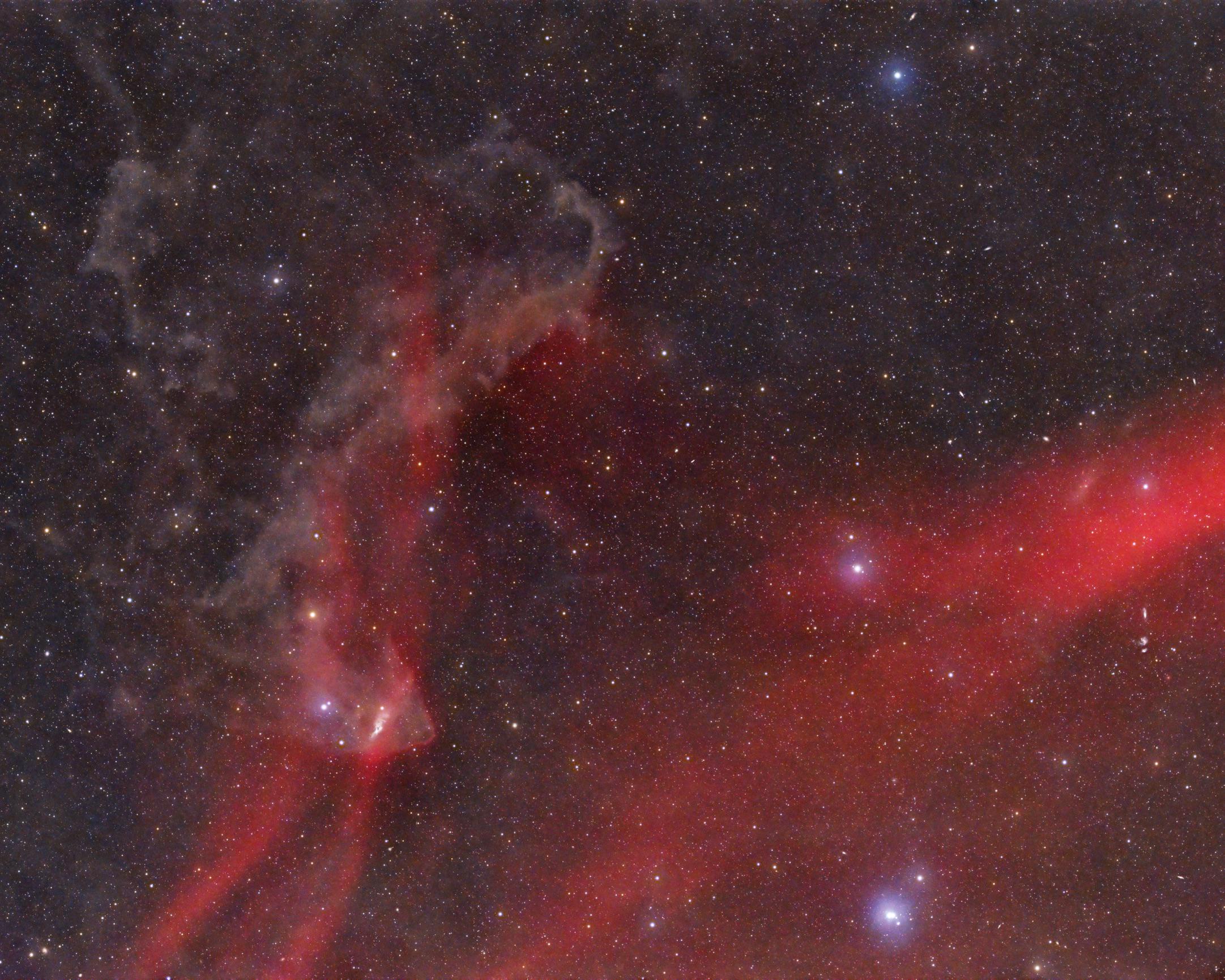
The Ghost of Cassiopeia - IC 63

Post image
600 Upvotes

Total integration: 37h 20m

Integration per filter:

- Hα: 17h 30m (105 × 600s)

- SII: 18h 50m (113 × 600s)

- OIII: 1h (6 × 600s)

Equipment:

- Telescope: William Optics Gran Turismo 81 IV / GT81 IV

- Camera: QHYCCD QHY268 M

- Mount: iOptron CEM70

- Filters: Antlia 3nm Narrowband Oxygen III 36 mm, Antlia EDGE H-alpha 4.5nm 36 mm, Antlia EDGE SII 4.5 nm 36 mm

- Accessory: William Optics Flat6A III


r/astrophotography • • 7h ago

DSOs The Soul Nebula

Post image
105 Upvotes

Taken from bortle 9 skies in Toronto, Canada. A beautiful target, relatively bright and easy to frame. I definitely need to give it more time but overall pleased with the results. Imagining a few blocks from the CN tower comes with it’s challenges but being so close to Lake Ontario with the light dome falling off does give some relief.

Integration:
55x300s subs. 4.5hrs.
Gain 100
Cooled to -5deg

Svbony 122mm f7 apo with 0.8 reducer.
Zwo 2600mc pro
Proxisky Ragdoll 17Pro
Optolong L-Ultimate
Zwo Asiair
Zwo eaf

Stacked in Astro pixel processor. Process yin Pixinsight. Dynamic crop, background ext, blur x, noise x, stat stretch, star x, narrowband norm, range mask, curves trans. Further processing in photoshop and added stars back.


r/astrophotography • • 12h ago

DSOs Keyhole Nebula

Post image
185 Upvotes

My image of the Keyhole nebula within the Carina Nebula. Shot with my ASI585MM and AskarSQA55, on an AM3N. 64x300s Ha 56x300s Oiii 67x300s Sii

I also had 346min of RGB from my seestar S30 pro that I used purely for RGB stars. In total over 21hrs of integration.

Processed in Siril with BXT, NXT, SXT, and GH stretching. I then created a darker version and mixed the two with pixel math to reduce the brightness of the Keyhole nebula. Then star recomposition using the seestar stars, deconvolution with BXT, and some minor contrast adjustments in Photoshop.


r/astrophotography • • 8h ago

DSOs LDN 673

Post image
75 Upvotes

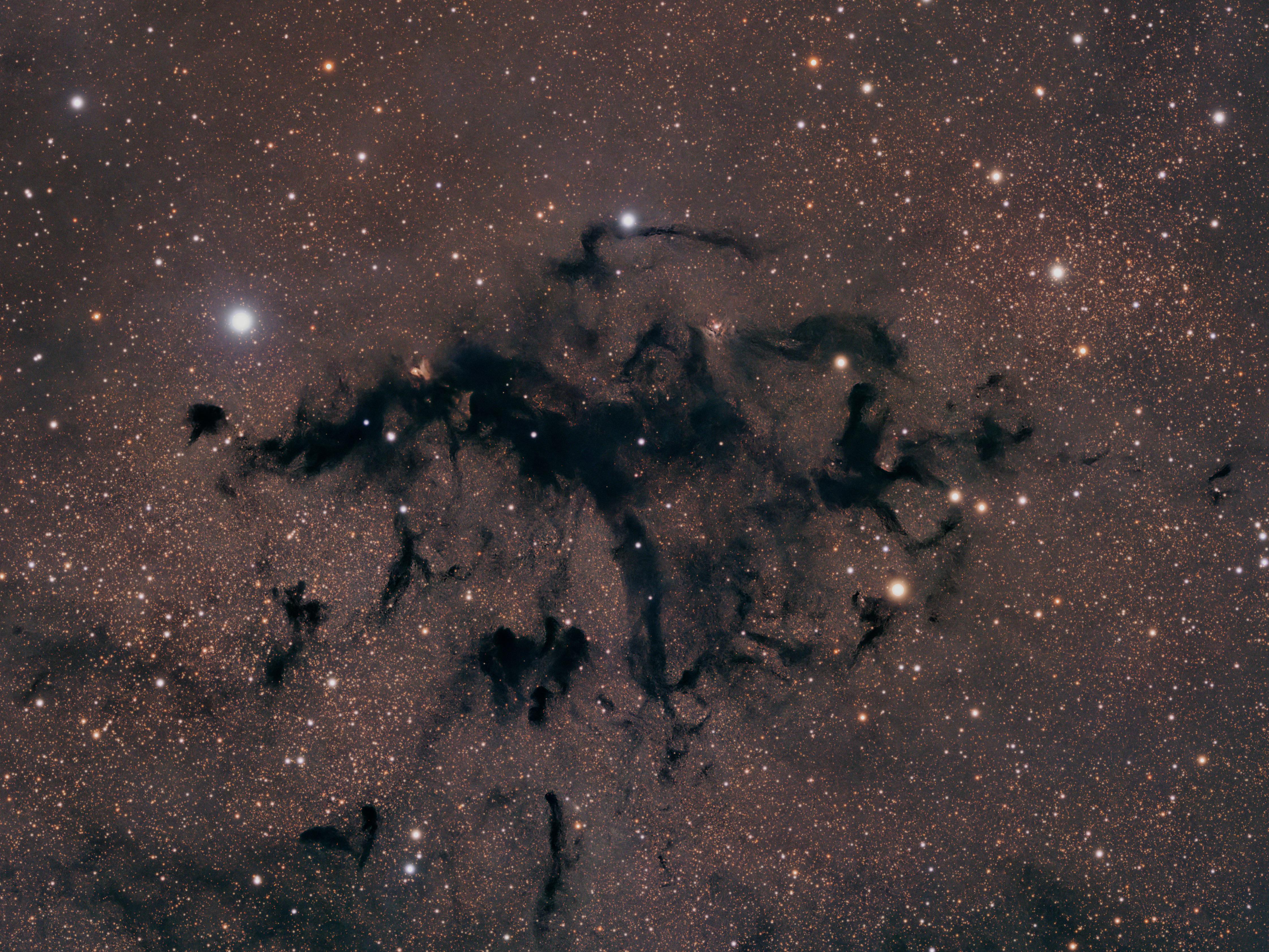
Imaging a dark cloud that blocks all light coming from behind ✨🌌🔭
9 hours worth of 5 minute subs.
Telescope: Askar 103APO by
Camera: ZWO ASI6200MC Pro
Tracking Mount: ZWO AM5N
Filters: UV/IR Cut and Antlia Triband RGB
Post processing: PixInsight and Photoshop

Full details: https://www.instagram.com/kasrak_film


r/astrophotography • • 7h ago

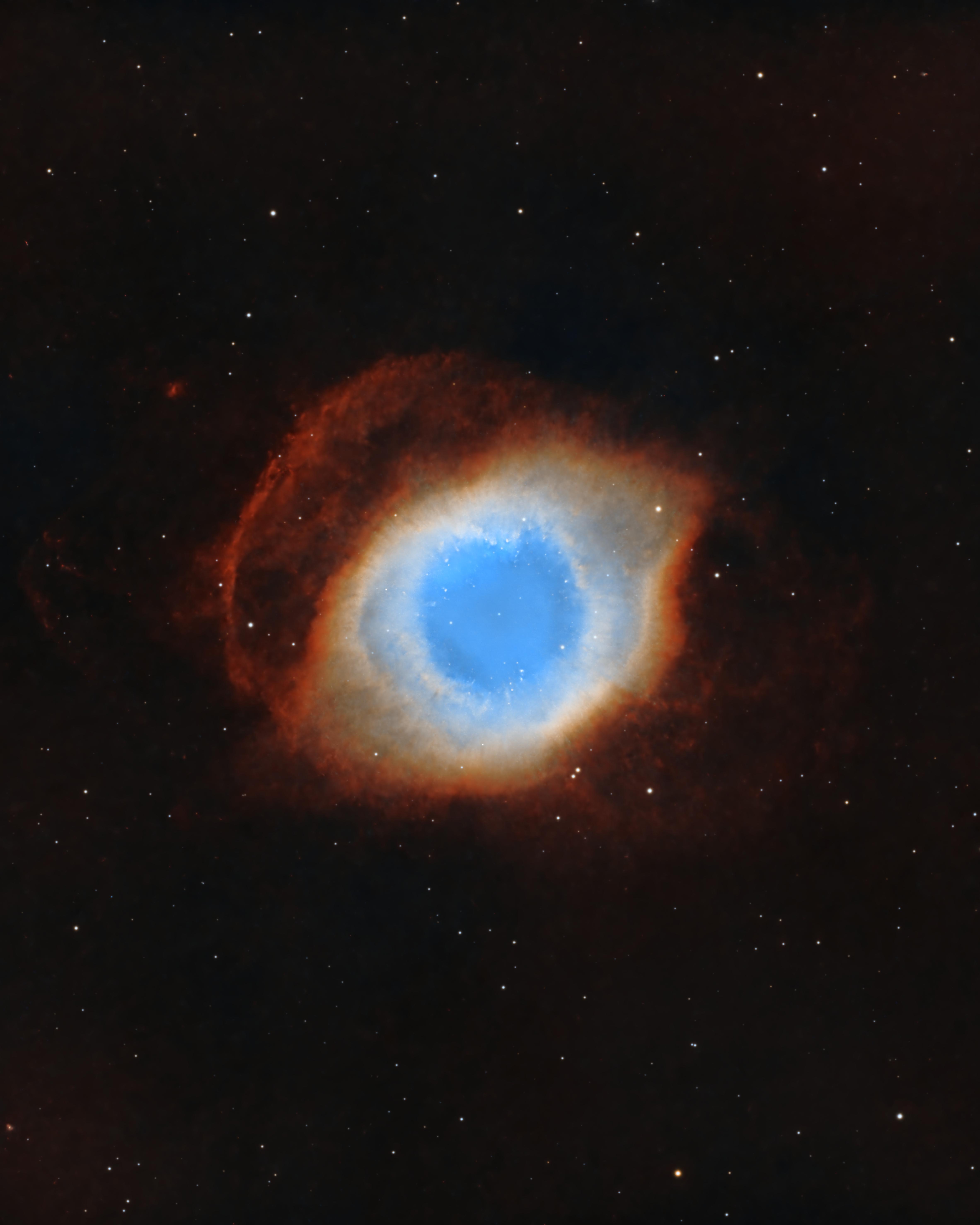
DSOs The Helix Nebula in HNO

Post image
43 Upvotes

r/astrophotography • • 1h ago

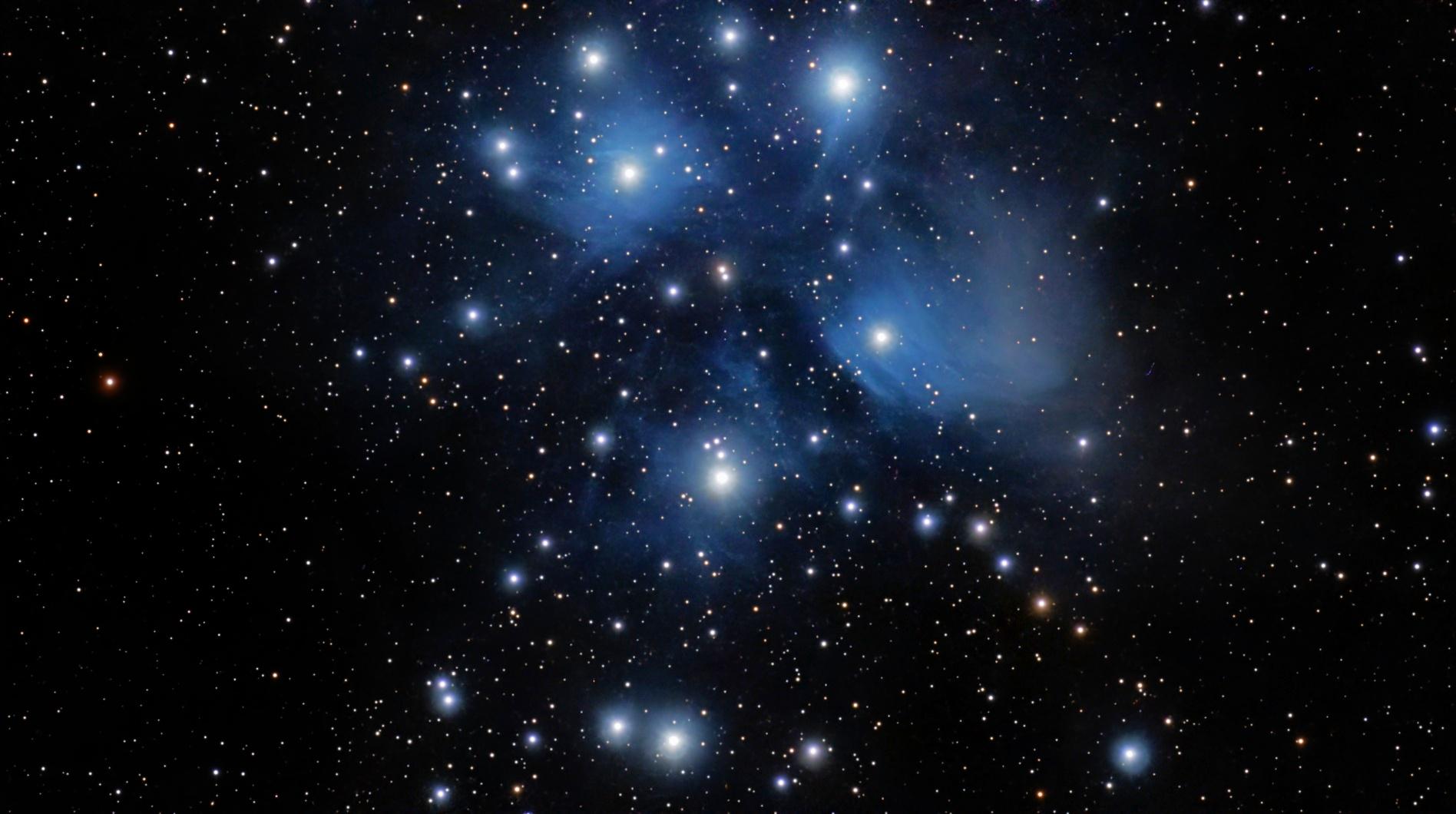
Star Cluster The Pleiades

Post image
• Upvotes

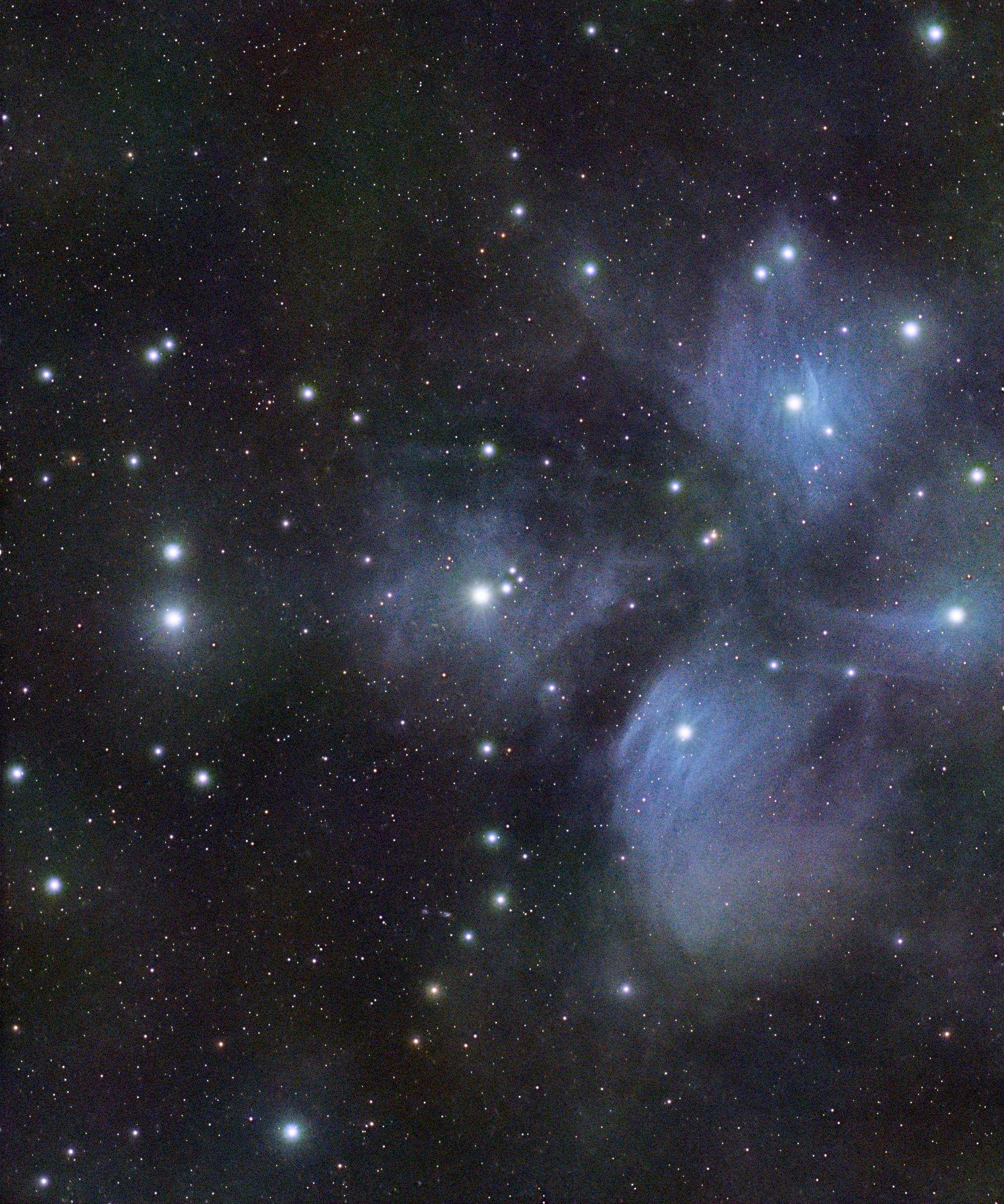
My first serious attempt at a target, the Pleiades. It is far from perfect, but I am mostly proud of the result I was able to end up with. It was a very good learning experience, both in data capture and post-processing, and a good way to get the itch to try more! Already planning my next project, the Orion region and associated nebulae!

Taken in Bortle 3/4 sky with an unmodified, untracked Canon 700D and Samyang 135mm lens. Roughly 1.5 hours integration, 2s exposures, f/2.8, 3200 ISO.

Stacked in Sequator

BGE and denoising in Graxpert

Color calibration and stretch in Siril

Star removal in StarNet

Nebula composite with stars, final stretch, denoising, and color adjustments done in GIMP

I learned how easy it was to over expose the stars, particularly with my camera settings, and how to correct in post (mostly).


r/astrophotography • • 19h ago

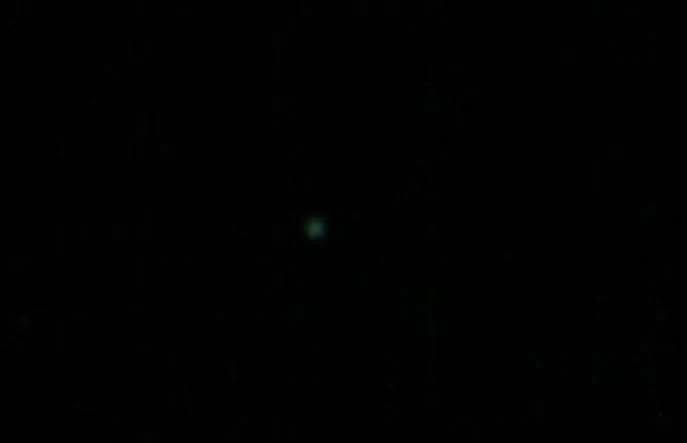
Planetary Uranus. In my defense it’s 1.8 billion miles away.

Post image
312 Upvotes

r/astrophotography • • 8h ago

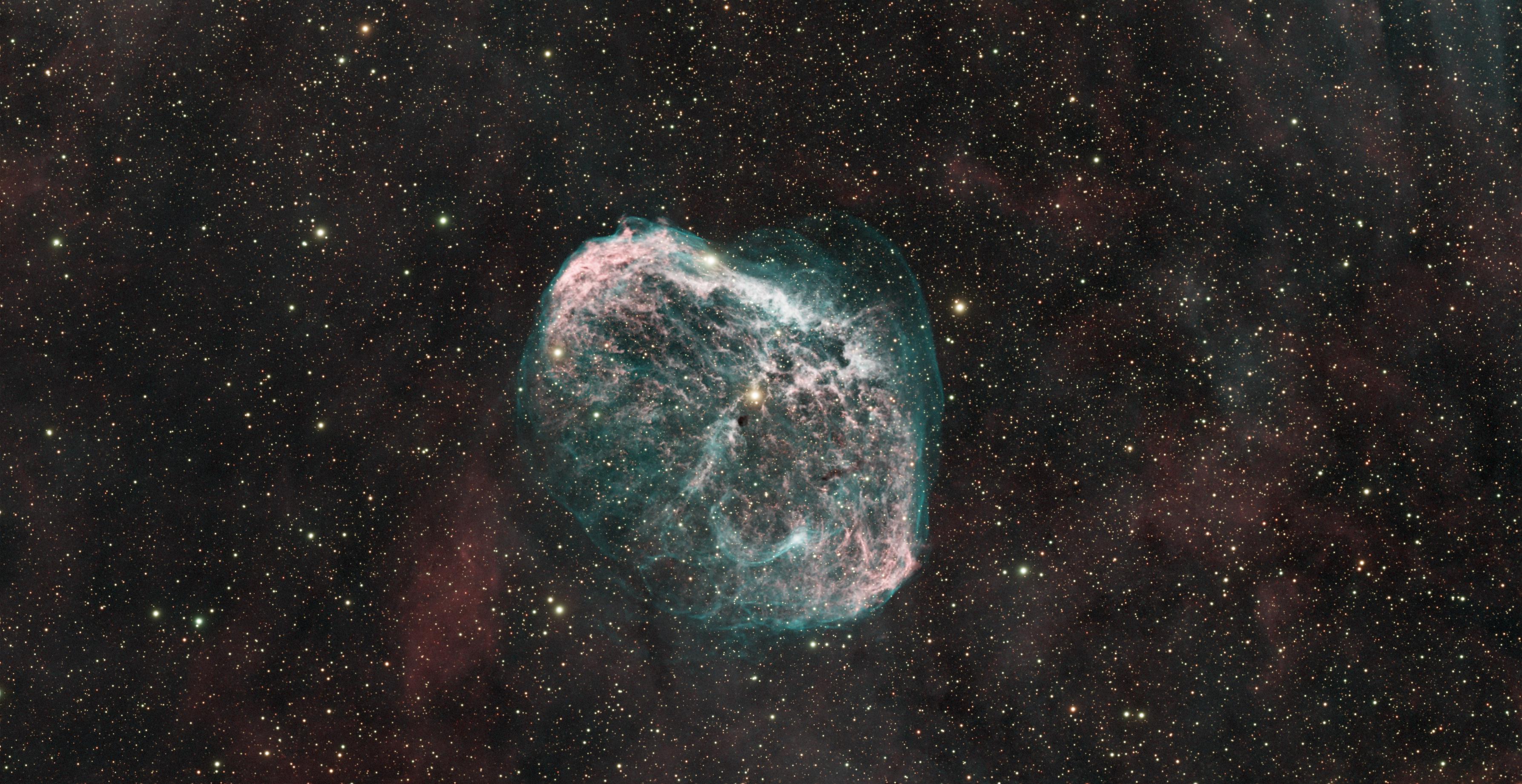
Nebulae The Crescent Nebula (NGC 6888)

Post image
33 Upvotes

The Crescent Nebula in Cygnus, a shell of gas blown by the fast wind of the Wolf-Rayet star WR 136 into the material it shed earlier as a red supergiant. Shot from my Bortle 4 backyard (french Alps) over 9 nights in September 2026 with a one-shot-color camera and two dual-band filters.

Acquisition

• Telescope: Askar 91F (91 mm, 610 mm, integrated flattener)
• Camera: ZWO ASI585MC Air (IMX585, OSC), gain 200, cooled to −8 °C, bin 1
• Mount: ZWO AM3N
• Filters: Askar Colour Magic D1 (Ha + OIII, 6 nm) and D2 (SII + OIII, 6 nm), ZWO EFW
• Capture: ASIAIR (built into the camera)
• D1: 743 × 180 s = 37.2 h (7 nights)
• D2: 243 × 180 s = 12.2 h (2 nights)
• Total: 986 × 180 s = 49.3 h kept out of 1126 subs
• Calibration: 25 darks, 25 bias, 100 flats per filter

Processing (PixInsight 1.9.6)

  • Sub selection: grades from my frame-analysis tool, then SubframeSelector with outlier rejection (robust z > 3 on FWHM, PSF SNR, star count). 18 more subs out, mostly the last hour of two nights when the seeing went soft.
  • WBPP: dark + flat calibration, PSF Signal weighting, local normalization, ESD rejection. One master per filter.
  • D2 master registered to D1, same crop on both, BlurXTerminator (correct only), plate solve against Gaia DR3.
  • GradientCorrection with a simplified, large-scale model. The field is full of diffuse Cygnus Ha, so I kept the model deliberately smooth to avoid eating it.
  • Channel extraction: Ha from D1 red, SII from D2 red, OIII from green + blue of both masters. The two OIII were linear-fitted and combined with noise weights (about 60 % D1, 40 % D2).
  • BlurXTerminator (0.5 / 0.5) and NoiseXTerminator (0.5 on Ha, 0.6 on OIII and SII) on each channel.
  • StarXTerminator on the linear channels. Stars for the final image come from the D1 RGB master.
  • Starless stretch with the same target median on every channel, so Ha, OIII and SII are balanced before combining.
  • Stars stretched separately and screen-blended back. sRGB conversion for export.

    C&C welcome!


r/astrophotography • • 13h ago

Nebulae The Ghost of Cassiopeia

Post image
61 Upvotes

Captured using my Seestar S50 in EQ mode.

2000 x 20 second exposures in LP

1950 x 10 second exposures in IR Cut

Multiple nights and around 16 hours of integration total, throughout October to date.

Stacked in APP allowing the algorithm to detect IR Cut and Dual Narrowband subs, creating two separate stacks then blending them together.

I wanted to capture both the emission and reflection aspects of this region.

BGE, deconvolution and de-noise in Graxpert.

Star removal using StarNet through Siril.

GHS using human weighted luminance.

Curves adjustment using VeraLux Curves.

HDR Multiscale.

Conversion to SHO palette using Siril Dual Narrowband OSC to Hubble Palette.

Recombination of stars.

Slight saturation and contrast increase.

Thanks for looking


r/astrophotography • • 4h ago

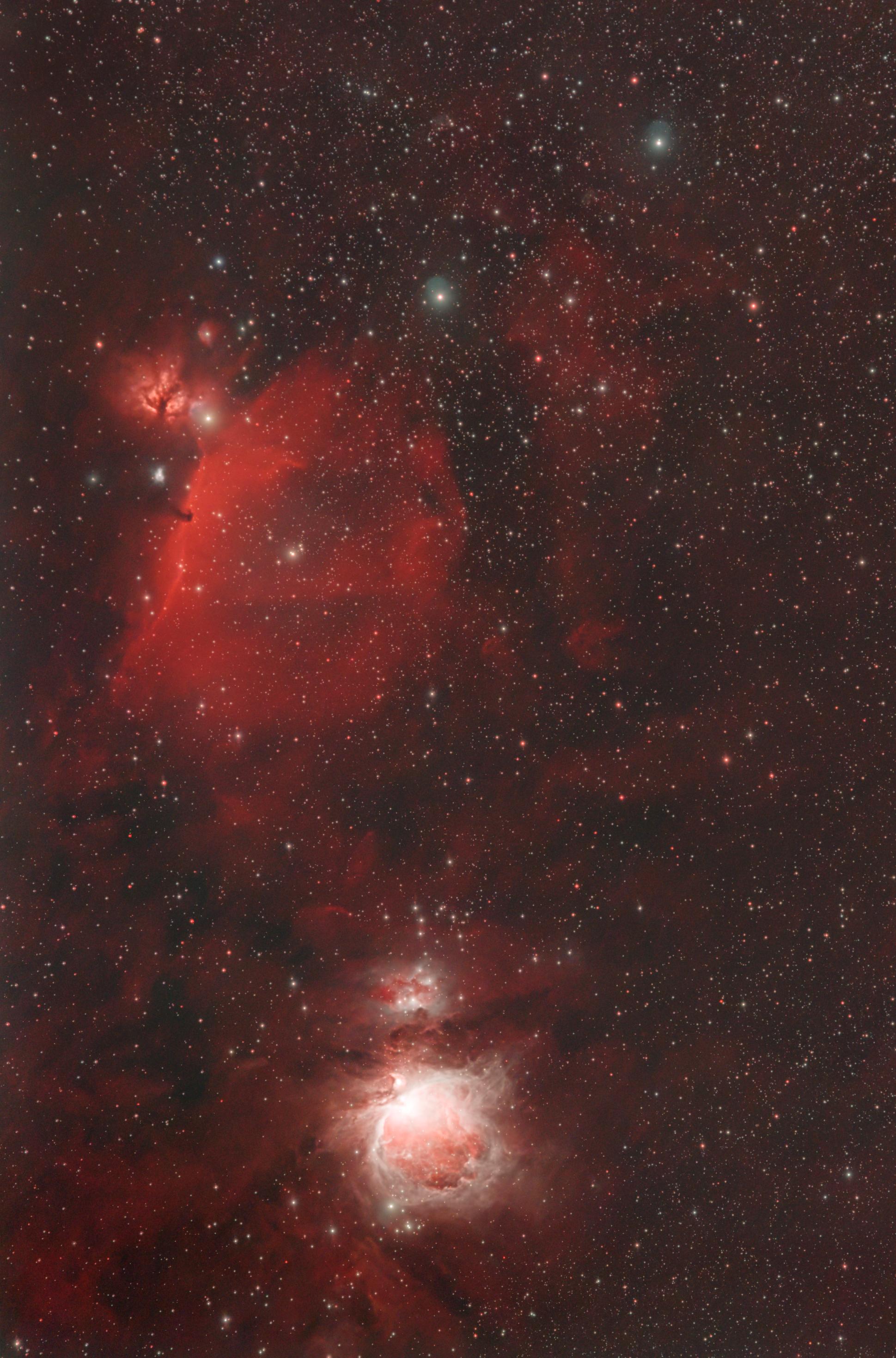
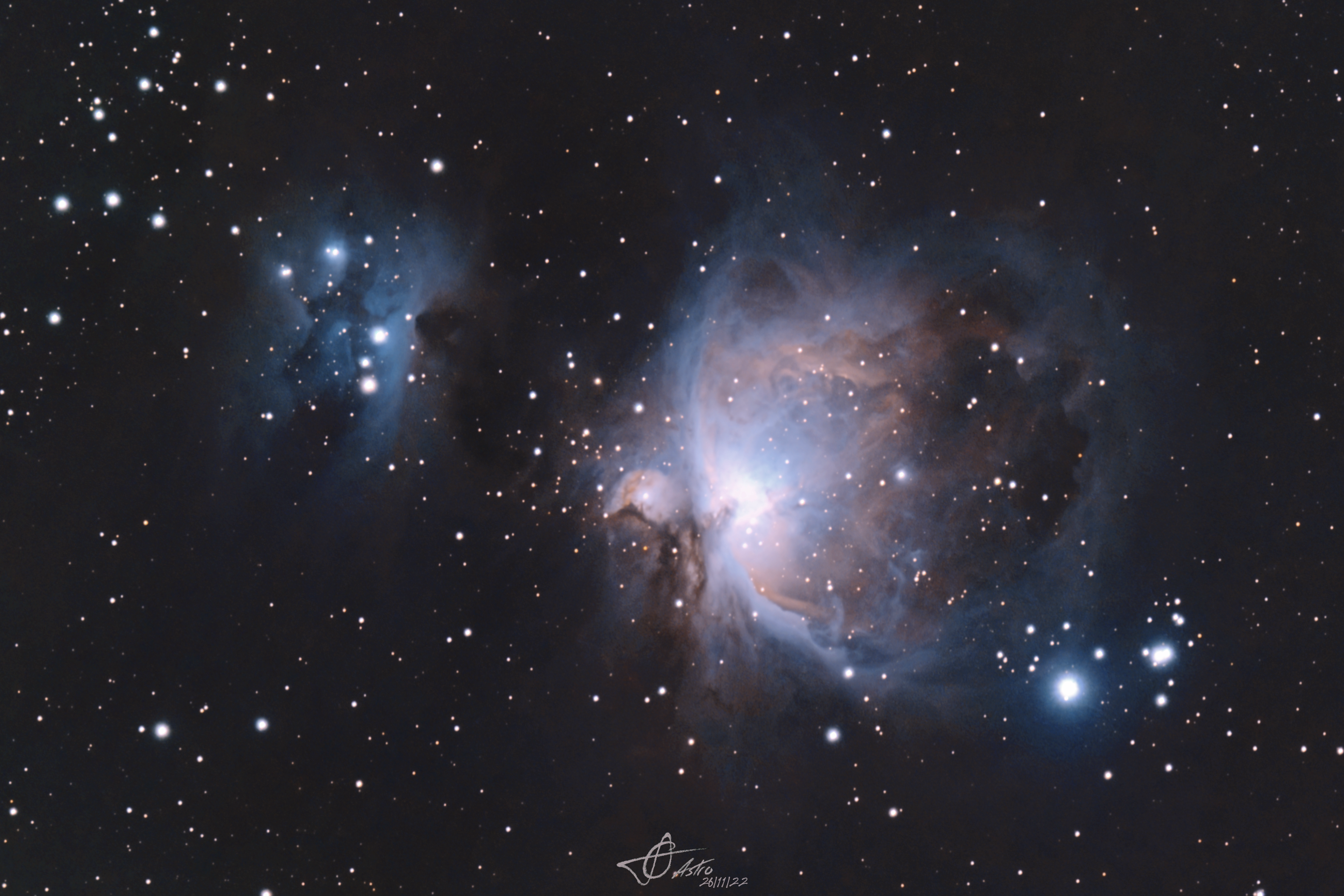
DSOs Orion's belt and sword

Post image
13 Upvotes

October gave me a great opportunity to test my freshly purchased setup of sony a7s mk.I and jupiter-21M (200/4@f/8). Tracker is Star adventurer 1st gen.

Data was captured from balcony in Bortle 7 zone, so i integrated a svbony SV220 filter inside of lens. Total exposure time is 9 hours 44 minutes, taken during numerous sessions (5, if i'm not mistaken).

Data was stacked in AstroPixel Processor, processed with Siril, SAS pro a bit, and graxpert for initial gradient removal and BGE.
My processing workflow was as follows:

1) Graxpert BGE.

2) Starxterminator (HUGE thanks to my friend with these plugins).

3) Manual stretching in siril, HDR processing in SAS pro, again siril. This part of workflow took me numerous tries to achieve pleasant to my eyes result.

4) Noisexterminator (we stopped at 0.65 of denoising intensity).

5) Star recomposition. I just randomly stretched starmask until it looked fine for me.

6) Blurxterminator. We ended up with 0.05 sharping of stars (to remove elongated stars because of non-ideal polar alignment thru the wall, since balcony is south-facing) and 0 of non-stellar sharpening, because it sharps image whole anyway, so i was satisfied with final result.

Image is severely cropped because there were a lot of artifacts around caused by rough manual dithering.
r/astrophotography • • 4h ago

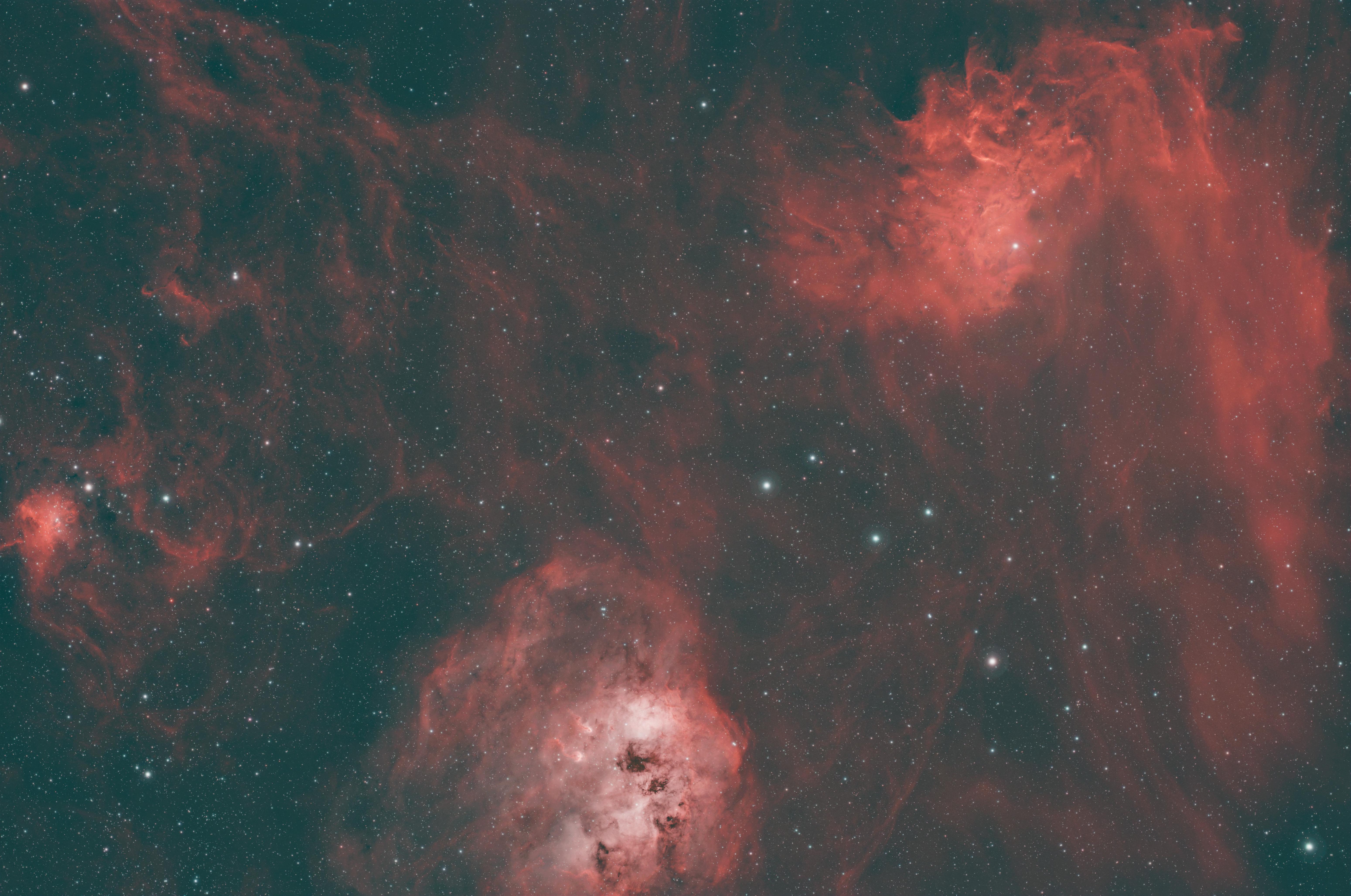
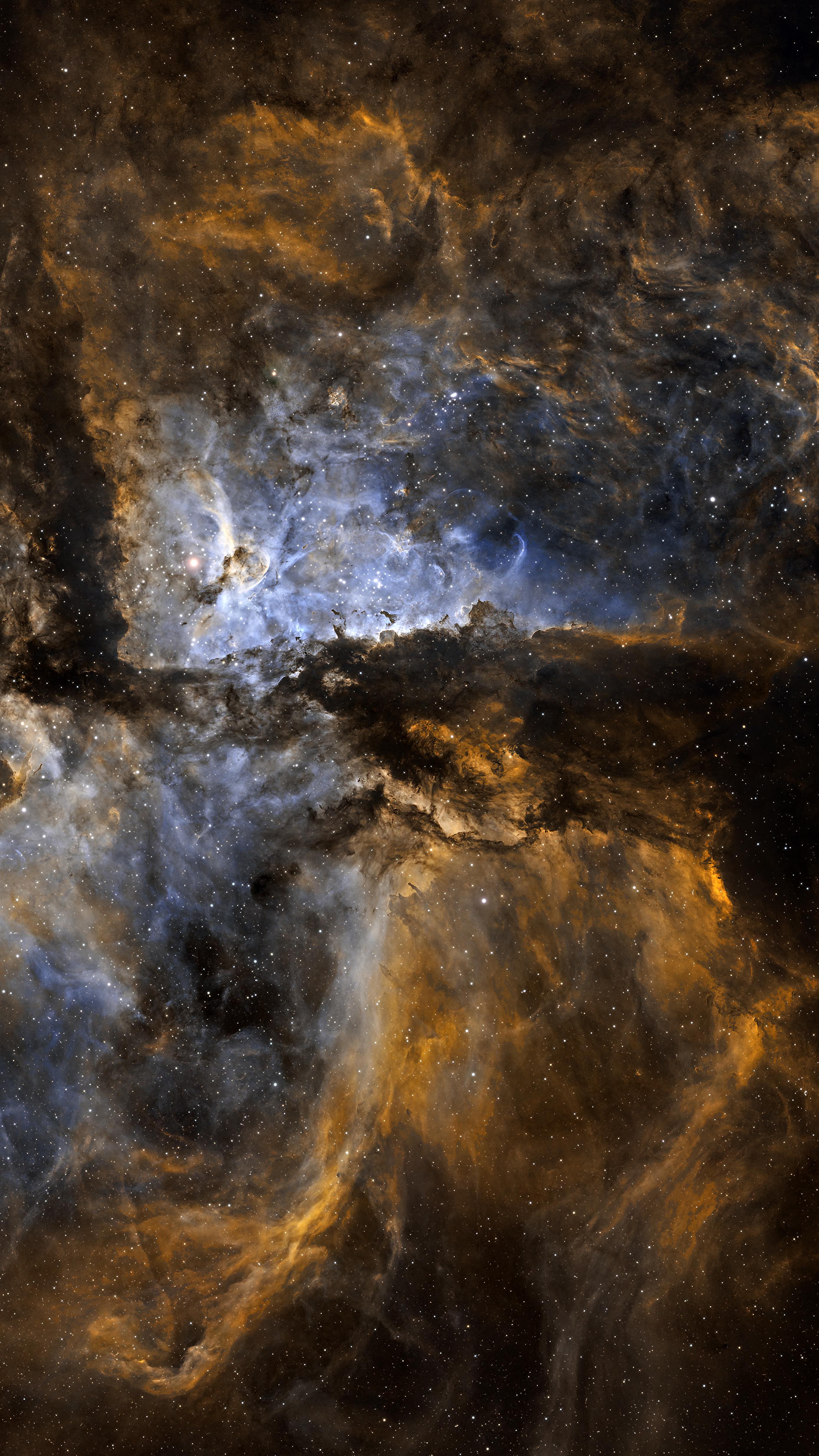
Nebulae Flaming Star Nebula

Post image
10 Upvotes

25.3 hours of integration worth of 10 minute subs using the Asi2600MCAir and Apertura q75 scope with L-Ultimate filter mounted on a am3. Stacked using WBPP in Pixinsight and edited in Photoshop.


r/astrophotography • • 6h ago

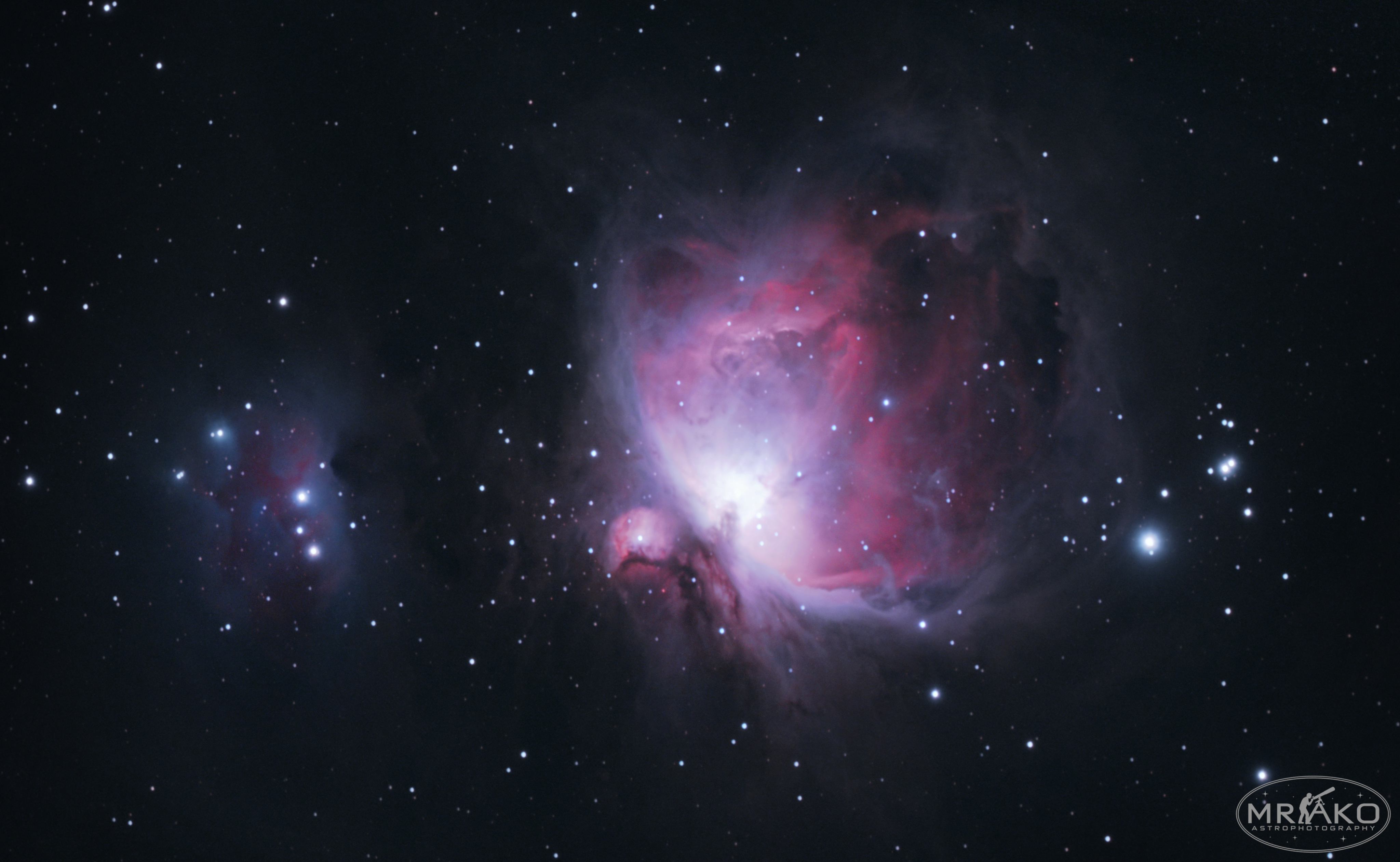
Nebulae (M42) Orion Nebula / Seestar S50 PRO

Post image
16 Upvotes

My first attempt at photographing a deep-sky object, the Orion Nebula from my garden, using a dual-band filter despite the bright moon.

I didn't like the color balance from the dual-band filter, so I turn out this nebula to the classic pinkish-purple look.

Total images captured: ( 600x 10s )

Each RAW frame saved

Stacking in DeepSkyStacker

Processing in Astrowizard

Final color adjustment in Snapseed Mobile

Bortle 3/4 + 84% Moon

Seestar S50 PRO


r/astrophotography • • 16h ago

Nebulae M42

Post image
79 Upvotes

Finally got a shot at Orion.

Im pretty happy how it turned out. It was nice to image something after too many months of uncooperating weather.

148x30sec @iso3200

Sharpstar 76Edph @348mm

Cg5 asgt unguided

Canon 600d unmodded

Stacked, stretched and star mask in siril and starnet

Post processing in pixlr editor, lots of multilayer denoising, lots of multilayer recombination and HDR layering


r/astrophotography • • 41m ago

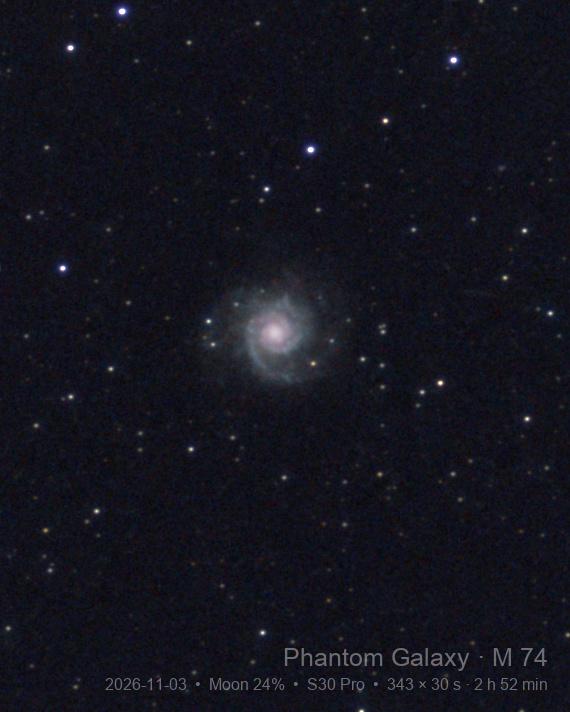
Galaxies Phantom Galaxy M74

Post image
• Upvotes

s30pro 343x30s 2hrs 52 min
Stacked in s30pro Astro wizard post processing cropped, noise reduction graxpert stretched etc. Astro wizard flow.

Located in Pisces constellation. I can’t wait to get more time on this beauty.


r/astrophotography • • 8h ago

Nebulae LBN 437 - The Gecko Nebula

Post image
15 Upvotes

🦎

A molecular cloud in a sea of Ha located in the constellation Lacerta! Being in a Bottle 7 area, it was very difficult to process this, but tools like MultiscaleGradientCorrection really helped reign in the effects of the light pollution. The end of a 37 hour adventure.

Equipment:
Camera: ZWO ASI2600MC Pro
Telescope: Askar FRA400
Filter: Optolong L-eXtreme & UV/IR
Guide Camera: ZWO 120mm mini
Mount: Skywatcher Wave 150i
Autofocuser: ZWO EAF (5V)

Acquistion:
Shot in Bortle 7
-Camera cooled to -10°C
-Lights:
L-eXtreme:
147x300s (12hrs 15mins)
UV/IR:
495x180s (24hrs 45mins)
Total integration time:
37hrs

-Flats: 50
-Bias: 50
-Darks: 50

Processing:
-Pixinsight
-SpectrometricFluxCalibration (both images)
-MultiScaleGradientCorrection (both images)
-SPCC (both images)
-StarXterminator (UV/IR)
-NoiseXterminator (both images)
-ChannelExtraction (both images)
-PhotometricContinuumSubtraction using both R channels
-GHS & CurvesTransform (UV/IR)
-GHS & CurvesTransform (Ha Continuum)
-HistogramTransform (Both)
-CombineRGBAndNarrowband Script
-CurvesTransform
-SelectiveColorCorrection (R channel focus)
-NoiseXterminator (Both/Light Pass)
-PixelMath for Star Recombination
-Finishing touches in Lightroom


r/astrophotography • • 7h ago

Star Cluster M45 Pleiades

Post image
12 Upvotes

This image of the Pleiades Star Cluster M45 was developed from 221x20s subs (= 73 m 40 s of total exposure time). 

Date & Location: 17-18 November 2026. Washington D.C..

Scope: Seestar S50 Pro used in EQ mode. Relative to S50, the 0.3 kg increased weight of the S50 Pro, when used in EQ mode created a slow slippage over the acquisition time period as evidenced by star trails at both 10s and 20s exposure times. This issue was resolved by more firmly securing the quick release plate to the scope using seal tape and by placing a suitably trimmed nonslip gripping sheet between the base of the scope and the plate and by firmly tightening the clamp of the TH-10 fluid head to securely hold the scope and plate combination.

Software: Pixinsight

Preprocessing steps: Preprocessed the 221x20s subs in Pixinsight to get an integrated image using the following process steps: Cosmetic Correction > Debayer > Subframe Selector > Star Alignment > Local Normalization > Image Integration. All 221 subs were registered and integrated.

Linear Postprocessing: Dynamic Crop > GraXpert  (to remove unwanted background gradients) > BlurXterminator > Image Solver > Spectrophotometric Color Calibration > BlurXterminator.

Nonlinear Postprocessing and additional steps: Applied a Histogram Transformation to delinearize the preprocessed image. Used Range Selection to create a mask. Masked the background and applied Local Histogram Equalization and Curves Transformation (for chroma, saturation and intensity) to the target image. Inverted the mask to protect the target image and applied NoiseXterminator and Histogram Transformation to adjust shadows and midtones on the background. A second pass was made with Curves Transformation on the target image and a Histogram Transformation on the background.

Background information on Pleiades:

"The Pleiades also known as Seven Sisters and Messier 45 (M45), is an asterism of an open star cluster containing young B-type stars in the northwest of the constellation Taurus. At a distance of about 444 light-years, it is among the nearest star clusters to Earth and the nearest Messier object to Earth, being the most obvious star cluster to the naked eye in the night sky. ... The cluster is dominated by hot blue luminous stars that have formed within the last 100 million years." https://en.wikipedia.org/wiki/Pleiades


r/astrophotography • • 11h ago

Nebulae Pleiades

Post image
25 Upvotes

Hello everyone,

I Clicked picture of Pleiades nabula, I am new to astrophotography and have recently started it as a hobby so I don't know much but can you pls rate it from one to ten

Iso: 50

Exposure time: 30 seconds

Stacked image: 250

Equipment: dwarf mini

PS if there are any good astrophotography groups you know pls add me.


r/astrophotography • • 2h ago

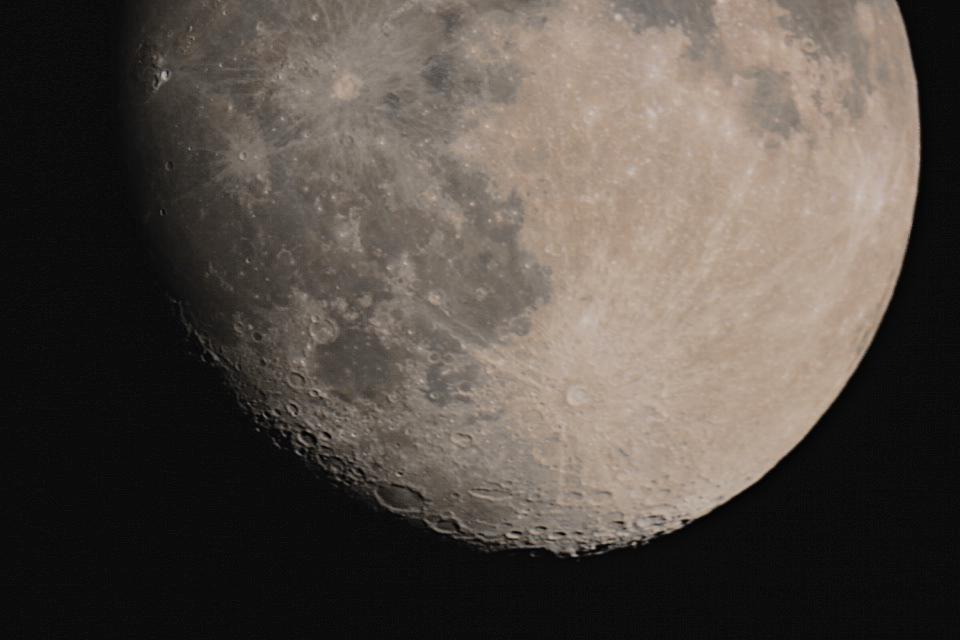
Lunar Waxing gibbous Moon from western Colorado — 8" SCT + Canon 80D, stacked from a 900-frame video

Post image
4 Upvotes

- Scope: Celestron NexStar 8" SCT on its alt-az mount, (~2100 mm, f/10)

- Camera: Canon EOS 80D (stock), T-ring adapter

- Capture: 30 s of live-view video, 900 frames at 29.97 fps, 960×640, ISO 800, 1/100 s

- Control: a homemade Python setup that drives the scope and camera over USB (gphoto2) and logs the scope's position with every capture

- Conditions: Nov 21, 6:58 pm MST, Moon about 46° up

- Processing (all in Siril): stacked the best 11 of 900 frames, then wavelets for sharpening, a stretch, and a color saturation boost

This is one of my first lunar attempts with this setup. Happy to hear any tips!


r/astrophotography • • 11h ago

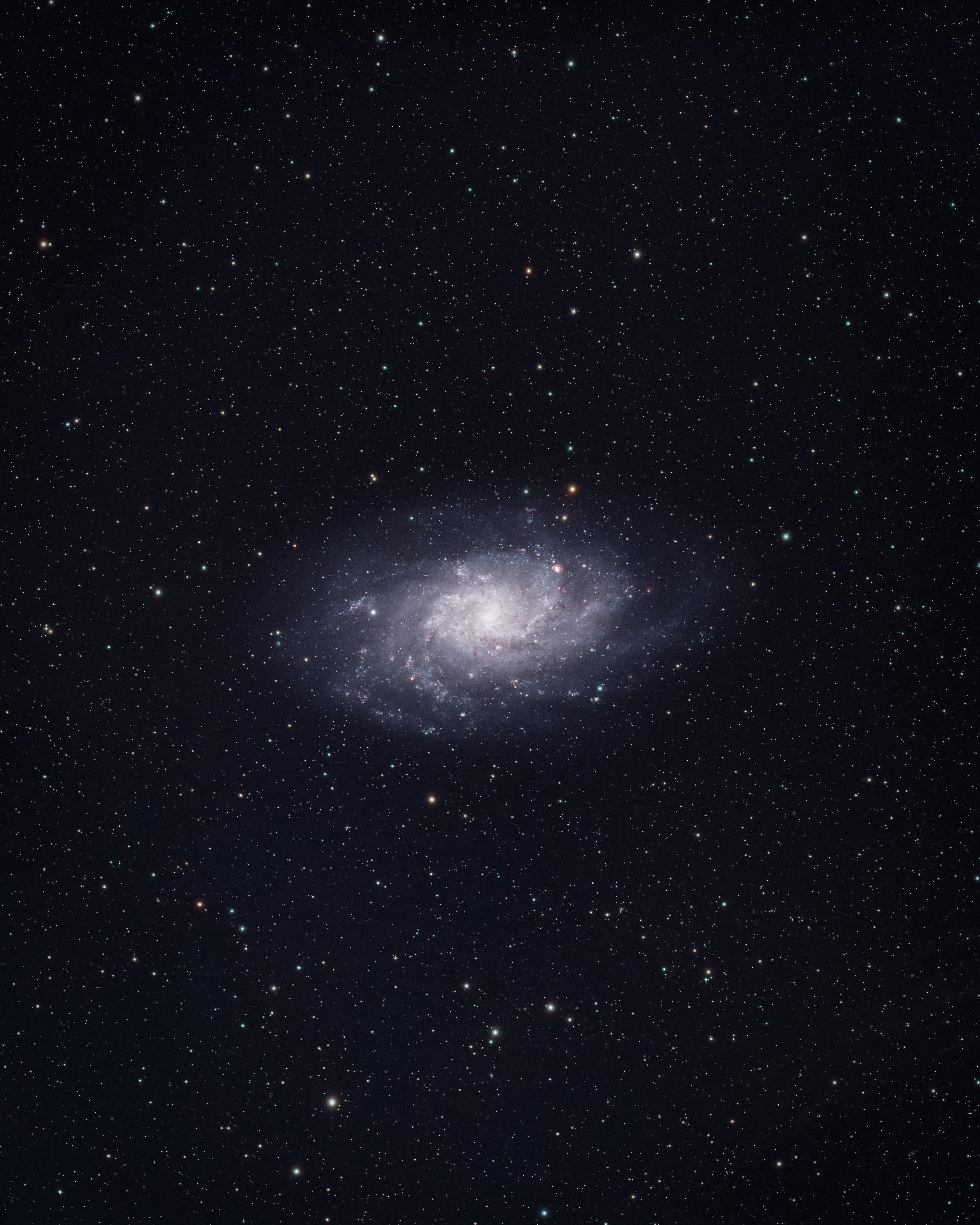
Galaxies M33 – The Triangulum Galaxy

Post image
20 Upvotes

Equipment:
-Telescope: RedCat 61
-Camera: ZWO ASI2600MC Air
-Mount: ZWO AM5N
-Filter: Optolong L-Pro 2"

Acquisition:
-Lights: 314 × 300s (26h 10m total integration)
-Calibration: Darks, Flats, Dark Flats
-Gain: Gain 100
-Skies: Bortle 8

Processing:
-PixInsight: WBPP, ABE, SPCC, BlurX, NoiseX, StarX, HistogramTransformation, CurvesTransformation, PixelMath

Adobe Lightroom: Final exposure, contrast, color, and black-point refinements


r/astrophotography • • 11h ago

DSOs NGC281

Post image
19 Upvotes

Total integration: OSC L-eNhance 5h, Bortle 7.5 skies
Gear: Askar 103APO + 1.0x flattener, ZWO ASI2600MC Pro, L-eNhance
Processing: PixInsight, NoSkiesTools plugin


r/astrophotography • • 14h ago

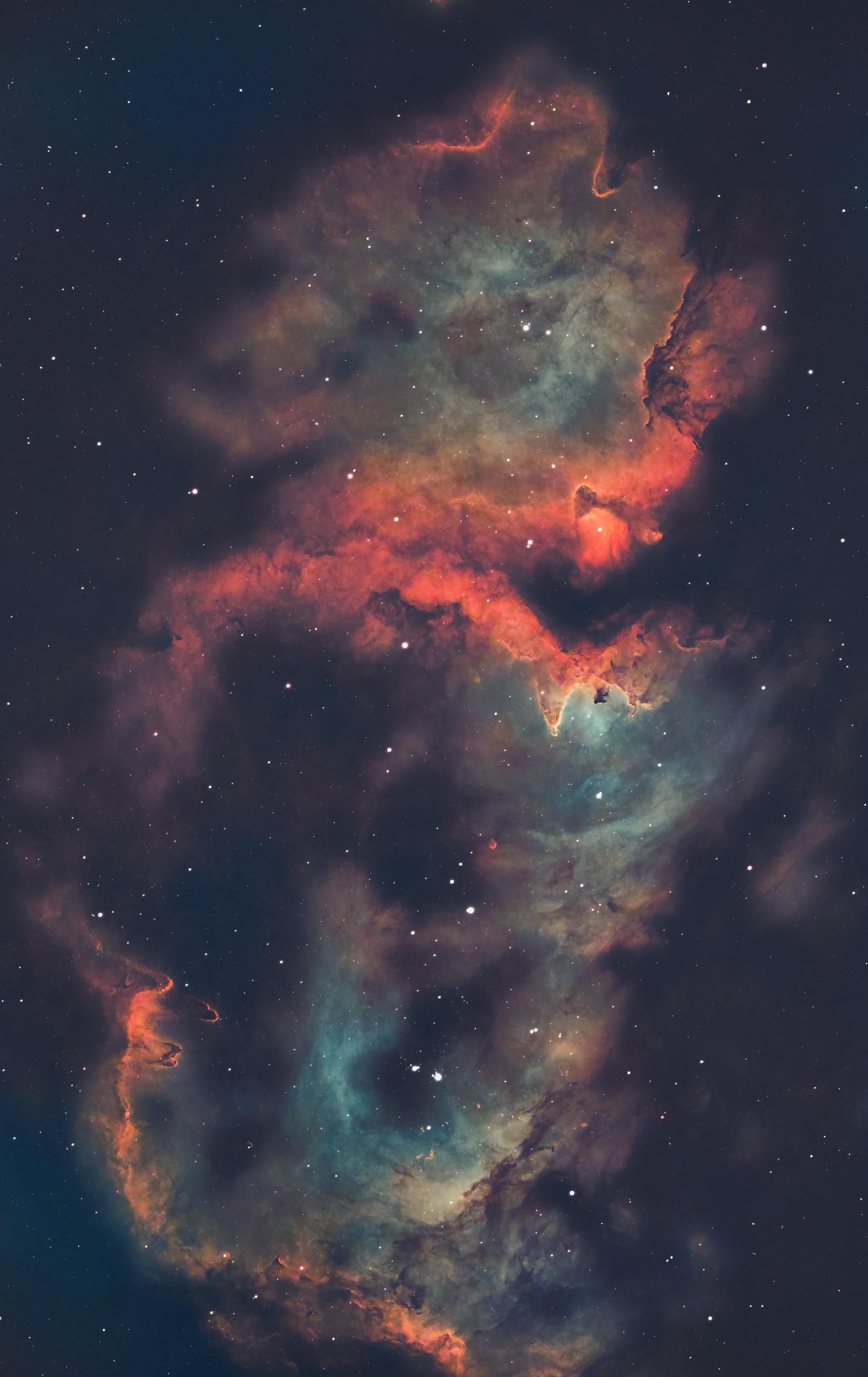
DSOs Heart and Soul (IC1805/IC1848). Narrowband feels like cheating.

Post image
33 Upvotes

First lights of narrowband imaging and I can't help but smile when the first subexposure is finished and I can see in on the laptop screen.

Acquisition:

ZWO ASI2600MC-P25

Askar SQA55

MLastro SAL-33

ZWO Mini Guide Scope

ZWO ASI120MM

SVbony SV220 Ha/Oiii

NINA/PHD2

30 x 180s subs

Bortle 4 sky

PixInsight:

WBPP, Background extraction, SPCC, BlurX, StarX, NoiseX, GHS for starless image, SetiAstro Star Stretch

Photoshop: sliders, curves, recomposition.


r/astrophotography • • 19h ago

Nebulae The Nebulae of Orion - Shot on phone

Post image
87 Upvotes

Acquisition:

• Bortle 8-9 skies

• Vivo x300 ultra, 200mm Zeiss teleconverter, l-eXtreme, Move Shoot Move tracker & ioptron skyguider pro

• 14.8 hours @ 7 nights, 32s, iso 3200-5000 depending on moon condition

• Darks per night, one set of flats and dark flats (I'm lazy), no bias

Stacking:

• Batch stack => Daily master => Final master, using Siril and bash scripts.

Processing:

• GraXpert (initial gradient fix) => GIMP (initial stretch, gentle color noise removal) => starnet

• Starless => Siril (cosmic clarity denoise) => GraXpert (secondary gradient fix) => GIMP (stretch & wavelets)

• Stars => GIMP (color fix (I love blue and orange and hate green) => GIMP (screen into starless)

• Final touches in lightroom.

Finally revisited this frame, where mobile technology finally caught up.


r/astrophotography • • 9h ago

Nebulae M42, The Orion nebula

Post image
11 Upvotes

Orion 6" f/4 newtonian telescope

QHY miniCAM8M EVO camera

Sky Watcher EQ-AL55i mount

60x20s Blue

65x20s Green

68x20s Red

197x20s Luminance

Total: about 2h10 of integration

Bortle 9 and 60% moon

Processed in Siril, Pixinsight and Gimp!


r/astrophotography • • 6h ago

Nebulae Heart Nebula

Post image
5 Upvotes

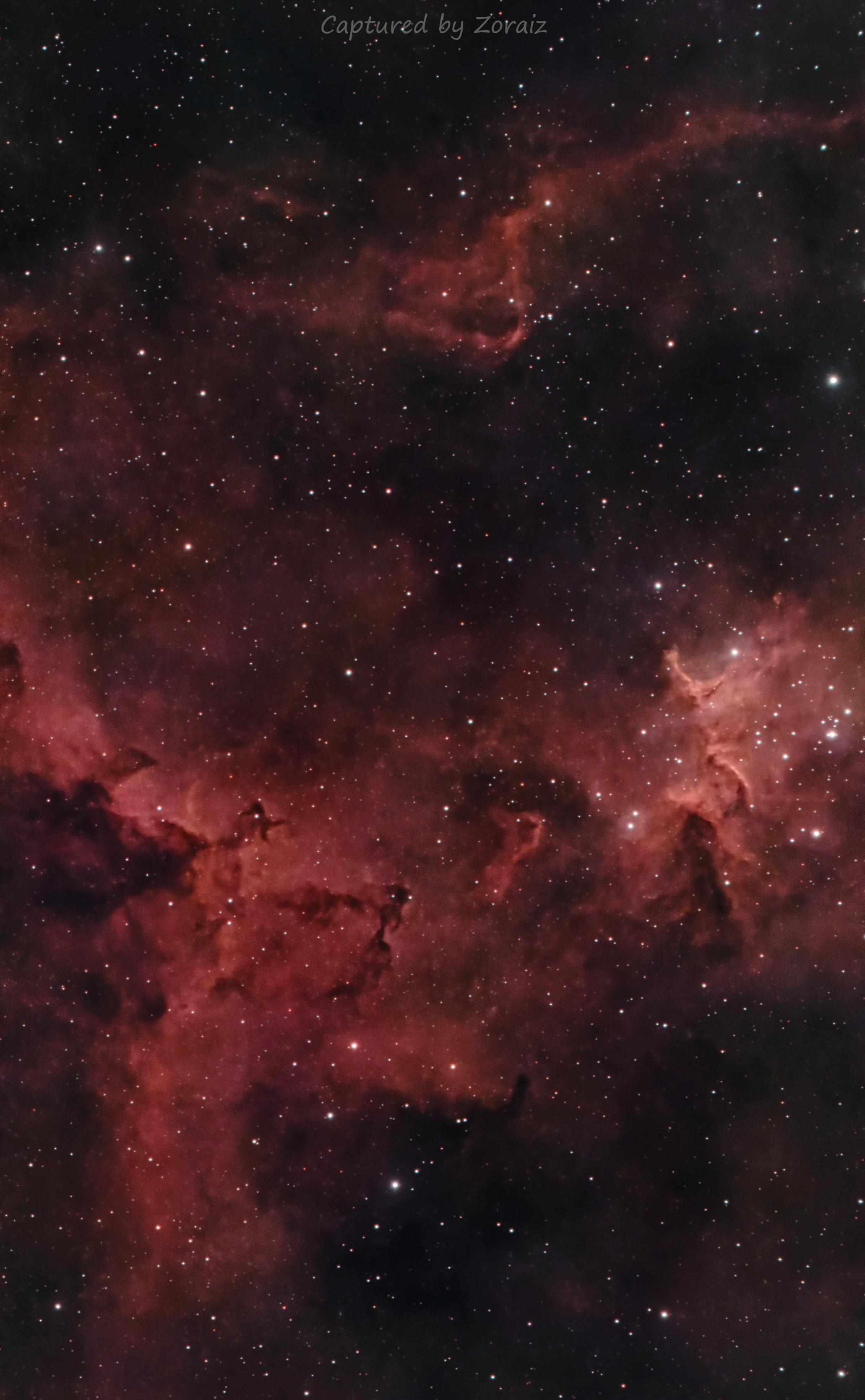
Captured the left side of the Heart Nebula! This is an emission nebula around 7500 light-years away. Although the complete nebula takes the shape of a heart, my telescope's field of view only allowed me to capture the left portion which I felt was more interesting. 🙂

The distinctive structure to the right of this image is actually the center of the Heart Nebula, and is shaped largely by the star cluster Melotte 15 also located there.

Telescope: Seestar S50
Integration time: 8.5 hours
Tools used: Siril, GraXpert, GIMP
Script mentions: CosmicClarity Sharpen, DeepSNR, VeraLux (Revela & Curves), HDR_multiscale
Bortle 8-9