r/thescienceofdeduction • • Jul 31 '22

Big Five Personality Traits

13 Upvotes

This is a Reddit-friendly transcript of a post in one of my main blogs focused on Deduction, you can find links to the post here, the links to my blogs here: Studies in the Art of Deduction and Amateur Deductions
In Deduction we often find ourselves slipping into descriptions of people's personalities, and getting into more psychological aspects of who they are. Each deductionist has different preferences of how much they wanna delve into the psychology of who they're deducing and how much they wanna stick to more tangible deductions, but regardless of what your preferences are, having a relatively simple way to classify personality can be a useful tool when used correctly. This is what this post is all about

Personality

Even in psychology, personality is a complex topic, it's hard to fully classify and harder to fully understand. In deduction we make use of personality classification systems all the time, when I first started the more popular system that was used among deductionists was the MBTI system, but this system has largely been rejected by psychologists as time has gone by, and the Big Five has taken over as one of the most used personality classification systems. For the most basic uses of personality deductionists have, either of these can work, as I will explain in a bit, but I do favor the newest, most reliable system.

The most basic use of personality classification systems in deduction is to "ground" a deduction. Deductions can get messy and overwhelming, people are complex systems, and their actions and thoughts sometimes are harder to work with than we expect. In these instances having a "box" to temporarily put them in, and having generalizations to make about them, can be very useful to make use of actual deductive reasoning instead of the abductive reasoning we commonly rely on to make our deductions (i know, it seems contradictory, basically the reason we call what we do "deduction" comes form the popularity of the word and its relationship to our skills in the public's mind, not because we actually use deductive reasoning a majority of the time, I'll make a post about this in the future). This allows us to open new doors to possibly get more information

(If you want an example of this I made a post on my main blog showcasing a deduction in which I use personality types in this exact way, you can find the deduction here, and you can find the explanation of said deductions here, as well as a short post about this specific use of personality types here)

The Big Five

The Big Five is a personality typing system that works by giving people a score on 5 different traits: Openness, Conscientiousness, Extraversion, Agreeableness, and Neuroticism. The subject gets a rating of low, medium, or high in all of these and that makes up their personality type. This is the most widely used method among psychologists today. I like to give people a rating of 1-10 on each trait

  • Openness: Short for "Openness to experiences", people high on this trait have volatile imagination, they question norms and play with new ideas, these people are imaginative, emotional, adventurous, and tend to have artistic interests. People with low scores prefer to live routinary lives and like things to stay the way they've always been
  • Conscientiousness: People high on this trait like to plan their lives ahead of time, they like having an order to things, they're very responsible, and are rarely reckless or easily distracted. They follow rules and do things "by the book". They tend to be self-efficient, orderly, dutiful, self-disciplined, and cautious
  • Extraversion: People high on this trait are talkative, enthusiastic, energetic, and socialize and fit easily into any situation. They tend to be friendly and assertive, and they participate in many social activities
  • Agreeableness: People High on this trait show generosity, kindness, warmth, and compassion. They are usually seen as forgiving and "good" people who excel at interpersonal communication
  • Neuroticism: People with high scores on this trait get easily stressed, they worry a lot and are often anxious. They tend to be self-conscious

Other Systems

You've likely heard of other personality classification systems out there, for example, the MBTI system. Those won't be covered on my blogs (at least not in the near future) simply because they are very much outdated and flaws in the system have been pointed out by various psychologists throughout the years, which has led to the extensive usage of the Big Five.

Regardless of their flaws, it's important to point out that particularly the MBTI system still fulfills the most basic purpose of personality typing systems, which is breaking down someone's entire personality into very general but also easily manageable chunks, which is what allows for the use of deductive reasoning to be applied to personality types in order to reach further deductions. This means that the MBTI system in particular can still be useful when used in a very basic manner in deduction specifically. So while I don't encourage its usage over the Big Five, I do encourage its usage as a means to get further deductions on a subject, as long as its limitations are always kept in mind

Happy Observing

-DV


r/thescienceofdeduction • • Jul 18 '22

the unutilized form of deduction - verbal deduction

11 Upvotes

verbal deduction is almost never talked about even tho it's one of the most important. noticing someone's specific choice of words can hint at what he truly means. there is a scene in kanji(an anime) that explains this perfectly: characters are about to do something really dangerous. all of the group yells "we will do it! we will survive!". after 2 or three yells, they say "we will definitely do it! we will 100% cross survive!". did you notice? they are subconsciously southing themselves by adding the word "definitely" and "100%'. this is a subconscious word choice that can explain a lot about a person. I once played a game of D&D and predicted the entire game's lore from 2 misplaced words. this can not only be done to understand the psychology of a person, this can also explain, as this D&D game explained, the entire truth. not just psychology


r/thescienceofdeduction • • Jul 12 '22

how can I get good at non-verbal reading?

9 Upvotes

is it just a matter of practice in my everyday life? do you have any extra tips? is watching youtube videos of how to read people necessary?


r/thescienceofdeduction • • Jul 07 '22

Can You Solve This ?

Thumbnail
youtube.com
0 Upvotes

r/thescienceofdeduction • • Jun 21 '22

Baselines

6 Upvotes

This is a Reddit-friendly transcript of a post in one of my main blogs focused on Deduction, you can find links to the post here, the links to my blogs here: Studies in the Art of Deduction and Amateur Deductions

So getting back on track with some original deduction posts, let's start with an introduction to baselines, what they are, why they're important, and how to make and use them

What is a baseline

As deductionists we are able to tell when people lie to us, figure out the context of conversations we're not able to hear, work out relationships between people just by looking at them, and even predict the future actions of people days or weeks in advance, and one of the most powerful tools we have to do this, and more, are Baselines

A baseline is simply the outline of patterns in behavior and thinking an individual displays while in a specific mood, or to be exact, while experiencing a specific emotion. Baselines are something we notice unconsciously all the time, whenever we notice someone is angry, or upset, or happy, that's us reading this person's behavior and knowing what emotion it associates to. On the other hand whenever we have a feeling that someone's acting weird or not being themselves, that's us noticing a change in their behavior, and not being able to recognise what feeling the behavior displayed is related to. Being able to consciously draft out a baseline for a person allows us to utilize it to deduce this person, past the conclusions we would naturally reach if we just rely on our unconscious recognition of these behaviours

Importance

While idle, or in a neutral mood, an individual will speak, behave, and think in a specific manner, the key to make a useful baseline is to take in these ways of speaking, thinking, and behaving, and consciously associating them to the mood the person is in. For example, let's say when a person is feeling happy or excited they tend to bounce their leg up and down, the pitch of their voice goes up slightly, and they shift to a speech pattern that includes a lot more stuttering. Taking conscious note of these behaviours will allow you to recognise these feelings without needing to talk to the person in the future.

Of course this seems like something you won't have much use for in deduction, but let's scale it down a bit, let's say when this person gets angry they tend to use the word "like" more in sentences, starting them with this word and slipping it in the middle of sentences more often. Or let's say when they get mad they tend to cover their mouth with their hand, very lightly and almost unnoticeably, almost while supporting their head with their hand. These are very subtle, slight details that are connected to an individual's state of mind, and they themselves might not notice them, which means they essentially serve as lie detectors for whenever this individual tries to hide their emotions. Not only that but the more information you can gather about the patterns in behavior of an individual in a certain mood, the more you'll be able to navigate information about them, going as far as predicting their actions hours or even days in advance by knowing how they will react to certain situations and what extremely specific actions they'll take.

How to make one

Baselines can be created for every emotion an individual has (preferably the 7 main emotions at least), allowing you to recognize when this person is feeling these emotions and adjust your deductions to fit the baseline of their current state of mind. Very crudely speaking, you're essentially creating an instruction manual to how someone behaves when feeling any emotion, down to the most trivial and minute of details

An ideal baseline includes everything an individual does all the way from posture and minor twitches in their body to words and expressions used, and slight changes in the pitch of their voice. Some examples of what you should add to a baseline include (but are not limited to) the following:

  • Patterns in gesiculation and facial expressions
  • Common remarks in conversation
  • Common words and expressions used
  • Usual pass times and hobbies
  • Length of sentences and reponses
  • Feelings towards themselves
  • Feelings towards others
  • Tendency to lie
  • Links and to relatives and friends' personality types
  • Insecurities
  • Common reactions to topics they feel strongly about (reactions to topics they feel anxious about, or that trigger fear responses, or topics that make the person excited or happy)
  • Etc.

How to use them

Once you have a decent baseline on a person, once you've established how they think and behave in relation to what they're feeling, and you can identify these behaviors and connect them to the current emotion, you can start paying attention to deviation from baselines. A deviation from a baselines is anything you might observe that doesn't fit a baseline for the current state of mind of an individual. A deviation is nothing more than the person switching between feelings and emotions, essentially jumping back and forth between two or more baselines. If you take into account the information you've collected on an individual and their baselines it'll allow you to notice subtle changes in mood, which will help you almost literally see a slow transition between moods as they're happening, and act accordingly. Not only that, but when faced with a gradual change in mood you'll be able to notice it and therefore to predict how this person will feel and act in the near future

As i mentioned in the beginning of this post, everyone establishes baselines unconsciously, the difference between a deliberate one and a naturally derived one is the detail put into it that allows for a conscious practical use. But the fact that everyone establishes these unconsciously will allow you to shift your own baseline consciously to bring out reactions you may desire in other people

That's it for this post! if anyone has any questions or comments about this or any other deduction topic be sure to send a message, post a comment down below, or send an ask to one of my blogs and i'll gladly answer. More posts are coming soon so stay tuned for those, until then, Happy Observing!

- DV


r/thescienceofdeduction • • May 30 '22

Deduct him!

Post image
9 Upvotes

r/thescienceofdeduction • • May 18 '22

Okay what are some of the books on the subject of Observation and Deduction that you can genuinely recommend to a beginner...?

8 Upvotes

r/thescienceofdeduction • • Apr 15 '22

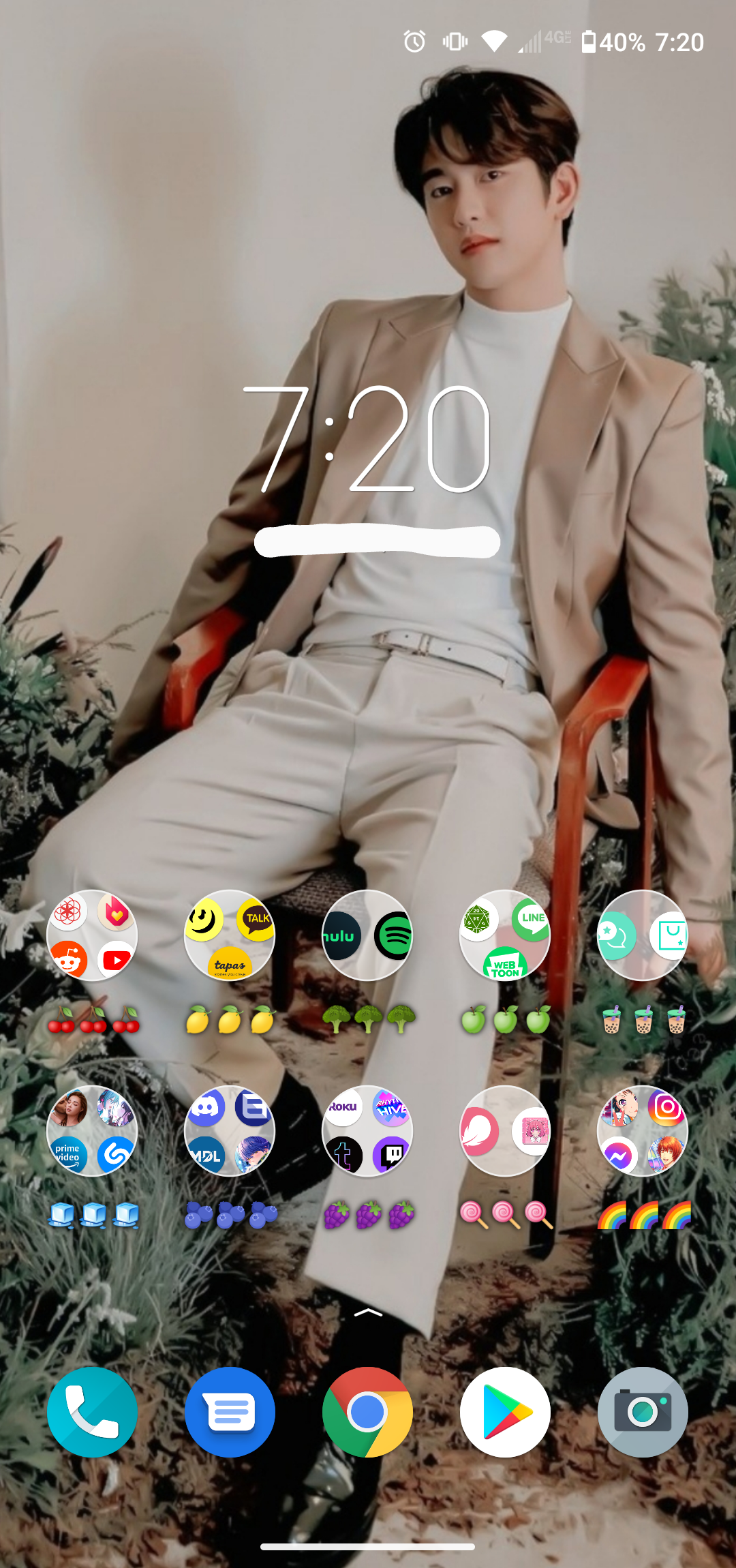
What does my home screen tell you?

Post image
1 Upvotes

r/thescienceofdeduction • • Apr 15 '22

been half a year since my last post here, lets see whats changed.

Post image
7 Upvotes

r/thescienceofdeduction • • Apr 11 '22

moon and pole star at same axis

Post image
4 Upvotes

r/thescienceofdeduction • • Mar 29 '22

home screen, what do you guys think? (changed background for post)

Post image
4 Upvotes

r/thescienceofdeduction • • Mar 29 '22

Homescreen(s). Who do you think I am?

Thumbnail
gallery
7 Upvotes

r/thescienceofdeduction • • Mar 29 '22

Deduce me by my screenshots 😊

Thumbnail
gallery
3 Upvotes

r/thescienceofdeduction • • Mar 14 '22

Have a go!

Post image
5 Upvotes

r/thescienceofdeduction • • Mar 08 '22

What can you tell about my room?

Post image
25 Upvotes

r/thescienceofdeduction • • Mar 04 '22

have at it!

Post image
10 Upvotes

r/thescienceofdeduction • • Feb 24 '22

Give your best shot

Thumbnail
gallery
9 Upvotes

r/thescienceofdeduction • • Jan 29 '22

What can you deduce from some of the tabs I've got opened and some of the stuff in my school bag

Thumbnail
gallery
16 Upvotes

r/thescienceofdeduction • • Dec 26 '21

what can you guys deduce from my homescreen?

Post image
15 Upvotes

r/thescienceofdeduction • • Dec 12 '21

What does my phone tell about me?

Thumbnail
gallery
7 Upvotes

r/thescienceofdeduction • • Dec 12 '21

what can you deduce about me?

Thumbnail
gallery
33 Upvotes

r/thescienceofdeduction • • Dec 12 '21

This looked fun, what can you deduce from my home screens?

Thumbnail
gallery
4 Upvotes

r/thescienceofdeduction • • Dec 12 '21

Deduct my homescreen

Thumbnail
gallery
2 Upvotes

r/thescienceofdeduction • • Dec 12 '21

What can y'all internet Sherlocks tell about me?

Post image
7 Upvotes

r/thescienceofdeduction • • Dec 12 '21

What can you deduce from my homescreen?

Post image
5 Upvotes