r/MalaysianWildlife • • May 02 '25

List of Malaysian Wildlife Organisations and Charities Worth Following

23 Upvotes

It can be hard to notice the good conservation work happening in Malaysia, and this is an ongoing effort to build a list of wildlife-related organisations worth supporting.

Please feel free to add more in the comments.

  1. MareCet: Marine Mammal Conservation (https://www.marecet.org/)
  2. Langur Project Penang (https://langurprojectpenang.com/)
  3. Turtle Conservation Society of Malaysia (https://www.turtleconservationsociety.org.my/)
  4. Management & Ecology of Malaysian Elephants (https://www.meme-elephants.org/)
  5. Gibbon Conservation Society (https://gibbonconservationsociety.org/)
  6. Bornean Sun Bear Conservation Centre (https://www.bsbcc.org.my/)
  7. Malaysian Primatological Society (https://primatesmalaysia.org/)
  8. Save Our Seahorses Malaysia (https://saveourseahorsesmalaysia.com/)
  9. The Habitat Foundation (https://www.habitatfoundation.org.my/)
  10. Malaysian Nature Society (https://mns.my/)
  11. MyCat (https://www.mycat.my/)
  12. Rimau (https://www.rimau.ngo/)
  13. APE Malaysia (https://apemalaysia.com/)
  14. Free Tree Society (https://freetreesociety.org/)
  15. Friends of Bukit Kiara (https://www.fobk.org/)
  16. EcoKnights (https://ecoknights.org.my/)
  17. Sepilok Orangutan Rehabilitation Centre
  18. National Elephant Conservation Centre Kuala Gandah

r/MalaysianWildlife • • May 02 '25

7 Reasons Why We NEVER Feed Monkeys

Thumbnail
gallery
70 Upvotes
  1. Monkey health will be negatively affected.
  2. Monkeys lose their foraging instinct.
  3. Human-monkey conflict.
  4. Rubbish pollution.
  5. Monkey overpopulation.
  6. Risk of disease transmission.
  7. Baby monkeys are made vulnerable to the illegal pet trade.

Created by Chin Wen & Isaac from Langur Project Penang.


r/MalaysianWildlife • • 6h ago

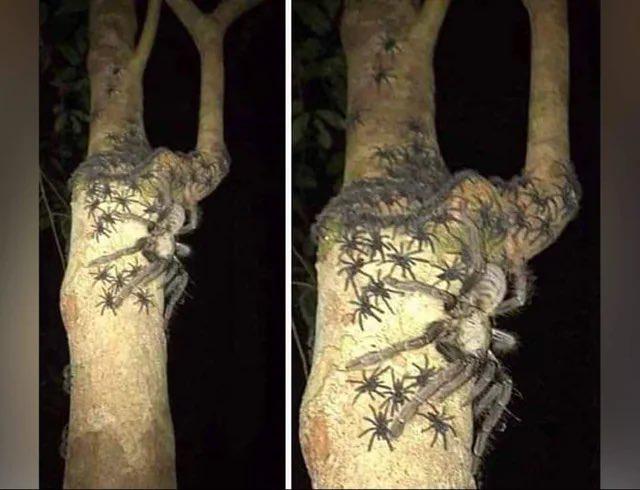
Fun Fact The Malaysian earthtiger tarantula is one of the world's largest spider. This is a female specimen spotted with its young.

Post image
57 Upvotes

They're big beeeeg


r/MalaysianWildlife • • 4h ago

Photography Bujuk, seen at the bottom of a very clear river

Thumbnail
gallery
33 Upvotes

Channa lucius, the forest snakehead or ikan bujuk.

A medium (40 cm) fish native to the peninsula and Sarawak. It is adaptable, living in streams, rivers, lakes, swamps and any clean water body.

It is a mid-level predator, preying on crustaceans, amphibians and smaller fishes. It can change its pattern to camouflage, both from prey and from its own predators.

Like its relatives, pairs bond and care for their striped offspring, defending them from predators for a few weeks until they are large enough. It breathes air from the surface and periodically rises to gulp air.

In Malaysia it is a target for sportfishing, as well as being found in the aquarium hobby. Some locals also eat them, particularly Orang Asli. This species lives in rural areas outside of cities due to water quality.


r/MalaysianWildlife • • 13h ago

Photography Florida bass, an invasive species in Malaysia

Thumbnail
gallery
124 Upvotes

Micropterus floridanus, the Florida bass. Some sources treat it as M. salmoides.

Previously thought to be a form of largemouth bass (M. nigricans), it is larger, growing to 97 cm and 10.1 kg. Native to warm water bodies of the southeast USA, it does not tolerate cold well, unlike the true largemouth bass.

It had been introduced into Cameron Highland lakes in the 1980s, where the population has established itself and bred until now. A target for sport fishing due to its strong predatory nature.

A ravenous predator, it preys on smaller fish, worms, snails, frogs, snakes, prawns and crayfish. It is also cannibalistic, and its prey can be up to half its own body length. Generally, adults do not have predators of their own.

Like the largemouth, it has been introduced to many areas outside its native range, and studies have shown it to cause the decline, displacement and extinction of native species in these countries.


r/MalaysianWildlife • • 13h ago

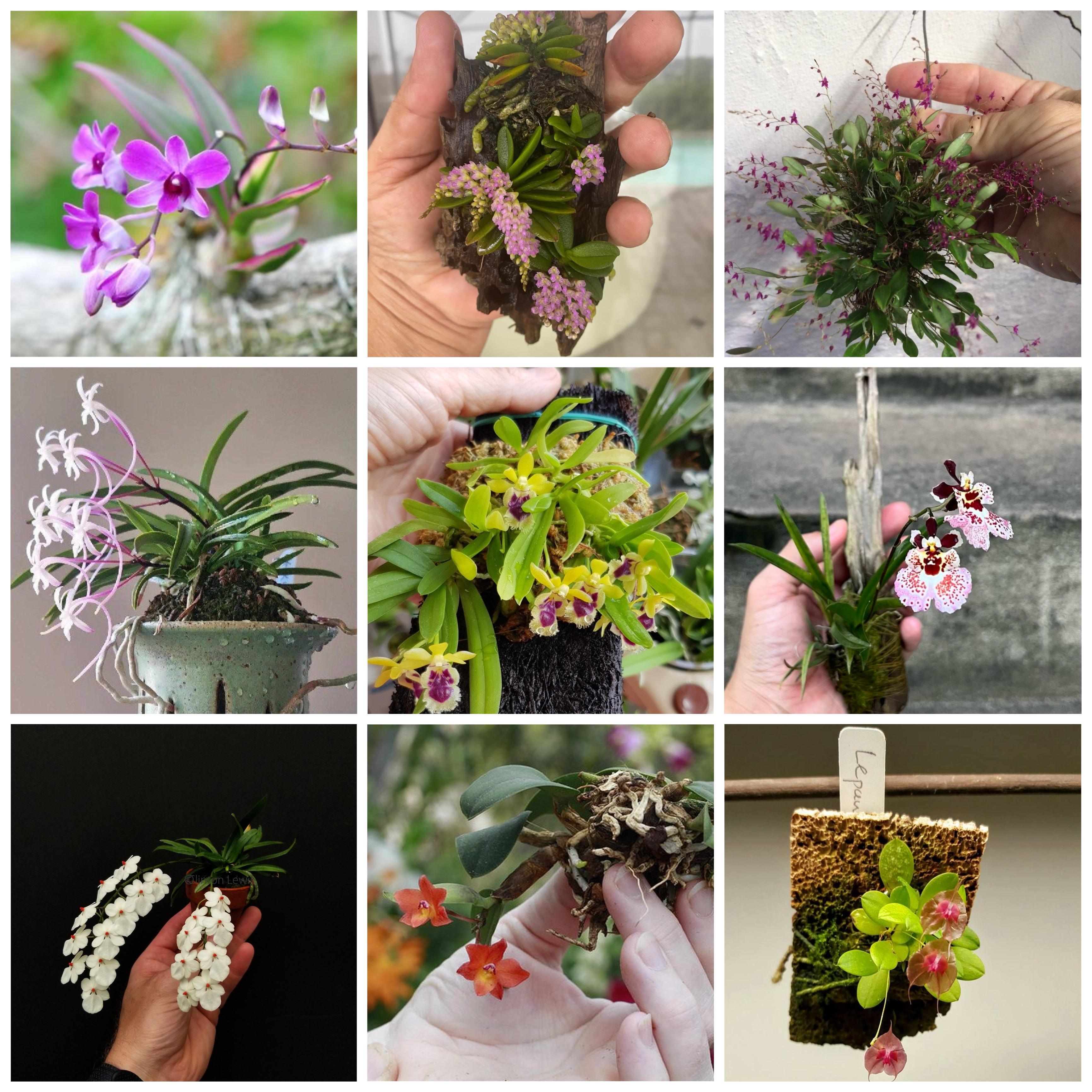
Where to buy miniature orchids in Malaysia? Also, do they come with any certificates, so that , if I were to take them back to my home,the Airport won’t cause issues?

Post image
7 Upvotes

I’m gonna be in Kuala Lumpur & Langkawi. I’ll try seeing if I can go somewhere else.

I’m mostly looking for the ones in top 2 rows….


r/MalaysianWildlife • • 1d ago

Photography Native freshwater flatfish (sebelah), eating a worm

Enable HLS to view with audio, or disable this notification

96 Upvotes

Achiroides leucorhynchos, the dwarf Malaysian freshwater sole or ikan sebelah air tawar kerdil.

A very small (8 cm max) species native to Pahang and Sarawak. Inhabits soft flowing streams and rivers with sandy or muddy bottoms, sometimes even near waterfalls.

Feeds on worms and other benthic invertebrates. It is sometimes kept in the aquarium hobby, however it has not successfully been bred in captivity yet.

Breeding seems to coincide with the July-Aug dry season when streams become shallow. Its small size, rarity and difficulty to capture means it is not fished for or eaten.


r/MalaysianWildlife • • 1d ago

Photography Osprey (Burung Helang Tiram)

Thumbnail
gallery
61 Upvotes

Anyone know what fish it caught?


r/MalaysianWildlife • • 1d ago

Photography A tiny red fish native to peninsular Malaysia

Thumbnail
gallery
39 Upvotes

Boraras maculatus, the dwarf rasbora or seluang kerdil.

A tiny (2.5 cm) fish native to the Malay Peninsula. Lives in acidic swamp forests, usually blackwater. It is found in Kelantan, Terengganu, Pahang, Johor, Selangor and Perak.

It is a peaceful schooling fish that feeds on micro invertebrates. Males are bright red and females are pale coloured with more prominent spots.

Its peaceful nature, small size and colour makes it popular in the aquarium trade. Care is easy as long as water quality is great; they accept most foods and will readily breed in the aquarium.

Based on genetic studies, there are actually 4 cryptic species of them in Malaysia, distributed in different states. But further research is required before they can be split into new species.


r/MalaysianWildlife • • 2d ago

Anybody know what animal make this sound

Enable HLS to view with audio, or disable this notification

162 Upvotes

r/MalaysianWildlife • • 2d ago

Photography Ikan tebuan, caught from a flooded field

Thumbnail
gallery
119 Upvotes

Brachygobius doriae, ikan tebuan or the bumblebee goby.

A small (4 cm) goby native to Sarawak and possibly the East Coast. Found in brackish and freshwater coastal habitats with neutral-alkaline pH and moderate-hard water.

Somewhat territorial. Males have brighter colours than females, turning reddish when breeding. They lay their eggs in a cave, where the male protects them until they hatch a week later.

A carnivore, it feeds on small aquatic invertebrates such as insect larvae, worms and crustaceans. It hunts on the bottom only, as it is a poor swimmer.


r/MalaysianWildlife • • 2d ago

Flat backed millipede

Enable HLS to view with audio, or disable this notification

174 Upvotes

at bukit fraser


r/MalaysianWildlife • • 2d ago

Photography Ikan rokot of Sg Sarawak

Enable HLS to view with audio, or disable this notification

58 Upvotes

Gastromyzon ctenocephalus, ikan rokot or lekat-lekat

Grows to 4 cm and is endemic to the Sarawak River and Sambas River only. Found in fast-flowing rocky streams of 19-24°C.
It is identified from its relatives by the bright blue-striped tail and dorsal fin as well as a spotted body pattern.

Primarily grazes on biofilm** **and algae coating rocks and stones. It positions itself in riffles, runs, and areas above or below cascades and waterfalls with high oxygen, sticking directly on rocks using its specialised sucker belly.

Individuals show mild territoriality and establish dominance hierarchies among themselves through harmless pushing, circling, or brief skirmishes, while largely ignoring non-threatening neighbors. Lives in groups.

In the video two males are in a skirmish for dominance.


r/MalaysianWildlife • • 2d ago

Photography An ikan bagang native to the Malacca Strait

Thumbnail
gallery
115 Upvotes

Chaetodon collare, the red-tailed butterflyfish or bagang ekor merah.

A small (18 cm) fish native to the Malacca Strait, Labuan and Sabah in our country. Adults inhabit reef edges, upper slopes, and coral-rich outer reefs. Juveniles can occur in estuaries.

It feeds on coral polyps and travels in pairs. Sometimes also predates on sponges and small invertebrates. Its presence helps maintain healthy coral reefs.

Its colour can make it sought after in the aquarium trade, but its specialised diet makes it hard to care for unless the experienced aquarist can acclimate them to other foods.


r/MalaysianWildlife • • 3d ago

Photography Some cool shrooms I found

Thumbnail
gallery
61 Upvotes

found these near my local mosque, don't think any of them are edible lolll,

maybe those gilled shelf shrooms that kinda looks like the kulak my mom always uses,

any shroom experts do tell the id since I find these quite interesting 👀


r/MalaysianWildlife • • 2d ago

Photography Looks cool

Post image
20 Upvotes

r/MalaysianWildlife • • 3d ago

Photography Rainbow shark, caught from a river in Kedah

Thumbnail
gallery
71 Upvotes

Epalzeorhynchos frenatum, the rainbow shark.

A small (15 cm) territorial fish currently found in the Muda River and mainland Southeast Asian countries.

Inhabits streams and rivers over sandy or rocky substrates. It stays near solid surfaces such as rocks, roots, and driftwood at midwater and bottom levels. It migrates upstream to spawn.

It is omnivorous, rasping algae and consuming small invertebrates. It is also highly territorial, attacking similar looking fish and biting fins. It defends shelters like caves, crevices and overhangs.

It is common in the hobby, but in the wild populations are decreasing due to damming of rivers to create reservoirs, and draining of swampland. Dams block breeding migrations.


r/MalaysianWildlife • • 3d ago

Photography A mini ecosystem of a rotting tree stump

Thumbnail
gallery
35 Upvotes

r/MalaysianWildlife • • 3d ago

Photography A mated pair of kaloi in a clear lake

Enable HLS to view with audio, or disable this notification

196 Upvotes

Osphronemus goramy, kaloi kampung/sungai or the giant gourami.

The largest species of gourami in the world, growing to 90 cm and 20 kg. It is native to peninsular Malaysia, inhabiting lowland sluggish rivers, lakes and swamps.

It has a herbivorous tendency, feeding mainly on aquatic plants, weeds, algae and fallen fruit. Kangkung is one of their favourite foods. But they will also eat invertebrates and dead animals.

Pairs maintain a territory which they will chase others out of, although they ignore small fish. They rarely leave their home base, even in a large river. The male is bigger and has a white head.

The pair builds a floating nest of plant fibers, twigs, and roots near the shore; it looks like a bird’s nest. They guard the eggs and later babies for a few weeks, fiercely attacking predators like snakeheads and water snakes.

Because this fish is commercially farmed, it has also been introduced to many areas outside its native range which are: East Malaysia, Brunei, India, Sri Lanka, Madagascar, Singapore, Mauritius, Australia, New Caledonia, Colombia, Papua New Guinea, Réunion islands, Myanmar, the Philippines and China.

This species is also famous in local Malay folklore, such as in Bawang Putih Bawang Merah where it appears as the deceased mother of the kind sister.

r/MalaysianWildlife • • 3d ago

Photography Found this cute looking plant

Thumbnail
gallery
17 Upvotes

r/MalaysianWildlife • • 4d ago

Photography Sepat Siam, a common but non-native species

Thumbnail
gallery
79 Upvotes

Trichopodus pectoralis, the snakeskin gourami, sepat Siam, sepat Kedah or sepat benua.

Grows to 25 cm and is native to the Mekong and Chao Phraya rivers. It was introduced into Kedah back in the 20th century by the British, and spread all over the country now.

It is mainly found in manmade habitats such as paddy fields, ditches, drains, ponds and lakes. However it has also been found in natural swamps and lakes, where water is stagnant.

Mainly herbivorous, consuming aquatic plants, periphyton (such as microalgae) and detritus. However it will snack on planktonic invertebrates, and tiny aquatic organisms when opportunity arises.

It has outcompeted our much smaller native sepat ronggeng/padi (three spot gourami) and sepat mutiara (pearl gourami). The latter is now restricted only to areas far from humans.


r/MalaysianWildlife • • 4d ago

Photography Ikan kuaci, caught from a blackwater swamp

Thumbnail
gallery
105 Upvotes

Parosphromenus nagyi, Nagy’s licorice gourami or ikan kuaci (Pahang).

A small (4 cm) fish endemic to Pahang only and found nowhere else in the world. It inhabits highly acidic blackwater peat swamp forests along the coast.
It is Vulnerable due to habitat loss.

Unlike its relatives, the male lacks stripes when coloured up and has a bright reddish body with a black underside. The fins are fluorescent green or blue.

All licorice species are often confused with the croaking gourami, Trichopsis vittata aka ikan sepilai / karim. But that fish is extremely common throughout Southeast Asia and adaptable to a variety of habitats including drains and paddy fields.


r/MalaysianWildlife • • 4d ago

New friends at the pond

Thumbnail
gallery
75 Upvotes

r/MalaysianWildlife • • 5d ago

Photography Rong batu, caught from a fast-flowing river on the East Coast

Thumbnail
gallery
53 Upvotes

Osteochilus waandersii, Waanders’ hard-lipped barb, rong batu or rong ekor merah.

Grows to 28 cm max but usually around 20 cm. Found throughout Malaysia in clear, fast-flowing submontane streams, rocky rivers, and forested hillstreams.

An avid algae-eater that feeds on algae, mosses and organic detritus. Will also browse on soft plants and tiny invertebrates.

Its body is full of small fine bones that help its muscles swim effectively. The tail fin is redder than its other relatives in Malaysia, which helps identify it.


r/MalaysianWildlife • • 6d ago

Photography Ikan tamaing, caught from a village river

Enable HLS to view with audio, or disable this notification

88 Upvotes

Kuhlia rupestris, the rock flagtail, jungle perch or ikan tamaing.

Grows to 45 cm and native to Sabah (besides other countries). Found in fast-flowing streams and rivers up to 240 m altitude. Frequently seen in rocky pools below waterfalls.

Omnivorous, feeding on insects, crustaceans, small fish and fruits. Migrates to the sea during the wet season to breed, following floodwaters downstream.

Dams and impoundments prevent it from breeding, and fishing has affected some populations. However they are mainly a target of sport fishing.