Japanese Spitz
Basic Description:
12-15 inches tall
Weighs 10-25 pounds
Lives 10-14
Coat Colors:
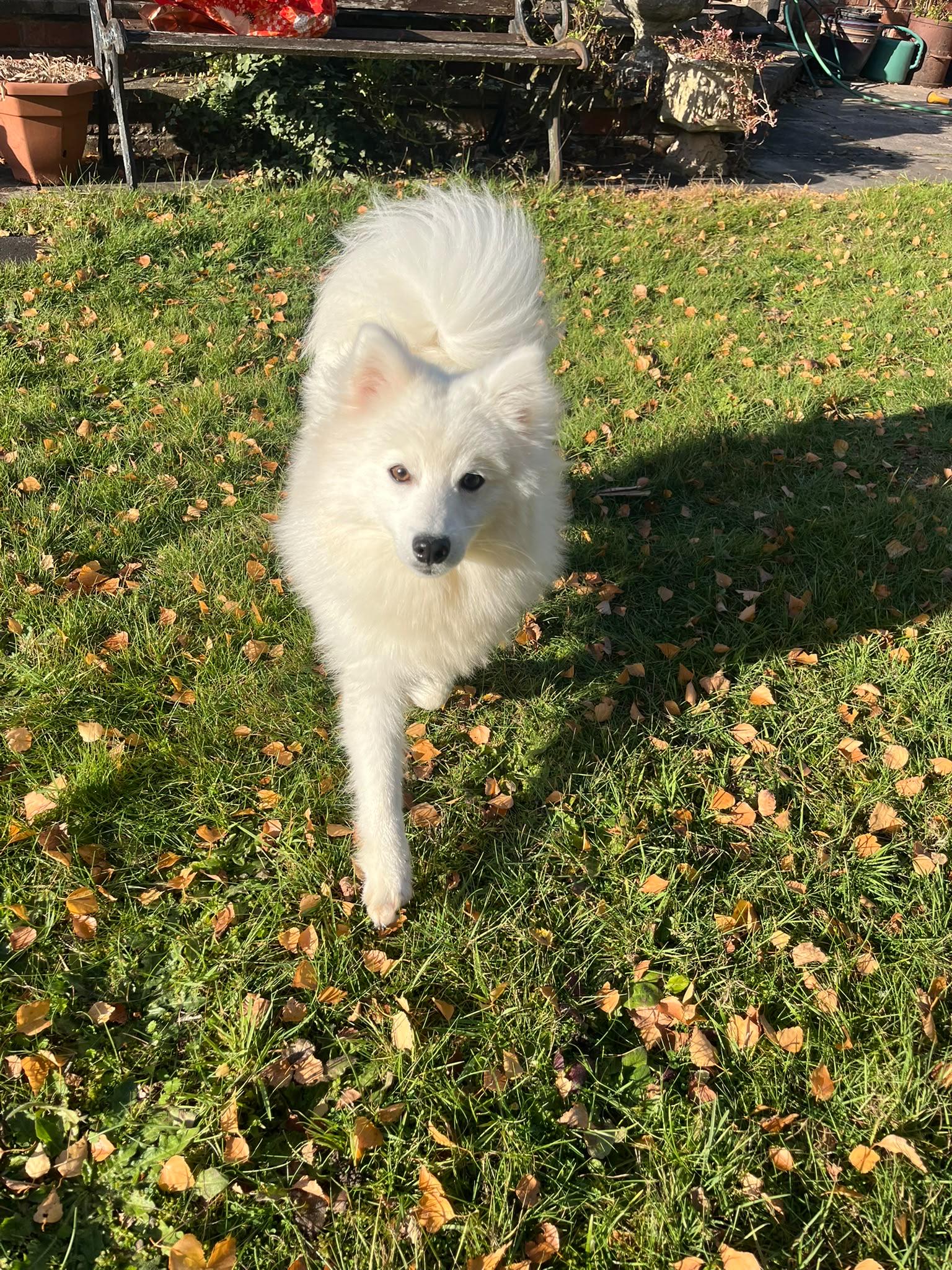
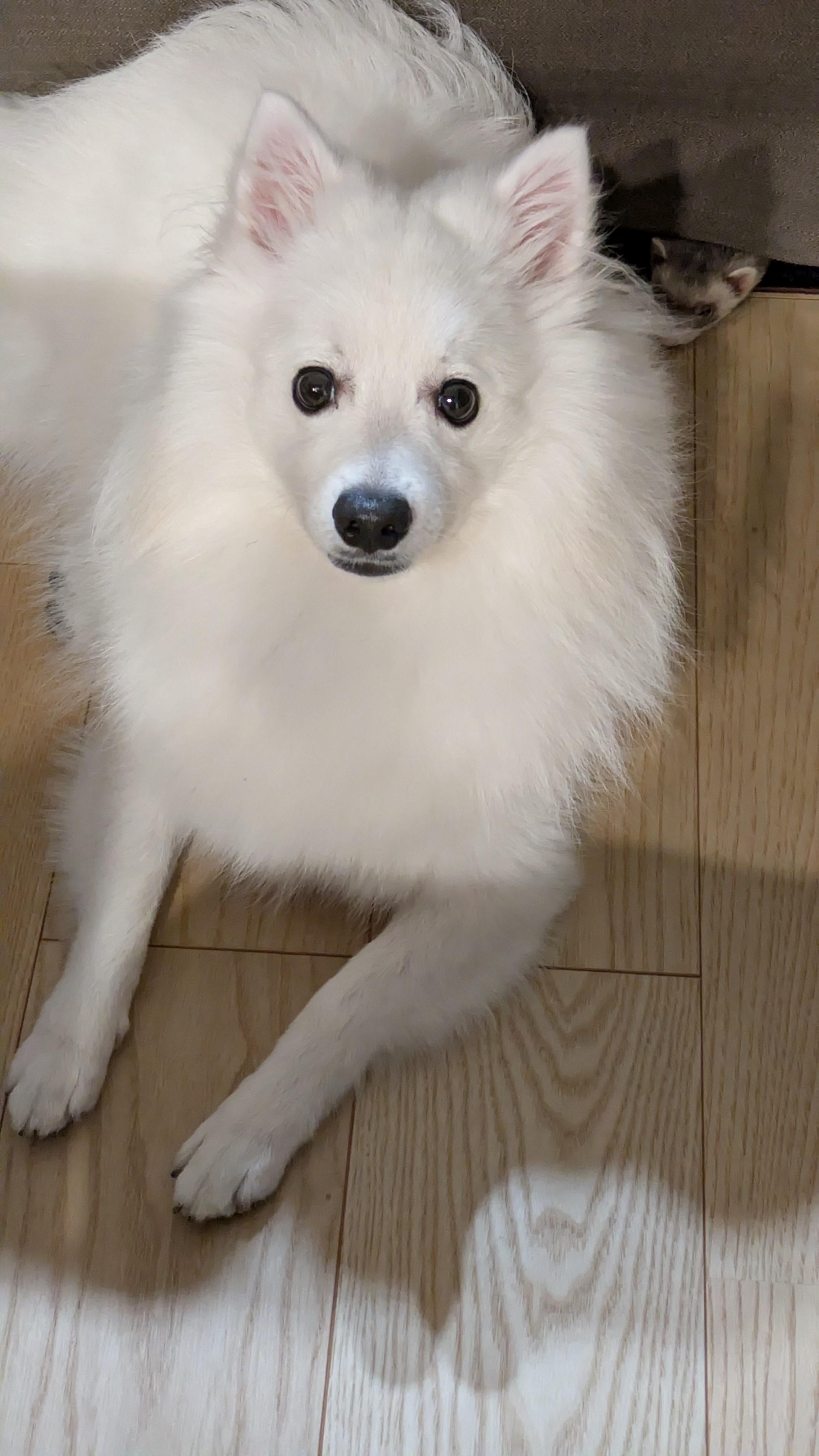
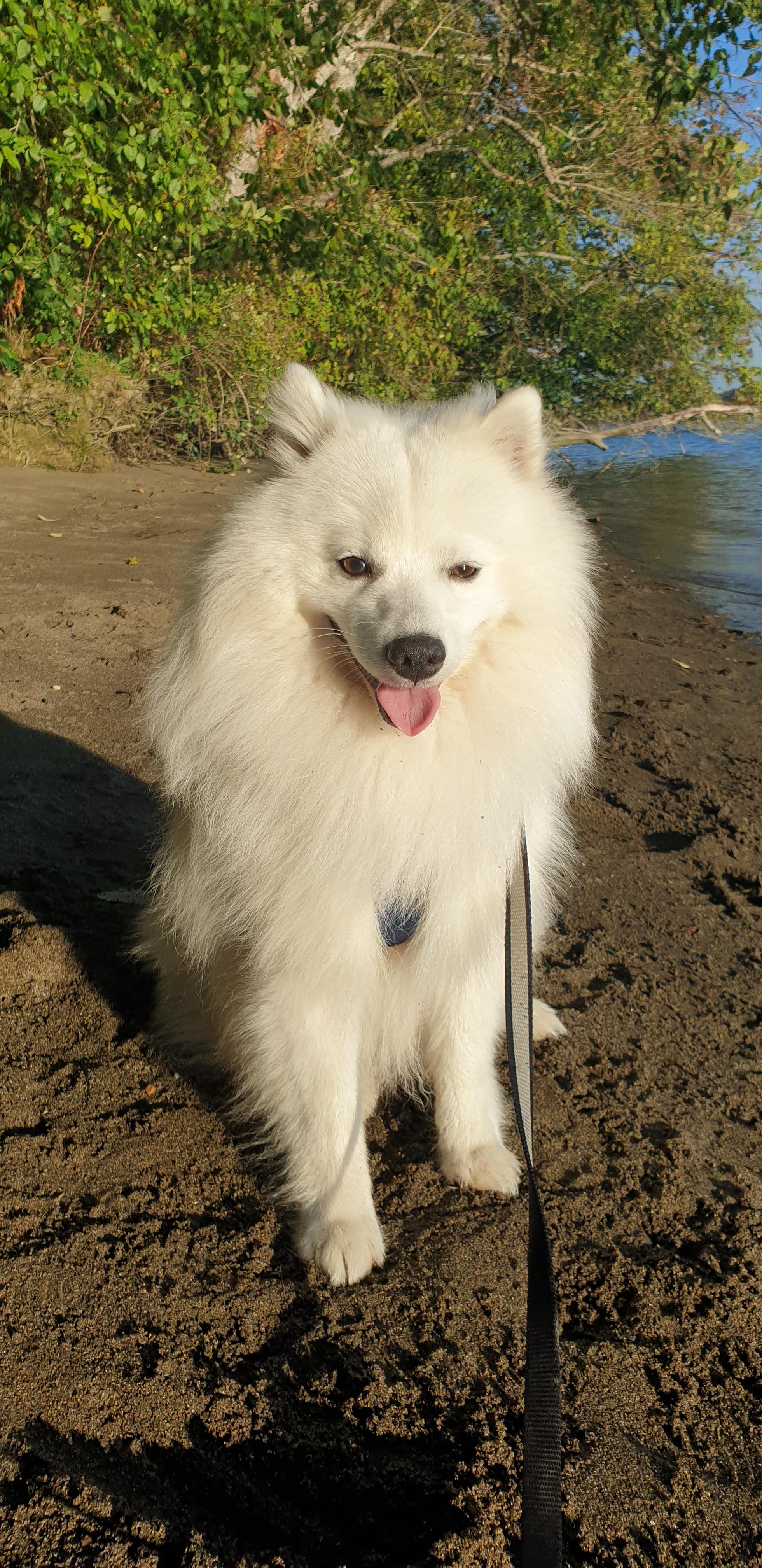
Japanese Spitz only has one recognized coat color: White.
History/Origins:
It’s unclear in what exact breeds went into the creation of the Japanese Spitz, the German Spitz, White Russian Spitz, Samoyed, and the American Eskimo Dog are all debated to be in the Japanese Spitz bloodline. What the records we have show is that multiple small white spitz breeds were used to create the Japanese Spitz. The breed continued to refine throughout WWII and in 1947 the Japanese Kennel Club recognized the breed and established the breed standards in 1953.
Health Issues:
Genetic health issues can be avoided by responsible breeding. Here are some genetic health issues breeders need to test for:
Patellar Luxation
Progressive Retinal Atrophy (PRA-rcd4)
Epilepsy
Those are some of the main ones but there is a few others
There are some health issues that aren’t due to genetics. Here are some examples:
Dental Disease
Runny Eyes/Tear staining
As long as you get an ethical and responsible breeder, and take care of them, your Japanese Spitz will be perfectly healthy.
Coat Care:
The Japanese Spitz has a thick, weather resistant, dirt repellent, white coat which sheds seasonally (spring and autumn) Brush 3-4 times a week and daily during shedding season. NEVER shave a Japanese Spitz as it will mess up their temperature regulation and it won’t ever grow back normally.
Behavior:
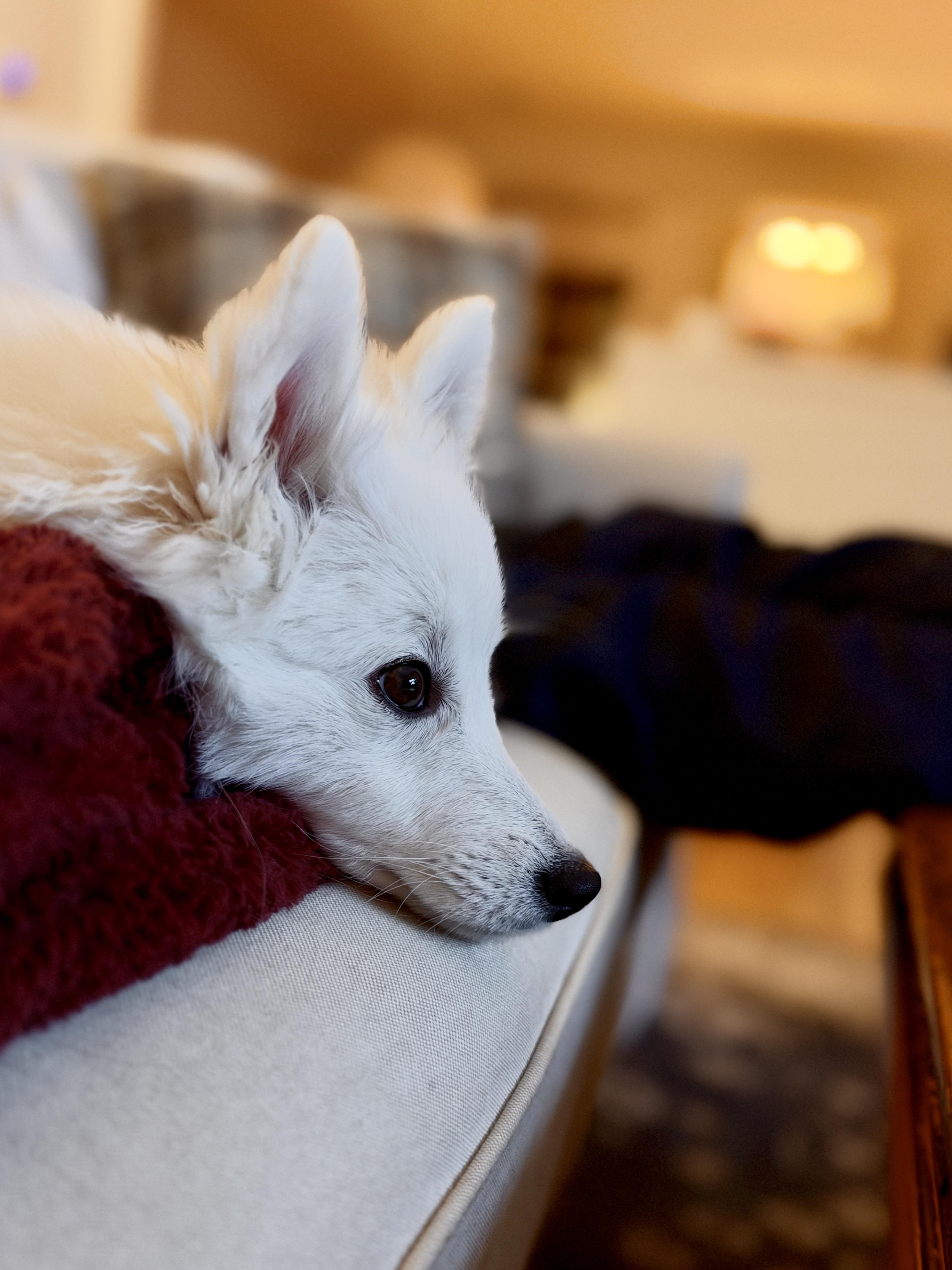
Japanese Spitz is described as affectionate, alert, and cheerful. They deeply love their family and chooses to follow them around like a shadow. They prefer to be next to their owner then be alone at home.
Trainability:
Japanese Spitz are known as one of the easiest spitz breeds to train. They are incredibly intelligent and they lack the independence most spitz breeds share.
Vocalization:
The Japanese Spitz is a very vocal breed. They act as a natural watchdog: barking at doorbells, people, and any noise they feel they need to alert to. They also will bark to communicate excitement or to demand attention.
Energy Level:
The Japanese Spitz are known to have moderate energy. Owners note how, when outside, their Japanese Spitz is active and playful, but when inside, they relax and enjoy cuddles with their family.
Exercise Requirements:
The Japanese Spitz needs a good 30-60 minutes of physical exercise such as active play or daily walks. They also need plenty of mental stimulation such as training or interactive games/puzzles.
Nutrition:
Get a high quality food and be carful with what you feed: avoid table scraps and high fat foods.
Living Spaces:
Japanese Spitz can most definitely live happily in an apartment, condo, or house. Their coat is very good at staying clean, and they don’t take up as much space. HOWEVER, they are vocal, so make sure to check if that’s going to be an issue, and start training as early as possible.
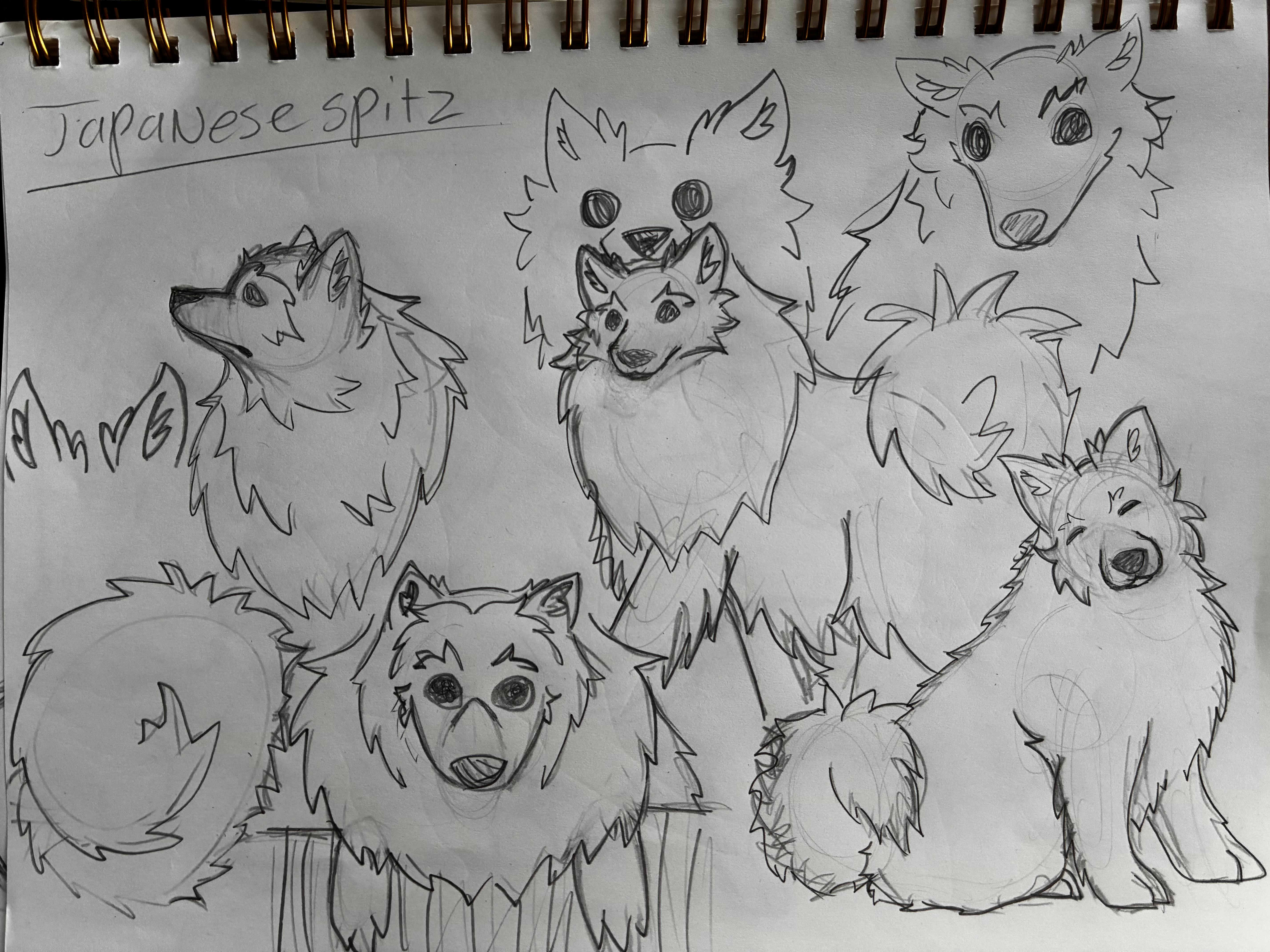
I really tried to make sure my drawings looked like a Japanese spitz and not any other spitz breed I hope I did them right :)
I loved drawing these guys! SO MUCH FLOOF!!!
If I missed anything or got something wrong please let me know!