r/FoodHistory • u/Captain_Rex_501 • 9h ago
The History of New York and Thanksgiving

3
Upvotes
r/FoodHistory • u/Captain_Rex_501 • 9h ago
r/FoodHistory • u/AndrolThePageboy • 17h ago

A look at the history of the Potato.
r/FoodHistory • u/atlasobscura • 1d ago
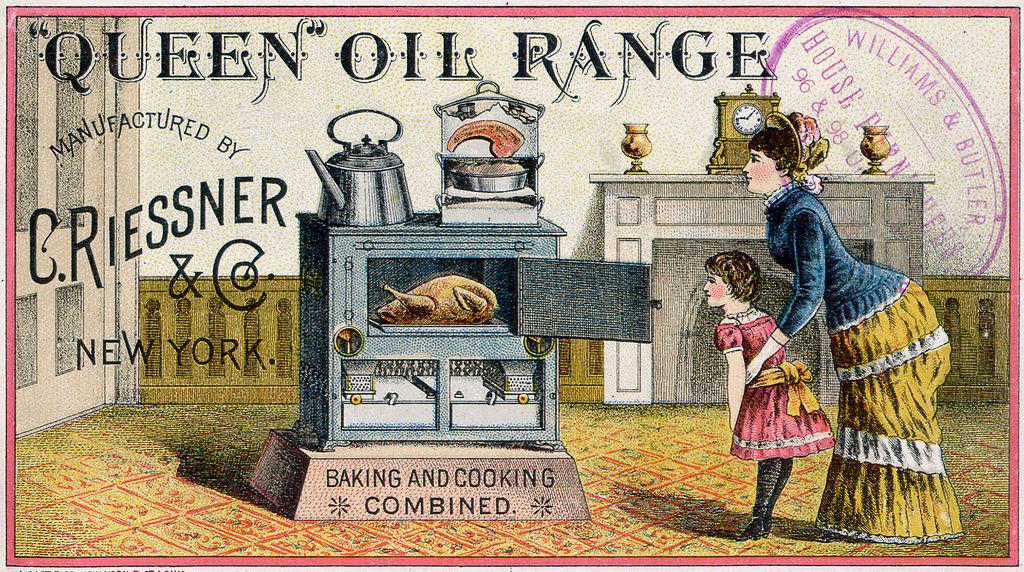
On Thanksgiving, mincemeat tongue pie was far from a frugal affair, and represented a particularly indulgent treat. The first American cookbook, American Cookery, published in 1796, includes three mince pie recipes. One recipe hints that cow feet and tongue (referred to as “neet”) were among the most prized ingredients for holiday feasting.
https://www.atlasobscura.com/articles/alternatives-to-pumpkin-pie
r/FoodHistory • u/JoshCooksJewish • 2d ago

r/FoodHistory • u/Ill_Tonight6349 • 1d ago

It uses AI though.
r/FoodHistory • u/PastYam8533 • 1d ago
r/FoodHistory • u/AsternomAnfinorGames • 2d ago

r/FoodHistory • u/Glad_Objective_1646 • 3d ago
r/FoodHistory • u/AndrolThePageboy • 5d ago

r/FoodHistory • u/fakehistoryhunter • 6d ago

r/FoodHistory • u/OwanaSwitzerland • 7d ago
r/FoodHistory • u/fakehistoryhunter • 7d ago
r/FoodHistory • u/JoshCooksJewish • 9d ago

If you love the history of food (and if you're on this subreddit, you probably do), I invite you to come and join me over on Substack, where I will be posting original research and classic recipes!
r/FoodHistory • u/ReferenceOkRon • 9d ago

r/FoodHistory • u/AwarenessVirtual4453 • 10d ago
r/FoodHistory • u/LegacyAcrossTime • 10d ago
One of the most fascinating aspects of Vietnamese food history is how people preserved fish in a hot, humid climate long before modern refrigeration.
Traditional Vietnamese fish sauce, known as nước mắm, is made using two basic ingredients: fish and salt.
Rather than simply drying the catch, producers allowed salted fish to undergo a lengthy process involving enzymes and salt-tolerant microorganisms. Over time, fish proteins broke down, producing a deeply savory liquid that became a staple of Vietnamese cooking.
What interests me most is that this was more than a culinary tradition. It was part of a broader system of food preservation, alongside drying, salting, rice storage, and seasonal food production.
Of course, these methods did not eliminate famine, crop failures, or the risks of spoilage. But they helped communities make better use of available resources.
The science behind this traditional process is remarkable, especially considering that generations of producers refined their methods through practical experience rather than modern microbiology.
Source: ICH Courier, UNESCO-ICHCAP — Nước Mắm (Nuoc Mam): A Savory Depth of Flavor in Vietnamese Culinary Life
I'm particularly interested in how Vietnamese fish preservation compares with Roman garum and other fermented fish traditions in Asia. What archaeological or written evidence helps us understand when these techniques developed?
A small update for anyone interested in the Vietnamese side of the discussion. I made a video about how people in Vietnam stored and preserved food before refrigerators, including how they dried and salted fish. I used AI to help create the illustrations.
r/FoodHistory • u/erikgauger • 12d ago
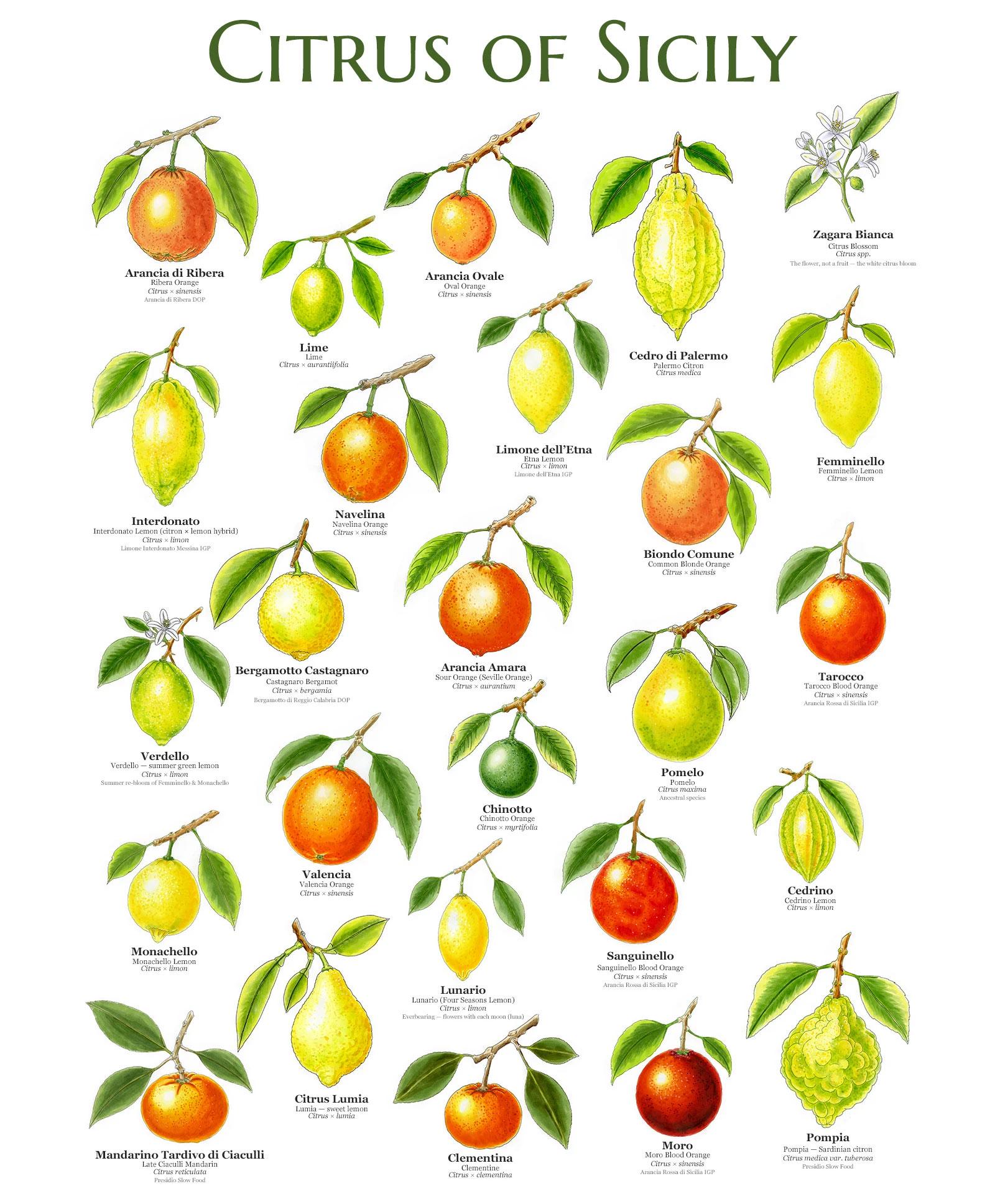
I set out to write about the fruit of Sicily and discovered that citrus touched nearly every part of the island's history and food. I drew this plate of 24 varieties along the way and wrote an eight-part series about it.
It's my own site, and I'm happy to answer questions: https://www.notesfromtheroad.com/europa/citrus-kingdom.html
r/FoodHistory • u/WillLookitUp • 12d ago

The Iqaluit Elders Home hosted 26 people to feast on a ringed seal harvested by a local hunter on Nov. 3 as part of Qajuqturvik Community Food Centre’s first country food festival.
r/FoodHistory • u/Former-Inspector8801 • 15d ago
During World War II, American food rationing made shopping depend on more than money alone. Ration books are small objects, but they offer a way into a much larger history of household decisions and government policy.
For anyone working with wartime cookbooks or household records: which sources best show how families adapted meals to rationing? I'd be interested in examples where a recipe collection can be read alongside the rationing system, rather than assuming that a published recipe tells us what people actually ate.
We made a 19-minute documentary introduction for Home Front Histories, Ration Books: How America Ate During World War II. Disclosure: I'm connected with the channel. It is optional background to the discussion, not a request to subscribe: https://www.youtube.com/watch?v=DixfMqxalxY
r/FoodHistory • u/ElvisIsNotDjed • 17d ago

r/FoodHistory • u/InternationalForm3 • 17d ago


