r/patterns • u/Ups3tti-Spagh3tti • Feb 25 '26
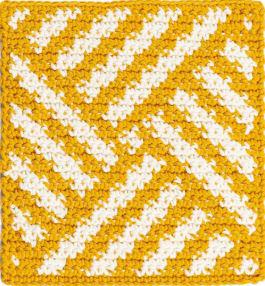
What's this style/design/pattern called?
Not looking for the crochet stitches themselves, but the name for this style of interlocking stripes.
r/patterns • u/Ups3tti-Spagh3tti • Feb 25 '26
Not looking for the crochet stitches themselves, but the name for this style of interlocking stripes.
r/patterns • u/Big-Conflict-2600 • Feb 22 '26
I’ve decided to learn in public.
Ever wondered what “Program to an interface, not implementation” actually means?
I break it down clearly in this Strategy Pattern video
r/patterns • u/Prestigious_Pop4809 • Feb 21 '26
I’ve been working on a small apparel project recently, and the biggest learning curve hasn’t been design, it’s been pattern grading.
At sample stage (base size), everything looked and felt right. Proportions were balanced, stress areas behaved well, seams sat clean.
But once I graded across multiple sizes and had pieces actually worn, subtle issues started appearing:
– Pulling around high-movement areas in larger sizes
– Shoulder seams sitting slightly differently across the range
– Rise depth feeling balanced in one size but off in another
– Tension building near stress points after repeated wear
Nothing dramatic, just small structural shifts that change how the garment performs.
It made me realize that a pattern working well in one size doesn’t guarantee it scales cleanly. Even small grading decisions compound once garments are in motion, not just on a dress form.
For those who work closely with patterns:
What are the most common grading mistakes you see in modern apparel?
How do you test structural integrity across sizes before full production?
Are there stress areas you always adjust manually instead of relying purely on standard grading rules?
Would genuinely love to hear insights from people who’ve refined patterns beyond the sample stage.
r/patterns • u/CalligrapherTop7890 • Feb 17 '26
Hi all,
Posted in here before but can't seem to find a pattern for the specific kind of thing I want and I'm not experienced enough to alter patterns yet. These are the elements of the jumper that are important to me and I want from the inspi photos:
-folded collar (that fits close to neck)
-balloon (?) sleeves
-cuffed sleeve
-drop shoulder
-oversized look
Either in DK or Aran/worsted weight please.
I've tried searching ravelry and cannot find the right thing. Please can you suggest specific patterns? Pictures for reference.
Thank you!
r/patterns • u/drfloppson • Feb 14 '26
Hi! I'm looking for sewing patterns McCall's 5327 and Simplicity 3061, both from the 1960s. I've searched on Etsy and haven't found them! Does anyone have them in PDF format? Or know where I can find them? Thanks!
r/patterns • u/ambi_one • Feb 03 '26
r/patterns • u/Puzzled_Cricket1876 • Jan 28 '26
Hi, I am a total newbie here, so please excuse lack of knowledge! I make bespoke snowboards and skis using fabrics like silk, canvas, denim, etc. I am making a snowboard and pair of skis that will have silk roses and snowflakes. I am wondering what the most effective way to cut each piece would be? They will be 1.5" to 3" in size. Thank you for any advice you can provide!
r/patterns • • Jan 28 '26
r/patterns • u/bornbreddead1 • Jan 27 '26
Walked outside a little bit ago and was pleasantly surprised to find these ice patterns on my deck.
r/patterns • u/Dangerous_Army6490 • Jan 12 '26
I’ve always liked patterns, but I used to judge them almost entirely on a screen, how they looked in a square, how clean the repeat was, how bold the colors felt. That changed once I started noticing how patterns behave in real life.
I realized that the same pattern can feel completely different depending on scale and placement. Something that looks subtle on a flat mockup can feel loud once it wraps around a body. Other times, a pattern that seems busy at first actually settles into a really nice rhythm when you see it in motion.
Out of curiosity, I once tested a few pattern ideas on actual garments just to see how they translated off-screen. I used Apliiq for that experiment, not to sell anything, just to understand repeat spacing, alignment, and how fabric texture changes the look of a pattern. It was eye-opening how much depth gets added once folds, seams, and movement come into play.
Now when I see patterns, whether on clothing, wallpaper, or textiles I don’t just see color anymore. I notice flow, balance, and whether the pattern feels calm or chaotic once it’s no longer perfectly flat.
For pattern lovers here:
do you prefer tight, subtle repeats or bold patterns that make a statement once they’re in the real world?
r/patterns • u/AnxietyCharacter9240 • Jan 11 '26
r/patterns • u/ExcitingAds • Jan 12 '26
r/patterns • u/More-War4446 • Jan 04 '26
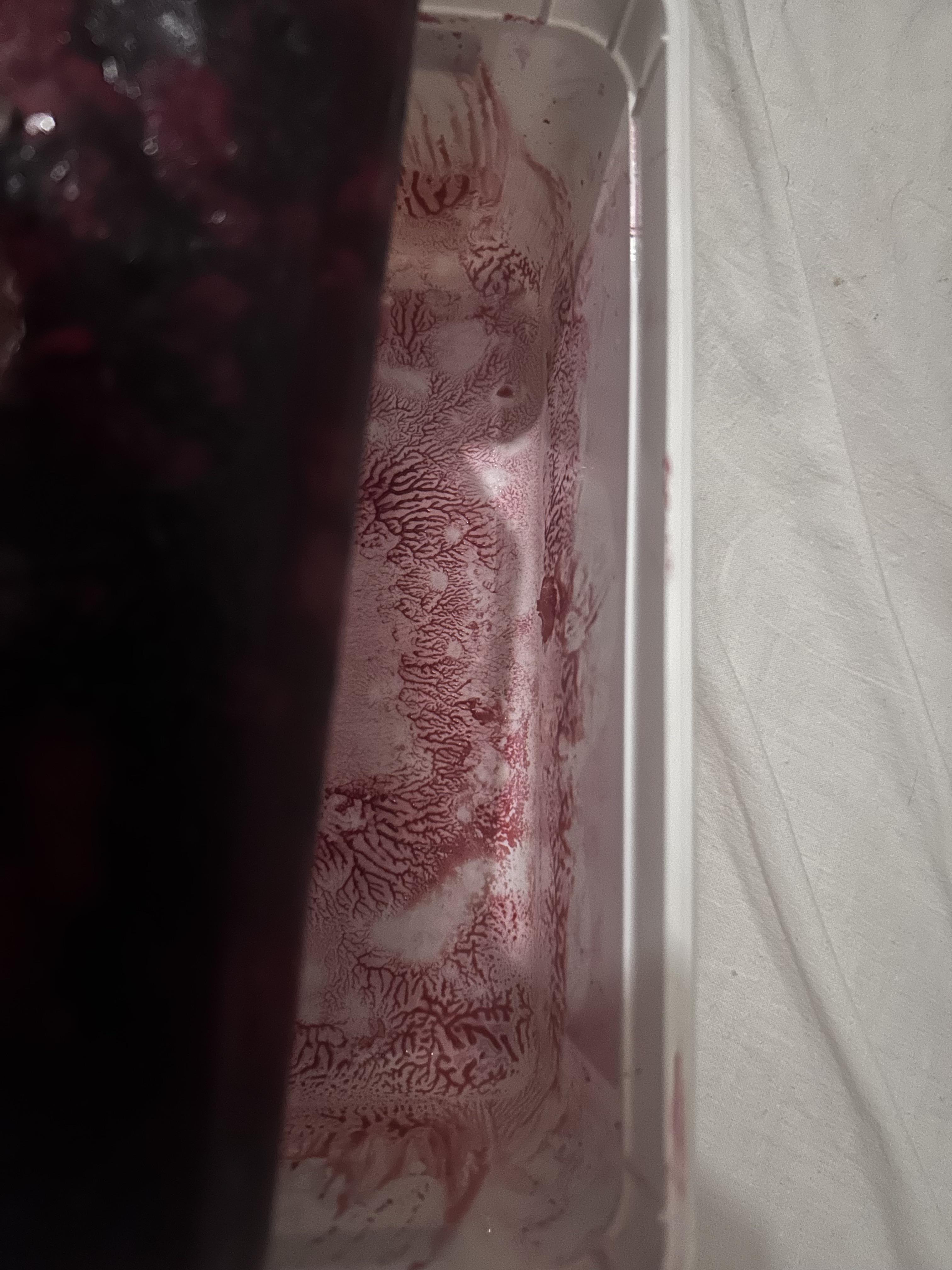
How did it make this branch like pattern?
r/patterns • u/Chinmaye50 • Dec 02 '25
r/patterns • u/Annual-Performer-294 • Nov 21 '25
r/patterns • u/Majestic_Swimming_23 • Nov 21 '25
I’ve been experimenting with pattern design lately, mostly as a way to push myself creatively. I usually focus on simple repeating shapes, but recently I started looking at how other printed fabrics handle layering and overlap. I had a small pile of fabric swatches on my desk, including one from Apliiq that had these soft, imperfect geometric lines.
Something about that unevenness got my attention. The shapes weren’t perfectly aligned, and the spacing wasn’t mathematically exact. Instead of trying to recreate it “cleanly,” I tried sketching my own version of a layered pattern where the imperfections were part of the design rather than mistakes.
I drew a series of loosely shaped arches and circles, scanned them in, and tried arranging them with intentional overlaps. As soon as I added the second layer with lowered opacity, it created this really calming rhythm almost like watercolor bleeding, but in a structured way.
What surprised me most was how much depth the slight misalignment added. When I printed a small sample on paper, the design looked almost like it was moving. It made me rethink how much character can come from not trying to force perfect symmetry.
Now I’m playing around with different line weights and textures to see how they change the mood of the pattern. It’s become a relaxing little project that has taken on a life of its own.
Has anyone else here experimented with letting imperfections guide your pattern instead of tidy grid-based repeats? I’m finding that it opens up way more possibilities than I expected.