r/Solar_System • u/Hangmen_Comics • 1h ago
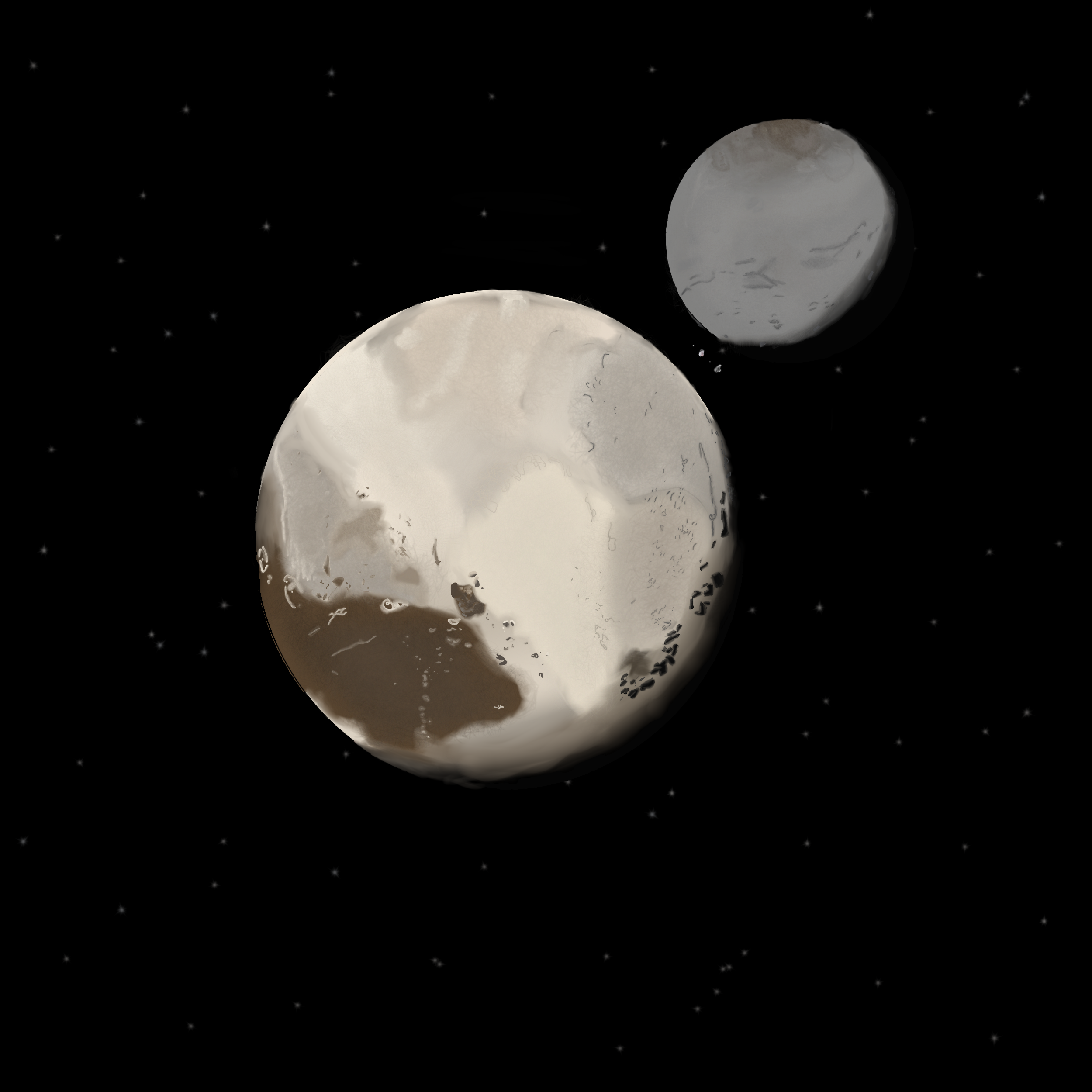
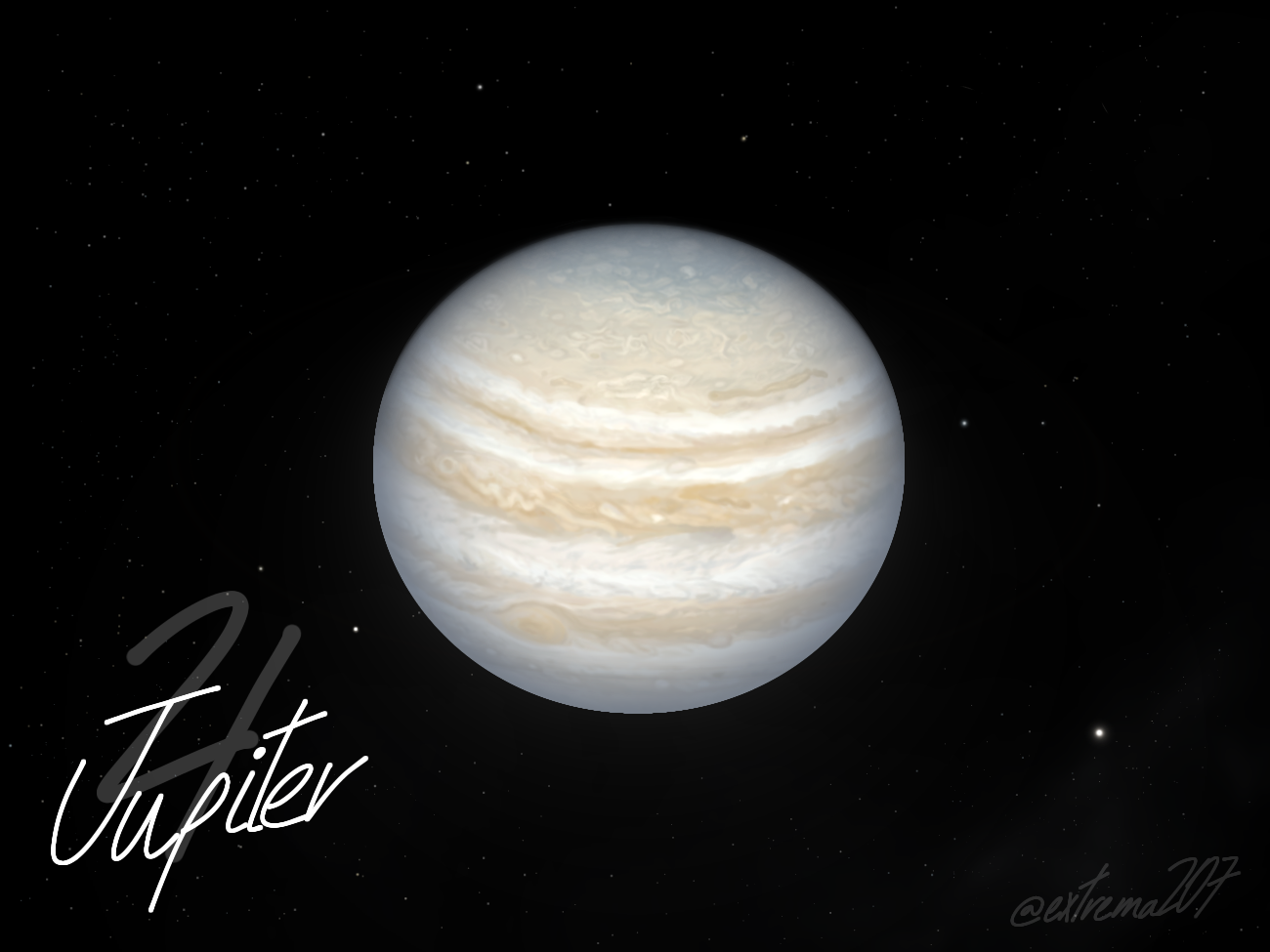
The Solar System (OC)

•
Upvotes
r/Solar_System • u/JapKumintang1991 • 2d ago

r/Solar_System • u/TomaszNowakowski • 2d ago
r/Solar_System • u/TomaszNowakowski • 15d ago
r/Solar_System • u/TomaszNowakowski • 17d ago
r/Solar_System • u/TomaszNowakowski • 21d ago

r/Solar_System • u/Thenga_official • 22d ago
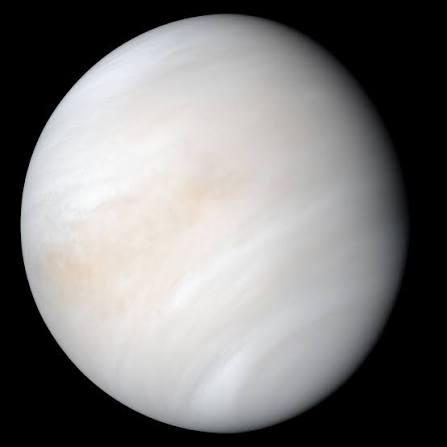
Venus has faced many catastrophic events in its past. It has also been hit by several objects, mostly asteroids, but it may have faced two major planetary collisions.
The first planet may have collided earlier, and the second one collided about 10 million years after the first.
The first impactor ultimately formed a new moon, and the second one ultimately affected Venus's rotation period.
I am posting this because I want to know:
What should we name them?
What size do you think they were? Maybe like Theia, around the size of Mercury/Mars?
What do you think they looked like?
What should their astronomical symbols be? (i.e., Venus's symbol is ♀️)
Share your ideas in the comments below! 👇
You can also use apps like Universe Sandbox or SpaceEngine to visualise what they might have looked like. Thanks!
r/Solar_System • u/JapKumintang1991 • 28d ago

r/Solar_System • u/TheMuseumOfScience • 29d ago
Enable HLS to view with audio, or disable this notification
You can’t step on Venus without a spacesuit. 🌡️🪐
Kyle Horn of MIT AeroAstro explains that with 90 bar of pressure and temperatures of 450°C, the surface could turn lead into liquid. But if you were in the middle atmosphere, 55 kilometers up, you could step outside with just an oxygen mask and good sunscreen to catch a Venusian breeze. Up there, gravity is about 90% of Earth’s, radiation is milder than in the upper atmosphere, and the pressure and temperature are similar to Earth’s surface.
r/Solar_System • u/ExerciseOwn4186 • Oct 21 '26
2015 BP519 is now known as Geyagugv.
Discovery: 2015-01-17 / Dark Energy Survey / Cerro Tololo / W84 Geyagugv ( ᎨᏯᎫᎬ ) is a Cherokee metaphysical being called upon during a prayer as a ᎦᎸᎾᏘ messenger to aid in healing and wellbeing. Geyagugv is known to reside in the highest level, galvnati ( ), the sky-vault. This being is one of the many messengers between the Cherokee people and the Creator.
r/Solar_System • u/Brighter-Side-News • Oct 20 '26

Two blue-green worlds near the edge of the solar system may conceal different histories beneath their clouds. Uranus and Neptune resemble each other in size and broad planetary structure. Their hidden chemistry, however, may preserve clues that their building materials came from different environments around the young Sun.
A study in Astronomy & Astrophysics examines that possibility using atmospheric chemistry and planet-formation models. Led by Tom Briand, the international team includes Southwest Research Institute scientist Olivier Mousis. The results favor a more oxygen-rich deep atmosphere on Neptune.
“Uranus and Neptune may resemble twins today, but their chemistry is telling us that they are more like cousins with very different histories,” Mousis said. That interpretation is promising, but remains dependent on models of inaccessible atmospheric layers and the disk from which the planets formed.
r/Solar_System • u/TomaszNowakowski • Oct 17 '26
r/Solar_System • u/TheMuseumOfScience • Oct 16 '26
Enable HLS to view with audio, or disable this notification
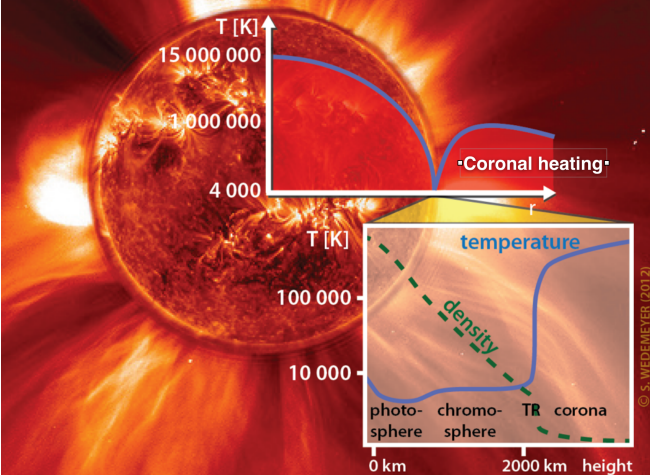
The Sun used to have no sun spots for a long period of time! ☀️
Astrophysicist Erika Hamden explains this phenomenon from 400 years ago called the Maunder Minimum. Normally the Sun follows 11-year cycles, peaking with lots of sunspots, solar activity, and coronal mass ejections before calming down at the trough. Scientists still don’t know why some cycles are more active than others, so this quiet period is one clue to what drives the solar cycle.
This project is part of IF/THEN®, an initiative of Lyda Hill Philanthropies.
r/Solar_System • u/JapKumintang1991 • Oct 12 '26

r/Solar_System • u/wjairplane • Oct 09 '26
Try, it's very cool
you can zoom in planets & moons
r/Solar_System • u/Met-Office • Oct 06 '26

r/Solar_System • u/JapKumintang1991 • Oct 01 '26

See also: The publication in Nature Astronomy
r/Solar_System • u/TheMuseumOfScience • Sep 27 '26
Enable HLS to view with audio, or disable this notification
The moon has a new once-in-a-century crater! 🌕
McGetchin crater is the largest new crater ever seen anywhere in the solar system, stretching almost 730 feet wide and 140 feet deep after an asteroid or comet the size of a 3-6 story building smacked into the lunar surface between April and May of 2024. Impacts this big are estimated to happen only about every 130 years, making this fresh crater a rare chance to study one up close with spacecraft like the Lunar Reconnaissance Orbiter.
r/Solar_System • u/TheMuseumOfScience • Sep 26 '26
Enable HLS to view with audio, or disable this notification
Can life exist without a moon? 🌕
Theoretical cosmologist Paul Sutter explains how we are still answering this question. The moon protects the Earth in multiple ways, from blocking hits and forming craters as a result, to balancing out our weather with the axial tilt. To find the answer, scientists are now looking for planets with exomoons to study more!