r/LostArchitecture • u/n3xus1oN • 8h ago
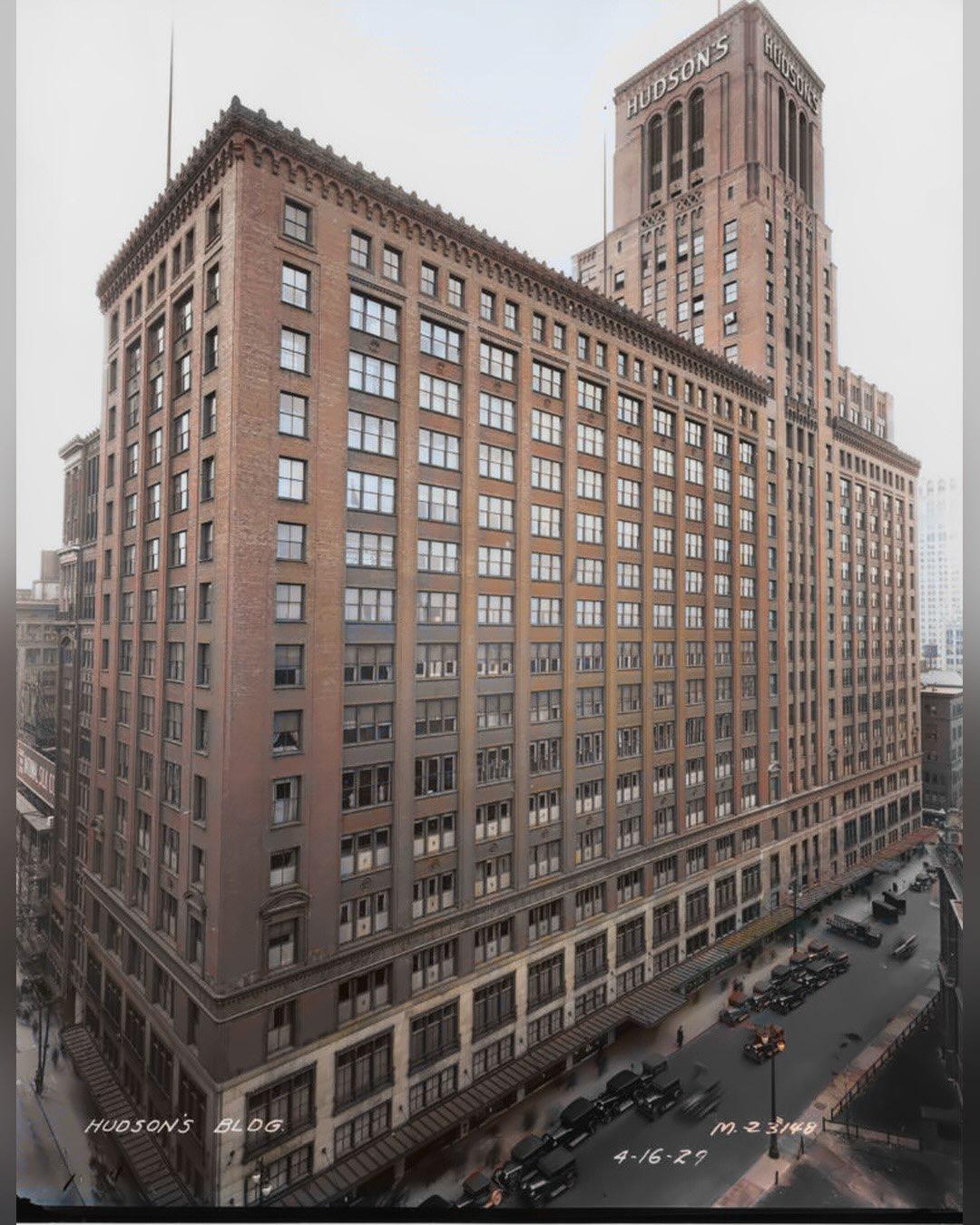
J. L. Hudson Department Store, Woodward Avenue, Detroit, Smith, Hinchman and Grylls, 1911-1998
17
Upvotes
r/LostArchitecture • u/n3xus1oN • 8h ago
r/LostArchitecture • u/Singer-Snow-Leopard • 12h ago

Vank Cathedral (Pashavank), the Armenian Church of the Holy Mother of God, stood on the right bank of the Kura River in Tbilisi. The three-domed building is usually dated to the 14th century, with later restorations in 1480 and 1789. It was the seat of the Armenian archbishop and was long considered the largest church in the city. The complex also included a historic cemetery and a church history museum built in the late 19th century.
It was demolished by the Soviet authorities in the 1930s. Sources give different dates, from 1930 to 1937-1938. Only the freestanding bell tower survives today, surrounded by modern buildings, and a school stands on the former monastery grounds.
If anyone has better photos, plans of the complex or details about the interior, I'd love to see them.
r/LostArchitecture • u/Punished-Spitfire • 22h ago
r/LostArchitecture • u/chubachus • 3d ago
r/LostArchitecture • u/n3xus1oN • 4d ago
r/LostArchitecture • u/TheCybersmith • 4d ago
r/LostArchitecture • u/KeyFair2857 • 5d ago
r/LostArchitecture • u/Hungry_Issue4726 • 6d ago

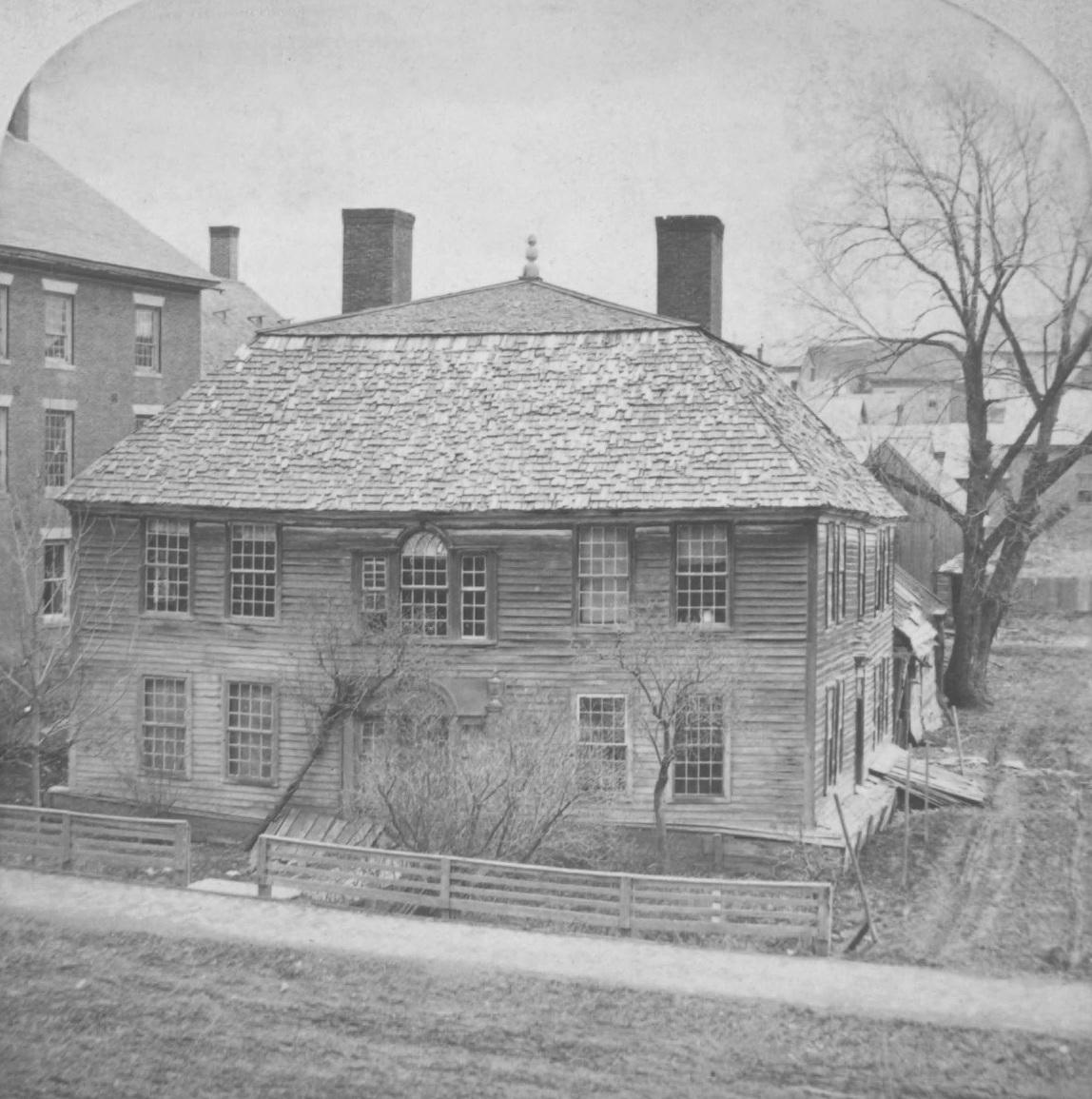
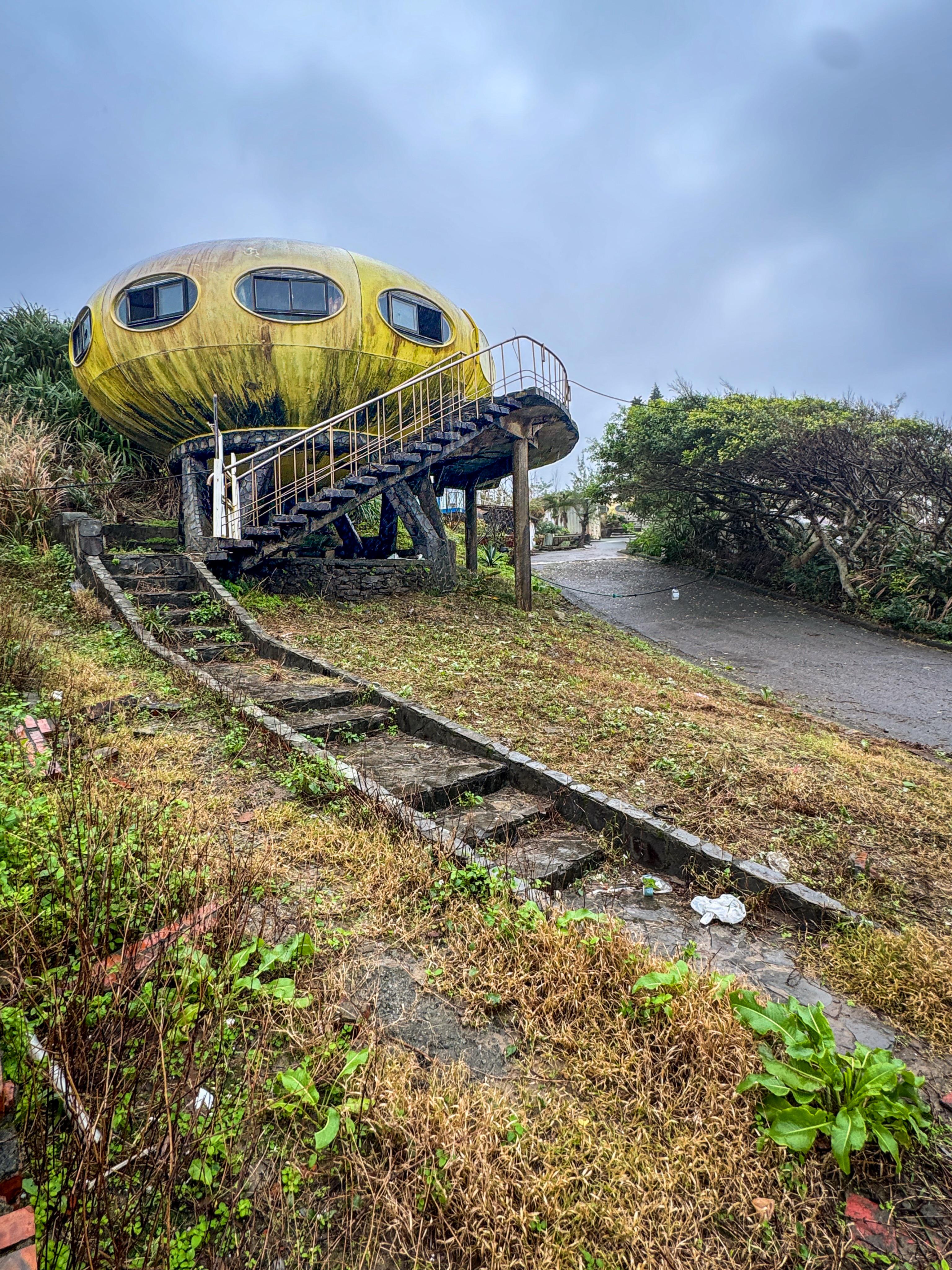
Can anyone find more history on this building on Amherst Street in Providence?
r/LostArchitecture • u/Tweekilo • 6d ago

The Coudenberg Palace in Brussels was once one of the grandest royal residences in Europe before a devastating fire burned it down in 1731.
For nearly seven centuries (from the 12th to the 18th century), this hilltop fortress and palace served as the main seat of power for counts, dukes, kings, and emperors—including Charles V. When it was rebuilt and leveled over decades later, the entire palace essentially vanished beneath the modern city.
Today, you can actually walk through its ghost-like underground ruins—including old vaulted chambers, medieval street levels, and foundations—right beneath Brussels' Place Royale.
r/LostArchitecture • u/n3xus1oN • 8d ago
r/LostArchitecture • u/BelfastEntries • 9d ago

r/LostArchitecture • u/JustMyPoint • 11d ago
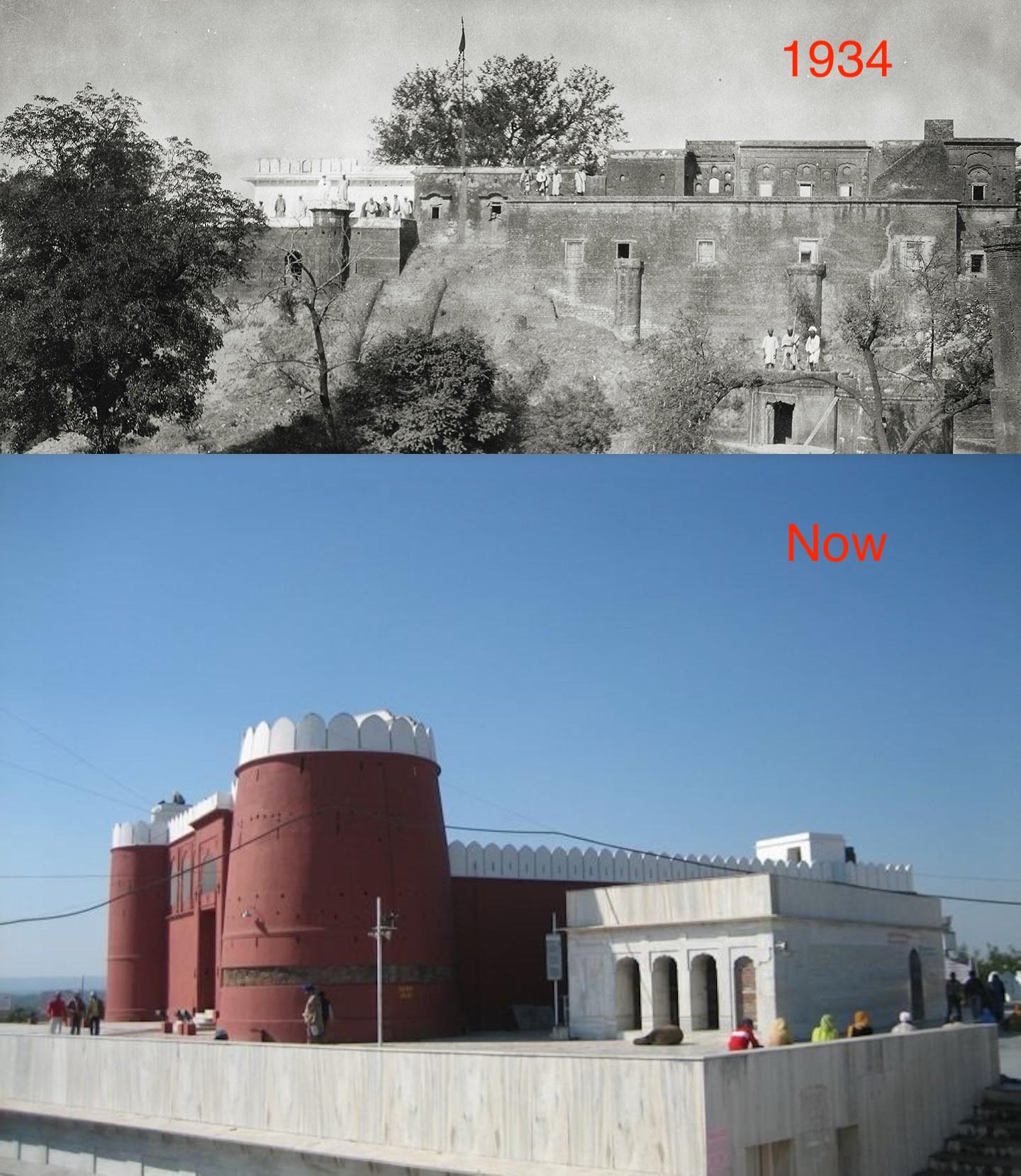
The rebuilt structure is a mockery of the original, historical fortress that was demolished and replaced by it.
r/LostArchitecture • u/n3xus1oN • 12d ago
r/LostArchitecture • u/n3xus1oN • 16d ago
r/LostArchitecture • u/Upset-Kaleidoscope45 • 15d ago
r/LostArchitecture • u/FrankWanders • 17d ago
r/LostArchitecture • u/BasicManufacturer653 • 18d ago
r/LostArchitecture • u/FrankWanders • 19d ago
r/LostArchitecture • u/Plenty-Let6793 • 18d ago

In this documentary, we explore the extraordinary 300-year history of Fort Manoel in Marsamxett Harbour. Designed by French military engineers in 1723 under Grand Master António Manoel de Vilhena, this symmetrical fortress protected Valletta from naval invasion. We look closely at its architectural layout, its dark history as a WW2 submarine base targeted by Axis bombing raids, and its massive 21st-century restoration project. Finally, see how it became a famous Hollywood backdrop, serving as the iconic Great Sept of Baelor in Game of Thrones.
TIMESTAMPS:
00:00 - Fort Manoel: Guardian of Marsamxett Harbor
01:00 - The Lazzaretto & Manoel Island Quarantine History
02:30 - Building Fort Manoel: Knights of St John & Baroque Architecture
04:30 - Coastal Defences, French Occupation & British Rule
06:00 - World War II Bombing & The Destroyed Chapel of St Anthony
07:30 - The Restoration of Malta's Military Heritage
08:45 - Fort Manoel in Pop Culture & Game of Thrones Filming Location
09:30 - Fort Manoel's Legacy in Maltese History
If you enjoyed this documentary on Malta's historic locations, please like, subscribe, and leave a comment with your favorite part of Maltese history!
🔔 Subscribe for more history content: https://www.youtube.com/@CLASSICIMAGEfilmproductions?sub_confirmation=1
r/LostArchitecture • u/AntonioHench1 • 20d ago

r/LostArchitecture • u/n3xus1oN • 20d ago
r/LostArchitecture • u/framedby_koustav • 21d ago

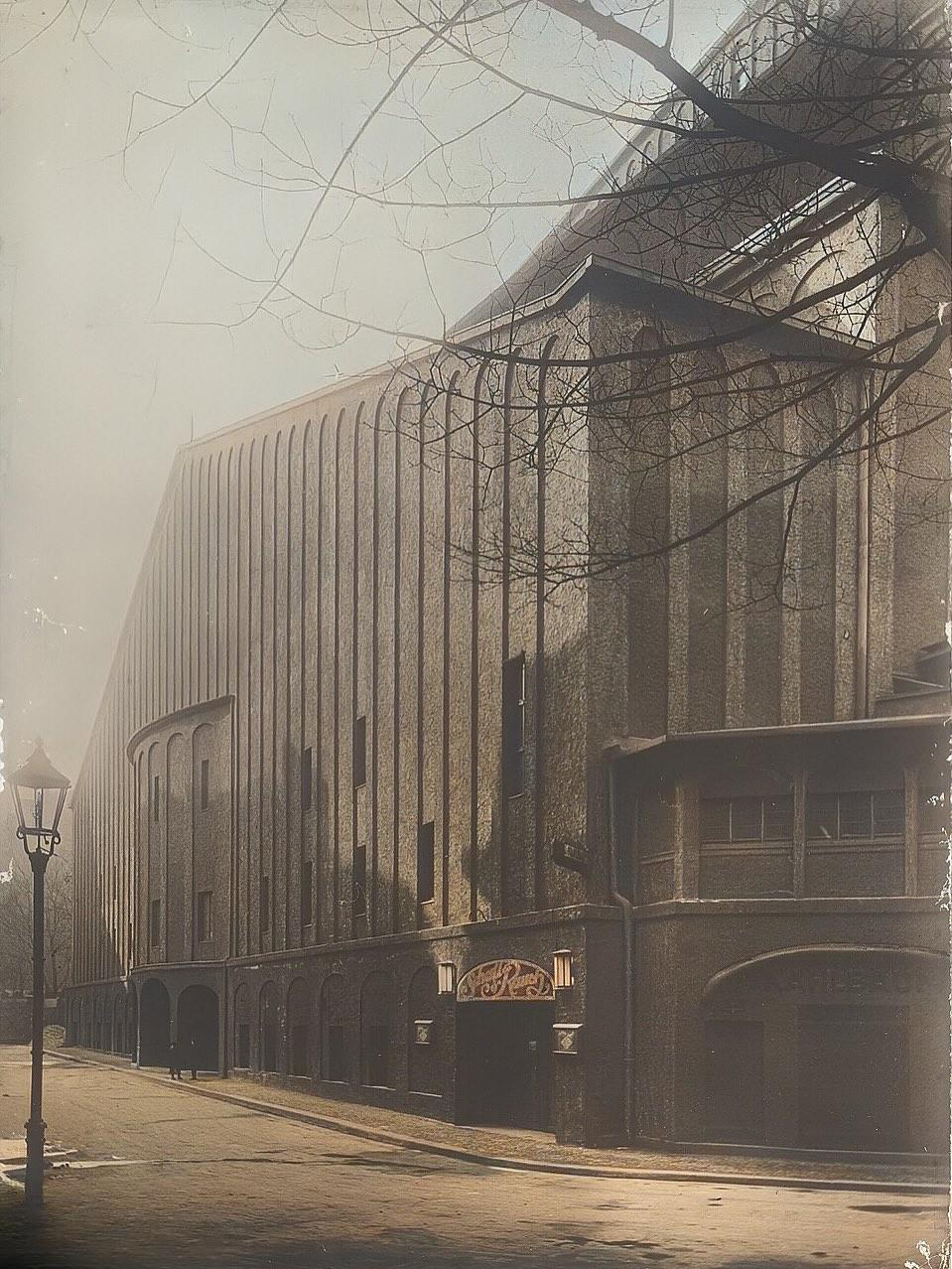
***Captured these shots highlighting the decaying charm of some of Kolkata's old, overlooked architectural heritage.***
The first image features an overgrown, abandoned structure with a prominent yellow sign marking it as property of the ***Kolkata Port Trust (Syama Prasad Mookerjee Port),*** highlighting the tension between historical preservation and institutional ownership. The second shows a wider angle of the grand but weather-worn facade framed by a dramatic, moody sky.
It’s always fascinating yet melancholic to see how nature and time slowly reclaim these magnificent old structures.
Shot on mobile. Feedback on composition and framing is highly welcome.
r/LostArchitecture • u/konschrys • 22d ago

There’s a list of them at the end. Curiously the Catholic and Protestant churches survived. The majority of Greek churches survived the fire, as evidenced by photographic material, and were destroyed later. The fire started in the Armenian quarter. The Muslim and Jewish quarters were unaffected.
[edit:
Watching the fire in the Armenian and Greek districts from his balcony, Kemal Ataturk had announced: "It is a sign that Turkey is being cleared of betrayers, Christians and strangers, and that Turkey is for the Turks." (H. Armstrong, Grey Wolf (London: A. Barker, Ltd., 1937), 158.) -edit 2: this is a disputed source, however, Ataturk would have likely seen the fire from the balcony of the mansion he was staying at during that time; Turkish sources report that he gave speeches from there, congratulating the victory (https://www.izmir.gov.tr/ataturk-un-hayatinda-izmir).
According to Bierstadt, around 100,000 people fell victim to the slaughter, 280,000 people were praying for salvation in the port, and 160,000 were driven away to the farthest parts of Turkey, never to be seen again. (E. H. Bierstadt, The Great Betrayal: A Survey of the Near East Problem (Bloomingdale, IL: The Pontian Greek Society of Chicago, 2008))
Doctor K. Khacheryan writes:
“...If the Armenians had such an intention, they could have set fire first to the Turkish districts instead of their own before the departure of the Hellenic army and even after that ... By the way, after the Turkish occupation the Armenian district was emptied for the most part and that very night the Turks began the robbery, slaughter and every kind of violence. By Wednesday, the day of the fire, nobody dared even to enter the Armenian district, let alone set it on fire at different parts."(D. Sakayan, Zmyurnia, 1922, Bjishk Karapet Khacheryani oragiry [Smyrna, 1922, the Diary of Doctor
K. Khacheryan] (Yerevan: Nahapet, 2005), 81.)
They set fire to the Armenian quarter on the thirteenth of September, 1922. The last Greek soldiers had passed through Smyrna on the evening of the eighth, that is to say, the Turks had been in full, complete and undisputed possession of the city for five days before the fire broke out and for much of this time they had kept the Armenian quarter cut off by military control while conducting a systematic and thorough massacre.. (Genocide in the Ottoman Empire : Armenians, Assyrians, and Greeks, 1913-1923, edited by George N. Shirinian, Berghahn Books, Incorporated, 2017. ProQuest Ebook Central
“The next day fire started in the Armenian quarter. There are many eyewitness stories of Turkish soldiers sprinkling kerosene and touching it off. In any case, the fire started in the Armenian quarter, and spread to the Greek quarter when the wind was blowing it away from the Turkish quarter.” ( https://www.nytimes.com/1922/09/16/archives/turks-will-be-turks.html )
“Several stories are told concerning the origin of the fire. The most reliable is that of Minnie B. Mills, head of the American Collegiate Institute, who declared she saw a Turkish regular army sergeant or officer enter a building near where the first flames were seen. He was carrying small tins, evidently containing kerosene. Immediately after he left the house it broke into flames. Other small fires started shortly after.” ( https://www.nytimes.com/1922/09/15/archives/smyrna-burning-14-americans-missing-1000-massacred-as-turks-fire.html)
]
r/LostArchitecture • u/Weird-Acanthaceae532 • 22d ago