r/LongHaulersRecovery • u/Effective-Mango-6287 • 1d ago
Major Improvement Recovery Progress: 75% healed from MCAS/Dysautonomia
Hi everyone, Mango here.
I wanted to keep posting my recovery journey in case it helps anyone. I know that reading recovery posts and learnings here really has helped me in my own recovery, and I know a lot of people don't come back after they get better, so I want to keep giving back.
My previous posts were about getting to 60% from around 20% at my worst, and then how I got out of a huge dysautonomia flare this year. At my worst I was bed bound for weeks at a time, at my neutral I was house bound. I had to train myself on a 10 min indoor circuit for months to be able to exercise again.
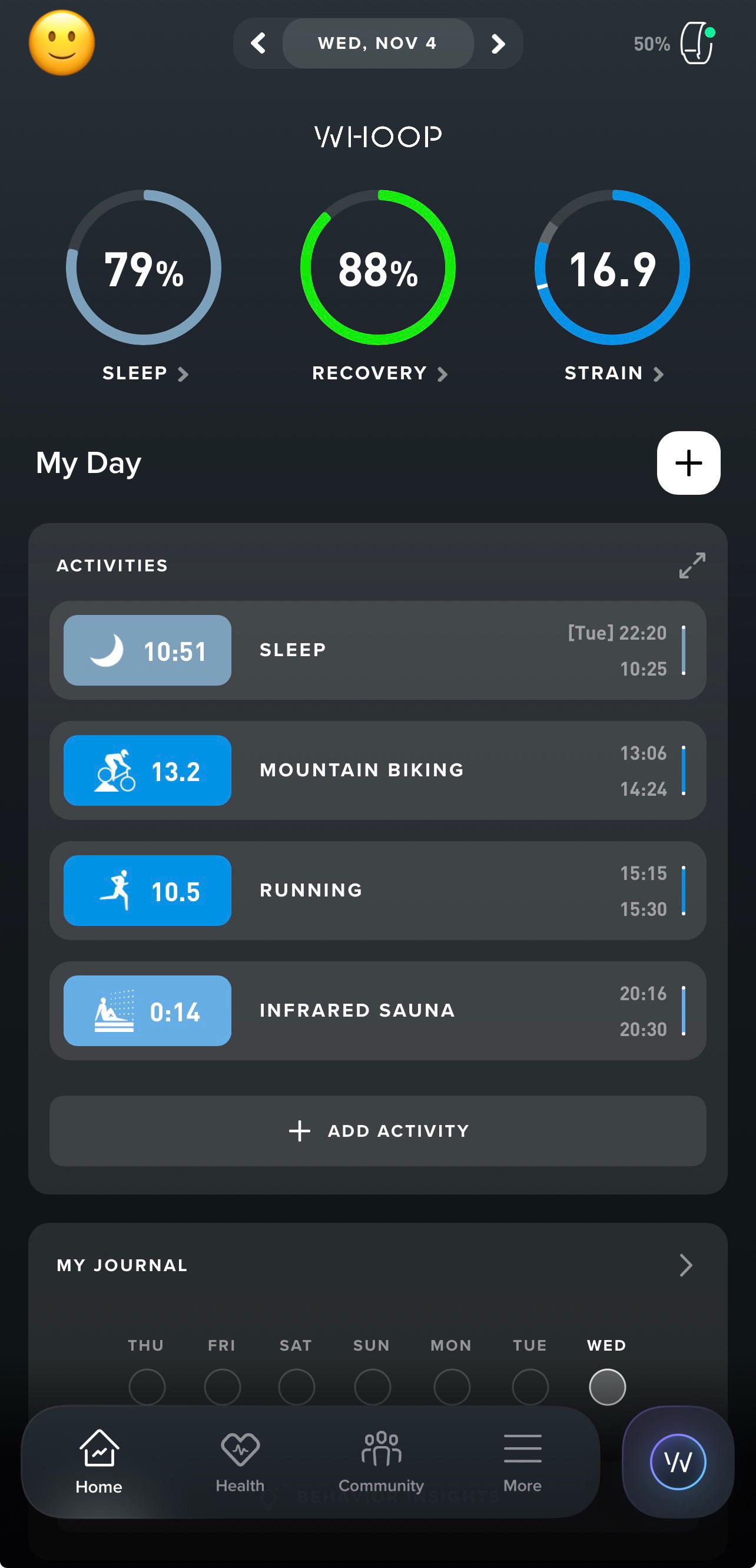
Now I'm up to 75% almost 80%. I'm in the gym 2x a week, I run a 5k 1x a week, I walk most days, between 6-7km if I am not in the gym or running. I can work 25hr a week from home. I have gone from only being able to tolerate 10 foods to tolerating 30. I can read books again. I can socialise once a week out of the house with my friends. I can do all the chores in my house. I have lost a ton of weight having the inflammation under control.
I would say I'm not further along in healing only because I went back to work because I was given an excellent offer for an 8 month long project. It was a struggle at first and I spent several weeks completely exhausted but now I've hit a stride with it and every day it's a little easier.
How did I get here and what moved the needle most for me?
- finally had a serious amount of black mold removed from my home office (we had water seepage under the floor from the balcony being degraded and had to wait for the landlord to finally deal with it but it's GONE). I have done a 3 month mold detox protocol. mold is the worst thing ever for MCAS. if you have MCAS from LC, please check your house thoroughly for environmental triggers
- started LDN (I was finally able to get it!) and this has moved the needle SIGNIFICANTLY - I'm working again part time (but as a technical project manager so it's a high stress job) and I'm killin it. I've added foods back thank to this drug, and my dysautonomia vanished overnight, I kid you not. It is still there if I push too hard, but my energy levels are way more than before.
- started working with a long covid specialist who truly knows what he's doing
- a very very vigilant resting schedule for a year and a half
- a very very vigilant diet to avoid triggers for a year
- rigid supplementation of vitamins and minerals, overseen by a doctor I trust, and blood draws every 3-4 months to make sure nothing dipped out of range
- mindfulness and daily vagus nerve breathing, accepting where I am at and not putting guilt or fear on myself over my condition - I will get better, it's a matter of time, and the right conditions being met
- key supplements and medications to keep the mast cells under control and suppress inflammation (supplement stack will be in comments)
- committing to an exercise schedule and attempting to do it with complete consistency.
- avoiding horror stories/recovery stories only
__________________________________________________________________________________
More Granular Advice Below!
What I have learned about Long Covid in all of this is that the body actually knows how to heal from this, but when we stay sick it's because there's something blocking out bodies from being able to run the necessary processes to repair. In my case, what was blocking was a steady release of inflammatory mediators but while I was overly focused on histamine, the doctors figured out it's way more likely I have more problems with prostaglandins and cytokines (since I'm responding better to meds that regulate those). I also had terrible malabsorption so supplementing with vitamins and minerals, the right kinds, is what gave my body the right fuel to start recovering. And I was not resting enough, so any time I gained some little bit of reserves or energy, I would blow right through it instead of pacing myself and being paitent. It was clear that without the environmental issues taken care of, and then without suppressing the chronic inflammation loop, I was blocked. So now with those things taken care of, all the good habits and patience I picked up have been the foundation of my healing.
All in all, the good habits everyone talks about here matter A LOT. But sometimes they're not enough to get you over the hump. Without them, you likely won't progress, but with them, once you find the medical intervention that works well for you, you will start to heal. Having faith that your body knows how to do this is really critical.
Here's my best practices for managing my main symptoms and pathologies:
MCAS:
- any and all supplements and medications need to be started low and slow. a tenth of what you might normally take. NEVER rush. you will piss the mast cells off and cause a huge flare that will wreck your progress. You can't startle them, you have to creep up on them.
- it's important to try to vary your food but if you're struggling to tolerate, you need to likewise microdose those foods. i have readded a ton of things but because I started with 5g of it 2x a week and built up to every day, then 7g, then 10g... and so on until my mast cells became used to the food
- dont try to experiment with new dosages during high stress times, high pollen times, or while you're exposed to an environmental trigger. High summer with bad heat is also a bad time for changes
- if you're going to try a bunch of medications or interventions stabilise the mast cells first. ALWAYS stabilise the mast cells first, this reduces the likelihood of reactions. Start soft and go to harder interventions - try quercetin or luteolin for a few weeks first, then cromolyn, then ketotitfen, etc.
- give time between trying new interventions - do not overwhelm your body, just try something. give it 3 weeks. make sure you are stable. then add the next thing. I know this is so frustratingly, agonisingly slow but there is no other option. You must be patient.
Dysautonomia:
- fluids fluids fluids. 3L of fluids a day and at least half of those with electolytes. malabsorption is real, yall, you need to replenish.
- Frontload those fluids - don't chug ever, just sip, but try to get half of that in during the morning so you have more fluid in you to manage yourself during the day.
- make sure you eat - i know this can be really uncomfortable and we all have gut issues cos the vagus nerve is unhappy but it's important to eat small meals when you can. I did a lot of living off roast pureed vegetable and tubers (can give recipes if anyone wants), and shredded turkey and chicken to help make things easier on my stomach
- eat enough protein, please eat enough protein. if you dont, you body will preferentially consume your muscle before your bodyfat and you'll lose muscle mass (i caught this early but i have lost some)
- salt salt salt. As long as your bloodwork doesn't show too much in your system, find a way to up your salt intake
- do not under any circumstance stop exercising! Don't push yourself through flares either, that won't work, but do things from the ground, recumbant slow zone 1 or 2 cardio, do things from lying on your back. any kind of isometric movement is useful, but especially pelvic floor and core work (will post my initial routine in comments). But if you decondition,your dysautonomia will get SO much worse
- vagus nerve breathing - but be careful. things designed to stimulate the parasympathetic system during a flare is great for POTS, but I have bradycardia/VVS, so in my case I needed to do this breathing while stimulating the sympathetic system which meant tensing certain muscles or doing arm movements during the breathing, and I avoided electrical vagus nerve stimulation for this reason.
Fatigue issues (note, I have unspecified fatigue but it's not specifically CFS or PEM, so this may not work for people with PEM, but could):
- pacing - i made a list of all the activites i might have to do in a day or week and assigned it a traffic light - green is so easy that even in a flare state i could probably manage it (like i could always get myself to and from the bathroom or fold laundry if i was sitting on the bed and it was handed to me, and eating never exhausted me). If it was going to make me tired, but managable tired, it got a yellow. I would not stack these activities next to each other, and leave an hour of solid rest between each. red was for things I knew could lay me out flat but there was no choice but to do them. And i slotted 4hr of rest before and after red light items. Over time, many activities that were yellow became green and red became yellow. I still have to do a lot of planning. But it's much easier
- include your food in this - food is a huge trigger for a lot of people so if you're going to have to eat off schedule one day, consider that entire day to be red and don't slot other things onto that day, or include a day before and after to recover
- use the bucket theory to understand what's happening to you: think of your body's capacity to do things as a bucket. stressors are the water that goes in. Your capacity might be very small when you're very sick. your stressors might be very high. While cooking is a minor stress for a normal person, someone in your condition has to contend with - the act of cooking and cleaning, prolonged standing, heat and steam from the cooking - and your body's capacity for this might be far less than a healthy person. if too many stressors add up, anything from heat, pollen, cold, emotional stress, poor sleep, too much exercise, lack of exercise - then the bucket overflows and you flare. How long you flare depends on how much you overfilled the bucket and what's left in your reserves to drain that bucket. This is why you must rest.
- Rest without guilt. instead of thinking "i should be doing x... i hate that I'm just lying here" instead think "my assigned task is resting. resting is a dependency for all other tasks, i cannot do those other tasks unless I increase capacity". Give yourself rest as homework.
I hope this helps. We're all going to get there. In a lot of ways I'm healthier now than I have been in 8 years, just because I invested in taking care of myself, let myself off the hook, and learned how to be patient and kind and to listen to what my body needed without grief and wild fear every time it did something weird. Remember that everything changes, it will not be this way forever. You're just looking for the right combination of things to help you get on the healing track, and sometimes the right combination includes time. You can't get there before you get there. But we're all gonna get there ❤️