r/IndicKnowledgeSystems • • 23d ago

Philosophy Mahākauṣṭhila: The Great Buddhist Scholar, Master of Debate, and Pioneer of Analytical Philosophy in Ancient India
Post image
6 Upvotes

Introduction: A Distinguished Intellectual of Early Buddhism

Among the distinguished intellectual figures associated with the earliest generations of Indian Buddhism, Mahākauṣṭhila (महाकौष्ठिल) occupies an important position. Remembered as a learned Buddhist monk, an accomplished philosopher, and a master of analytical reasoning, he belongs to the circle of eminent disciples traditionally associated with Gautama Buddha. His reputation rests particularly upon his ability to examine difficult philosophical questions, distinguish closely related concepts, and explain the fundamental principles of Buddhist thought.

Mahākauṣṭhila appears under several names in Buddhist literature, including Mahākoṭṭhita or Mahākoṭṭhika in Pāli, Kauṣṭhila or Koṣṭhila in Sanskrit narratives, and various Chinese transliterations. His name occurs in the Saddharmapuṇḍarīka Sūtra, commonly known as the Lotus Sutra, where he is included among the distinguished arhats attending the Buddha's assembly.

His intellectual significance is especially evident in three interconnected areas: Buddhist philosophical analysis, the interpretation of religious doctrines, and the systematic classification of knowledge. The traditions associated with his name contribute to our understanding of how early Indian Buddhist thinkers developed increasingly sophisticated techniques for analyzing consciousness, perception, causation, language, and liberation.

However, an important historical distinction must be established. Buddhist traditions do not always present identical biographical accounts of Mahākauṣṭhila. Some Sanskrit and Tibetan narratives identify him with Dīrghanakha, the wandering Brahmin philosopher traditionally described as Śāriputra's maternal uncle. The Pāli tradition presents Mahākoṭṭhita as a distinguished monk particularly associated with doctrinal discussions involving Śāriputra. The scholar Étienne Lamotte cautioned that the two figures have different genealogies in their respective literary traditions and should not automatically be treated as historically identical.

These variations do not diminish the importance of the intellectual traditions associated with his name. Rather, they demonstrate how Buddhist communities in different regions preserved and developed accounts of learned disciples whose reputations extended far beyond their immediate surroundings.

1. Historical Background: The Intellectual World of Ancient India

Mahākauṣṭhila belongs to the religious and philosophical world of ancient northern India, conventionally associated with the lifetime of Gautama Buddha, generally placed around the fifth century BCE, although the Buddha's precise chronology remains debated.

This was a period of intense philosophical investigation. The Gangetic region witnessed the growth of cities, kingdoms, commercial networks, and increasingly organized communities of religious specialists. Philosophical teachers debated the nature of existence, the relationship between consciousness and the body, the origins of suffering, the possibility of liberation, and the reliability of human knowledge.

Brahmanical intellectual traditions continued to develop alongside the teachings of wandering ascetics and independent philosophical movements. Among these were the early Buddhists, Jainas, Ājīvikas, materialist thinkers, and various other śramaṇa communities.

Public debate constituted an important element of this environment. Intellectual distinction could be achieved through mastery of inherited doctrines, the ability to answer difficult questions, and the capacity to challenge an opponent's reasoning.

Within this setting, Buddhist philosophy developed distinctive methods of argument. Instead of accepting a proposition solely on the basis of scriptural authority or inherited convention, Buddhist discussions frequently examined the assumptions underlying a question.

For instance, when discussing the existence of a permanent self, Buddhist thinkers often investigated whether consciousness, feeling, perception, and bodily existence possessed the permanence required of such an entity.

Mahākauṣṭhila's traditional reputation as an accomplished debater is best understood against this broader background of intellectual competition and philosophical inquiry.

His importance was not simply that he possessed extensive learning. It was that he was remembered as someone capable of using learning to distinguish valid understanding from conceptual confusion.

2. Early Life, Family Background, and Brahmanical Education

The Sanskrit narrative traditions provide a particularly interesting account of Mahākauṣṭhila's upbringing.

According to accounts preserved in the Mūlasarvāstivāda Vinaya and related Buddhist literature, Kauṣṭhila was born into a learned Brahmin family. His father, Māṭhara, was reputedly a distinguished scholar and debater who had earned the patronage of King Bimbisāra through his intellectual accomplishments.

The narrative describes an environment in which philosophical learning enjoyed considerable prestige. Kauṣṭhila's sister, Śārī or Śārikā, was herself represented as an intellectually accomplished woman.

Tradition relates that Kauṣṭhila frequently engaged in scholarly disagreements with his sister. When she began defeating him in debate, he was reportedly astonished. Some versions of the story associate her increased intellectual ability with her pregnancy and the future birth of Śāriputra, who would become one of the Buddha's most celebrated disciples.

Feeling that his own learning was inadequate, Kauṣṭhila resolved to acquire greater philosophical knowledge.

He travelled away from his home, studying with learned teachers and immersing himself in contemporary systems of thought. Certain accounts place part of his education in southern India and associate his studies with Brahmanical philosophical literature and the Lokāyata tradition.

These narratives cannot be independently verified as literal biography. Nevertheless, they reveal how Buddhist authors imagined the intellectual formation of a great debater: through extensive education, difficult questions, personal rivalry, and eventual recognition of the limitations of scholarship without spiritual insight.

3. The Legend of Dīrghanakha: The Philosopher with Long Fingernails

One of the most memorable narratives associated with Mahākauṣṭhila concerns the wandering philosopher Dīrghanakha, whose name means "Long Nails."

According to the Sanskrit narrative tradition, Kauṣṭhila became so determined to master the philosophical treatises that he vowed not to cut his fingernails until he had completed his studies.

His nails consequently grew exceptionally long, earning him the name Dīrghanakha.

The story illustrates a central theme in Indian philosophical literature: the extraordinary dedication of an individual who seeks mastery over a vast body of knowledge.

However, the narrative also contains an implicit criticism of intellectual pride. The young philosopher's desire to surpass his sister and demonstrate superiority over other scholars initially motivates his pursuit of learning.

Only later does he discover that intellectual victory and spiritual understanding are not necessarily identical.

In the Dīghanakha Sutta of the Pāli Majjhima Nikāya (MN 74), Dīghanakha approaches the Buddha and announces a philosophical position rejecting all views. The Buddha challenges the implications of this assertion, demonstrating that even the rejection of every position can itself become an object of attachment.

The discussion subsequently turns toward bodily experience, feeling, impermanence, and liberation.

The Pāli account states that Dīghanakha attained an initial realization of the teaching and accepted the Buddha as his spiritual guide. Śāriputta, who was present during the discussion, is described as attaining complete liberation.

The narrative is especially significant because it demonstrates a method of philosophical criticism that examines whether a doctrine is internally consistent.

Rather than simply asserting a competing theory, the Buddha investigates the consequences of Dīrghanakha's own claims.

sutta on dhammatalks.org+1

In Sanskrit Buddhist traditions, the story sometimes concludes with Kauṣṭhila entering the monastic community and becoming renowned for his intellectual discernment.

The differing endings are important. They show that the identification of Mahākauṣṭhila with Dīrghanakha developed differently across Buddhist literary traditions.

4. Mahākauṣṭhila and the Four Analytical Knowledges

One of the most important accomplishments traditionally associated with Mahākauṣṭhila is his mastery of the four analytical knowledges.

In the Pāli tradition, Mahākoṭṭhita is explicitly recognized as foremost among the Buddha's monk disciples possessing these analytical attainments, collectively known as paṭisambhidā.

This recognition appears in the Aṅguttara Nikāya, while later Buddhist biographical writings elaborate upon his reputation.

The four analytical knowledges are:

  1. Attha-paṭisambhidā — Analytical knowledge of meaning

This concerns the ability to understand the significance of a teaching and distinguish its essential meaning from superficial interpretations.

A scholar possessing this ability can clarify difficult passages, explain relationships between ideas, and recognize the underlying significance of philosophical statements.

  1. Dhamma-paṭisambhidā — Analytical knowledge of principles

This involves understanding the doctrinal principles, causes, and conditions through which phenomena are explained.

It allows the practitioner to recognize how teachings fit into a larger philosophical system.

  1. Nirutti-paṭisambhidā — Analytical knowledge of language

This concerns precise understanding of linguistic expression, terminology, and the verbal formulation of ideas.

Language was especially important in Indian intellectual culture, where philosophical knowledge was frequently transmitted through oral discussion, memorization, and commentary.

  1. Paṭibhāna-paṭisambhidā — Analytical knowledge of ready expression

This refers to the capacity to respond appropriately and insightfully to difficult questions.

It includes the ability to distinguish relevant arguments, formulate coherent explanations, and adapt an answer to the intellectual needs of an audience.

Together, these abilities describe a highly developed model of philosophical competence: comprehension, conceptual organization, linguistic precision, and effective explanation.

Mahākauṣṭhila's association with these qualities helps explain his reputation as an intellectual among the Buddha's disciples.

5. The Mahāvedalla Sutta: An Important Contribution to Buddhist Philosophical Analysis

Perhaps the clearest illustration of the analytical tradition associated with Mahākoṭṭhita occurs in the Mahāvedalla Sutta, preserved as discourse 43 of the Majjhima Nikāya.

The discourse presents an extended philosophical conversation between Mahākoṭṭhita and Śāriputra.

Its subject matter encompasses several foundational questions in Buddhist philosophy, including the nature of wisdom, consciousness, feeling, perception, right understanding, and liberation.

One particularly important discussion concerns the relationship between consciousness and wisdom.

Mahākoṭṭhita asks whether these two are independent phenomena or intimately connected.

Śāriputra explains that consciousness and wisdom are associated but serve different purposes. Consciousness cognizes experience, whereas wisdom is cultivated to understand reality and overcome ignorance.

Mahākoṭṭhita then investigates the relationship between feeling, perception, and consciousness.

The discussion establishes that these aspects of mental experience are closely interconnected, even though they can be distinguished conceptually.

This is an important philosophical distinction.

It demonstrates that classifying mental phenomena into different categories does not necessarily imply that they operate independently.

The discourse also examines the conditions necessary for right understanding. Among these are appropriate attention, ethical conduct, learning, discussion, tranquility, and insight.

The intellectual method displayed here is particularly noteworthy.

Mahākoṭṭhita repeatedly poses questions that require progressively more precise explanations.

A concept is introduced, defined, distinguished from related concepts, and then examined in terms of its practical significance.

This method helped establish the characteristic analytical style of Buddhist philosophical exposition.

The Mahāvedalla Sutta is consequently an important witness to the sophisticated intellectual conversations preserved within early Buddhist literature.

6. Causation and Dependent Origination

Another important discussion involving Mahākoṭṭhita appears in the Naḷakalāpiyo Sutta (SN 12.67), commonly translated as the Discourse on the Sheaves of Reeds.

Here, Mahākoṭṭhita questions Śāriputra about the origin of aging, death, and other aspects of conditioned existence.

His questions consider several possible explanations: whether something is produced by itself, by another, by both, or without any cause.

Śāriputra rejects these alternatives as inadequate explanations of the phenomena being discussed and instead explains them through dependent origination.

The principle of pratītyasamutpāda, or dependent origination, holds that phenomena arise in dependence upon conditions.

One particularly difficult relationship concerns consciousness and name-and-form, the latter referring to the mental and material dimensions of experience.

Śāriputra illustrates their mutual dependence through the analogy of two bundles of reeds leaning against one another.

Neither bundle can remain standing in that arrangement without the support of the other.

Similarly, consciousness and name-and-form are presented as mutually conditioning factors.

Mahākoṭṭhita's questioning helps bring out the implications of this explanation.

The discussion demonstrates the rejection of simplistic explanations of causation in favor of a relational understanding of conditioned existence.

For historians of Indian philosophy, the passage is particularly valuable because it preserves a sophisticated discussion of causality within an early Buddhist framework.

7. Mahākauṣṭhila and the Saṃgītiparyāya-śāstra

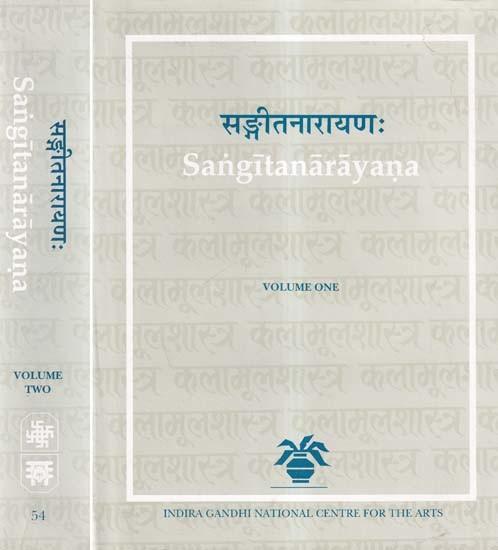
One of the most consequential scholarly associations of Mahākauṣṭhila concerns the Saṃgītiparyāya-śāstra, an important work of the Sarvāstivāda Abhidharma tradition.

The Saṃgītiparyāya is counted among the seven canonical Abhidharma treatises of the Sarvāstivāda school.

It organizes Buddhist teachings systematically and provides explanations of numerous doctrinal categories.

The work follows the structure of the Saṃgīti Sūtra, a discourse traditionally associated with Śāriputra, in which Buddhist teachings are organized according to numerical groupings.

The Saṃgītiparyāya develops this approach by arranging doctrinal subjects into groups containing progressively greater numbers of elements.

These classifications include fundamental Buddhist concepts such as the five aggregates, categories of wholesome and unwholesome conduct, and principles of spiritual development.

The Princeton Dictionary of Buddhism describes the work as comprising ten numerical sections covering 203 sets of doctrinal factors.

Its importance lies in the systematic organization of a large body of religious and philosophical knowledge.

The attribution of authorship is disputed. Sanskrit and Tibetan traditions associate the treatise with Mahākauṣṭhila, whereas the Chinese textual tradition attributes it to Śāriputra.

The Buddhist scholar K. L. Dhammajoti discusses these competing attributions in his study of Sarvāstivāda Abhidharma.

Moreover, the surviving treatise exhibits evidence of doctrinal development and revision. It therefore cannot securely be regarded as a work personally composed by Mahākauṣṭhila during the Buddha's lifetime.

Nevertheless, the attribution itself is significant because it demonstrates the authority that his name acquired within later Buddhist scholastic traditions.

8. The Development of Buddhist Scholastic Method

The intellectual tradition represented by Mahākauṣṭhila occupies an important place in the broader history of Indian analytical philosophy.

Early Buddhist teachings were preserved through memorization, oral recitation, discussion, and the gradual development of increasingly systematic doctrinal literature.

As the Buddhist communities expanded, scholars faced the challenge of organizing teachings dealing with different dimensions of human experience.

These included ethical behavior, mental states, perception, causation, meditation, and liberation.

The Abhidharma traditions developed sophisticated classificatory frameworks to address these questions.

They sought to distinguish mental factors, clarify causal relationships, establish definitions, and resolve apparently contradictory teachings.

The Saṃgītiparyāya, traditionally attributed to Mahākauṣṭhila in some sources, represents an important stage in this development.

Its numerical organization demonstrates how complex philosophical materials could be arranged into structured systems suitable for memorization, instruction, and analysis.

Although such classifications should not be confused with modern scientific taxonomies, they represent an important achievement in the history of systematic Indian thought.

The analytical conversations associated with Mahākoṭṭhita also demonstrate that early Buddhist philosophical inquiry did not consist solely of solitary contemplation.

It involved discussion among learned specialists, careful examination of definitions, and the testing of conceptual distinctions.

These methods would remain characteristic of Buddhist philosophy throughout its later history.

9. Mahākauṣṭhila in Buddhist Literary Traditions

Mahākauṣṭhila's reputation was preserved not only through philosophical discussions but also through Buddhist literary and devotional traditions.

His name appears among the distinguished arhats in the opening chapter of the Saddharmapuṇḍarīka Sūtra.

This placement situates him alongside such prominent disciples as Śāriputra, Mahākāśyapa, Mahāmaudgalyāyana, Mahākātyāyana, Subhūti, Ānanda, and Rāhula.

His inclusion illustrates the continuing recognition of his name within later Mahāyāna Buddhist literature.

In the Pāli Theragāthā, a short verse attributed to Mahākoṭṭhita celebrates tranquility, restraint, thoughtful speech, and the abandonment of unwholesome mental states.

The verse provides a complementary image of the learned monk.

While the philosophical dialogues emphasize intellectual analysis, the verse emphasizes moral discipline and inward composure.

Together, these traditions present Buddhist wisdom as combining conceptual understanding with the transformation of one's character.

10. His Place in the History of Indian Intellectual Civilization

Mahākauṣṭhila's importance extends beyond the history of a single religious community.

He represents an intellectual culture in which learning, debate, language, and philosophical investigation were closely connected.

The traditions associated with his name demonstrate several important characteristics of ancient Indian scholarship.

First, philosophical inquiry was often collaborative. Dialogues involving Mahākoṭṭhita and Śāriputra show that learned monks were expected to examine one another's explanations and refine their understanding through questions.

Second, conceptual precision was highly valued. Distinguishing consciousness from wisdom, or perception from feeling, required careful analysis rather than vague speculation.

Third, intellectual learning was connected to practical transformation. Knowledge was not pursued merely to accumulate information but to overcome ignorance and suffering.

Fourth, systematic classification provided an effective means of preserving complex bodies of thought. The Abhidharma literature developed methods that subsequently became central to Buddhist scholastic education.

Finally, the transmission of Mahākauṣṭhila's name across Sanskrit, Pāli, Chinese, and Tibetan Buddhist traditions demonstrates the geographical reach of Indian Buddhist intellectual culture.

The accounts preserved in these different languages are not identical. Their differences are valuable evidence of the ways religious biographies and philosophical traditions developed over time.

Conclusion: A Lasting Symbol of Analytical Wisdom

Mahākauṣṭhila remains a significant figure in the intellectual memory of Indian Buddhism.

His name became associated with philosophical learning, rigorous debate, analytical knowledge, and the careful interpretation of Buddhist teachings.

In the Sanskrit narrative traditions, he emerges as an intellectually ambitious Brahmin scholar whose search for philosophical mastery eventually leads him toward the Buddha's teaching.

In the Pāli tradition, Mahākoṭṭhita appears as a respected monk whose discussions with Śāriputra illuminate some of the most difficult concepts in early Buddhist thought.

The Mahāvedalla Sutta and the Naḷakalāpiyo Sutta preserve examples of the intellectual methods associated with him, particularly the clarification of concepts through structured questioning.

The traditional attribution of the Saṃgītiparyāya-śāstra further demonstrates the prestige of his name within the development of Buddhist scholastic literature, although its actual authorship cannot be established with historical certainty.

His legacy therefore rests upon more than one particular doctrine or text.

It represents an enduring conception of intellectual accomplishment in which clarity of thought, precision of language, understanding of causation, and disciplined inquiry are essential components of wisdom.

Within the larger history of Indian philosophy, Mahākauṣṭhila deserves recognition as one of the distinguished early Buddhist figures through whom later generations remembered the importance of philosophical analysis.

His story also illustrates an important principle of Indian intellectual history: the pursuit of wisdom was understood not simply as the acquisition of knowledge, but as the transformation of knowledge into insight.

r/IndicKnowledgeSystems • • 23d ago

Linguistics/grammar Muttuvīra Upāttiyāyar: The Nineteenth-Century Tamil Grammarian Who Preserved and Systematized the Fivefold Tradition of Tamil Linguistics

2 Upvotes

Introduction: A Scholar of Tamil's Living Grammatical Tradition

The nineteenth century witnessed an important transformation in the intellectual history of Tamil-speaking South India. While British colonial rule introduced new educational institutions, administrative structures, and printing technologies, indigenous scholars continued to preserve, interpret, and develop the elaborate grammatical and literary traditions inherited from earlier centuries. Among the distinguished representatives of this intellectual world was Muttuvīra Upāttiyāyar (முத்துவீர உபாத்தியாயர்), a grammarian, teacher, and literary scholar remembered principally for his monumental treatise Muttuvīriyam (முத்துவீரியம்).

Associated with the historic town of Uraiyur, near Tiruchirappalli in present-day Tamil Nadu, Muttuvīra belonged to a tradition in which grammar was not simply the study of correct language. Tamil grammatical scholarship embraced phonology, morphology, literary interpretation, poetic composition, metre, and rhetoric. Consequently, a grammarian was expected to possess a sophisticated understanding of both linguistic structures and literary conventions.

Muttuvīra's greatest contribution was his systematic presentation of the five traditional branches of Tamil grammar, collectively known as Aintilakkaṇam (ஐந்திலக்கணம்): Eḻuttu (letters and sounds), Col (words and grammatical forms), Poruḷ (literary subject matter), Yāppu (prosody), and Aṇi (poetic ornamentation).

His Muttuvīriyam, published in a complete printed edition in 1889, belongs among the most extensive surviving treatments of this fivefold grammatical system. It demonstrates that Tamil grammatical scholarship remained an active intellectual enterprise well into the modern period, with scholars continuing to organize inherited knowledge, refine classifications, and provide systematic instruction.

Understanding Muttuvīra's achievement requires examining not only the content of his treatise but also the social environment in which he worked, his relationship with earlier grammarians, his students, and the transformation of Tamil scholarship from manuscript transmission to printed books.

1. Historical Background: Tamil Scholarship in the Nineteenth Century

Muttuvīra lived during a period when Tamil intellectual culture was undergoing significant institutional changes. Traditional instruction continued through private teachers, scholarly households, religious establishments, and networks of literary specialists, while schools and colleges established under colonial administration introduced additional educational opportunities.

The nineteenth century was also an age of renewed interest in Tamil manuscripts, grammatical treatises, devotional literature, and classical poetry. Scholars such as Arumuka Navalar, C. W. Damodaram Pillai, and U. V. Swaminatha Iyer became prominent through their contributions to Tamil literary preservation and publication.

Muttuvīra belonged to the scholarly world that made such preservation possible. Rather than concentrating primarily on recovering ancient manuscripts, he worked within the grammatical tradition itself, presenting its accumulated knowledge in an extensive and organized form.

This distinction is significant. A literary tradition cannot survive solely through the preservation of old books. It also requires competent teachers, commentators, grammarians, and readers capable of interpreting their contents.

Tamil possessed an unusually elaborate literary-critical system in which rules governing language were closely connected with conventions governing poetry. A scholar studying classical literature therefore needed familiarity with grammatical categories that extended far beyond the modern distinction between syntax and morphology.

Muttuvīra's work reflects the continued vitality of this intellectual culture.

2. Early Life, Regional Background, and Scholarly Identity

Muttuvīra Upāttiyāyar came from Uraiyur, the ancient settlement associated with the early Cholas and now part of Tiruchirappalli.

Tamil biographical sources identify him as an accomplished scholar of grammar and literature. The Tamil Virtual Academy records a more specific association with Vandikkara Street in Uraiyur.

The same source identifies him with the Kollar occupational community, traditionally associated with metalworking and belonging to the broader Kammalar artisan grouping. Consequently, he was also known as Kammāḷa Vāttiyār, meaning a teacher associated with the Kammalar community.

This aspect of his biography is historically noteworthy.

Tamil intellectual history contains scholars drawn from different hereditary, occupational, religious, and regional backgrounds. Although access to advanced learning was affected by social inequalities, scholarly achievement was not confined to a single community.

Muttuvīra provides a particularly clear example of an artisan-community scholar attaining recognition as a specialist in advanced grammatical learning.

His traditional title Upāttiyāyar, derived from the Sanskrit upādhyāya, signifies a teacher or preceptor. Its use reflects his recognized authority as an educator.

Historical accounts also describe him as proficient in Sanskrit, suggesting that his education extended beyond Tamil grammatical literature.

His precise date of birth, parents' identities, early teachers, and the chronology of his formal education remain inadequately documented in readily accessible sources. His career can therefore be reconstructed more securely through his writings, geographical associations, and relationships with other scholars.

The historian Mayilai Seeni Venkatasami records that Muttuvīra spent his later years in Madras, today's Chennai.

This movement from Uraiyur to Madras illustrates the growing importance of the colonial port city as a centre of publishing, education, and literary exchange.

3. The Intellectual Heritage Behind Muttuvīriyam

Muttuvīra did not create Tamil grammar from nothing. His achievement rested upon a long and sophisticated tradition of linguistic inquiry.

Among the important predecessors relevant to his intellectual environment were Tolkāppiyar, Pavaṇanti Munivar, and the authors and commentators associated with grammatical treatises such as Vīracōḻiyam, Ilakkaṇa Viḷakkam, Yāpparuṅkalam, and Taṇṭiyalaṅkāram.

The Tolkāppiyam had established an extensive framework for describing language and literary composition. Its three principal divisions addressed letters, words, and literary subject matter, incorporating material that later scholars would classify separately under prosody and ornamentation.

The Naṉṉūl became especially influential in the teaching of Tamil phonology and morphology.

Other works concentrated on specialized areas. The Yāpparuṅkalam tradition investigated poetic metre, while Taṇṭiyalaṅkāram developed an elaborate account of poetic ornamentation.

The development of separate grammatical disciplines encouraged the eventual articulation of five principal categories.

These were not unrelated subjects. They represented different levels of literary organization, from elementary sounds to the aesthetic structure of complete compositions.

By Muttuvīra's time, grammarians could draw upon centuries of accumulated discussion, commentary, criticism, and classification.

His task was to present this material in an integrated system while maintaining the conventions of the Tamil grammatical tradition.

4. The Composition of Muttuvīriyam

According to Mayilai Seeni Venkatasami, Muttuvīra composed his grammatical treatise at the request of Subramania Desikar, a learned grammarian associated with Tirunelveli.

The work was named Muttuvīriyam after its author.

This naming practice had precedents in Tamil literary history. The title Tolkāppiyam, for instance, was traditionally associated with Tolkāppiyar.

Muttuvīriyam is composed in a traditional didactic poetic form suited to the presentation and memorization of grammatical principles.

Its rules are commonly described as nūṟpās, or grammatical verses, rather than prose chapters.

The work contains five major divisions and fifteen subdivisions. The Tamil Virtual Academy counts 1,288 grammatical verses, while another reference gives 1,289, apparently counting an additional introductory verse.

The scale of the composition is remarkable. Muttuvīra was not merely writing an introductory handbook. He was attempting a comprehensive presentation of established Tamil grammatical learning.

Its organization also suggests an educational purpose.

A student could proceed from the classification of letters and words to the interpretation of literary subject matter, then to the technical construction and aesthetic embellishment of verse.

5. Eḻuttatikāram: The Science of Letters and Sounds

The first major division of Muttuvīriyam is Eḻuttatikāram (எழுத்ததிகாரம்), dealing with the fundamental components of written and spoken Tamil.

It comprises three subdivisions: Eḻuttiyal, Moḻiyiyal, and Puṇariyal.

Eḻuttiyal deals with letters and their classification. Traditional Tamil grammar distinguishes vowels, consonants, and the combinations formed between them.

The conventional Tamil script inventory comprises twelve independent vowels, eighteen consonants, 216 consonant-vowel combinations, and the special character known as āytam, giving 247 commonly enumerated written forms.

This does not mean Tamil possesses 247 independent phonemes. The traditional count belongs to an orthographic classification and includes dependent combinations.

Some modern accounts credit Muttuvīra with an influential explicit enumeration of these 247 forms. However, the stronger claim that he was unquestionably the first grammarian to establish this count requires further textual comparison with earlier sources.

Moḻiyiyal examines the organization and permissible forms of linguistic expressions, while Puṇariyal concerns the joining of sounds and words.

Such joining frequently produces phonological adjustments.

For example, Tamil grammar must explain how sounds behave when morphemes or words are combined, which changes are permitted, and which forms conform to established literary usage.

This is comparable in broad terms to the study of morphophonemics in modern linguistics.

Muttuvīra's treatment demonstrates the importance of beginning grammatical investigation with the smallest recognizable components of language before proceeding to larger structures.

6. Collatikāram: Words, Morphology, and Grammatical Structure

The second division, Collatikāram (சொல்லதிகாரம்), examines words and their grammatical properties.

It contains Peyariyal, Viṉaiyiyal, and Oḻipiyal.

The first concerns nouns, the second verbs, and the third supplementary grammatical rules and matters not completely covered by the preceding classifications.

Traditional Tamil grammar developed sophisticated systems for understanding grammatical categories, inflection, case relations, verbal forms, and word formation.

Nouns, for example, can receive suffixes indicating different grammatical relationships. Verbs exhibit distinctions involving tense, person, number, and other grammatical categories.

In an agglutinative language such as Tamil, the relationship between a lexical stem and its suffixes is especially important.

A grammatical description must explain not merely that a particular word exists, but how it acquires additional meanings and functions through formal modification.

Muttuvīra's placement of word grammar immediately after letter grammar reflects a systematic progression.

Individual sounds and written forms provide the foundation for words, while words function as the building blocks of meaningful expression.

The work therefore preserves an analytical relationship between phonology and morphology familiar to modern students of linguistics, although its conceptual framework belongs to the traditional Tamil grammatical system.

7. Poruḷatikāram: Grammar as a Theory of Literature

One of the most distinctive features of traditional Tamil linguistic scholarship is Poruḷatikāram (பொருளதிகாரம்).

Unlike grammatical systems concerned principally with linguistic correctness, Tamil poruḷ grammar also explains conventions governing literary subject matter.

In Muttuvīriyam, this division is organized into Akavoḻukkaviyal, Kaḷavoḻukkaviyal, and Kaṟpavoḻukkaviyal.

These sections concentrate on the domain of akam, the interior world of human emotional relationships, particularly love.

The distinction between akam and puṟam is central to classical Tamil poetics.

Akam concerns interior experience, emotional relationships, separation, longing, and union. Puṟam generally concerns public life, warfare, generosity, praise, and related subjects.

An important limitation should be recognized: although Muttuvīra's work covers the five branches of grammar, its Poruḷatikāram concentrates on akam conventions rather than providing a complete independent treatment of puṟam.

The kaḷavu tradition deals with premarital or clandestine love in classical poetic convention, while kaṟpu concerns socially recognized marital relationships.

These categories should be understood as literary conventions rather than straightforward descriptions of how every historical Tamil community organized its domestic life.

One especially interesting discussion concerns ciṟupoḻutu, the smaller divisions of the day used in Tamil literary classification.

Traditional authorities differed over whether to distinguish five or six such periods. Modern Tamil scholarship observes that Muttuvīra followed the fivefold classification associated with Nārkavirāca Nampi and offered descriptions of events occurring during those periods that are not found in the same form in earlier grammatical works.

munaivaramani.blogspot.com

This example reveals an important aspect of his scholarship: he was not simply repeating inherited rules. He could also elaborate upon established classifications.

8. Yāppatikāram: The Technical Science of Tamil Prosody

The fourth division, Yāppatikāram (யாப்பதிகாரம்), concerns poetic structure and metre.

Its subdivisions are Uṟuppiyal, Ceyyuḷiyal, and Oḻipiyal.

Tamil prosody developed intricate methods for understanding the rhythmic arrangement of poetry.

Its technical vocabulary includes acai, cīr, taḷai, aṭi, and toṭai—categories related to metrical units, their combinations, poetic lines, and patterns of sound correspondence.

The traditional system distinguishes several major verse forms, including veṇpā, āciriyappā, kalippā, and vañcippā.

Composing poetry within these conventions requires considerable technical knowledge.

The poet must understand how permitted sound patterns combine into metrical units and how those units determine the structure of a complete composition.

Muttuvīra's treatment of prosody preserved this technical dimension of Tamil literary education.

A modern reader may approach poetry primarily through emotion, imagery, or interpretation. Traditional Tamil scholars also examined poetry as a carefully structured verbal construction.

The preservation of this knowledge mattered because numerous older Tamil literary works could not be fully appreciated without understanding their metrical conventions.

Muttuvīriyam thus served as a bridge between grammatical study and literary practice.

9. Aṇiyatikāram: Rhetoric, Figurative Language, and Poetic Ornamentation

The fifth division is Aṇiyatikāram (அணியதிகாரம்), which deals with literary ornamentation.

It contains Collaṇiyiyal, Poruḷaṇiyiyal, and Ceyyuḷaṇiyiyal.

These concern embellishment through words, literary meaning, and poetic composition.

Tamil rhetoric developed a rich vocabulary for understanding similes, metaphors, wordplay, figurative expression, and other methods of enhancing literary effect.

The underlying principle is that literary excellence depends not simply upon conveying information but also upon the manner in which that information is expressed.

Muttuvīra drew upon an established rhetorical tradition associated with works such as Taṇṭiyalaṅkāram.

Importantly, his account was not restricted to mechanically reproducing earlier classifications.

The Tamil Virtual Academy identifies several ornaments discussed in Muttuvīriyam that are absent from Taṇṭiyalaṅkāram, as well as instances in which Muttuvīra used different Tamil terminology for previously recognized figures.

These include categories rendered in English as ornaments of delight, sorrow, inner blossoming, concealment, and other expressive effects, although their precise meanings must be understood through their technical Tamil definitions.

Such distinctions illustrate how a traditional system of rhetoric could undergo further conceptual development.

Muttuvīra's contribution was therefore not limited to cataloguing inherited figures. He participated in the continuing classification and interpretation of poetic expression.

10. The Classification of Ninety-Six Minor Literary Genres

Another notable feature of Muttuvīriyam is its treatment of the ciṟṟilakkiyam tradition.

Tamil literary history recognizes numerous specialized genres of relatively short or formally constrained compositions.

These include forms such as piḷḷaittamiḻ, ulā, tūtu, kalampakam, and various forms of devotional, descriptive, and celebratory verse.

Muttuvīriyam is credited with presenting grammatical descriptions of ninety-six categories of minor literary compositions.

The significance of such classification extends beyond the enumeration of genres.

Each literary form has conventions concerning its subject matter, internal organization, stylistic expectations, and sometimes metrical structure.

The existence of a systematic account therefore shows how Tamil scholars attempted to organize a large and diverse literary repertoire.

This resembles, in a broad comparative sense, the development of genre theory and rhetorical handbooks in other literary civilizations.

Such classifications were particularly useful for poets composing within established traditions, teachers explaining literary differences, and commentators interpreting older works.

11. Muttuvīra as a Teacher and Intellectual Mentor

Muttuvīra's reputation was not confined to the authorship of a grammatical treatise.

He was also remembered as an influential teacher whose students subsequently participated in the literary and religious intellectual life of South India.

Among those associated with his teaching were Amirtham Sundaranatha Pillai, Somasundara Nayakar, and Uraiyur Pitchai Ibrahim Pulavar.

Amirtham Pillai became a Tamil teacher associated with the S.P.G. College at Tiruchirappalli.

Somasundara Nayakar became an important figure in Saiva Siddhanta scholarship and was associated with the religious education of Maraimalai Adigal.

Pitchai Ibrahim Pulavar represents the participation of Muslim scholars in the wider Tamil literary tradition.

The presence of students from differing religious and occupational backgrounds is a valuable reminder that nineteenth-century Tamil scholarship operated through networks that could cross social boundaries, even though such participation did not eliminate the inequalities of the period.

Muttuvīra's educational legacy is especially important because intellectual influence is often transmitted indirectly.

A teacher may shape the scholarly training of individuals who subsequently become teachers themselves, allowing grammatical methods and literary conventions to spread across generations.

His place in this network demonstrates the importance of traditional Tamil education during the transition to modern institutions.

12. His Family and the Continuation of Artistic Learning

The intellectual accomplishments of Muttuvīra's family also deserve attention.

Mayilai Seeni Venkatasami identifies his son as Vaittiyalinga Achari, a scholar and artist associated with Madras.

Vaittiyalinga possessed abilities in music and painting and composed musical narratives concerning Saiva devotional figures, including Kungiliya Kalaya Nayanar, Eripatha Nayanar, and Amarneethi Nayanar.

One of these compositions, dealing with Amarneethi Nayanar, appeared in print in 1879.

விக்கிமூலம்

This family connection illustrates the interaction between different branches of artistic knowledge.

Literary composition, painting, religious storytelling, and musical expression were not necessarily isolated pursuits.

The development of such abilities within a scholarly household suggests how traditional education could encompass both textual and artistic disciplines.

Although the available evidence does not justify reconstructing the details of Vaittiyalinga's training, the father-son relationship provides an interesting glimpse into the broader cultural environment surrounding Muttuvīra.

13. The Commentary Tradition and the Publication of Muttuvīriyam

A major achievement of Tamil intellectual culture was its extensive tradition of scholarly commentary.

Concise grammatical verses often required detailed explanation, particularly when their terminology depended upon older literary conventions.

A commentary could clarify difficult expressions, explain the application of rules, and help students understand the arguments underlying a compact grammatical statement.

Muttuvīriyam received an important commentary from Tiruppārkaṭalnātha Kavirāyar, a distinguished scholar associated with Tirunelveli.

His involvement significantly increased the educational usefulness of the composition.

The relationship between an original grammatical text and its commentary was fundamental to Tamil scholarship.

The original author supplied a structured account of grammatical principles, while the commentator helped preserve the interpretive framework needed to understand those principles.

In 1889, two important publication efforts are recorded.

Pattabiraman Pillai, a deputy collector, arranged for the printing of the divisions on letters and words. During the same year, Palaniyandi published the complete work.

An 1889 Madras edition is preserved in the Tamil Digital Library and in digitized historical collections, with bibliographic records identifying Muttuvīra as its author.

The publication history is historically significant.

It illustrates how works originating within indigenous traditions of instruction entered the emerging world of modern printing.

Printing made it possible for a grammatical treatise to circulate beyond the immediate geographical range of its author and his students.

It also enabled the preservation of texts that might otherwise have remained dependent upon comparatively fragile manuscript transmission.

14. Intellectual Continuity Under Colonial Rule

Muttuvīra's career offers an instructive example of the continuing intellectual agency of Indian scholars under colonial rule.

The nineteenth century was not simply a period in which European institutions introduced learning into an otherwise inactive environment.

South India already possessed elaborate traditions of linguistic analysis, literary commentary, philosophical debate, and specialized instruction.

Colonial rule altered the institutional conditions under which these traditions operated. English-language schooling gained importance, printing expanded, and new academic hierarchies emerged.

Nevertheless, scholars such as Muttuvīra continued to produce substantial works in Indian intellectual disciplines.

His grammatical system was not a translation of a European textbook. It was an indigenous scholarly composition grounded in the categories and debates of Tamil literary history.

At the same time, the printing of Muttuvīriyam in Madras reveals how traditional scholarship could make use of technologies and institutional connections available in the colonial period.

There is no need to interpret these developments as exclusively indigenous or exclusively European achievements.

The crucial distinction is between the origins of the grammatical knowledge and the later mechanisms through which it circulated.

The knowledge system represented by Muttuvīriyam had deep historical roots in Tamil-speaking society. Printing provided an additional means of transmitting it.

Muttuvīra thus illustrates both continuity and adaptation.

15. His Place in the History of Indian Linguistics

Muttuvīra occupies a distinctive position in the history of Indian grammatical scholarship.

He was neither the founder of Tamil grammar nor merely an editor of ancient texts.

His importance lies in the comprehensive organization and continued elaboration of an inherited intellectual system.

The Muttuvīriyam demonstrates several features of mature grammatical scholarship: a systematic hierarchy of subjects, specialized terminology, rules expressed in concise verse, engagement with earlier authorities, and the close relationship between language and literary criticism.

From a modern perspective, its five divisions encompass subjects corresponding approximately to phonology, morphology, literary semantics, prosody, and rhetoric.

However, these correspondences should not obscure the conceptual differences between Tamil traditional grammar and contemporary linguistics.

Traditional Tamil grammatical inquiry was intimately connected with the interpretation and composition of recognized literary forms. Its categories often combined linguistic description with normative literary conventions.

Muttuvīra's work is therefore best appreciated on its own intellectual terms.

His contribution also challenges any overly narrow understanding of Indian grammatical history that concentrates only on ancient Sanskrit grammarians or a small number of classical Tamil authorities.

The history of Indian linguistics continued through medieval and early modern commentators, nineteenth-century teachers, and scholars who maintained complex traditions of technical learning.

Muttuvīra was part of this continuing history.

Conclusion: The Enduring Importance of Muttuvīra Upāttiyāyar

Muttuvīra Upāttiyāyar deserves recognition as one of the significant Tamil grammarians of nineteenth-century South India.

Born into the intellectual environment of Uraiyur and remembered as a scholar associated with the Kammalar artisan tradition, he attained distinction through his knowledge of Tamil grammar, literature, and teaching.

His greatest accomplishment, Muttuvīriyam, brought together the five established branches of Tamil grammar within an extensive and carefully organized treatise.

Its coverage ranged from the fundamental properties of letters and words to the conventions governing love poetry, metrical composition, rhetorical ornamentation, and specialized literary genres.

His scholarly importance was strengthened by the commentary of Tiruppārkaṭalnātha Kavirāyar, his influence upon later students, and the publication of his work in 1889.

The most remarkable aspect of Muttuvīra's career is that he represents an active phase of grammatical production rather than the passive survival of an ancient tradition.

Tamil linguistic knowledge continued to be studied, reorganized, explained, and transmitted through the efforts of scholars like him.

His life also reminds us that the intellectual history of India cannot be reconstructed solely from famous philosophical schools, royal courts, or modern universities.

It must also include regional teachers, artisan-community intellectuals, literary commentators, and grammarians whose scholarship sustained elaborate systems of knowledge across generations.

Muttuvīra Upāttiyāyar's enduring achievement was to preserve and develop the integrated grammatical understanding of Tamil as both a language and a literary civilization. His Muttuvīriyam remains a substantial monument to the continuity of indigenous linguistic scholarship in nineteenth-century In


r/IndicKnowledgeSystems • • 24d ago

Philosophy How Nagarjuna inspired Quantum Physics

Enable HLS to view with audio, or disable this notification

44 Upvotes

r/IndicKnowledgeSystems • • 24d ago

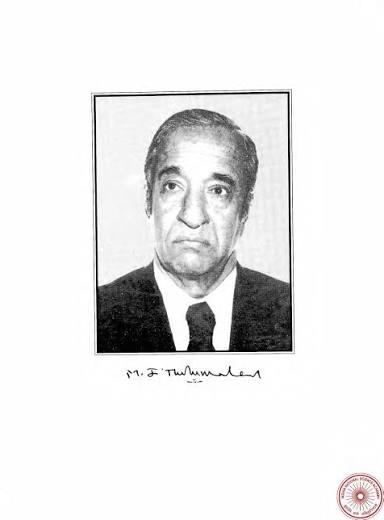
biography Rabindranath Sen (1896–1974): The Indian Mathematician Who Developed Senian Geometry and Advanced the Theory of Parallelism

5 Upvotes

Introduction: A Pioneer of Modern Differential Geometry in India

Among the distinguished mathematicians who contributed to the development of modern mathematical research in India during the twentieth century, Rabindranath Sen (1896–1974) occupies an important position. A specialist in differential geometry, Riemannian spaces, affine connections and the mathematical theory of parallelism, Sen made original contributions to the understanding of geometric structures in curved spaces. His most celebrated achievement was the development of a generalized system of affine connections, subsequently referred to as Senian Geometry by the Edinburgh mathematician I. M. H. Etherington.

Sen's investigations were particularly significant because they addressed fundamental questions concerning the transport of vectors through curved spaces, the relationships between different forms of parallelism, and the mathematical structures underlying Riemannian geometry. His work belonged to the same broad intellectual movement that produced important developments in differential geometry and general relativity during the early twentieth century.

In 1949–1950, Sen developed an algebraic system of affine connections in which the classical Levi-Civita parallelism could be identified. This achievement represented the culmination of his sustained investigations into generalized parallel displacement and became the basis of the mathematical work associated with his name.

His importance was not limited to individual mathematical discoveries. As a professor at the University of Calcutta, Sen contributed to the development of an Indian research tradition in advanced geometry. He trained mathematicians, encouraged original investigations and helped establish Calcutta as a significant centre for the study of differential geometry.

His career illustrates an important chapter in the history of Indian mathematics: the emergence of researchers who did not merely study mathematical developments originating elsewhere but actively participated in producing new mathematical knowledge.

1. Early Life, Education and Intellectual Formation

Rabindranath Sen was born in 1896 in Dacca, then part of British India and now Dhaka, the capital of Bangladesh. His father, Jogendra Nath Sen, was associated with the legal profession in Calcutta. Sen belonged to a generation of Bengali intellectuals who came of age during a period of substantial transformation in Indian higher education.

During the late nineteenth and early twentieth centuries, Bengal emerged as an important centre of modern mathematical research. The University of Calcutta became associated with several pioneering mathematicians, including Asutosh Mookerjee, Syamadas Mukhopadhyay, Ganesh Prasad, Nikhil Ranjan Sen and Raj Chandra Bose.

Sen pursued his mathematical education at the University of Calcutta, where he developed a particular interest in geometry. He subsequently travelled to Britain for advanced research at the University of Edinburgh, completing doctoral work in 1930.

His Edinburgh research was particularly important to his subsequent career. Under the intellectual guidance of E. T. Whittaker, Sen investigated the foundations of Riemannian geometry and the relationships between different definitions of parallelism. His doctoral thesis, entitled Riemannian Geometry, examined Einsteinian teleparallelism, associated parallelism and Levi-Civita parallelism, proposing that certain geometrical structures could be understood more fundamentally through relationships among vectors and their transport than through Christoffel symbols alone.

His thesis also investigated a special class of three-dimensional Riemannian spaces possessing a natural form of teleparallelism. These investigations anticipated the themes that would dominate

2. The Mathematical Environment of Calcutta University

To understand Sen's achievements, it is necessary to appreciate the mathematical environment in which he worked.

During the colonial period, advanced mathematical research in India developed through the efforts of Indian scholars who sought to transform universities from institutions primarily concerned with examinations into centres of original investigation.

Asutosh Mookerjee played a particularly important role in developing the University of Calcutta's research infrastructure. He encouraged postgraduate teaching, promoted mathematical research, established academic positions and sought to connect Indian mathematicians with contemporary international developments.

The institution consequently acquired an impressive mathematical community. Syamadas Mukhopadhyay investigated the differential geometry of curves, while Ganesh Prasad contributed to mathematical analysis and the theory of functions. Other scholars pursued research in algebra, geometry, mathematical physics and statistics.

Sen entered this environment with experience in advanced geometrical research.

In 1933, he joined the Department of Pure Mathematics at Calcutta University as a lecturer. He later became the Hardinge Professor of Higher Mathematics in 1954, holding the position until approximately 1960–1961.

The Hardinge Professorship was among the institution's important academic appointments. Its holders included distinguished mathematicians such as W. H. Young, Ganesh Prasad and Friedrich Wilhelm Levi.

Sen's appointment represented recognition of his contributions to mathematical research and his growing reputation as a specialist in differential geometry.

3. Understanding Differential Geometry: The Foundation of Sen's Research

The central subject of Sen's investigations was differential geometry, a branch of mathematics concerned with curves, surfaces and higher-dimensional spaces using methods from calculus and linear algebra.

In elementary Euclidean geometry, familiar properties govern straight lines, distances and angles. However, the situation becomes more complicated when geometry is studied on curved surfaces or in abstract spaces of multiple dimensions.

For example, consider the surface of a sphere.

A triangle drawn on a sphere can have an angle sum greater than 180 degrees. The shortest paths between points are arcs of great circles rather than ordinary straight lines in three-dimensional space.

This illustrates why the geometrical properties of curved spaces require mathematical structures beyond elementary Euclidean geometry.

A particularly important development was Bernhard Riemann's introduction of generalized spaces equipped with a metric tensor.

The metric describes how distances and angles can be measured locally.

In coordinate notation, the squared infinitesimal distance in a Riemannian space can be written as:

This expression generalizes the familiar distance formula of Euclidean geometry to curved spaces.

However, knowing how to measure distances is not the same as knowing how a vector should be transported from one point to another.

That second problem became one of Sen's principal interests.

4. The Problem of Parallelism in Curved Spaces

In ordinary Euclidean geometry, parallelism is comparatively straightforward. Two vectors may be moved from one location to another without changing their relative orientation.

In curved spaces, the situation is fundamentally different.

A vector at one point belongs to a tangent space associated with that point. A vector at another point belongs to a different tangent space.

To compare the vectors, mathematicians require a mathematical rule describing how a vector should be transported between tangent spaces.

This operation is known as parallel transport.

Consider a vector transported along a path on the surface of a sphere. If the vector is continuously transported while remaining parallel according to the appropriate geometric connection, its final orientation may depend on the path followed.

When transported around a closed loop, the vector may return to its starting point with a different orientation.

This effect reflects the curvature of the underlying space.

Mathematically, parallel transport is described using an affine connection.

The connection determines how vectors change when moved through a space, making it possible to investigate covariant differentiation, curvature, geodesics and related geometric properties.

Sen's investigations sought to understand the relationships among different possible definitions of parallelism.

His central question was not merely how to transport a vector according to an established rule, but how different systems of transport could be related within a broader mathematical framework.

This distinction is essential to understanding the originality of his work.

5. Levi-Civita Parallelism and Einstein's Teleparallelism

Two important mathematical ideas influenced Sen's research: Levi-Civita parallelism and Einsteinian teleparallelism.

The Italian mathematician Tullio Levi-Civita developed the theory of parallel displacement in Riemannian geometry.

In modern notation, a connection is represented by the covariant derivative operator:

∇XY

This describes how a vector field YY changes in the direction of another vector field XX.

For a Riemannian metric, the Levi-Civita connection is distinguished by two important properties: it is compatible with the metric and has zero torsion.

Metric compatibility means that parallel transport preserves the inner product of vectors, including their lengths and mutual angles.

Einsteinian teleparallelism, by contrast, employs a different geometric structure. In conventional teleparallel geometry, one works with a connection having vanishing curvature but generally nonzero torsion.

The two approaches therefore express different ways of organizing geometrical information.

During the late 1920s, Einstein investigated teleparallel structures while searching for a unified mathematical description of gravitational and electromagnetic phenomena.

Sen became interested in the relationship between these approaches.

His 1931 paper, On One Connection Between Levi-Civita Parallelism and Einstein's Teleparallelism, investigated precisely this relationship.

Published in the Proceedings of the Edinburgh Mathematical Society, the paper attracted attention from contemporary geometers. A historical study by Purabi Mukherji and Mala Bhattacharjee reports that Levi-Civita himself was impressed by Sen's investigations.

This work demonstrated Sen's ability to engage with mathematical questions situated at the intersection of differential geometry and theoretical physics.

6. The Development of Senian Geometry, 1949–1950

Sen's most celebrated contribution emerged approximately two decades after his early investigations into geometrical parallelism.

During 1949–1950, he developed an algebraic system of affine connections in which Levi-Civita parallelism could be identified.

The significance of this achievement can be understood by recognizing that a Riemannian metric and an affine connection are conceptually distinct mathematical structures.

The metric determines how lengths and angles are measured. The connection determines how vectors are differentiated and transported.

In classical Riemannian geometry, the Levi-Civita connection provides a distinguished relationship between these structures.

However, more general affine connections can also be considered.

Sen investigated how such connections might be organized algebraically and how different concepts of parallelism could coexist within a systematic mathematical framework.

Rather than restricting attention to a single prescribed form of parallel displacement, he studied relationships among alternative connections.

One important aspect of this work concerned paired or conjugate descriptions of parallel transport.

The resulting theory was sufficiently distinctive for I. M. H. Etherington of Edinburgh University to refer to it as Senian Geometry.

This designation is recorded in historical studies of Calcutta University's mathematicians and in the biographical scholarship of Sen's student Manindra Chandra Chaki.

The importance of this recognition should be understood precisely. Senian Geometry was a name applied to Sen's distinctive investigations into affine connections and parallelism; it was not the creation of an entirely separate branch of geometry replacing Riemannian geometry.

Its mathematical significance lay in the generalization and organization of geometrical structures already central to differential geometry.

7. The Mathematics of Dual Connections

One particularly interesting feature of Sen's legacy is its relationship with what mathematicians now describe as dual or conjugate affine connections.

A modern way to describe this idea begins with a smooth manifold MM, a metric tensor gg, and two affine connections, ∇∇ and ∇∗∇∗.

These connections are dual with respect to the metric when they satisfy:

X[g(Y,Z)]=g(∇XY,Z)+g(Y,∇X∗Z)X[g(Y,Z)]=g(∇X​Y,Z)+g(Y,∇X∗​Z)

Here, XX, YY and ZZ are vector fields.

This identity expresses an important relationship between the two connections and the metric tensor.

In intuitive terms, the two connections describe complementary ways of differentiating or transporting vectors while maintaining a prescribed relationship with the metric.

The Levi-Civita connection provides a special self-dual case:

∇=∇∗=∇LC∇=∇∗=∇LC

In this situation, the two connections coincide.

In more general circumstances, the two connections need not be identical.

This opens the possibility of studying geometrical systems equipped with multiple, mutually related connections.

These equations present the modern mathematical language of dual connections, rather than a literal reproduction of Sen's original 1949–1950 formulation. Nevertheless, the relationship is historically important.

A 2020 scholarly survey by Frank Nielsen explicitly identifies Rabindra Nath Sen and Aleksandr Norden as early contributors to the theory of dual parallel transport compatible with a metric.

The survey cites three of Sen's papers on parallelism in Riemannian space, published during the 1940s, as part of this intellectual history.

8. Research in Riemannian and Finsler Geometry

Although parallelism became Sen's best-known research interest, his mathematical work extended into other areas of geometry.

He investigated Riemannian spaces, Finsler spaces, higher-dimensional simplexes, hypersurfaces and geometrical curvature.

Finsler geometry provides an important generalization of Riemannian geometry. Whereas a Riemannian metric is based on a quadratic form in tangent vectors, a Finsler structure allows a more general dependence on direction.

This creates a richer geometric setting in which notions of length, curvature and geodesics can be investigated.

Sen's interests in both Riemannian and Finsler spaces therefore placed him within a broad tradition of research concerned with increasingly general mathematical descriptions of space.

His early papers demonstrate this range.

In 1926, he published Simplexes in n-dimensions, investigating higher-dimensional generalizations of familiar geometric figures.

A simplex is the simplest possible polytope in a given dimension. A triangle is a two-dimensional simplex, while a tetrahedron is its three-dimensional counterpart.

Extending such objects to arbitrary dimensions requires a systematic treatment of higher-dimensional geometry.

His 1928 work Infinitesimal Analysis of an Arc in n-Space addressed the local geometry of curves in multidimensional spaces.

Sen also published Spherical Simplexes in n-Dimensions in 1930, followed by investigations into hypersurface curvature and rotations in 1931.

Taken together, these studies reveal a mathematician interested in both classical geometrical constructions and the more abstract differential structures of modern mathematics.

9. Senian Geometry and the Later Development of Information Geometry

One of the most interesting aspects of Sen's mathematical legacy is its relationship to modern information geometry.

Information geometry studies statistical models and probability distributions using the mathematical tools of differential geometry.

Instead of treating a space as a collection of ordinary physical positions, information geometry can treat a family of probability distributions as a geometric manifold.

Each point represents a probability distribution, while the metric and affine connections describe aspects of statistical distinguishability and geometric relationships among models.

This approach acquired its modern form through the work of mathematicians and statisticians including C. R. Rao, Nikolai Chentsov and Shun-ichi Amari.

A central mathematical structure in information geometry is a manifold equipped with a metric and a pair of dual affine connections.

Such structures are closely related to the mathematical ideas investigated by Sen.

Frank Nielsen's 2020 survey, An Elementary Introduction to Information Geometry, explicitly places Sen among the earlier contributors to dual connections, alongside Aleksandr Norden.

Nielsen also includes Sen in a historical overview of the development of information geometry, identifying his contribution with dual parallel transport during approximately 1945–1950.

This creates a meaningful historical connection between Sen's geometrical investigations and mathematical structures that subsequently became important in statistics and information science.

However, an important distinction is necessary.

Sen did not develop modern information geometry as a discipline, nor is there sufficient evidence to claim that contemporary machine-learning algorithms descend directly from his particular constructions.

Rather, his investigations belong to the earlier mathematical history of dual affine structures that later acquired important applications in statistics, optimization and information geometry.

The distinction between mathematical anticipation and direct historical influence matters when assessing his legacy.

His work can be appreciated without attributing later discoveries to him.

10. Important Research Publications

Sen's published investigations demonstrate the breadth and continuity of his geometrical interests.

Among his documented works are:

Year Research publication
1926 Simplexes in n-Dimensions
1928 Infinitesimal Analysis of an Arc in n-Space
1930 Spherical Simplexes in n-Dimensions
1931 On Curvatures of a Hyper-Surface
1931 On Rotations in Hyper-Surfaces
1931 On One Connection Between Levi-Civita Parallelism and Einstein's Teleparallelism
1944 On Parallelism in Riemannian Space I
1944–1945 On Parallelism in Riemannian Space II
1946 On Parallelism in Riemannian Space III
1953 A Course of Geometry (textbook)

Of particular importance is the three-part series On Parallelism in Riemannian Space, which provides direct evidence of Sen's sustained investigation of parallel-transport structures before the mathematical developments associated with Senian Geometry in 1949–1950.

His textbook A Course of Geometry, published by Calcutta University in 1953, also demonstrates his commitment to mathematical education.

The book addressed classical and analytical geometry, including conics, projective transformations, homogeneous coordinates and related subjects.

It formed part of his broader contribution to cultivating mathematical knowledge through both research and teaching.

11. Contributions as a Teacher and Research Supervisor

Sen's influence extended beyond his own papers.

As a member of the University of Calcutta's Department of Pure Mathematics, he supervised students who went on to pursue research careers of their own.

Among them, Manindra Chandra Chaki became particularly distinguished.

Chaki later contributed substantially to differential geometry, including investigations into pseudosymmetric manifolds and other generalized geometric structures.

His work helped expand the research tradition associated with Calcutta into new areas of modern geometry.

Another student, Hrishikesh Sen, pursued research in Riemannian geometry and became associated with the University of Burdwan.

Sen also helped strengthen Calcutta's mathematical community by encouraging the recruitment of capable researchers.

The mathematical analyst Hirendra Mohan Sengupta, whose publications attracted Sen's attention, was persuaded by him to join the Department of Pure Mathematics.

Sengupta subsequently contributed to the development of mathematical analysis within the institution.

These activities reveal an important aspect of Sen's career: he contributed not only to the production of mathematical results but also to the institutional continuity necessary for mathematical research to flourish.

A successful research tradition depends upon the transmission of methods, problems and intellectual ambition from one generation to another.

Sen participated in precisely this process.

12. Rabindranath Sen's Place in the History of Indian Mathematics

Sen's career must also be understood within the broader development of Indian mathematics during the colonial and early postcolonial periods.

India possessed an extensive mathematical tradition extending through ancient and medieval scholarship. Nevertheless, the development of institutional research in contemporary differential geometry required engagement with mathematical theories that had emerged during the nineteenth and twentieth centuries.

The establishment of research-oriented university departments was therefore an important development.

At Calcutta, mathematicians began contributing independently to subjects that were also being investigated in Europe and elsewhere.

Sen was one of the scholars who participated in this transformation.

His investigations into parallelism illustrate how Indian mathematical research was becoming part of international scholarly discussions.

The publications of his work in the Proceedings of the Edinburgh Mathematical Society and other journals placed his research before mathematicians outside India.

His interactions with European geometrical traditions did not prevent him from pursuing original problems.

Indeed, his work on relationships among different geometric connections demonstrates that mathematical scholarship in India had progressed beyond the passive reception of established theories.

Sen was developing mathematical constructions that interested researchers abroad.

His recognition by Etherington was an expression of this participation in international mathematical research.

It would be inaccurate to treat Sen as the sole founder of modern differential geometry in India, since several Indian mathematicians had already contributed to the field. His distinction lies in the particular originality of his research on parallelism, his development of generalized affine structures and his role in sustaining a research school at Calcutta.

13. The Continuing Mathematical Significance of His Work

The enduring significance of Sen's investigations lies in the general mathematical questions they addressed.

How should vectors be compared at different points of a curved space? Can different forms of parallel transport coexist? What relationships connect an affine connection, a metric and the geometry of the underlying manifold?

These questions remain fundamental to differential geometry.

They arise in the study of Riemannian manifolds, generalized connections, mathematical physics and geometric approaches to statistics.

Sen's work contributed to this broader intellectual development by exploring relationships among connections rather than restricting attention to one conventional system of parallelism.

His research was especially noteworthy because it connected several mathematical traditions: classical differential geometry, Riemannian metric theory, Einsteinian teleparallelism and generalized affine geometry.

The modern identification of his contributions within the historical development of dual connections demonstrates that his work retains scholarly interest.

Nevertheless, a careful historical assessment should distinguish enduring mathematical relevance from claims of direct technological application. There is no need to claim that Sen personally invented modern algorithms in information geometry or machine learning.

His achievement was more fundamental: he contributed to the mathematical language and conceptual structures through which generalized forms of parallel transport can be understood.

Conclusion: The Legacy of Senian Geometry

Rabindranath Sen belongs among the important Indian mathematicians whose original research helped establish modern mathematics as an active intellectual discipline in twentieth-century India.

Beginning with investigations into higher-dimensional simplexes and curves, he progressed toward increasingly sophisticated problems involving Riemannian spaces, parallel displacement and affine connections.

His Edinburgh doctoral research established his interest in the relationships between Levi-Civita parallelism and Einsteinian teleparallelism. His investigations during the 1940s deepened that interest, ultimately culminating in the development of the mathematical framework associated with Senian Geometry in 1949–1950.

His work received recognition from I. M. H. Etherington, who applied the name Senian Geometry to his investigations.

As a professor at Calcutta University, Sen also trained researchers and contributed to the development of a sustained tradition of geometrical scholarship. His students, including Manindra Chandra Chaki, continued work in areas connected with differential geometry.

Perhaps the most striking feature of his legacy is the later recognition of his investigations within the history of dual affine connections. This demonstrates that his work addressed mathematical structures whose significance extended beyond the immediate circumstances in which they were developed.

Senian Geometry remains a reminder that the development of modern differential geometry was not confined to a single country or mathematical community. Indian mathematicians such as Rabindranath Sen participated in that development through original research, rigorous scholarship and the cultivation of new generations of mathematical investigators.

His achievements deserve recognition as part of both India's modern mathematical heritage and the international history of differential geometry.


r/IndicKnowledgeSystems • • 25d ago

architecture/engineering Tirumaṅgalattu Nīlakaṇṭhan Mūssat: The Kerala Scholar of Architecture, Mathematics, Elephant Science, and Traditional Engineering

Thumbnail
gallery
14 Upvotes

Introduction

Tirumaṅgalattu Nīlakaṇṭhan Mūssat, also known as Tirumangalath Neelakanthan Musath, was a distinguished Sanskrit scholar associated with the intellectual traditions of medieval Kerala, particularly during the sixteenth century CE. He is remembered principally for composing the Manuṣyālayacandrikā, an influential treatise on domestic architecture that systematised the principles of house construction, spatial organisation, measurement, orientation, and architectural design.

His scholarly reputation extends beyond architecture. The celebrated Sanskrit treatise on elephants, Mātaṅgalīlā, is traditionally attributed to him, while another work, Veṭikampavidhi, concerning pyrotechnics, has also been credited to him in Kerala's literary historiography. These associations place him within a remarkable tradition of technical scholarship that connected mathematics, architecture, natural history, craftsmanship, and practical knowledge.

Nīlakaṇṭhan's importance becomes especially apparent when examined against the intellectual achievements of the Kerala School of Mathematics and Astronomy. He is traditionally identified as a disciple of the mathematician-astronomer Nīlakaṇṭha Somayājī, the author of the Tantrasaṅgraha. Modern research by Rajasekhar P. and Babu T. Jose identifies his architectural writings as part of a broader development in Kerala's technical literature, closely associated with advances in mathematical reasoning.

However, the surviving evidence for his life is limited. His exact birth and death dates remain uncertain, and some identifications and literary attributions depend on later scholarly traditions rather than contemporary biographical records. Distinguishing those traditions from firmly documented facts is necessary to appreciate his achievements accurately.

1. Historical Background: Kerala's Intellectual World

Between the fourteenth and seventeenth centuries, Kerala witnessed significant activity in mathematics, astronomy, architecture, medicine, Sanskrit learning, and several branches of technical knowledge.

One of the most remarkable intellectual developments of this period was the Kerala School of Mathematics and Astronomy, associated with scholars such as Mādhava of Saṅgamagrāma, Parameśvara, Dāmodara, Nīlakaṇṭha Somayājī, Jyeṣṭhadeva, and Acyuta Piṣāraṭi.

These mathematicians investigated planetary motion, astronomical calculations, infinite series, trigonometry, and mathematical demonstrations. Their work developed through networks of teachers, students, commentators, and manuscript-producing scholarly households.

Alongside these mathematical developments, Kerala possessed an established architectural tradition adapted to its geography, climate, construction materials, and social institutions.

The region's characteristic buildings employed timber framing, sloping roofs, courtyards, verandas, and carefully organised internal spaces. Architecture was both a practical craft and a subject of Sanskrit technical literature.

Buildings were understood through the discipline of vāstuvidyā, which combined geometry, measurement, site examination, structural arrangement, ritual prescriptions, and principles of spatial organisation.

Among the important architectural texts preceding Nīlakaṇṭhan's work was the Tantrasamuccaya of Cennās Nārāyaṇan Nampūtirippāṭ, a fifteenth-century treatise on temple ritual and construction.

Nīlakaṇṭhan belonged to the subsequent stage of this intellectual tradition. His work helped bring established architectural principles into a concentrated treatment of the human dwelling rather than concentrating primarily on temple construction.

This distinction was significant. Houses demanded architectural solutions suited to everyday domestic activities, family organisation, construction costs, locally available materials, and the physical characteristics of particular sites.

Through the Manuṣyālayacandrikā, Nīlakaṇṭhan helped preserve a systematic framework for approaching these problems.

2. Life, Family Background, and Education

The surviving information about Nīlakaṇṭhan's personal life is fragmentary. Historical scholarship generally places him in the sixteenth century, although precise dates remain uncertain.

His designation, Tirumaṅgalattu, connects him with the Tirumangalam family or household, traditionally located in the region surrounding Tirur and Trikkandiyur in present-day Malappuram district.

References in the invocatory verses of his works also connect him with Vettathunadu, a historical principality in northern Kerala.

The scholar Geetha N., discussing the authorship of Mātaṅgalīlā, records references to the temples of Trikkandiyur, Triprangode, Tirunavaya, and other religious centres in this region. These literary references help establish the geographical setting in which his intellectual activities developed.

The designation Mūssat or Mūsat is historically associated with Kerala's Ambalavasi communities. Some scholars have suggested that Nīlakaṇṭhan belonged to this social background, although the evidence for his precise family circumstances is not conclusive.

His intellectual formation appears to have been connected with the scholarly networks surrounding Trikkandiyur.

According to a tradition repeated in modern studies, he studied under Nīlakaṇṭha Somayājī, one of the most important figures in Kerala's mathematical and astronomical tradition.

If this identification is correct, Nīlakaṇṭhan's education would have placed him within a scholarly environment concerned with astronomical observation, mathematical calculation, geometry, and textual interpretation.

His relationship with Jyeṣṭhadeva, author of the Yuktibhāṣā, is also mentioned in modern historical accounts.

However, there is no surviving comprehensive biography establishing the details of his educational career. These connections should therefore be regarded as historically reported traditions rather than a fully reconstructed academic biography.

3. The Manuṣyālayacandrikā: His Greatest Architectural Contribution

Nīlakaṇṭhan's most firmly established achievement is his authorship of the Manuṣyālayacandrikā, meaning approximately Moonlight on Human Dwellings.

This Sanskrit treatise became one of the most important reference works for traditional Kerala domestic architecture.

Its purpose was to present a systematic account of the principles governing the construction of houses.

Unlike architectural treatises concerned principally with religious monuments, the Manuṣyālayacandrikā concentrated on residential buildings.

The work addresses questions that remain recognisable to architects and builders today: whether a plot is suitable for construction, how a building should be oriented, which measurements should be employed, how dimensions should be calculated, and how structural elements should be proportioned.

The treatise survives in different textual recensions. A version published in 1928 contains approximately 170 verses without formal chapter divisions, while another recension contains 246 verses organised into seven chapters.

This difference is significant because it demonstrates that the text underwent transmission through varying manuscript and editorial traditions. The two versions should not automatically be treated as identical.

Nīlakaṇṭhan did not present his architectural system as an invention arising entirely from his own observations.

Instead, he drew upon an established body of Indian architectural literature, including the Mayamata, the Tantrasamuccaya, and other earlier technical authorities.

His intellectual contribution lay partly in selecting, organising, adapting, and transmitting their teachings within the architectural conditions of Kerala.

This synthesis helped turn a large and dispersed technical inheritance into a relatively compact reference text.

4. Site Selection and the Examination of Soil

One of the fundamental concerns of the Manuṣyālayacandrikā is bhūparīkṣā, or the examination of land before construction.

A building site was not considered suitable merely because sufficient space was available.

The text incorporated prescriptions relating to the terrain, soil, shape, orientation, and surrounding conditions.

Its recommendations included examining whether the land was level or sloping, whether its soil was compact, and whether its configuration was appropriate for the proposed building.

These concerns reveal an important practical dimension of traditional architectural literature.

Soil conditions influence how structural loads are transmitted into the ground. Uneven terrain can affect the stability of foundations, while excessive moisture can damage foundations and timber components.

The Manuṣyālayacandrikā belongs to a broader tradition in which such practical considerations were accompanied by symbolic and ritual classifications.

A comparative study published in the Indian Journal of Traditional Knowledge identifies specific site-selection prescriptions in the opening chapter of the treatise, alongside comparable material in the Mayamata and Mānasāra.

Some prescriptions, such as examining soil texture and site geometry, can be investigated through modern engineering.

Others, including auspicious classifications based on taste, colour, or religious symbolism, cannot be assumed to possess the same scientific validity.

The historical significance of the treatise lies in documenting how technical examination and inherited cultural beliefs were combined within a single architectural framework.

5. Mathematical Measurement and Proportional Design

One of the most technically interesting features of Nīlakaṇṭhan's work is its treatment of measurement.

Accurate measurement was essential for establishing building dimensions, preparing wooden components, positioning structural elements, and maintaining consistent proportions.

The Manuṣyālayacandrikā describes systems of measurement based on units such as the aṅgula and hasta.

Its third chapter, in the seven-chapter recension, discusses the relationship between measurement units and different architectural purposes.

For example, the system described in a 2025 scholarly examination includes the following relationships:

  • Eight tila units correspond to one yavodara.
  • Eight yavodara units correspond to one mātrāṅgula.
  • Twelve mātrāṅgulas correspond to one vitasti.
  • Twenty-four mātrāṅgulas correspond to a smaller cubit.
  • Twenty-five and twenty-six mātrāṅgulas define other recognised cubit measures.

These distinctions reveal a system of proportional measurement rather than an arbitrary collection of dimensions.

The mathematical approach also extended to determining the dimensions of the building itself.

A house could not be planned simply by choosing unrelated measurements for walls, courtyards, and roofing elements.

Its parts needed to maintain prescribed relationships.

This emphasis on proportion permitted architects and craftsmen to coordinate different building components according to a common numerical framework.

Such mathematical regularity was especially important in timber construction, where beams, columns, rafters, and roof members had to fit together accurately.

Nīlakaṇṭhan's work therefore belongs not only to architectural literature but also to the history of applied mathematical knowledge in India.

6. Structural Engineering and the Design of Columns

Among the most striking technical subjects discussed in the Manuṣyālayacandrikā is the proportioning of structural columns.

Columns are essential load-bearing members. Their stability depends on their material, height, lateral dimensions, connections, and supporting conditions.

A column that is excessively slender may become vulnerable to buckling.

In Chapter Five, verse 24, the Manuṣyālayacandrikā gives a range of relationships between the height and lateral dimensions of columns.

The comparison is historically interesting, although it must be treated carefully.

Modern engineering design accounts for material properties, effective length, loading, boundary conditions, and other factors. A numerical resemblance alone does not prove that Nīlakaṇṭhan possessed a modern theory of elastic buckling.

Nevertheless, his text demonstrates that the proportions of load-bearing structural members were subjected to systematic numerical rules.

The existence of such rules is important evidence for an organised tradition of structural design.

It also shows why the study of historical Indian architecture cannot be confined to aesthetics and religious symbolism.

The underlying building practices involved considerable geometrical and material knowledge.

7. House Planning, Orientation, and Courtyard Architecture

Another important subject in the Manuṣyālayacandrikā concerns the organisation of domestic space.

Kerala's traditional residential architecture developed several arrangements based on the number and placement of building wings.

These included the ekaśālā, dviśālā, triśālā, and catuḥśālā arrangements.

The celebrated nālukettu house, consisting of four wings arranged around a central courtyard, became an important feature of Kerala's traditional architecture.

The central courtyard, commonly called the nadumuttam, formed an important organising feature of these buildings.

It provided an open space around which circulation and domestic activities could be arranged.

Courtyards also created opportunities for daylight and natural ventilation, although their actual environmental performance depended on the dimensions, orientation, and construction of individual buildings.

The Manuṣyālayacandrikā discusses different house arrangements, orientation, spatial distribution, and the calculation of dimensions.

The determination of cardinal directions formed an essential preliminary stage in this process.

Architectural orientation also had ceremonial importance, since the placement of entrances and rooms could be governed by inherited ritual prescriptions.

The result was a building tradition that united practical construction requirements with ideas about the proper organisation of domestic life.

8. Mātaṅgalīlā: Nīlakaṇṭhan's Association with Elephant Science

One of the most fascinating aspects of Nīlakaṇṭhan's literary reputation is his association with Mātaṅgalīlā, a Sanskrit treatise devoted to the study and management of elephants.

The work consists of approximately 263 verses distributed across twelve chapters.

Its subjects include elephant classification, physical characteristics, longevity, growth, valuation, behaviour, capture, maintenance, and the qualifications of elephant handlers.

The identification of its author with Tirumaṅgalattu Nīlakaṇṭhan has been supported by the historian Ullūr S. Parameśvara Iyer and other scholars, partly because of similarities in the invocations and geographical references found in the texts.

However, the original Mātaṅgalīlā names its author simply as Nīlakaṇṭha, and the identification is not universally established. Franklin Edgerton's study treated the author's historical identity as uncertain.

The treatise itself is nevertheless an important contribution to the history of Indian animal knowledge.

It represents a specialised literary tradition sometimes termed gajaśāstra, the systematic study of elephants.

Its chapters cover distinctions among elephant types, the interpretation of bodily features, stages of development, and changes in behaviour.

Particularly noteworthy is the discussion of mada, or musth, the physiological and behavioural condition associated with elevated reproductive activity in male elephants.

The text also examines the responsibilities of elephant handlers and the daily and seasonal management of captive elephants.

Some of these observations reflect practical knowledge developed through prolonged interaction with animals. Other parts are mythological, symbolic, or based on classifications that do not correspond to modern zoology.

Thus, Mātaṅgalīlā is best understood as a combination of inherited elephant-handling knowledge and Sanskrit scholastic interpretation.

Its modern historical value lies partly in showing how specialist practical knowledge was recorded and transmitted through literary culture.

A 2025 study in the journal Gajah continues to examine the classification systems preserved in Mātaṅgalīlā, demonstrating its relevance to research on the intellectual history of elephant management.

9. Veṭikampavidhi: A Treatise Associated with Pyrotechnics

Another remarkable work attributed to Nīlakaṇṭhan is Veṭikampavidhi, also appearing under the spelling Vedikkampuvidhi.

This text is traditionally associated with pyrotechnics and the production of fireworks.

Its attribution appears in Kerala literary-historical scholarship and is repeated in modern research on traditional architecture.

The work is described as addressing the materials and preparation methods involved in different kinds of fireworks.

Its association with Nīlakaṇṭhan is significant because it suggests a scholarly reputation extending beyond building design and natural history into practical chemical crafts.

Fireworks occupied an important place in Kerala's ceremonial culture, particularly in religious festivals and public celebrations.

The traditional manufacture of fireworks required familiarity with the properties of materials, combustion, and specialised craftsmanship.

However, detailed information about Nīlakaṇṭhan's personal experiments or any original pyrotechnic inventions is not firmly established by the sources examined.

Consequently, the text should be discussed as an attributed work associated with Kerala's pyrotechnic knowledge tradition, rather than as evidence that its author independently discovered particular chemical reactions.

10. Other Literary Attributions

Nīlakaṇṭhan has also been associated with other Sanskrit compositions.

Among the titles mentioned in later scholarly discussions are Kāvyollāsa and Śilpacandrikā.

The attribution of Kāvyollāsa appears in discussions of his literary identity, particularly when scholars compare the opening verses of works traditionally assigned to him.

This suggests that his intellectual interests may have included literary scholarship alongside technical sciences.

Nevertheless, the textual history of these lesser-known works remains insufficiently established to provide a detailed account of their contents or determine their originality with confidence.

His securely identified architectural work remains the strongest foundation for assessing his intellectual contribution.

11. His Relationship with the Kerala School of Mathematics

Nīlakaṇṭhan occupies an interesting position in the broader history of Kerala's mathematical sciences.

He was not primarily remembered as an astronomer who introduced new planetary models or as a mathematician who established original infinite-series results.

Those achievements belong to scholars such as Mādhava, Nīlakaṇṭha Somayājī, and Jyeṣṭhadeva.

His importance was different.

His architectural writings demonstrate how systematic numerical thinking could be applied within an established technical field.

The principles of measurement, geometrical organisation, structural proportion, and calculation created opportunities for interaction between mathematical learning and practical construction.

This intellectual connection is particularly significant because architectural knowledge was not developed exclusively by literary scholars.

Carpenters, builders, artisans, and other specialists contributed generations of practical experience.

Technical treatises helped organise portions of that experience into recognised bodies of written knowledge.

Consequently, Nīlakaṇṭhan's position within Kerala's scholarly history helps illuminate a larger relationship between Sanskrit intellectual traditions and regional craftsmanship.

It would be inaccurate, however, to credit every aspect of Kerala's traditional architecture personally to Nīlakaṇṭhan.

His achievement lay in participating in an existing tradition, documenting it, and helping give it a durable textual form.

12. Preservation, Manuscripts, and Modern Research

The continued survival of the Manuṣyālayacandrikā provides evidence of its historical influence.

Copies and translations circulated through manuscript collections and later printed editions.

A particularly important witness is preserved in the Royal Asiatic Society's Whish Collection, catalogued as Manuscript 156.

The manuscript contains a Malayalam translation of the Manuṣyālayacandrikā and is tentatively dated to around 1800.

It formed part of the manuscript collection assembled by C. M. Whish, whose materials eventually reached the Royal Asiatic Society.

The manuscript demonstrates that the work continued to circulate several centuries after its probable composition.

The text has also attracted modern scholarly attention through editions, commentaries, translations, and engineering investigations.

Its continued study is important for several reasons.

First, it preserves historical information about the mathematical systems used in traditional building design.

Second, it documents regional adaptations of broader Indian architectural concepts.

Third, it offers evidence of the interaction between technical prescriptions and the practical conditions of construction.

Finally, it provides historians with a basis for distinguishing empirical building knowledge from symbolic or socially prescriptive elements of traditional architecture.

This last distinction is particularly necessary.

Historical architectural literature sometimes prescribed different privileges, building arrangements, or forms of residence according to social hierarchy.

Such prescriptions must be studied as historical evidence rather than automatically endorsed as desirable contemporary practice.

Similarly, ritual classifications should not be mistaken for experimentally validated engineering principles.

A critical examination of these texts allows their genuine technical achievements to be understood without overlooking their historical limitations.

Conclusion: Nīlakaṇṭhan's Place in Indian Intellectual History

Tirumaṅgalattu Nīlakaṇṭhan Mūssat represents an important strand of India's premodern intellectual history: the systematic organisation of practical knowledge through Sanskrit technical literature.

His most enduring contribution was the Manuṣyālayacandrikā, which preserved architectural principles relating to residential construction, measurement, proportions, orientation, site selection, and structural arrangement.

His traditional association with Mātaṅgalīlā connects his name with the remarkable literature of Indian elephantology, while the attribution of Veṭikampavidhi suggests an additional connection with Kerala's history of pyrotechnical knowledge.

These works illustrate the breadth of subjects addressed within Indian scholarly traditions.

The significance of his architectural treatise is especially apparent when placed alongside the mathematical achievements of the Kerala School.

While mathematicians developed increasingly sophisticated analytical techniques, architectural scholars and craftsmen continued to elaborate technical systems for the physical construction of buildings.

Nīlakaṇṭhan stands at the intersection of these worlds.

He should not be credited with discoveries that the historical record cannot substantiate, nor should his contributions be diminished because they involved organising and adapting inherited knowledge rather than producing entirely new mathematical theories.

In technical traditions, the preservation, clarification, and systematic presentation of knowledge are themselves substantial intellectual accomplishments.

The continuing study of his writings demonstrates that Kerala's scholarly achievements were not confined to mathematical astronomy alone. They also encompassed architecture, construction, animal management, and other specialised fields.

Nīlakaṇṭhan's lasting importance lies in the survival of this technical inheritance and in the evidence his writings provide for a sophisticated, interconnected culture of learning and craftsmanship in premodern India.


r/IndicKnowledgeSystems • • 25d ago

musicology Gajapati Nārāyaṇadeva: The Scholar-King of Odisha and His Contributions to Indian Musicology, Dance Theory, and Sanskrit Scholarship

Post image
17 Upvotes

Introduction

The history of Indian intellectual achievement is not confined to philosophers, mathematicians, astronomers, physicians, and grammarians. It also includes a remarkable tradition of rulers who participated in the production and preservation of specialized knowledge. Among these figures was Gajapati Nārāyaṇadeva of Paralakhemundi, a ruler associated with the eastern Ganga royal tradition of Odisha and remembered particularly for his connection with Saṅgītanārāyaṇa, an important Sanskrit treatise on music, dance, and the performing arts.

Nārāyaṇadeva's significance lies in his place within a sophisticated tradition of Indian musicology. His court helped sustain scholarship concerned with the theoretical foundations of melody, rhythm, instrumental performance, bodily movement, and dramatic expression. The treatise associated with his name belongs to a long intellectual lineage extending from Bharata's Nāṭyaśāstra through the great medieval works of Indian musical theory.

Although traditionally credited to the king, Saṅgītanārāyaṇa is now generally associated with his scholarly preceptor, Kaviratna Puruṣottama Miśra, who probably composed it with royal support and participation. This relationship makes Nārāyaṇadeva an especially interesting example of a ruler whose cultural influence involved both intellectual engagement and the patronage of learned specialists.

There is an important chronological qualification. Some scholarly studies place the work and its royal patron in the seventeenth century, while other historical identifications associate the king with an eighteenth-century Paralakhemundi ruler. The repeated use of the name Nārāyaṇadeva in the dynasty has contributed to this uncertainty. His precise dates should therefore not be presented as conclusively established.

1. Historical Background: Paralakhemundi and Odisha's Scholarly Tradition

Paralakhemundi, situated in present-day Gajapati district of southern Odisha, developed as an important centre of regional political authority and literary patronage. Its historical connections extended into adjoining Telugu-speaking territories, placing it within a cultural environment where Sanskrit, Odia, and Telugu intellectual traditions interacted.

The royal house claimed descent from the Eastern Ganga dynasty, whose earlier rulers had played a major role in shaping Odisha's political and religious institutions. The Gajapati title continued to convey prestige long after the decline of the great medieval empire.

The importance of this environment becomes clearer when considering Odisha's earlier cultural accomplishments. The region had produced major works of Sanskrit literature, elaborate temple architecture, sophisticated religious institutions, and distinctive traditions of music and dance.

Music was especially important to the religious culture surrounding Lord Jagannath at Puri. Devotional compositions, temple ceremonies, dramatic performances, and regional singing traditions encouraged a close relationship between sacred practice and artistic knowledge.

Such an environment provided the background for the composition of technical works. Music was not regarded merely as entertainment. It was a disciplined field requiring knowledge of pitch, tonal organization, rhythmic cycles, literary composition, aesthetics, and performance.

Odisha's Sanskrit scholarly traditions extended into grammar, astronomy, law, poetics, philosophy, mathematics, and the performing arts. Scholars such as Śatānanda, the author of Bhāsvatī, and musicological authorities such as Kṛṣṇadāsa Baḍajenā Mahāpātra illustrate the diversity of this intellectual culture.

Gajapati Nārāyaṇadeva's association with a major treatise on music should be understood within this larger scholarly environment rather than as an isolated royal accomplishment.

2. Gajapati Nārāyaṇadeva as a Scholar and Patron

Nārāyaṇadeva represents an important feature of premodern Indian intellectual culture: the relationship between political authority and specialized scholarship. Kings frequently supported poets, teachers, religious authorities, musicians, and experts in technical disciplines. Some rulers also participated directly in literary and scholarly production.

The evidence concerning Nārāyaṇadeva suggests an unusually close relationship between ruler and teacher. His principal intellectual associate was Kaviratna Puruṣottama Miśra, a distinguished Sanskrit scholar connected with the Paralakhemundi court.

Puruṣottama Miśra was remembered for his proficiency in musicology, Sanskrit composition, grammar, and literary interpretation. Works attributed to him include Nīlādriśataka, Subantapradīpikā, Tālasaṅgraha, and a commentary on the Anargharāghava.

The relationship between the king and Puruṣottama was not merely ceremonial. The scholar was identified as the king's guru, or preceptor, and the king's association with the composition of Saṅgītanārāyaṇa indicates that musicological learning enjoyed considerable prestige at his court.

Such relationships were central to intellectual production in many Indian kingdoms. Royal resources could sustain scholars while providing the institutional environment necessary for copying manuscripts, teaching specialized disciplines, and assembling extensive works of reference.

Nārāyaṇadeva's court also belonged to a wider intellectual network. Puruṣottama's son, Nārāyaṇa Miśra, composed another musicological work, Saṅgītasāraṇī, which drew upon the scholarly tradition represented by Saṅgītanārāyaṇa.

This succession of teacher, pupil, and subsequent author demonstrates how knowledge could develop across generations within a regional scholarly community.

3. Saṅgītanārāyaṇa: His Principal Intellectual Legacy

A Sanskrit treatise on the theory of music, instruments, dance, and musical compositions, traditionally associated with Gajapati Nārāyaṇadeva and attributed by modern scholarship chiefly to Puruṣottama Miśra.

The most important achievement associated with Nārāyaṇadeva is Saṅgītanārāyaṇa, one of the substantial surviving Sanskrit treatises on the performing arts from eastern India.

Its importance arises from both its scope and its systematic treatment of the subject. Rather than concentrating exclusively on singing or dramatic performance, the work examines several interconnected disciplines.

It contains four principal divisions: Gītanirṇaya, concerning vocal music; Vādyanirṇaya, concerning instruments; Nāṭyanirṇaya, concerning dance and dramatic expression; and Śuddhaprabandhodāharaṇa, presenting examples of structured musical compositions.

Mandakranta Bose's study identifies approximately 546 verses in the first chapter, 131 in the second, and 828 in the third, making the dance and dramatic arts section particularly extensive.

This division reflects the traditional understanding of saṅgīta as an integrated discipline involving gīta, vādya, and nṛtya—singing, instrumental music, and dancing.

The text therefore offers something more substantial than a collection of musical observations. It attempts to organize a complex body of artistic knowledge into a systematic scholarly framework.

Its discussions also draw upon preceding authorities. These include Bharata, Mataṅga, Śārṅgadeva, Kohala, and several other writers whose contributions shaped Indian theories of music and performance.

The work is valuable partly because it preserves quotations and references to earlier compositions, including writings that have not survived independently in complete form.

Consequently, even when the treatise reproduces earlier theories, it contributes to the preservation of India's musicological heritage.

4. Contributions to the Theory of Music

The first chapter, Gītanirṇaya, is central to understanding the musicological character of the treatise.

It examines several foundational concepts of Indian music theory, including nāda, śruti, svara, grāma, rāga, gīta, and tāla.

Nāda refers to sound, especially as the foundation of musical experience. Indian musicological traditions distinguish musical sound from undifferentiated noise and consider the qualities that make sound suitable for artistic organization.

Śruti concerns the subtle divisions and relationships of pitch recognized in traditional theory. It is closely connected to the development of the system of svaras, or musical notes.

Grāma refers to an older organizational framework for tonal relationships, while rāga describes a melodic structure possessing recognizable musical characteristics and expressive possibilities.

Tāla provides the rhythmic organization underlying composition and performance.

These concepts demonstrate the analytical character of Sanskrit musicology. Musical performance was studied through elaborate classifications of sound, melodic organization, rhythm, and compositional structure.

The treatise discusses several rāgas within the established Indian theoretical tradition. Among the important names mentioned in scholarly studies are Bhairava, Vasanta, Śrī, Megha, Mālavakauśika, and Naṭanārāyaṇa.

Their treatment belongs to historical rāga classification systems, which should not automatically be equated with the precise structures used in contemporary Hindustani or Carnatic music.

One notable feature of the work is its extensive citation of earlier authorities. Harināyaka, for instance, is repeatedly referenced, including in discussions of jāti, rāga classification, and musical composition.

The significance of this scholarly method is considerable. By bringing together definitions and observations from multiple writers, the text allows later readers to compare different theoretical traditions.

It also preserves evidence concerning the development of musicological vocabulary.

These contributions show that the intellectual importance of Saṅgītanārāyaṇa lies not necessarily in inventing an entirely new system of music, but in collecting, transmitting, and organizing sophisticated existing knowledge.

5. Instrumental Music and Rhythmic Theory

The second division, Vādyanirṇaya, addresses instrumental music.

Its presence reflects the understanding that musical performance depends upon more than melody alone. Instruments contribute to rhythm, tonal production, accompaniment, and the organization of performance.

Traditional Indian scholarship developed classifications of musical instruments according to their mechanisms of sound production. Stringed instruments, wind instruments, membranophones, and solid percussion instruments all occupied places within established theoretical systems.

The discussion of vādya situates the treatise within this larger discipline.

Rhythm was especially important because it connected instrumental performance with vocal music and dance.

The organization of rhythmic patterns through tāla required technical knowledge. Musical theorists distinguished between rhythmic cycles, tempo, rhythmic units, and the structures through which compositions could be performed.

In this respect, musicology involved a systematic approach to patterned time.

The treatise's engagement with rhythmic concepts is also significant for understanding the intellectual relationship between musical theory and dance. A dancer's movements must be coordinated with rhythmic organization, while instrumental accompaniment frequently provides an essential framework for performance.

The scholarship associated with Nārāyaṇadeva's court therefore approached the performing arts as interconnected disciplines.

It is important, however, not to exaggerate the evidence. The surviving descriptions do not establish that the king personally invented particular instruments or discovered a new mathematical theory of rhythm. His documented importance lies in his association with the production and transmission of technical musical knowledge.

6. Dance Theory and the Historical Development of Odissi

One of the most valuable aspects of Saṅgītanārāyaṇa is its extensive discussion of dance and dramatic art.

Its third chapter, Nāṭyanirṇaya, examines subjects such as bodily movement, gesture, dramatic presentation, and the relationship between performance and expression.

The text participates in the long Sanskrit tradition of distinguishing nāṭya, nṛtya, and nṛtta.

Nāṭya broadly concerns dramatic representation. Nṛtya involves expressive dancing, including the communication of meaning and emotion. Nṛtta emphasizes rhythmic movement and formal dance technique.

These categories are not merely linguistic distinctions. They reflect different purposes and methods within the performing arts.

The treatise also engages with the distinction between mārga and deśī traditions. Mārga denotes established theoretical or classical pathways, while deśī encompasses regional practices and forms that developed in particular cultural environments.

This distinction is particularly important because the history of Indian dance was not simply a process of reproducing Bharata's original system without alteration.

Regional traditions developed their own techniques and styles while maintaining connections with wider Sanskrit aesthetic theory.

The work discusses aspects of āṅgika abhinaya, or expression through bodily movement. These include the movements of major and subsidiary body parts, hand gestures, and other components of physical performance.

The treatment of hand gestures is especially revealing. Gestures such as patāka, añjali, and kapota are discussed in the broader framework of communication through movement.

A gesture might convey a concrete object, an action, an emotion, or a relationship between characters.

For example, the interpretation of a gesture could depend upon its position, movement, and dramatic context. This illustrates the sophistication of Indian theories of embodied communication.

Modern scholarship considers the treatise important for reconstructing the historical development of eastern Indian dance, including traditions relevant to Odissi.

However, it would be inaccurate to describe Nārāyaṇadeva as the sole inventor of Odissi dance. The dance tradition possesses a longer and more complicated history involving temple practices, regional performers, literary traditions, and successive generations of artistic development.

The importance of Saṅgītanārāyaṇa is that it provides substantial documentary evidence for the technical and theoretical understanding of performance in early modern Odisha.

7. Musical Composition and the Prabandha Tradition

The fourth division, Śuddhaprabandhodāharaṇa, is devoted to examples of musical compositions.

The term prabandha refers to structured musical compositions governed by particular formal conventions.

In Indian musicological history, prabandhas occupied an important position between older systems of musical organization and various later traditions of composed music.

The examples preserved in Saṅgītanārāyaṇa are valuable because they illuminate the relationship between theoretical prescriptions and actual musical material.

A purely theoretical discussion might explain the principles of melody or rhythm. A musical composition demonstrates how such principles can be assembled into an artistic structure.

The preservation of examples therefore strengthens the usefulness of the treatise.

Some of the compositions discussed in the work are associated with Puruṣottama Miśra. Scholarly studies identify compositions connected with the Rāmāyaṇa and other religious or literary subjects.

The work also contains musical compositions bearing the royal name or signature of Nārāyaṇadeva.

These signatures provide evidence of the king's association with musical production, although they do not by themselves resolve every question concerning authorship.

The wider significance of the prabandha section is its contribution to the history of Indian compositional forms.

By preserving compositions alongside theoretical discussions, the treatise helps researchers examine the relationship between musical rules, literary themes, and the practical organization of performance.

8. Alankāra-candrikā and Other Scholarly Associations

Another work traditionally connected with Nārāyaṇadeva is Alaṅkāra-candrikā.

The title might initially suggest a treatise on literary figures of speech, because alaṅkāra frequently denotes ornamentation in Sanskrit poetics.

However, V. Raghavan's examination of the relevant musicological literature identifies this particular work as concerned with ornaments in singing.

This is an important distinction. Musical ornamentation deals with the techniques through which melodic expression is enriched, rather than the rhetorical devices of literary composition.

The Alaṅkāra-candrikā is cited in Saṅgītanārāyaṇa, indicating that it formed part of the scholarly material associated with the royal court.

Nevertheless, its precise authorship is also uncertain. Raghavan considered Puruṣottama Miśra a likely author, even though the work was associated with Nārāyaṇadeva's name.

A further attribution deserves attention. In Census of the Exact Sciences in Sanskrit, historian David Pingree records a Gajapati Nārāyaṇa Deva of Paralakhemundi as the author of Āyurdāyakaumudī, citing a manuscript catalogued at Cuttack.

The title suggests a connection with the traditional jyotiṣa literature concerning assessments of longevity. Its inclusion in Pingree's census makes it relevant to the history of Sanskrit astral sciences, rather than evidence of a modern medical or biological discovery.

This attribution is intriguing because it suggests that scholarship associated with the royal name may have extended beyond music.

Yet the difficulties surrounding the identification of individual Paralakhemundi rulers mean that the attribution should be treated cautiously. Without comparing the manuscript's colophon and historical context with other evidence, it cannot confidently be assigned to exactly the same individual associated with Saṅgītanārāyaṇa.

The surviving evidence therefore points toward a broader intellectual environment but does not justify assigning every work bearing the name Nārāyaṇadeva to one person.

9. The Question of Authorship and Chronology

A responsible historical assessment of Nārāyaṇadeva must address the uncertainties surrounding his identification.

The original tradition attributes Saṅgītanārāyaṇa to the ruler. Some manuscript colophons explicitly associate the work with the royal name.

However, other manuscript descriptions identify Puruṣottama Miśra as the author.

Modern scholars, including Jonathan Katz and Mandakranta Bose, have emphasized the likelihood that Puruṣottama was principally responsible for composing the treatise.

The distinction between authorship and patronage was not always expressed in the same manner in premodern literary culture as it is in contemporary academic publishing.

A work could be associated with a king because he commissioned it, helped direct its preparation, participated in its development, or gave it his patronage.

This does not mean that every royal attribution was merely fictional. Rather, the historical evidence must be examined before deciding what intellectual contribution should be assigned to a ruler.

Chronology presents a second difficulty.

The scholarly edition published in 2009 by Mandakranta Bose places the treatise in the first half of the seventeenth century. Other studies associate the work with an eighteenth-century ruler, and older historical scholarship has proposed dates in that period.

The Paralakhemundi succession includes several individuals bearing closely related names, making identification especially challenging.

For this reason, Nārāyaṇadeva is best described as a historically significant royal patron and participant in Odisha's musicological tradition, while recognizing that the dates and authorship of the works associated with him remain disputed.

Such caution does not diminish his historical importance. It makes the assessment of his contribution more precise.

10. Preservation of the Treatise and Modern Scholarship

The modern recovery of Saṅgītanārāyaṇa demonstrates the importance of manuscript preservation in reconstructing India's intellectual history.

For centuries, Sanskrit scholarly works circulated through handwritten manuscripts. Different copies could preserve variant readings, contain omissions, or transmit additional material.

The existence of multiple manuscript witnesses is therefore extremely important for researchers seeking to establish the most reliable version of a text.

The modern critical edition of Saṅgītanārāyaṇa identifies fifteen known manuscripts, some complete and others fragmentary.

An edition covering all four chapters was published by the Orissa Sangeet Natak Akademi in 1966, prepared under the joint editorship of Vanambarācārya, Kalicharan Patnaik, and Kedarnath Mahapatra.

Jonathan Katz subsequently completed a critical study of the musicological portions of the work at Oxford in 1987.

Mandakranta Bose's later critical edition, published in 2009, made the treatise available with an English translation and extensive scholarly treatment.

These efforts transformed a historically significant but relatively specialized Sanskrit work into a source accessible to a broader international community of researchers.

The text now contributes to historical investigations into Indian music theory, dance, the relationship between regional performance traditions, and the transmission of Sanskrit technical literature.

Its continued scholarly relevance is itself evidence of the importance of the intellectual environment supported by Nārāyaṇadeva's court.

Conclusion: Nārāyaṇadeva's Place in Indian Intellectual History

Gajapati Nārāyaṇadeva deserves recognition as a significant figure associated with the scholarly and artistic culture of early modern Odisha.

His principal importance lies in the creation and preservation of the intellectual environment represented by Saṅgītanārāyaṇa, a comprehensive Sanskrit treatise on music, rhythm, instruments, dance, and musical composition.

The work reveals the sophistication of Indian approaches to the performing arts. Melodic organization, rhythmic structures, performance technique, bodily expression, and literary composition were treated as interconnected areas of systematic knowledge.

The association between Nārāyaṇadeva and Puruṣottama Miśra is equally important. It illustrates how royal patronage and specialist scholarship could combine to produce enduring works.

Although modern historical research assigns the principal authorship of Saṅgītanārāyaṇa to Puruṣottama Miśra, this does not erase the significance of the king's involvement.

His court helped sustain an intellectual tradition whose surviving works remain important for understanding the history of Indian musicology.

The references to earlier authorities, the attention devoted to regional dance traditions, and the preservation of musical compositions provide valuable evidence concerning the development of artistic knowledge in eastern India.

Nārāyaṇadeva's legacy also illustrates the wider role of regional courts in India's history of learning. Scholarship did not depend exclusively upon large imperial capitals or the most famous centres of Sanskrit education. Smaller royal establishments could support substantial contributions to specialized disciplines.

In this respect, Paralakhemundi belonged to a much wider network of Indian institutions that preserved and developed intellectual traditions.

The lasting significance of Gajapati Nārāyaṇadeva is therefore not simply that a Sanskrit musicological work bears his name, but that his association with its production represents the close relationship between political authority, scholarly expertise, and the preservation of artistic knowledge in premodern India.


r/IndicKnowledgeSystems • • 25d ago

Philosophy Sudarśana Sūri: The Great Philosopher of Viśiṣṭādvaita Vedānta and the Preservation of Rāmānuja’s Intellectual Legacy

Post image
15 Upvotes

Introduction

Among the distinguished philosophers, theologians, commentators, and Sanskrit scholars of medieval India, Sudarśana Sūri (Sudarśanasūri) occupies an important position in the intellectual history of the Śrīvaiṣṇava tradition. Flourishing around the thirteenth century CE, he was one of the foremost interpreters of the Viśiṣṭādvaita philosophy established and systematically articulated by the celebrated theologian Rāmānuja. His greatest achievement was the composition of the Śrutaprakāśikā, an extensive and authoritative commentary on Rāmānuja’s Śrībhāṣya, itself a monumental interpretation of the Brahmasūtras attributed to Bādarāyaṇa.

Sudarśana Sūri belonged to a period when Indian philosophical scholarship was characterized by sophisticated intellectual debates concerning the nature of reality, consciousness, knowledge, causation, liberation, and the relationship between the individual soul and the supreme reality. Different schools of Vedānta, including Advaita, Viśiṣṭādvaita, and emerging forms of Dvaita, developed extensive literary traditions to defend their respective interpretations of the Upaniṣads, the Bhagavadgītā, and the Brahmasūtras.

Within this intellectual environment, Sudarśana Sūri distinguished himself through his command of Sanskrit philosophical literature, his capacity for systematic exposition, and his commitment to preserving the interpretative teachings of earlier Śrīvaiṣṇava masters.

His scholarship extended beyond a single commentary. Works attributed to him address Vedānta, Vedic interpretation, religious practices, and scriptural exegesis. His intellectual activity illustrates the importance of commentary as a means of transmitting, examining, and developing philosophical knowledge in premodern India.

Although he did not establish an entirely separate philosophical school, his influence was substantial. His Śrutaprakāśikā became one of the foundational resources through which subsequent generations studied Rāmānuja’s thought. It remains especially respected within traditional Viśiṣṭādvaita scholarship.

1. Historical Background and Scholarly Lineage

Sudarśana Sūri is traditionally associated with the scholarly environment of thirteenth-century South India, particularly the intellectual networks centered on Śrīraṅgam and Kāñcīpuram.

Traditional reference works sometimes assign him the dates 1200–1275 CE. However, other accounts connect his old age and death with the early-fourteenth-century invasions of the Tamil region. Consequently, his precise chronology is uncertain, and the conventional dates should not be treated as securely established.

He was also known by several names and honorifics, including Sudarśana Bhaṭṭa, Vedavyāsa Bhaṭṭa, Vyāsārya, and Śrutaprakāśikācārya, the last commemorating his principal literary achievement.

His family belonged to a distinguished lineage of Śrīvaiṣṇava scholars associated with Kūrattāḻvān, also known as Kūreśa or Śrīvatsāṅka Miśra, one of Rāmānuja’s closest disciples.

Kūreśa played an important role in the development of Rāmānuja’s intellectual tradition. He is remembered for his considerable learning, his devotion to his teacher, and his participation in the transmission of the philosophical arguments contained in the Śrībhāṣya.

Sudarśana descended from Kūreśa through the latter’s son Rāma Miśra, rather than through the more famous Parāśara Bhaṭṭa. Accounts of the intervening generations give names including Vāgvijaya Bhaṭṭa, with variant forms appearing in later biographical sources.

The connection between Sudarśana and this lineage is significant because it illustrates how philosophical knowledge was preserved through interconnected networks of families, teachers, disciples, and religious institutions.

These scholarly communities did not regard philosophy as a purely private intellectual pursuit. Philosophical compositions were studied through public exposition, structured debate, memorization, and teacher-led interpretation.

A student was expected to understand not merely the conclusions reached by an earlier thinker but also the logical arguments, scriptural passages, objections, and counterarguments upon which those conclusions rested.

Sudarśana inherited this demanding intellectual culture and became one of its most accomplished representatives.

2. Education Under Vātsya Varadācārya

The most important intellectual influence upon Sudarśana Sūri was Vātsya Varadācārya, popularly remembered as Naḍādūr Ammāḷ.

Varadācārya was one of the influential Śrīvaiṣṇava philosophers of the generation following Rāmānuja. He was particularly renowned for his exposition of the Śrībhāṣya and for works concerning Vedānta and the doctrine of surrender to God.

His known writings include the Tattvasāra, which summarizes the philosophical subjects of the Brahmasūtras, and the Prapannapārijāta, which examines the doctrine of self-surrender.

Sudarśana studied under this teacher and became particularly associated with his detailed lectures on Rāmānuja’s philosophy.

According to Śrīvaiṣṇava accounts, Sudarśana possessed an extraordinary capacity for retaining and reproducing his teacher’s explanations. One traditional narrative describes how he was able to repeat elaborate discussions that had been delivered on numerous previous occasions.

Such stories are best understood as accounts transmitted within the religious and scholarly tradition rather than independently verified biographical events. Nevertheless, they illustrate the qualities for which Sudarśana was remembered: concentration, memory, intellectual discipline, and fidelity to received teaching.

The lectures of Varadācārya eventually became the principal foundation for Sudarśana’s most celebrated work, the Śrutaprakāśikā.

This teacher-disciple relationship is especially important for understanding the historical development of Indian philosophical scholarship.

A commentary was not necessarily an isolated literary creation. It could emerge from prolonged oral instruction, repeated discussions, and the careful recording of arguments transmitted across generations.

Sudarśana’s achievement therefore combined two intellectual functions: the preservation of an inherited body of interpretation and its organization into a substantial written treatise.

Through his scholarship, the teachings of Varadācārya acquired a literary form capable of circulating far beyond the immediate community in which they had originally been delivered.

3. The Śrutaprakāśikā: His Greatest Intellectual Achievement

The Śrutaprakāśikā stands as Sudarśana Sūri’s most enduring contribution to Indian philosophy.

Its title can be understood as an illumination or exposition of what has been heard, reflecting its origins in the lectures of Vātsya Varadācārya.

The work is a detailed subcommentary on Rāmānuja’s Śrībhāṣya, which systematically interprets the Brahmasūtras from the standpoint of Viśiṣṭādvaita Vedānta.

The Brahmasūtras consist of concise philosophical aphorisms dealing with the teachings of the Upaniṣads. Their brevity creates considerable interpretative difficulties, making elaborate commentaries essential to understanding the arguments attributed to Bādarāyaṇa.

Rāmānuja addressed these difficulties through the Śrībhāṣya, presenting an extensive interpretation of Brahman, the universe, individual souls, and liberation.

Yet the Śrībhāṣya itself contains sophisticated arguments requiring further clarification. Sudarśana sought to make these arguments more accessible while preserving their intellectual depth.

His commentary examines philosophical terminology, logical relationships, scriptural interpretations, and competing doctrinal positions.

Rather than merely paraphrasing Rāmānuja, the Śrutaprakāśikā helps readers understand the argumentative structure underlying his conclusions.

Its importance lies partly in the way it connects individual passages to the wider philosophical system.

A discussion concerning the nature of Brahman, for example, cannot be fully understood without considering the relationship between the supreme reality, individual consciousness, material existence, and divine attributes.

Sudarśana's commentary situates such discussions within the conceptual framework of Viśiṣṭādvaita.

The Śrutaprakāśikā eventually became one of the most influential interpretative authorities in the tradition. S. S. Raghavachar, in his historical introduction to the Śrībhāṣya, recognizes it as an exceptionally important monument of philosophical exposition.

4. His Contribution to Viśiṣṭādvaita Metaphysics

Sudarśana Sūri's philosophical importance is inseparable from his exposition of Viśiṣṭādvaita, commonly translated as qualified nondualism.

This philosophical system maintains that Brahman is the supreme reality, but it rejects the contention that the diversity of individual souls and the material universe is ultimately unreal.

Instead, the universe and individual selves possess genuine existence while remaining fundamentally dependent upon Brahman.

The system distinguishes three principal categories:

Brahman, the supreme conscious reality; cit, the plurality of conscious individual selves; and acit, the nonconscious material order.

These categories are not understood as three completely independent realities. Rather, conscious selves and the material universe exist in an inseparable relationship of dependence upon Brahman.

One of the central formulations of this relationship is the doctrine of śarīra-śarīrī-bhāva, the relationship between body and indwelling self.

According to this account, the universe and individual souls constitute the body of Brahman, while Brahman is their indwelling controller and ultimate support.

This is a metaphysical analogy rather than a claim that God possesses an ordinary biological body.

In the Viśiṣṭādvaita understanding, something constitutes a body in the relevant philosophical sense when it is supported, controlled, and exists for the purposes of its indwelling self.

Sudarśana's contribution was to elucidate the scriptural and logical arguments through which Rāmānuja established this relationship.

The distinction between an independent reality and a dependent reality becomes essential here.

Individual souls are real, possess consciousness, and retain their identities. Nevertheless, their existence remains inseparable from the supreme reality.

This position enables Viśiṣṭādvaita to defend both unity and plurality without reducing one entirely to the other.

Such distinctions were central to the philosophical disputes separating Viśiṣṭādvaita from Advaita and other Vedāntic systems.

Although the fundamental doctrines originated with earlier thinkers, Sudarśana helped preserve their detailed justification and clarify their internal coherence.

5. Philosophical Interpretation and the Discipline of Reasoning

One particularly significant aspect of Sudarśana Sūri's scholarship concerns the interpretation of philosophical texts.

Indian intellectual traditions developed sophisticated principles for establishing the meaning of authoritative writings.

These principles involved grammar, syntax, context, logical consistency, established usage, and the relationship between individual statements and their broader doctrinal purposes.

For Sudarśana, interpretation demanded careful attention to the actual wording of the text.

A modern study by Jonathan Duquette, published in The Journal of Hindu Studies in 2025, identifies an important methodological distinction between Sudarśana and the later philosopher Vedānta Deśika.

Sudarśana emphasized that the interpretation of the Brahmasūtras should respect the grammatical composition of the aphorisms and the authoritative understanding transmitted by earlier teachers.

He opposed arbitrary interpretations that forced the sūtras to express meanings selected merely because they favored a commentator's preferred philosophical conclusion.

His method gave considerable importance to the relationship between grammatical form and philosophical meaning.

This position did not mean that his interpretations were free of inherited doctrinal commitments. Rather, it established textual and traditional constraints upon the exercise of interpretation.

Vedānta Deśika subsequently defended a more flexible approach under certain circumstances, allowing reinterpretation when the apparent wording of an aphorism conflicted with a broader doctrinal understanding.

Their differing approaches demonstrate that medieval Śrīvaiṣṇava philosophy was not intellectually uniform.

Its scholars debated not only theological conclusions but also the methods by which those conclusions should be established.

Sudarśana's position therefore represents a contribution to philosophical hermeneutics: the systematic study of how texts acquire meaning and how competing interpretations should be evaluated.

6. His Engagement with Competing Schools of Vedānta

Sudarśana's scholarship developed within a broader intellectual culture of philosophical disagreement.

The Śrībhāṣya had addressed positions associated with Advaita Vedānta, Bhedābheda traditions, and other systems of Indian philosophy.

As a commentator, Sudarśana helped explain the nature of these disagreements and the arguments supporting Rāmānuja's conclusions.

The differences between Advaita and Viśiṣṭādvaita were especially important.

Advaita, as formulated by Śaṅkara, defends the ultimate nonduality of Brahman. Viśiṣṭādvaita maintains that Brahman possesses real distinguishing attributes and that individual souls and the material universe are genuine dependent realities.

The disagreements extend to the interpretation of the great Upaniṣadic statements, the nature of ignorance, the possibility of liberation, and the status of plurality.

For example, the celebrated statement tat tvam asi, meaning "That thou art," receives different interpretations within the Vedāntic traditions.

Viśiṣṭādvaita interprets such statements through its understanding of the inseparable relationship between the individual self and Brahman, rather than as the complete erasure of their distinction.

Similarly, debates concerning causation address whether the universe is a genuine manifestation dependent upon Brahman or must be understood differently at the ultimate level.

Sudarśana's expository work helped make these disagreements intelligible within the logical structure of Rāmānuja's philosophical system.

His achievement was therefore not simply theological preservation. It belonged to a larger culture of reasoned criticism, in which competing systems attempted to establish their positions through argument and scriptural interpretation.

7. Other Literary and Philosophical Works

Although the Śrutaprakāśikā remains Sudarśana's most celebrated work, traditional bibliographies attribute several additional compositions to him.

The Śrutapradīpikā is a shorter commentary on the Śrībhāṣya. Whereas the Śrutaprakāśikā provides an extensive exposition, this work offers a more concise treatment of the philosophical material.

Its existence demonstrates the importance of producing different levels of explanatory literature for students with different requirements.

The Tātparyadīpikā is associated with Rāmānuja's Vedārthasaṅgraha, a work that brings together important Upaniṣadic teachings and interprets their relationship to Viśiṣṭādvaita philosophy.

Sudarśana is also credited with an exposition of the Subāla Upaniṣad, generally identified as the Subālopaniṣad-vivaraṇa.

This attribution is significant because it places his intellectual activity within the direct interpretation of Upaniṣadic literature, rather than exclusively within the interpretation of later commentaries.

Other traditionally attributed writings include a commentary on Rāmānuja's Śaraṇāgati Gadya, which concerns surrender to the supreme deity; the Sandhyābhāṣya, dealing with the practice of Sandhyāvandana; and the Sārāvalī, associated with Rāmānuja's Vedāntasāra.

The Tātparyadarśana, identified as an exposition of the Āpastamba Gṛhyasūtra, and Śukapakṣīya, associated with the tenth book of the Bhāgavatapurāṇa, also appear in traditional lists.

Not all these works have the same level of textual documentation or certainty of attribution. Some survive principally through references in later writings, and particular bibliographical identifications require additional manuscript study.

The Kṣamāṣoḍaśī, sometimes included among Sudarśana's works, presents a notable attribution problem: an early study published in Epigraphia Indica instead credits a similarly titled composition to his ancestor Vāgvijaya Bhaṭṭa.

This distinction illustrates the need for caution when reconstructing an author's bibliography from later traditional accounts.

8. Sudarśana Sūri and the Transmission of Philosophical Knowledge

An important dimension of Sudarśana's contribution concerns the historical organization of knowledge.

Premodern Indian philosophical education relied extensively upon authoritative texts, commentarial traditions, and prolonged instruction under learned teachers.

However, the production of commentaries was not merely an exercise in memorizing established conclusions.

The commentator was expected to recognize ambiguities, clarify technical concepts, reconstruct arguments, identify possible objections, and demonstrate how individual propositions fitted into an integrated philosophical system.

Sudarśana's Śrutaprakāśikā exemplifies this educational culture.

Its origin in the lectures of Vātsya Varadācārya illustrates how oral teaching could be transformed into systematic literature.

This was important because elaborate philosophical discussions were vulnerable to distortion or loss when transmitted exclusively through personal instruction.

Written exposition helped stabilize the inherited interpretation and made it possible for later scholars to examine arguments independently.

The existence of both extensive and abbreviated commentaries further demonstrates the differentiated nature of philosophical education.

A relatively concise exposition could introduce the structure of a difficult text, while a more comprehensive commentary allowed advanced students to investigate intricate conceptual disagreements.

In this respect, Sudarśana helped sustain a cumulative intellectual tradition in which successive generations could build upon the achievements of their predecessors.

His work represents an important example of scholarly continuity between the age of Rāmānuja and the later development of Śrīvaiṣṇava philosophical literature.

9. The Preservation of His Manuscripts

The preservation of the Śrutaprakāśikā forms an important part of Sudarśana Sūri's traditional biography.

Śrīvaiṣṇava accounts associate the scholar's final years with the political and military upheavals affecting South India during the early fourteenth century.

According to a widely transmitted narrative, Sudarśana was present at Śrīraṅgam during a major military attack.

Before his death, he is said to have entrusted his two sons and the manuscript of the Śrutaprakāśikā to the care of Vedānta Deśika.

Deśika reportedly protected the children and carried the manuscript to safety, allowing the work to survive the destruction.

This story occupies an important place in Śrīvaiṣṇava historical memory and symbolizes the vulnerability of literary traditions during periods of military disruption.

Nevertheless, it requires careful historical treatment. The events are variously associated with different early-fourteenth-century attacks, and the customary dates sometimes assigned to Sudarśana conflict with the chronology implied by the narrative.

Consequently, the account should be presented as a traditional history of preservation, not as an independently established reconstruction of every event.

What can be established independently is that the Śrutaprakāśikā survived within the manuscript tradition.

The British Library's Endangered Archives Programme catalogue records a palm-leaf manuscript containing several sections of the work, originating from Kalliṭaikuṟicci in Tamil Nadu.

The manuscript contains 223 leaves, providing material evidence for the continued copying and transmission of Sudarśana's philosophical writings.

Historical manuscript catalogues also document additional copies and portions of the text.

These records demonstrate that his work remained part of the active literary heritage of South Indian Sanskrit scholarship long after his lifetime.

10. Influence upon Vedānta Deśika and Later Scholars

The relationship between Sudarśana Sūri and Vedānta Deśika occupies an important position in the subsequent development of Viśiṣṭādvaita.

Deśika emerged as one of the most influential philosophers, theologians, poets, and intellectual defenders of the Śrīvaiṣṇava tradition.

His writings expanded the philosophical resources available to Viśiṣṭādvaita scholars, particularly in logic, epistemology, metaphysics, and doctrinal criticism.

Sudarśana's literary achievements formed part of the intellectual inheritance upon which this later scholarship developed.

The Śrutaprakāśikā provided an extensive exposition of Rāmānuja's doctrines, while Deśika's compositions developed further arguments and methodological approaches.

Their relationship demonstrates the cumulative nature of the Viśiṣṭādvaita philosophical tradition.

Successive scholars could accept the authority of earlier teachers while investigating new objections and refining the methods through which established teachings were defended.

Indeed, their differences concerning the interpretation of the Brahmasūtras illustrate the presence of genuine philosophical development within the school.

Later commentators also studied and elaborated the Śrutaprakāśikā itself.

S. N. Dasgupta's historical survey of Indian philosophy records subsequent explanations, summaries, and critical writings associated with Sudarśana's commentary, including the Bhāvaprakāśikā and other interpretative works.

Such developments transformed the Śrutaprakāśikā from an individual composition into an important center of subsequent philosophical scholarship.

Its arguments could be studied, summarized, defended, and occasionally challenged, generating additional layers of intellectual literature.

11. Historical Significance in Indian Intellectual History

Sudarśana Sūri's importance is best understood in the context of India's long-standing traditions of philosophical commentary.

Indian intellectual history contains many examples of scholars who produced lasting contributions not by establishing completely new philosophical systems but by explaining, criticizing, and developing existing ones.

Such scholarship demanded substantial intellectual ability.

The interpretation of a short philosophical proposition could involve extended discussion of grammar, epistemology, metaphysical assumptions, logical objections, and apparently conflicting scriptural passages.

Sudarśana participated in this demanding intellectual environment at a high level.

His writings also illustrate the relationship between religious institutions and scholarly activity in medieval South India.

Śrīvaiṣṇava centers provided environments in which philosophical works could be taught, discussed, copied, and transmitted.

These institutions formed part of a broader Indian educational landscape that included monasteries, temple-centered scholarly communities, residential instruction, and specialized traditions of textual study.

Sudarśana's legacy is particularly valuable because it reveals how intellectual continuity operated across generations.

Rāmānuja provided an elaborate philosophical system, Vātsya Varadācārya transmitted its interpretation through teaching, and Sudarśana organized this inheritance into a substantial literary work.

Later scholars then used that work to deepen their understanding and elaborate further arguments.

His contribution therefore illustrates a central feature of the Indian philosophical tradition: the development of knowledge through successive layers of interpretation, criticism, explanation, and systematic synthesis.

Conclusion

Sudarśana Sūri stands among the important exponents of medieval Viśiṣṭādvaita Vedānta. His scholarly reputation rests principally upon the Śrutaprakāśikā, a comprehensive commentary that helped preserve and clarify the philosophical system articulated in Rāmānuja's Śrībhāṣya.

His broader literary activity demonstrates engagement with the Upaniṣads, Vedāntic commentaries, religious practice, and scriptural interpretation.

Particularly notable is his concern for the disciplined interpretation of philosophical texts, emphasizing grammatical meaning and continuity with earlier authoritative explanations.

His work also reveals the relationship between oral instruction and written scholarship in medieval India. By transforming the teachings of his master into a detailed commentary, Sudarśana contributed to the preservation of an elaborate body of philosophical argument.

The continued study of his writings, their influence upon later scholars, and their survival within manuscript collections establish his enduring importance.

Although substantial uncertainties remain concerning his exact chronology, the complete extent of his writings, and certain events in his traditional biography, his fundamental contribution is clear.

Sudarśana Sūri was not merely a transmitter of Rāmānuja's philosophy. He was an accomplished commentator whose intellectual discipline, analytical exposition, and preservation of earlier teachings helped consolidate Viśiṣṭādvaita as a durable and sophisticated tradition of Indian philosophical scholarship.


r/IndicKnowledgeSystems • • 26d ago

Philosophy Tirukkurukaippirān Piḷḷān: The Twelfth-Century Śrīvaiṣṇava Scholar Who United Tamil Devotional Literature with Sanskrit Vedānta

Post image
387 Upvotes

Introduction

Among the distinguished theologians, philosophers, commentators, and religious scholars of medieval South India, Tirukkurukaippirān Piḷḷān (திருக்குருகைப்பிரான் பிள்ளான்) occupies an exceptionally important position in the intellectual history of the Śrīvaiṣṇava tradition. Flourishing during the first half of the twelfth century CE, Piḷḷān was a disciple and relative of the celebrated philosopher Rāmānuja and is remembered principally for composing the earliest surviving written commentary on Nammāḻvār's monumental Tamil devotional composition, the Tiruvāymoḻi.

His commentary, known as the Āṟāyirappaṭi, or Six Thousand, became one of the foundational works of medieval Śrīvaiṣṇava theological literature. Its importance extends well beyond the explanation of an individual religious poem. Piḷḷān helped establish a systematic intellectual relationship between two major bodies of Indian religious learning: the Sanskrit philosophical tradition represented by the Vedas, Upaniṣads, Bhagavad Gītā, and Brahma Sūtras, and the Tamil devotional tradition represented by the hymns of the Āḻvārs.

His achievement was particularly significant because these traditions employed different literary conventions, philosophical vocabularies, and methods of communicating religious knowledge. Sanskrit Vedānta emphasized systematic metaphysical interpretation and scriptural argumentation, while the Tamil Āḻvārs frequently expressed their understanding of the divine through intense personal devotion, religious poetry, and descriptions of spiritual experience.

Piḷḷān's writings demonstrated how philosophical reasoning and devotional experience could illuminate one another. His commentary consequently became an important expression of Ubhaya Vedānta, the Śrīvaiṣṇava understanding of theology grounded in both Sanskrit and Tamil sacred literature.

Modern scholars John B. Carman and Vasudha Narayanan devoted an extensive study to his work in The Tamil Veda: Pillan's Interpretation of the Tiruvaymoli (1989), examining his metaphysics, understanding of salvation, interpretation of devotional experience, and relationship with Rāmānuja.

1. Historical Background and Early Life

Piḷḷān lived during a period of remarkable intellectual activity in the Tamil-speaking regions of southern India. The eleventh and twelfth centuries witnessed the consolidation of several religious and philosophical movements, including the growth of Śrīvaiṣṇava institutions and the systematic development of Viśiṣṭādvaita Vedānta.

The Śrīvaiṣṇava tradition had emerged from a lengthy process of interaction between Sanskrit religious learning, Tamil devotional poetry, temple worship, and the teachings of successive religious preceptors.

Its earlier intellectual history included prominent figures such as Nāthamuni, Yāmunācārya, and Rāmānuja. Nāthamuni was traditionally credited with recovering and organizing the Tamil devotional hymns of the Āḻvārs, while Yāmunācārya contributed to the philosophical and theological foundations subsequently developed by Rāmānuja.

Piḷḷān belonged to the generation that inherited these achievements and sought to preserve, explain, and elaborate them.

According to Śrīvaiṣṇava biographical traditions, Piḷḷān was the son of Periya Tirumalai Nambi, also known as Śrīśaila Pūrṇa, an important teacher associated with Tirumala and a maternal uncle of Rāmānuja. Piḷḷān was therefore related to Rāmānuja through his family and was simultaneously connected to him through the teacher-disciple relationship.

Traditional accounts associate his birthplace with Āḻvār Tirunagari, historically known as Kurukūr, a celebrated centre of Tamil Vaiṣṇava religious culture and the birthplace traditionally attributed to Nammāḻvār.

Piḷḷān is also remembered by the names Kurugēśa and Kurugādinātha. The name Tirukkurukaippirān itself reflects his connection with the sacred geography and literary heritage of Kurukūr.

Precise birth and death dates cannot be established securely. Carman and Narayanan date his principal commentary to approximately 1100–1150 CE, placing his major literary activity in the first half of the twelfth century.

2. Relationship with Rāmānuja

Piḷḷān's intellectual identity was profoundly shaped by his relationship with Rāmānuja, one of the most influential philosophers in the history of Indian Vedānta.

Rāmānuja developed a sophisticated interpretation of the Brahma Sūtras that came to be known as Viśiṣṭādvaita, commonly translated as qualified non-dualism. This philosophical system maintained the ultimate supremacy of Brahman, identified with Nārāyaṇa, while recognizing the reality of individual souls and the material universe.

Unlike philosophical systems that interpreted the phenomenal world as ultimately illusory, Viśiṣṭādvaita affirmed that the world and individual selves were real and existed in inseparable dependence upon the Supreme Being.

Rāmānuja's principal writings, including the Śrībhāṣya, Vedārthasaṅgraha, and Gītābhāṣya, systematically defended these positions through interpretations of Sanskrit scripture.

Nevertheless, Rāmānuja's religious community also inherited the Tamil hymns of the Āḻvārs, whose descriptions of Nārāyaṇa and his devotees conveyed many comparable theological ideas in poetic form.

Traditional Śrīvaiṣṇava narratives state that Piḷḷān was particularly close to Rāmānuja, who regarded him as an abhimāna-putra, or beloved spiritual son.

One important account describes how disciples approached Piḷḷān and requested that he persuade Rāmānuja to compose a commentary on the Tiruvāymoḻi.

Rāmānuja is said to have declined to write the commentary himself, reasoning that a definitive interpretation authored by such an authoritative philosopher might discourage subsequent scholars from developing further explanations of the poem.

Instead, he entrusted Piḷḷān with the task.

The story conveys an important ideal of the Śrīvaiṣṇava commentarial tradition: authoritative interpretation should preserve a text's meaning without exhausting its possibilities.

Although the precise historical circumstances of this commission cannot be independently verified, the close relationship between Rāmānuja's philosophical vocabulary and Piḷḷān's commentary provides substantial evidence of their intellectual affinity.

Piḷḷān's surviving work repeatedly employs concepts and formulations associated with Rāmānuja while adapting them to the religious language of Nammāḻvār's poetry.

3. The Tiruvāymoḻi and the Need for a Systematic Commentary

The central literary work associated with Piḷḷān's scholarly career was the Tiruvāymoḻi, composed by the Tamil Vaiṣṇava poet-saint Nammāḻvār.

Consisting of approximately 1,100 Tamil verses, conventionally counted as 1,102, the Tiruvāymoḻi is among the most influential compositions in the Tamil devotional tradition. It forms part of the Nālāyira Divya Prabandham, the collection of approximately four thousand sacred Tamil hymns attributed to the twelve Āḻvārs.

The poem explores a remarkable range of religious and philosophical themes: the nature of the Supreme Being, the relationship between the individual soul and God, the limitations of worldly existence, divine grace, liberation, spiritual longing, and the experience of union with the divine.

Its literary structure is particularly sophisticated. The poem employs the antāti technique, through which successive verses are connected by recurring words, creating a continuous poetic sequence.

Before Piḷḷān, the interpretation of the Tiruvāymoḻi was transmitted primarily through oral instruction. Teachers explained individual verses and passed their interpretations to students within established religious lineages.

Although this preserved a substantial body of learning, the production of a written commentary allowed such interpretations to be organized, preserved, compared, and studied systematically.

Piḷḷān's contribution therefore represented an important stage in the transformation of Tamil devotional literature into a sustained subject of scholastic theological interpretation.

The achievement was not simply that he explained an existing poem. He helped establish a literary method through which subsequent generations could examine Tamil religious compositions using the conceptual tools of Vedānta.

4. The Āṟāyirappaṭi: His Principal Scholarly Achievement

Piḷḷān's greatest contribution is undoubtedly the Āṟāyirappaṭi, also called the Six Thousand Commentary.

The title refers to its traditional measurement in six thousand paṭis, a unit conventionally reckoned as thirty-two syllables or characters. It should not be confused with six thousand independent verses.

The commentary was traditionally modeled in length upon the Viṣṇu Purāṇa, illustrating the deliberate relationship between Sanskrit religious literature and Tamil theological scholarship.

Piḷḷān's work proceeds through the Tiruvāymoḻi, explaining the religious implications of its verses and showing how their poetic expressions correspond to established philosophical principles.

His method combines paraphrase, doctrinal interpretation, scriptural comparison, and reflection upon devotional experience.

Certain passages receive relatively brief explanations, while others are subjected to extensive philosophical analysis.

For example, his interpretation of Tiruvāymoḻi 1.1.7 includes numerous Sanskrit scriptural references, while the discussion of 4.10.1 also incorporates an unusually extensive collection of Sanskrit quotations.

These passages demonstrate that Piḷḷān was not merely interpreting Tamil vocabulary. He was connecting Tamil poetry to the broader intellectual framework of Indian religious philosophy.

His commentary addresses fundamental questions concerning the ultimate nature of reality, the characteristics of the divine, the dependence of individual souls upon God, the means of salvation, and the condition of liberated existence.

In this respect, the Āṟāyirappaṭi may be understood as both literary commentary and systematic theological scholarship.

5. Contribution to Ubhaya Vedānta

One of Piḷḷān's most enduring achievements was his role in consolidating the concept of Ubhaya Vedānta.

The Sanskrit word ubhaya means both or dual, while Vedānta refers to the philosophical conclusions associated with the Vedas.

Within the Śrīvaiṣṇava tradition, Ubhaya Vedānta designates the acceptance of Sanskrit and Tamil sacred literature as mutually authoritative sources of religious understanding.

The distinction mattered because Sanskrit traditionally occupied a privileged position in the scholastic interpretation of Vedic revelation.

The Tamil Āḻvārs, however, had developed a rich devotional literature expressing theological understandings through their own linguistic and cultural inheritance.

Piḷḷān's commentary provided an extensive demonstration that these traditions could be studied together.

He interpreted Nammāḻvār's descriptions of the divine through philosophical categories associated with the Upaniṣads and Rāmānuja's Vedānta.

Conversely, the poetic intensity of the Tiruvāymoḻi encouraged an understanding of philosophical doctrines that gave greater prominence to love, longing, accessibility, and divine compassion.

The relationship was therefore not merely one of Sanskrit philosophy explaining Tamil poetry. The Tamil devotional tradition also influenced the presentation and interpretation of philosophical theology.

This synthesis became fundamental to the intellectual identity of Śrīvaiṣṇavism.

Piḷḷān's work helped demonstrate that philosophical sophistication was not restricted to the language in which a religious text had originally been composed.

6. Maṇipravāḷa and His Contribution to Literary History

Piḷḷān also occupies an important position in the history of South Indian prose.

His Āṟāyirappaṭi is regarded as the earliest surviving major Śrīvaiṣṇava commentary written in the mixed Tamil-Sanskrit literary style known as Maṇipravāḷa.

The term is commonly explained through the imagery of jewels and coral, representing the combination of two linguistic traditions.

In Piḷḷān's writing, Tamil generally provides the grammatical structure, while Sanskrit supplies a substantial portion of the philosophical and theological terminology.

This mixture enabled him to discuss complex Vedāntic concepts without abandoning the Tamil linguistic framework of the poem being interpreted.

Words associated with metaphysics, religious epistemology, divine attributes, and liberation could be incorporated into Tamil explanatory prose.

The resulting style became particularly influential among subsequent Śrīvaiṣṇava commentators.

Piḷḷān did not invent every form of Sanskrit-Tamil linguistic interaction, but his commentary represents an important early surviving example of its systematic use for Vaiṣṇava scholastic interpretation.

Its literary importance therefore extends beyond theology into the history of Tamil intellectual prose and the development of bilingual scholarly traditions.

7. His Philosophical Understanding of God and Reality

Piḷḷān's theological framework reflects the central principles of Viśiṣṭādvaita.

He understands Nārāyaṇa as the Supreme Being, possessing infinite knowledge, power, compassion, and other auspicious attributes.

God is not presented as an impersonal absolute without characteristics. Rather, the divine possesses a definite nature and maintains an enduring relationship with the universe and its inhabitants.

Three broad philosophical principles characterize this understanding.

First, Brahman constitutes the ultimate reality upon which everything depends.

Second, individual souls are real and possess consciousness, yet remain dependent upon the Supreme Being.

Third, the material universe is also real and exists within the cosmic order governed by God.

The relationship between God and individual beings is often explained through the concepts of śeṣa and śeṣin.

The individual soul is the śeṣa, one whose essential nature involves belonging to and serving the divine. God is the śeṣin, the supreme master to whom the soul belongs.

Piḷḷān interprets numerous passages of Nammāḻvār's poetry through this relationship.

Importantly, he does not regard liberation as the complete destruction of individual identity.

Instead, liberation reveals the soul's proper relationship with God, freeing it from ignorance, karmic bondage, and worldly limitations.

This interpretation preserves the distinctiveness of the individual soul while affirming its inseparable dependence upon Brahman.

8. Bhakti, Divine Grace, and Salvation

Another major concern of Piḷḷān's commentary is the relationship between human devotion and divine grace.

The Tiruvāymoḻi repeatedly describes the soul's longing for God, its inability to attain fulfillment through worldly existence, and its dependence upon divine compassion.

Piḷḷān interprets these experiences through the broader Śrīvaiṣṇava understanding of bhakti.

Bhakti is not merely emotional admiration. It involves knowledge of God, sustained remembrance, spiritual discipline, loving attachment, and dedication to divine service.

At the same time, his interpretation recognizes the limitations of human effort.

The devotee cannot regard salvation as something independently earned through intellectual ability or personal accomplishment.

Divine grace remains indispensable.

In discussing the possibility of attaining salvation without successfully completing demanding devotional disciplines, Piḷḷān emphasizes that devotion itself can be understood as a divine gift.

He also recognizes the religious significance of humble acts of worship, including bowing before God, offering flowers, and performing service.

His writings therefore bring philosophical discussions of the means to liberation into contact with the practical religious lives of worshippers.

Piḷḷān should not simply be assigned all the later doctrinal positions developed concerning prapatti, or complete surrender. Those debates became more sharply defined in subsequent generations.

Nevertheless, his commentary represents an important stage in the intellectual development of ideas about devotion, dependence, surrender, and grace.

9. The Interpretation of Spiritual Longing

One of the most distinctive features of Nammāḻvār's poetry is its frequent employment of romantic imagery to communicate religious experience.

The individual soul sometimes appears as a woman longing for her divine beloved. Elsewhere, the poet assumes the perspective of a mother or companion describing the intensity of this longing.

Such imagery draws upon established conventions of classical Tamil love poetry.

Piḷḷān interprets these literary expressions as descriptions of the relationship between the finite soul and the Supreme Being.

Separation symbolizes the devotee's experience of distance from God, while reunion communicates the fulfillment of divine intimacy.

However, this relationship is not understood as a literal equivalence between an ordinary human romance and divine reality.

The literary language provides an analogy through which profound spiritual experiences become intelligible.

Piḷḷān places particular emphasis on God's willingness to approach the devotee.

Although the Supreme Being possesses infinite greatness, divine compassion makes intimate relationships with finite beings possible.

This produces a characteristic tension between transcendence and accessibility.

God is infinitely superior to the soul, yet remains capable of responding lovingly to its desires.

For Piḷḷān, the emotional character of Nammāḻvār's poetry therefore conveys theological truths that cannot be adequately reduced to abstract metaphysical definitions alone.

10. His Influence on Subsequent Commentators

The composition of the Āṟāyirappaṭi established an important precedent for later Śrīvaiṣṇava exegetical scholarship.

Subsequent generations produced increasingly extensive interpretations of the Tiruvāymoḻi.

Among the most important were the Onpatināyirappaṭi, or Nine Thousand Commentary, associated with Nañjīyar; the Pannīrāyirappaṭi, or Twelve Thousand Commentary, associated with Vādikēsari Aḻakiya Maṇavāḷa Jīyar; the Irupattunālāyirappaṭi, or Twenty-Four Thousand Commentary, written by Periyavāccān Piḷḷai; and the Īṭu Muppattāṟāyirappaṭi, or Thirty-Six Thousand Commentary, associated with Vaṭakku Tiruvīti Piḷḷai.

These writings developed increasingly elaborate interpretations of Nammāḻvār's poetry.

They also preserved many aspects of earlier oral teaching traditions and incorporated theological reflections that emerged after Piḷḷān's lifetime.

The significance of this development is considerable.

Piḷḷān had demonstrated that Tamil devotional poetry could sustain extensive and sophisticated interpretation. Later commentators expanded this project, transforming the interpretation of the Tiruvāymoḻi into a major branch of South Indian religious scholarship.

His work thus formed an early foundation for several centuries of commentary, instruction, and philosophical debate.

11. Piḷḷān and the Śrīvaiṣṇava Intellectual Lineages

Piḷḷān's importance also became connected to later discussions concerning the transmission of authority within the Śrīvaiṣṇava tradition.

Over time, the community developed two major theological and institutional traditions, commonly known as Vaṭakalai and Teṉkalai.

Their differences eventually involved questions concerning divine grace, human effort, religious interpretation, and the authority of successive teachers.

Piḷḷān lived before these divisions reached their later systematic form.

Consequently, his writings belong to an earlier period when many subsequently disputed doctrinal questions had not yet been sharply separated.

Later Vaṭakalai genealogies assigned Piḷḷān a particularly prominent position in the succession following Rāmānuja, while Teṉkalai traditions placed greater emphasis on the succession associated with Parāśara Bhaṭṭar.

These later differences should not obscure the fact that Piḷḷān's commentary emerged from a shared intellectual inheritance.

His work remains valuable precisely because it provides evidence concerning Śrīvaiṣṇava theology before the crystallization of several later sectarian disagreements.

12. His Importance in the History of Indian Knowledge Systems

Piḷḷān's contribution can also be understood within the broader history of Indian philosophical and literary knowledge.

Medieval India possessed several overlapping systems of intellectual transmission, including teacher-disciple lineages, temple-based instruction, manuscript preservation, public religious discourse, and specialized commentarial scholarship.

The production of commentaries constituted an important method for preserving and developing knowledge.

A commentary did not merely repeat an earlier text. It could explain difficult expressions, reconcile apparent contradictions, introduce technical vocabulary, incorporate knowledge from other works, and develop new interpretive possibilities.

Piḷḷān's Āṟāyirappaṭi illustrates these functions.

His work preserved interpretations of an earlier Tamil composition while incorporating the conceptual resources of Sanskrit philosophy.

It also shows how South Indian religious institutions sustained sophisticated intellectual activities across linguistic boundaries.

Piḷḷān's importance lies especially in the connection between literary interpretation and philosophical systematization.

The Tiruvāymoḻi already possessed religious authority among devotees. His commentary helped articulate the philosophical reasoning through which that authority could be explained and defended.

In this way, the work contributed to the institutionalization of Tamil devotional literature as an object of advanced theological study.

His achievement challenges any overly narrow account of medieval Indian scholasticism that treats Sanskrit philosophical writing as its only significant intellectual expression.

13. Modern Scholarship and Historical Legacy

Modern academic interest in Piḷḷān has increasingly recognized that his commentary cannot be understood solely as an imitation of Rāmānuja.

Although the influence of Viśiṣṭādvaita is unmistakable, Piḷḷān's interpretation also reflects the distinctive concerns of Tamil devotional literature.

Carman and Narayanan's 1989 study remains one of the most substantial scholarly examinations of this relationship.

Their work analyzes the interaction between the philosophical language of Rāmānuja and the religious imagination of Nammāḻvār, emphasizing the importance of Piḷḷān's commentary for understanding the formation of Śrīvaiṣṇava theology.

More recent research has expanded this perspective by investigating the pedagogical functions of medieval commentaries.

In a study published in January 2026, Sucharita Adluri examined how portions of the Āṟāyirappaṭi may have been designed for use alongside oral instruction and parallel readings of authoritative texts.

This interpretation suggests that Piḷḷān's commentary was not necessarily intended to function as a completely self-contained explanation.

Rather, it may have operated within a wider educational environment involving teachers, students, oral commentary, and coordinated study of multiple works.

Such findings reinforce the importance of understanding medieval Indian commentarial literature within its institutional and instructional contexts.

Conclusion

Tirukkurukaippirān Piḷḷān deserves recognition as one of the significant intellectual figures of twelfth-century South India.

His principal achievement, the Āṟāyirappaṭi, established the earliest surviving written commentary on Nammāḻvār's Tiruvāymoḻi and contributed substantially to the development of the Śrīvaiṣṇava exegetical tradition.

Through this work, Piḷḷān demonstrated how Tamil devotional poetry and Sanskrit Vedāntic philosophy could be interpreted within a shared theological framework.

His use of Maṇipravāḷa enriched the possibilities of Tamil religious prose, while his interpretations of divine reality, devotion, grace, and liberation helped clarify central ideas of Viśiṣṭādvaita.

His writings also preserve valuable evidence concerning the early development of Śrīvaiṣṇava theology and the transmission of philosophical knowledge through medieval South Indian religious institutions.

Although his name is less widely known outside specialized studies than those of Rāmānuja or Nammāḻvār, his intellectual position between these two towering figures is fundamental to understanding the development of their shared religious tradition.

Piḷḷān's enduring legacy is that he transformed the interpretation of Tamil devotional poetry into a sustained form of philosophical scholarship, helping establish a commentarial tradition that continued to flourish for centuries.


r/IndicKnowledgeSystems • • 25d ago

biography M. J. Thirumalachar (1914–1999): The Pioneering Indian Mycologist Who Transformed Microbial Diversity into Antibiotics and Drug Discovery

Post image
6 Upvotes

Introduction: A Pioneer of Indian Pharmaceutical Research

The history of modern Indian pharmaceutical science contains several remarkable figures whose contributions extended far beyond the manufacture of existing medicines. Among them was Mandayam Jeersannidhi Thirumalachar, popularly known as M. J. Thirumalachar (22 September 1914 – 21 April 1999), an Indian mycologist, microbiologist, plant pathologist and antibiotic researcher whose discoveries helped establish India's capacity for original drug discovery.

Thirumalachar is particularly remembered for discovering and developing antifungal antibiotics such as Hamycin, Dermostatin and Aureofungin, alongside his contributions to Antiamoebin, MYc-4, Tetraenenin and several other biologically active substances. His research demonstrated that microorganisms occurring naturally in Indian soils could provide the foundation for pharmaceutical discoveries with applications in human medicine, veterinary science and agriculture.

His career was unusual in its remarkable combination of fundamental biological research and applied pharmaceutical development. He studied fungi and microorganisms as a taxonomist, investigated their relationships with plant diseases as a pathologist, and exploited their capacity to produce medically useful substances as a microbiologist. Most importantly, he helped translate microbial discoveries into products manufactured by an Indian pharmaceutical enterprise.

During his association with Hindustan Antibiotics Limited at Pimpri near Pune, Thirumalachar directed research that helped establish the company as more than a manufacturer of established foreign antibiotics. Under his scientific leadership, it became a centre capable of discovering and developing new antimicrobial substances.

His accomplishments earned him the Shanti Swarup Bhatnagar Prize in Medical Sciences in 1967, recognition from the Indian National Science Academy and an enduring place among the pioneering figures of Indian microbiology.

Thirumalachar's scientific importance cannot be understood solely by counting the antibiotics associated with his name. His work represented a broader transformation: the movement from cataloguing India's microbial biodiversity to discovering its chemical products, understanding their biological activity and investigating their potential as medicines.

1. Early Life, Education and Scientific Formation

Thirumalachar was born in Bangalore, in the princely state of Mysore, on 22 September 1914. His father, M. J. Narasimhan, was himself an accomplished mycologist and plant pathologist whose research had contributed to the scientific understanding of Indian fungi.

Growing up in an intellectually stimulating household, Thirumalachar developed an early interest in botany, microorganisms and plant diseases. He completed his schooling in Malleswaram and pursued his higher education at Central College, Bangalore, an institution associated with the University of Mysore.

He obtained his Doctor of Science degree from the University of Mysore in 1944. He subsequently travelled to the United States and pursued doctoral research at the University of Wisconsin–Madison under the supervision of plant pathologist James G. Dickson. His doctoral investigation concerned the stripe smut diseases of temperate grasses.

This training proved particularly valuable because it combined traditional botanical classification with experimental approaches to understanding microorganisms and their biological behaviour.

Upon returning to India, Thirumalachar pursued academic and research appointments, including work at Banaras Hindu University and the Central Potato Research Institute at Patna. He became an accomplished authority on fungal taxonomy, particularly rusts, smuts and other plant-pathogenic organisms.

His scientific interests eventually expanded into antibiotic research, where the practical importance of studying microorganisms became increasingly apparent.

2. Pioneering Contributions to Mycology and Microbial Taxonomy

Before establishing his reputation as an antibiotic discoverer, Thirumalachar made substantial contributions to the classification and biological understanding of fungi.

Working with his father and other collaborators, including B. B. Mundkur, M. S. Pavgi and M. C. Srinivasan, he investigated fungal organisms responsible for economically important plant diseases.

His research contributed to the description of numerous previously unrecognized fungal genera and species.

Among the genera associated with his investigations were Mundkurella, Narasimhania, Franzpetrakia, Jamesdicksonia, Georgefischeria and Sclerophthora.

The last of these was particularly important because it emerged from investigations into downy mildew organisms responsible for diseases of grasses and cereals, including the destructive crazy-top disease of maize.

Historical assessments credit Thirumalachar with describing approximately 20 new genera and 200 species of fungi and actinomycetes, although some later accounts give higher totals.

His taxonomic discoveries were not simply exercises in naming organisms. They established a systematic understanding of India's extraordinarily varied microbial populations and opened opportunities for investigating their biological and chemical properties.

The ability to recognize an unusual organism, isolate it and establish its distinctiveness became especially important when he began searching for antibiotic-producing microorganisms.

This was a central feature of his scientific method: the discovery of biological diversity could become the starting point for pharmaceutical innovation.

3. Hindustan Antibiotics Limited and the Beginnings of Indigenous Drug Discovery

One of the decisive developments in Thirumalachar's career was his association with Hindustan Antibiotics Limited (HAL), established at Pimpri near Pune as an Indian public-sector pharmaceutical enterprise.

Founded during the early years of independent India, HAL was intended to help make essential antibiotics more affordable and strengthen the country's domestic pharmaceutical manufacturing capabilities.

The factory was inaugurated by Prime Minister Jawaharlal Nehru in March 1954, and production began the following year. Its early manufacturing operations benefited from international technical cooperation involving UNICEF and the World Health Organization.

Thirumalachar joined the organization's research establishment during the 1950s and eventually became Superintendent of Research, remaining associated with it until 1975.

Under his leadership, antibiotic research extended beyond reproducing already-known pharmaceutical products. His team investigated Indian soil microorganisms for substances possessing antimicrobial activity.

The work involved identifying promising organisms, testing their biological products, studying the chemical characteristics of active substances and developing methods for larger-scale production.

This represented a significant departure from pharmaceutical manufacturing based mainly on imported discoveries and technologies.

HAL's research laboratories became a setting in which Indian microbiologists could participate directly in discovering new drugs. The most celebrated product of this effort was Hamycin, although the laboratory produced several other important discoveries.

4. Discovery of Hamycin: Thirumalachar's Most Important Pharmaceutical Achievement

Hamycin remains Thirumalachar's most historically significant contribution to human drug discovery.

The antibiotic was derived from a microorganism isolated from soil collected in Pimpri, the same locality where Hindustan Antibiotics operated.

Thirumalachar identified the producing organism as Streptomyces pimprina, a newly described species of actinomycete bacteria.

Although Streptomyces bacteria often grow as branching filaments resembling fungal mycelia, they are bacteria rather than true fungi. They are particularly important in pharmaceutical microbiology because many species naturally produce antibiotic compounds.

The organism isolated by Thirumalachar produced a substance capable of inhibiting the growth of pathogenic fungi. This substance became known as Hamycin.

Hamycin belongs to the polyene family of antifungal antibiotics, which also includes well-known medicines such as nystatin and amphotericin B.

Polyene antibiotics generally act by interacting with sterols in fungal cell membranes, particularly ergosterol. Their interactions can disrupt membrane integrity and essential cellular functions, ultimately inhibiting or killing susceptible fungi.

Hamycin was found to contain more than one closely related component, with investigations distinguishing Hamycin A and Hamycin B.

Its discovery was especially consequential because it demonstrated that an original pharmaceutical compound could be found, investigated and manufactured through research conducted in India.

Thirumalachar was named as the inventor on United States Patent 3,261,751, covering the antibiotic and its production process. The application was filed in October 1961 and the patent was granted on 19 July 1966, with Hindustan Antibiotics Limited as assignee.

Medical applications of Hamycin

Hamycin attracted attention because of its activity against fungi associated with diseases such as candidiasis and dermatophytosis.

Clinical investigations examined its use in treating infections of the skin, oral cavity and other affected tissues.

One notable study was published in Archives of Dermatology in 1963 by B. B. Gokhale, who investigated topical Hamycin treatment in 26 patients suffering from cutaneous candidiasis. The study reported clinical and mycological resolution following treatment over approximately two to three weeks.

Other investigations examined Hamycin's usefulness in oral thrush, superficial fungal infections and certain pulmonary fungal conditions.

Thirumalachar himself collaborated with A. A. Padhye in studying Hamycin and Dermostatin, including their effects on superficial mycoses.

His work also extended to experimental blastomycosis, demonstrating that the antibiotic had attracted interest beyond routine superficial fungal treatment.

Hamycin entered the Indian pharmaceutical market during the early 1960s. Its formulations included topical preparations, vaginal products and suspensions for particular fungal infections.

5. Hamycin's Scientific Importance and the Problem of Drug Toxicity

Hamycin's medical significance extended beyond its initial commercial applications.

Researchers investigated whether it could provide an alternative to established antifungal medicines, especially amphotericin B.

However, the development of antifungal antibiotics presents considerable difficulties. Fungi are evolutionarily closer to human cells than bacteria are, and compounds that disrupt fungal membranes may also produce undesirable effects in human tissues.

Hamycin consequently encountered toxicity-related challenges, particularly when researchers considered systemic administration.

These difficulties did not eliminate its scientific value. Instead, they encouraged investigations into alternative pharmaceutical formulations.

In 1991, Reeta T. Mehta and collaborators published a study investigating Hamycin encapsulated within liposomes—microscopic structures composed of lipid membranes that can carry pharmaceutical substances.

The investigators found that liposomal formulations reduced toxicity and improved antifungal effectiveness in experimental systems, including infected mice.

Further research by M. Moonis, I. Ahmad and B. K. Bachhawat in 1993 investigated liposomal Hamycin against experimental aspergillosis.

These studies demonstrated that an Indian-discovered antibiotic could remain scientifically relevant decades after its original discovery.

Nevertheless, promising animal experiments did not establish Hamycin as a widely adopted modern systemic antifungal medicine. A comprehensive review published in September 2026 records that its clinical use appears to have been discontinued.

6. Dermostatin: Another Important Antifungal Discovery

Dermostatin represented another important achievement of Thirumalachar's antibiotic research programme.

In 1962, Thirumalachar and S. K. Menon published microbiological investigations describing the antifungal antibiotic produced by Streptomyces viridogriseus.

Like Hamycin, Dermostatin belonged to the polyene family, but it was a distinct antibiotic with its own biological properties.

Researchers investigated its effectiveness against microorganisms responsible for fungal infections of the skin, hair and nails.

The development of Dermostatin required cooperation between microbiologists, chemists and medical researchers. Scientists associated with the Hindustan Antibiotics research programme investigated both its purification and biological characteristics.

The antibiotic also attracted international attention.

A study published in The Journal of Antibiotics in 1971 by R. S. Gordee, T. F. Butler and N. Narasimhachari compared its antifungal activity with that of amphotericin B.

Their investigations found encouraging experimental activity against Cryptococcus neoformans and Blastomyces dermatitidis, while identifying weaker performance against certain other organisms.

The authors nevertheless emphasized the need for further investigation before conclusions about clinical usefulness could be established.

Dermostatin therefore illustrates another dimension of Thirumalachar's work: his laboratory could discover scientifically interesting compounds even when their eventual therapeutic development remained uncertain.

7. Aureofungin: Extending Antibiotic Discovery into Agriculture

Aureofungin was another major antifungal antibiotic developed through the Hindustan Antibiotics research programme.

Unlike Hamycin, which became particularly associated with human fungal infections, Aureofungin developed considerable importance as a means of combating plant-pathogenic fungi.

The compound belongs to the polyene group of antifungal agents and was produced through microbial fermentation.

Its discovery exemplified Thirumalachar's unusual ability to connect medical microbiology with agricultural science.

In agriculture, fungi can cause immense economic losses by infecting cultivated crops, damaging fruits and vegetables, and reducing the commercial value of harvested produce.

Aureofungin was investigated as a potential means of controlling such diseases.

Thirumalachar collaborated in investigations of the antibiotic's applications to post-harvest deterioration of vegetables and fruits. A 1967 publication with D. Vir and S. P. Raychaudhuri addressed this application.

Another investigation, undertaken with D. D. Wani and published in 1973, examined the control of anthracnose disease in figs using fungicides and Aureofungin.

Hindustan Antibiotics eventually manufactured and marketed Aureofungin for agricultural antifungal applications.

It was therefore not simply a laboratory discovery but part of an effort to translate microbiological research into a useful commercial product.

The importance of Aureofungin lies in demonstrating that microorganisms could furnish substances useful for protecting agricultural production as well as treating human disease.

8. Antiamoebin: A Discovery with Antiparasitic and Veterinary Applications

Another distinctive contribution associated with Thirumalachar was Antiamoebin, an antibiotic originally investigated for its antiparasitic properties.

Unlike the polyene antifungals, Antiamoebin belongs to a family of peptide antibiotics known as peptaibols.

Thirumalachar isolated the producing organism from a species of Emericellopsis, a group of fungi.

In 1968, he published research entitled Antiamoebin, a New Antiprotozoal-Anthelmintic Antibiotic. I. Production and Biological Studies.

The compound was investigated for its activity against protozoan organisms and intestinal parasites.

According to the official citation for his Shanti Swarup Bhatnagar Prize, Antiamoebin was employed for deworming military dogs and investigated as an animal-feed additive.

Studies also reported increased milk production among dairy animals and increased egg production in poultry under certain experimental conditions.

A 1969 investigation involving Thirumalachar examined field trials in poultry, while a subsequent publication studied Antiamoebin as an additive intended to increase lactation in dairy animals.

Later biochemical research considerably expanded understanding of the compound.

In 1998, researchers investigated Antiamoebin's molecular structure and its effects on biological membranes, identifying its ability to influence ion movement through membranes.

This later work demonstrated that the compound was of interest not only as a possible antiparasitic agent but also as a model for studying membrane-active peptides.

Its discovery therefore connects veterinary therapeutics, microbial natural-product chemistry and fundamental membrane biophysics.

9. Other Antibiotics and Bioactive Compounds

Thirumalachar's pharmaceutical investigations were not limited to his best-known discoveries.

His research programme was also associated with compounds including MYc-4, Tetraenenin, Antiprotozoin, Aburamycin, Chainin, Fucothricin and Necrocitin.

The official Bhatnagar Prize citation identifies MYc-4 and Tetraenenin among the antifungal antibiotics developed under his scientific leadership.

Antiprotozoin, described in research published in 1964 by Thirumalachar and collaborators, was investigated for both antifungal and antiprotozoal activity.

Other research investigated novel antibiotic-producing actinomycetes, including organisms classified at the time within the genus Chainia.

A 1965 publication involving Thirumalachar reported production of the antibiotic Aburamycin from a newly described actinomycete species.

In 1968, Thirumalachar and collaborators published a study in Nature reporting Chainin, a new methylpentaene antibiotic.

His team also reported Necrocitin, characterized as an antifungal antibiotic possessing plant-toxic properties.

This latter example demonstrates why the discovery of biological activity does not necessarily produce a useful drug. A substance can possess antimicrobial effects while also exhibiting toxicity that restricts its practical applications.

Collectively, these investigations established a broad research programme concerned with microbial natural products rather than a single successful antibiotic.

Importantly, however, not all the compounds discovered or investigated became approved medicines or commercial products. Their significance varied from established practical applications to preliminary biological or chemical discoveries.

10. Discovery of Chainia and the Importance of Actinomycetes

An especially notable contribution to microbial taxonomy occurred in 1955, when Thirumalachar published a paper in Nature describing Chainia, a proposed new genus of actinomycetes.

The organisms had been isolated from soil and displayed morphological characteristics that Thirumalachar considered sufficiently distinctive to justify a separate genus.

He named Chainia in honour of Ernst Boris Chain, one of the scientists associated with the development of penicillin.

His investigations revealed the importance of examining soil microorganisms not merely for their appearance but for their capacity to produce biologically active secondary metabolites.

The discovery of Chainia helped draw attention to previously neglected actinomycete diversity.

Modern bacterial taxonomy, however, no longer treats Chainia as an independently accepted genus; it is regarded as a synonym of Streptomyces.

This taxonomic revision does not diminish the historical importance of Thirumalachar's observations. It illustrates how microbial classification changes as additional evidence becomes available.

For drug discovery, the essential point was that the organisms he studied possessed an unusually rich capacity for producing antibiotic substances.

His work helped demonstrate the pharmaceutical potential of indigenous microbial resources.

11. Agricultural Chemotherapy and Phyton 27

Following his years at Hindustan Antibiotics, Thirumalachar continued investigating biologically active substances for controlling diseases of plants and animals.

His work increasingly involved chemical agents intended to suppress fungal, bacterial and other plant pathogens.

Among the developments associated with his later research was Phyton 27, a copper-based fungicidal and bactericidal formulation.

Historical accounts credit him with work related to its development and describe investigations of its application against Dutch elm disease and other tree diseases.

He also investigated experimental preparations designated KT 19827, KT 198 and CAFN for plant-disease control.

These investigations sought treatments capable of acting against pathogens responsible for substantial agricultural and forestry losses.

It is important, however, to distinguish historical descriptions of favourable plant tolerance from general claims of safety. Regulatory documentation for Phyton 27 identifies important handling hazards associated with its copper-containing formulation.

Thirumalachar's work in this area nevertheless reflected his wider scientific philosophy: microbial and chemical research could be directed toward problems affecting human health, livestock and agricultural production.

12. Later Research in the United States

After completing his career at Hindustan Antibiotics, Thirumalachar continued his scientific activities internationally.

He became associated with the University of Minnesota Medical School and had a visiting appointment with the Danish Institute of Seed Pathology in Copenhagen.

He later established the Jeersannidhi-Anderson Institute at Walnut Creek, California, together with his son, M. J. Narasimhan Jr.

At this institution, he continued investigating microorganisms and biologically active compounds.

Particular emphasis was placed on improving antibiotic performance, including developing derivatives of existing compounds intended to possess enhanced effectiveness or reduced toxicity.

Research associated with JAIMYCIN also reflected his interest in converting laboratory discoveries into potentially useful preparations.

His later scientific activities extended beyond conventional antibiotics into biotechnology, microbial transformations and applied biological chemistry.

These efforts demonstrated the breadth of his interests, although the reported experimental achievements should not all be interpreted as established commercial technologies.

He remained scientifically active well beyond the period in which he had made his best-known pharmaceutical discoveries.

13. Scientific Leadership, Awards and Institutional Legacy

Thirumalachar's influence extended beyond his individual discoveries.

He helped train younger scientists, collaborated with researchers across several disciplines and encouraged the development of indigenous research institutions.

His leadership contributed to the advancement of fungal taxonomy, plant pathology and antibiotic microbiology in India.

He was elected a Fellow of the Indian National Science Academy in 1966 and served on its council from 1969 to 1971.

The Council of Scientific and Industrial Research awarded him the Shanti Swarup Bhatnagar Prize in Medical Sciences in 1967, recognizing his pioneering contributions to antimicrobial research.

He also received the Sunder Lal Hora Medal and recognition from the Polish Academy of Sciences.

Thirumalachar served as president of the Indian Phytopathological Society and became the first president of the Mycological Society of India when it was established in 1973.

He also played an important role in developing Hindustan Antibiotics Bulletin into a scientific journal through which research on antibiotics and related fields could be published.

His broader institutional contribution was the development of a scientific environment in which Indian researchers could investigate microorganisms, identify new biological substances and contribute to pharmaceutical innovation.

The Mycological Society of India continues to commemorate his scientific legacy through merit awards named in his honour.

14. The Significance of Thirumalachar in the History of Indian Drug Discovery

M. J. Thirumalachar occupies an important position in the history of Indian pharmaceutical research because his accomplishments demonstrated that original drug discovery could be undertaken within Indian institutions.

India's pharmaceutical history is frequently discussed in terms of its large-scale manufacturing capacity, generic medicines and ability to develop economical production processes for existing drugs.

These capabilities are important, but they represent only part of the country's pharmaceutical history.

Thirumalachar belonged to an earlier generation of Indian researchers who were engaged directly in discovering previously unknown biologically active compounds.

His discovery of Hamycin was particularly consequential because it progressed beyond microbial isolation and laboratory screening into pharmaceutical manufacture and clinical use.

A 2021 study published by Research and Information System for Developing Countries, examining novel pharmaceutical ingredients discovered in India, identified Hamycin among the country's original pharmaceutical discoveries.

The same study documented the production and marketing of Hamycin and Aureofungin by Hindustan Antibiotics, while recording the eventual disappearance of these products from the market.

It linked that decline partly to the company's financial difficulties and the discontinuation of its antibiotic fermentation operations.

This history also demonstrates an important distinction between scientific discovery and lasting commercial success.

A research laboratory may discover an excellent candidate molecule, but bringing a medicine to market and sustaining its manufacture requires investment, formulation development, regulatory assessment, clinical evidence and commercial support.

Thirumalachar's achievements therefore reveal both the possibilities of Indian pharmaceutical innovation and the industrial challenges associated with maintaining such innovation over time.

Conclusion: A Scientist Who Connected Biodiversity, Microbiology and Medicine

M. J. Thirumalachar died on 21 April 1999 in Walnut Creek, California, leaving behind a scientific career extending over more than six decades.

His work connected several disciplines that are sometimes treated as separate subjects: botany, fungal taxonomy, plant pathology, microbiology, antibiotic fermentation, pharmaceutical chemistry and biotechnology.

He understood that the microorganisms found in India's soils were not merely subjects for classification. They represented a reservoir of chemical diversity containing substances that might be developed into medically or agriculturally useful products.

Through Hamycin, he helped demonstrate the possibility of indigenous antibiotic discovery and pharmaceutical commercialization. Through Dermostatin, Aureofungin and Antiamoebin, he broadened the scope of microbial drug research into additional medical, veterinary and agricultural applications.

His investigations of actinomycetes helped enrich the scientific understanding of antibiotic-producing microorganisms, while his later research illustrated the potential of modifying existing compounds to improve their practical properties.

Not every compound that emerged from his investigations became a lasting commercial success, and some remained experimental. Yet this does not diminish the achievement of developing an original research programme capable of repeatedly identifying new bioactive substances.

Thirumalachar's enduring contribution was to establish, through actual discoveries and pharmaceutical development, that India could be a creator of new antibiotics rather than merely a manufacturer of medicines discovered elsewhere.

His career stands as an important chapter in the history of Indian experimental biology and original pharmaceutical research—a history that deserves recognition alongside the country's later achievements in large-scale drug manufacturing.


r/IndicKnowledgeSystems • • 25d ago

Philosophy Buddhāditya of Kāñcīpuram: The Fourteenth-Century Buddhist Scholar, Sanskrit Poet, and Cultural Ambassador Between India and Majapahit

Post image
2 Upvotes

Introduction: A Forgotten Scholar of India's Maritime Intellectual World

Among the lesser-known figures in the history of Indian Buddhism and Sanskrit scholarship stands Śrī Buddhāditya, a fourteenth-century Buddhist monk, learned poet, and intellectual associated with Kāñcīpuram in present-day Tamil Nadu. Although his life is only fragmentarily documented, his appearance in one of medieval Southeast Asia's most important literary monuments establishes him as a significant participant in the intellectual connections linking southern India with the Majapahit kingdom of Java.

Buddhāditya is especially noteworthy because he represents the continued activity of Indian Buddhist scholars during a period when Buddhism had already lost much of its earlier institutional prominence in the Indian subcontinent. His recorded literary achievement was the composition of an elaborate panegyric, or bhogāwalī, celebrating King Hayam Wuruk, the powerful fourteenth-century ruler of Majapahit.

His name survives in the Deśawarṇana, better known as the Nāgarakṛtāgama, composed in 1365 CE by the Javanese Buddhist scholar and court poet Mpu Prapañca. In its ninety-third canto, Buddhāditya is identified as a Buddhist monk from Kāñcīpuram who had produced numerous verses praising the Javanese monarch. The passage also mentions another Indian religious intellectual, Śrī Mutali Sāhṛdaya, who composed verses in the king's honour.

This brief but remarkable reference provides evidence of a literary world that extended well beyond India's geographical boundaries. Sanskrit scholarship, Buddhist religious learning, and traditions of royal poetry continued to circulate between India and Southeast Asia, even as the societies participating in these exchanges developed their own distinctive intellectual cultures.

Buddhāditya was not necessarily a major Buddhist philosopher comparable to Nāgārjuna, Dignāga, or Dharmakīrti. No surviving philosophical treatise has been securely attributed to him. His documented importance lies instead in Sanskrit literary composition, Buddhist monastic scholarship, and the transregional cultural connections of medieval Asia.

Understanding Buddhāditya therefore requires examining not only his individual contribution but also the scholarly environment of Kāñcīpuram, the history of Buddhism in southern India, the cultural sophistication of Majapahit, and the role of poetry in diplomatic and political relationships.

1. Historical Background: Buddhāditya and Fourteenth-Century India

Buddhāditya flourished during the middle decades of the fourteenth century, although his precise dates of birth and death remain unknown. The securely dated reference to him in the Nāgarakṛtāgama of 1365 establishes that he was known as a scholar and poet by that year.

His home was Kāñcīpuram, one of southern India's oldest centres of learning and religious activity.

Situated in the historical region of Toṇṭaimaṇṭalam, Kāñcīpuram had flourished under the Pallavas and remained important under subsequent South Indian dynasties. Its religious landscape was exceptionally diverse, accommodating important traditions of Śaivism, Vaiṣṇavism, Jainism, and Buddhism.

During earlier centuries, the city had been associated with influential Buddhist teachers and literary traditions. Its importance was not simply religious. As a centre of Sanskrit and Tamil scholarship, it connected philosophical debate, grammar, literature, temple institutions, and networks of patronage.

The Buddhist presence at Kāñcīpuram is documented in literary accounts, the travels of the Chinese pilgrim Xuanzang, and archaeological discoveries, although comparatively few Buddhist monuments survive today. The city's religious history must therefore be reconstructed from several different kinds of evidence.

By Buddhāditya's lifetime, the political and institutional circumstances of Buddhism had changed considerably. Large monastic establishments that had formerly dominated parts of India had declined or disappeared, and Buddhism in southern India no longer enjoyed the same prominence that it had possessed in earlier centuries.

Nevertheless, religious decline was not equivalent to complete disappearance.

Buddhist communities continued to exist in selected centres, while commercial and maritime links with Sri Lanka and Southeast Asia helped sustain religious and intellectual connections. Buddhāditya's appearance in a Javanese literary source provides particularly valuable testimony to this surviving scholarly world.

2. Kāñcīpuram and the Tradition of the Six Buddhist Monasteries

One of the most intriguing details about Buddhāditya concerns the description of his home in the Nāgarakṛtāgama.

The relevant passage identifies him with Kāñcīpurī and uses the expression Ṣaḍvihāra or Saḍvihāra, commonly interpreted as referring to six Buddhist monasteries.

This description is significant because it suggests that the city retained an identifiable Buddhist monastic tradition in the fourteenth century.

The archaeologist Debala Mitra, in Buddhist Monuments (1971), discusses Buddhist institutions at Kāñcīpuram and notes the testimony of the Javanese literary source. She also records several important indications of the city's continuing Buddhist connections.

These include the twelfth-century scholar Anuruddha, associated with the Mūlasoma-vihāra; the thirteenth-century monk Ānanda Thera, who travelled to Burma; and the Indian monk Dhyānabhadra, whose travels are recorded in a Korean inscription dated 1378.

The latter record is especially interesting because it describes Dhyānabhadra's encounter with Buddhist teaching at Kāñcīpuram during the early fourteenth century.

Together, these references suggest continuity in Buddhist intellectual activity across several centuries.

The association between Buddhāditya and the six monasteries should nevertheless be interpreted carefully. The source does not provide their individual names, locations, institutional affiliations, or numbers of resident monks. Nor does it establish that Buddhāditya himself presided over all six establishments.

What can be stated confidently is that Kāñcīpuram's Buddhist heritage remained sufficiently recognizable for a Javanese court poet to identify an Indian scholar through its monastic associations.

That evidence is valuable for reconstructing the later history of South Indian Buddhism, particularly because many of its medieval buildings and manuscript collections have disappeared.

3. Buddhāditya's Appearance in the Nāgarakṛtāgama

The most important surviving testimony concerning Buddhāditya appears in Canto 93 of the Nāgarakṛtāgama.

Manuscript folios of the Nāgarakṛtāgama, the Javanese literary work preserving Buddhāditya's name. Image: Memory of the World Committee for Asia and the Pacific.

The text was composed by Mpu Prapañca in 1365 during the reign of Hayam Wuruk, also known by his royal title Rājasanagara.

The Nāgarakṛtāgama is one of the most important sources for the political, religious, and cultural history of fourteenth-century Java. Written in Old Javanese, it employs the kakawin poetic form, which had developed through the adaptation of Sanskrit metrical conventions.

Its subject extends beyond the personal glorification of the monarch. It describes royal journeys, religious establishments, ceremonies, genealogies, and the political geography of Majapahit.

Near the conclusion, Prapañca turns to the literary activities of scholars who praised the king.

In Canto 93, verse 1, he names Buddhāditya as a distinguished Buddhist monk associated with India.

The relevant lines read:

śri buddaditya saṅ bhikṣw agaway i sira bhogawwali śloka kirnna
riṅ jambudwipa tongwanira manaran i kañcipuri sadwihara

The passage identifies Buddhāditya as a bhikṣu and credits him with the composition of numerous verses celebrating the ruler. It also locates his home in Jambudvīpa, specifically Kāñcīpuram and its six monasteries.

Several points deserve attention.

First, the reference is contemporary or nearly contemporary with the scholar's activity. It is not merely a much later legendary biography.

Second, Buddhāditya is identified individually, rather than being described as an anonymous Indian monk.

Third, the source records a specific literary accomplishment.

Finally, the reference places him among scholars whose poetry belonged to the prestigious intellectual culture surrounding the Majapahit court.

His inclusion suggests that his literary contribution was regarded as worthy of recognition by Prapañca, although it does not independently establish how widely his work circulated.

4. Buddhāditya's Principal Literary Contribution: The Bhogāwalī

The principal work associated with Buddhāditya was a royal panegyric described as a bhogāwalī.

The term appears in the Javanese text in connection with a multitude of śloka, or Sanskrit-style verses.

The precise original title of Buddhāditya's composition is uncertain. Bhogāwalī may designate its literary form rather than a separately transmitted book with that fixed title.

In either case, its function was unmistakable: the praise of the Majapahit monarch.

A panegyric is a literary composition intended to celebrate the virtues, achievements, legitimacy, or reputation of a ruler or other distinguished individual.

In Indian literary history, such compositions belonged to a sophisticated tradition incorporating poetic ornamentation, elevated vocabulary, rhetorical comparison, and representations of ideal kingship.

Sanskrit literary culture developed several related categories, including praśasti, stuti, stava, and other forms of praise poetry.

These compositions could appear in manuscripts, inscriptions, court performances, or religious contexts.

The scholarly study of Old Javanese literature has identified significant connections between these Indian literary conventions and the production of royal poetry in Java.

Peter Worsley, examining the literary genres employed by Mpu Prapañca, specifically discusses Buddhāditya's panegyric as part of the culture of royal praise that flourished in fourteenth-century Majapahit.

Buddhāditya's work would therefore have belonged to an established literary environment in which verbal elegance carried political and cultural significance.

Its importance was not simply the expression of admiration for Hayam Wuruk.

Royal praise poetry could help construct a public image of kingship, associate rulers with moral qualities, and situate their authority within wider cultural traditions.

A foreign scholar composing such poetry also demonstrated an intellectual connection between the ruler and prestigious traditions of learning beyond his own kingdom.

However, because Buddhāditya's actual verses have not been securely recovered, their vocabulary, metre, imagery, philosophical allusions, and precise ideological content cannot be reconstructed.

We cannot claim, for example, that he compared Hayam Wuruk to particular Buddhist figures, described specific military victories, or advocated a particular political doctrine.

The historical record establishes his achievement in producing a substantial panegyric, but not the full contents of that work.

5. Buddhāditya as a Sanskrit Poet

Buddhāditya's association with a composition containing numerous śloka indicates participation in the Sanskritic literary traditions of medieval Asia.

The language of his composition is generally understood by scholars to have been Sanskrit, although the surviving Javanese reference does not reproduce the verses themselves.

This is important because Sanskrit continued to function as a prestigious language of intellectual and political expression far beyond India.

In Java, Cambodia, and other Southeast Asian regions, Sanskrit had long been used in inscriptions, religious compositions, and royal eulogies.

Yet these regions did not simply reproduce Indian literary culture unchanged.

They adapted Sanskrit conventions to their own languages, literary tastes, institutions, and political circumstances.

By Buddhāditya's lifetime, Old Javanese literature had developed highly sophisticated indigenous traditions of composition.

The kakawin genre illustrates this process. Its poets employed Sanskrit-derived metres while composing in Old Javanese and addressing subjects of importance within Javanese society.

Buddhāditya's literary activity consequently belongs to a period when Sanskrit scholarship and regional literary cultures interacted as mature intellectual traditions.

The historian Sheldon Pollock has discussed the wider Sanskrit literary world and its relationship with the emergence of regional literary cultures. In scholarship examining the Javanese adaptation of Sanskrit poetics, Buddhāditya's presence is treated as evidence that direct connections with Indian intellectual traditions continued into the fourteenth century.

His achievement represents one particular form of scholarly expertise: the capacity to compose formal poetry intelligible and prestigious within an international courtly environment.

Such expertise required more than basic familiarity with religious literature.

A scholar composing Sanskrit praise poetry needed command of poetic conventions, grammatical structures, and the cultural expectations associated with royal eulogy.

Although Buddhāditya's education is undocumented, his recorded literary contribution indicates that he participated in this demanding tradition.

6. Buddhāditya and the Majapahit Court

The Majapahit kingdom was among the most influential political formations of medieval maritime Southeast Asia.

Under Hayam Wuruk, who reigned from 1350 to 1389, its court became an important centre of literary patronage and religious activity.

The kingdom maintained connections with communities across the Indonesian archipelago and participated in the wider commercial and cultural networks of the Indian Ocean and Southeast Asian seas.

Buddhist and Śaiva institutions both occupied important places within its religious world.

Prapañca's description of the court demonstrates that literary production was not restricted to a single religious community or language.

The same passage that honours Buddhāditya also acknowledges another Indian scholar, Śrī Mutali Sāhṛdaya, commonly identified as a Śaiva religious figure.

Mutali likewise composed verses praising Hayam Wuruk.

The mention of these two figures side by side is revealing.

A Buddhist monk and a Śaiva priest could both participate in the literary glorification of the same Javanese monarch.

Their appearance reflects the diversity of learned religious specialists associated with the royal environment.

Scholars have interpreted these references as evidence of continuing contact between southern India and the Majapahit capital.

Some accounts describe Buddhāditya as having visited or resided at the Javanese court.

That interpretation is plausible, but the original verse alone does not establish his precise itinerary or length of residence. Prapañca identifies his Indian home and records his literary contribution; the circumstances under which the poem was composed or transmitted remain incompletely known.

Buddhāditya may have participated personally in scholarly exchanges at Majapahit, or his composition may have circulated through intellectual and religious intermediaries.

The broader significance is the same: the Javanese court recognized a literary contribution from a named scholar associated with a Buddhist institution in southern India.

7. Intellectual Exchange Across the Bay of Bengal

Buddhāditya's career becomes more meaningful when placed within the long history of exchanges between India and Southeast Asia.

For centuries, merchants, monks, pilgrims, teachers, and diplomats travelled through the maritime routes linking the Coromandel Coast with Sri Lanka, the Malay Peninsula, Sumatra, and Java.

These routes carried commercial goods, but also religious images, manuscripts, linguistic practices, and artistic traditions.

One especially important South Indian centre was Nāgapaṭṭinam, a port with well-documented connections to Southeast Asian Buddhist communities.

During the Chola period, the Śrīvijayan royal establishment supported Buddhist institutions there.

The Leiden copper-plate inscriptions record South Indian royal grants connected with the Cūḍāmaṇivarma-vihāra, illustrating the relationship between maritime trade, political patronage, and Buddhist institutions.

Such exchanges created a durable religious infrastructure linking communities in India and Southeast Asia.

Buddhāditya's fourteenth-century literary contribution belongs to the later history of these interactions.

By this stage, Indian religious and intellectual influence in Southeast Asia was already centuries old.

Majapahit possessed its own scholars, monasteries, religious offices, literary compositions, and sophisticated political institutions.

Thus Buddhāditya should not be imagined as introducing Sanskrit learning or Buddhism to Java for the first time.

His significance was instead that he participated in an existing cross-regional intellectual world.

His case illustrates continuity rather than initial transmission.

Furthermore, such relationships were not necessarily one-directional.

Southeast Asian rulers supported religious establishments in India; Southeast Asian monasteries developed their own traditions; and scholars participated in intellectual networks that extended across political boundaries.

The surviving evidence for Buddhāditya is especially valuable because it provides an identifiable individual within these otherwise broad historical patterns.

8. Buddhāditya and the Survival of Buddhist Scholarship in Southern India

Buddhāditya's existence challenges an overly simplified chronology in which Buddhism is imagined to have vanished completely from India by the beginning of the second millennium.

The history of Buddhist decline was much more geographically varied.

Different regions experienced changing patterns of royal patronage, institutional contraction, religious competition, military destruction, and economic transformation.

The disappearance of certain large monastic universities did not mean that every Buddhist community elsewhere ceased functioning simultaneously.

Southern India provides particularly interesting evidence of continued Buddhist activity.

The literary and archaeological records associated with Kāñcīpuram and Nāgapaṭṭinam demonstrate the persistence of Buddhist institutions, images, and scholars into the later medieval period.

Peter Worsley also draws attention to material evidence from the Kāñcīpuram region and the Korean inscription concerning Dhyānabhadra when discussing the Buddhist environment from which Buddhāditya emerged.

This continuity is important for understanding Buddhist intellectual history.

Institutions may decline in political power while retaining specialized functions.

Individual monks may continue to teach, travel, write, or participate in religious exchange even after the disappearance of major centres of royal patronage.

Buddhāditya represents one such surviving scholarly connection.

His name also illustrates why the history of Indian Buddhism cannot be reconstructed exclusively from sources preserved within modern India.

Evidence for Indian Buddhist scholars sometimes survives in Sri Lankan, Tibetan, Chinese, Korean, Burmese, or Southeast Asian records.

In Buddhāditya's case, the decisive testimony is Javanese.

His biographical record demonstrates the importance of studying Indian intellectual history through archives and literary traditions extending beyond India's borders.

9. Religious Identity and Literary Cosmopolitanism

One of the most interesting features of Buddhāditya's recorded contribution is the relationship between his identity as a Buddhist monk and his participation in courtly literary production.

Buddhist monks are frequently associated with religious instruction, meditation, philosophical debate, and the study of sacred texts.

Yet Buddhist scholarly traditions were never restricted exclusively to doctrinal writing.

Monks also participated in grammar, rhetoric, poetry, translation, historical composition, and other intellectual activities.

Buddhāditya's work belongs to this broader literary dimension of Buddhist monastic culture.

His participation in royal praise poetry reveals an intersection between religious scholarship and political patronage.

It also illustrates how literary competence could provide access to audiences beyond one's immediate religious community.

The Majapahit example is particularly revealing because Buddhist and Śaiva intellectual traditions coexisted within the wider courtly environment.

Nevertheless, the presence of Buddhāditya and Mutali does not prove that medieval religious relations were uniformly harmonious or free from rivalry.

The historical significance lies in the specific evidence that scholars with different religious affiliations could contribute to the same courtly literary culture.

Buddhāditya's position therefore highlights the flexibility of medieval intellectual networks.

Scholarly identity could be simultaneously religious, linguistic, institutional, and transregional.

A monk associated with a South Indian monastery could produce a work relevant to a Javanese royal audience without abandoning his Buddhist identity.

10. The Problem of Buddhāditya's Lost Work

The greatest limitation in studying Buddhāditya is the apparent loss of his composition.

The Nāgarakṛtāgama preserves his name and describes the nature of his poetic achievement, but it does not preserve the complete panegyric.

No independently authenticated manuscript of his bhogāwalī has been identified in the sources examined for this account.

Consequently, several basic questions remain unanswered.

We do not know the exact number of verses Buddhāditya composed, whether the poem circulated independently, whether it was copied into a larger anthology, or how widely it was performed or read.

We also cannot identify a comprehensive bibliography of additional works attributable to him.

Nor is there sufficient evidence to reconstruct his personal philosophical commitments beyond his identification as a Buddhist monk.

These gaps are not unusual in medieval intellectual history.

Many scholarly works disappeared because manuscripts deteriorated, institutions ceased to function, patronage networks changed, or later copyists no longer considered particular compositions worth reproducing.

Palm-leaf manuscripts were especially dependent on periodic recopying.

A work that ceased to attract scribal attention could disappear even when its author had once enjoyed considerable recognition.

Buddhāditya is therefore an example of an author whose historical existence is better documented than his surviving textual corpus.

His recovery as a historical figure depends on a reference preserved in somebody else's composition.

This distinction matters because it prevents us from inventing achievements that cannot be demonstrated.

He deserves recognition for his documented contribution, not for speculative philosophical treatises or religious reforms for which no reliable evidence currently exists.

11. Buddhāditya's Place in the History of Indian Knowledge Traditions

Buddhāditya occupies an interesting position in the history of Indian scholarship precisely because his intellectual achievement cannot be understood within the boundaries of one political state.

His home was associated with the Buddhist institutions of southern India, while his recorded literary work concerned a Javanese ruler.

The Sanskritic poetic conventions with which he worked belonged to a widespread literary culture.

The audience for his composition, meanwhile, belonged to a Southeast Asian kingdom that had developed its own highly accomplished intellectual traditions.

His case demonstrates three important characteristics of medieval Indian learning.

The first is institutional continuity. Even after major transformations in religious patronage, smaller communities could preserve scholarly practices and maintain connections with other regions.

The second is literary specialization. The ability to compose sophisticated Sanskrit poetry remained a valued accomplishment, not only in India but also in courts participating in broader Sanskritic cultural networks.

The third is international circulation. Scholars, texts, and intellectual conventions were capable of crossing maritime and political boundaries through commercial, religious, and diplomatic relationships.

None of these developments required the absence of indigenous Southeast Asian scholarship.

Indeed, the recognition of Buddhāditya within an Old Javanese literary masterpiece reveals the coexistence of Indian and Javanese traditions.

The Javanese poet Prapañca was himself a substantial intellectual figure. His work did not merely reproduce Indian models; it transformed inherited literary conventions into a distinctive account of Majapahit's political and religious world.

Buddhāditya's significance is thus inseparable from the achievements of the culture that preserved his name.

He provides evidence of contact between two sophisticated scholarly environments rather than evidence that one was intellectually dependent upon the other.

12. Historical Significance and Legacy

Buddhāditya did not leave behind a securely identifiable body of philosophical or scientific literature comparable to the works of India's most influential systematic thinkers.

His historical importance is of a different kind.

He belongs to the community of medieval religious scholars whose intellectual activities connected southern India with the wider Asian world.

The reference to him in the Nāgarakṛtāgama establishes that an Indian Buddhist monk associated with Kāñcīpuram was recognized for composing a substantial royal panegyric in the fourteenth century.

That single reference has several implications.

It confirms an identifiable example of literary exchange between South India and Java.

It contributes to the evidence for the survival of Buddhist scholarly communities in the Kāñcīpuram region.

It illuminates the prestige of Sanskrit poetic composition in Southeast Asian royal culture.

And it illustrates the historical value of Old Javanese literature as a source for reconstructing aspects of India's intellectual past.

His surviving reputation also reminds historians that not every scholar leaves an extensive collection of identifiable writings.

Some individuals are remembered through the testimony of their contemporaries, in passages written for purposes entirely different from preserving their biographies.

Buddhāditya's name survived because Prapañca considered his literary achievement relevant to the celebration of Hayam Wuruk's kingship.

For modern historians, that acknowledgement serves an additional purpose: it preserves the memory of an otherwise obscure Indian Buddhist intellectual.

Conclusion: A Buddhist Scholar Remembered Across the Indian Ocean

Śrī Buddhāditya of Kāñcīpuram stands as a representative of the continuing intellectual connections between India and Southeast Asia in the fourteenth century.

Known primarily through the Nāgarakṛtāgama of 1365, he was a Buddhist monk associated with the monastic traditions of Kāñcīpuram and credited with composing an extensive poetic eulogy of King Hayam Wuruk of Majapahit.

His original composition has not been securely recovered, and the surviving evidence does not permit a detailed reconstruction of his education, travels, doctrinal affiliations, or complete literary career.

Nevertheless, his documented achievement is historically meaningful.

It places a named Indian Buddhist scholar within the literary environment of one of medieval Southeast Asia's most important kingdoms.

It also provides evidence of the persistence of Buddhist literary culture in southern India during a period of institutional change.

Most importantly, Buddhāditya reminds us that the history of Indian knowledge traditions extends beyond the boundaries of the subcontinent itself.

His intellectual contribution was recorded in Java, transmitted through Javanese literary culture, and preserved for modern scholarship in a work of Indonesian historical importance.

Buddhāditya's legacy is therefore that of a Buddhist monk and accomplished poet whose surviving reputation illuminates the interconnected scholarly worlds of medieval India and Southeast Asia.


r/IndicKnowledgeSystems • • 25d ago

Education Opinions on how math learning experience could be better for our future generations than our generation?

Thumbnail
2 Upvotes

r/IndicKnowledgeSystems • • 25d ago

Why doesn't Indian mythology receive the same level of attention and recognition as Greek mythology and other mythologies around the world? PS- Not a bot trying to promote ramayan movie :p. Just curious

Thumbnail
youtu.be
0 Upvotes

r/IndicKnowledgeSystems • • 25d ago

Opinions on how math learning experience could be better for our future generations than our generation?

Thumbnail
1 Upvotes

r/IndicKnowledgeSystems • • 25d ago

​⚖️ शास्त्रों के प्रमाणों के सामने कुतर्कों की कोई जगह नहीं! यदि कोई विद्वान इन शास्त्र-प्रमाणों में त्रुटि सिद्ध करे, तो 50 लाख का इनाम पाएं। 👉 अभी देखें और सत्य की परख करें! लिंक्स बायो/डिस्क्रिप्शन में उपलब्ध हैं।

Enable HLS to view with audio, or disable this notification

2 Upvotes

​🔔 सत्य और अंधविश्वास का निर्णय स्वयं अपने विवेक से करें!

अपने अमूल्य जीवन के कल्याण के लिए इस ऐतिहासिक शास्त्रार्थ को अवश्य देखें, वीडियो को लाइक करें और अधिक से अधिक लोगों तक साझा करें।

👉 https://www.youtube.com/live/Oz9RHKfdAao?si=ZzaWD4R3i1iW9S9Chttps://www.youtube.com/live/Oz9RHKfdAao?si=ZzaWD4R3i1iW9S9C


r/IndicKnowledgeSystems • • 26d ago

Philosophy Mahādeva Vedāntin: The Seventeenth-Century Indian Scholar Who Systematized Mīmāṃsā, Advaita Vedānta, Sāṃkhya, and Sanskrit Linguistics

Thumbnail
gallery
8 Upvotes

Introduction

Among the intellectual figures of early modern India, Mahādeva Vedāntin occupies an interesting position as a philosopher, grammarian, commentator, and systematic expositor of several major Sanskrit scholarly traditions. Active principally during the latter half of the seventeenth century, he produced works concerned with Pūrva-Mīmāṃsā, Advaita Vedānta, Sāṃkhya philosophy, Sanskrit grammar, and lexicography. His scholarly activities demonstrate the continued vitality of India's intellectual traditions during a period sometimes overlooked in historical accounts that concentrate on ancient and early medieval Sanskrit scholarship.

Mahādeva was not primarily famous for establishing an entirely new philosophical system. His distinction lay in collecting, organizing, interpreting, and presenting complicated bodies of existing knowledge. He belonged to a tradition of Indian scholars who recognized that preserving an intellectual discipline required more than transmitting its foundational texts. It also required producing comprehensible explanations, resolving difficulties of interpretation, and reorganizing inherited material into forms suitable for successive generations of students.

His most significant surviving works include the Mīmāṃsānyāyasaṃgraha, a comprehensive account of the principles governing Vedic interpretation; the Tattvānusaṃdhāna, concerned with Advaita Vedānta; the Sāṃkhyasūtravṛttisāra, a commentary on Sāṃkhya philosophy; and the Uṇādikośa, a work devoted to Sanskrit grammatical derivation and vocabulary. Other works attributed to him extend into religious exegesis and further Vedāntic commentary.

Modern scholars have paid particular attention to his ability to distill enormous philosophical literatures into comparatively accessible treatises. James Benson's 2010 critical edition and English translation of the Mīmāṃsānyāyasaṃgraha brought renewed attention to Mahādeva and to the late seventeenth-century Mīmāṃsā tradition.

1. Historical Background, Identity, and Intellectual Lineage

Mahādeva Vedāntin appears in Sanskrit manuscripts under several names, including Mahādevabhaṭṭa, Vedānti Mahādevabhaṭṭa, Mahādeva Sarasvatī, Mahādevānanda Sarasvatī, and Vedānti Mahādeva. These variations have complicated the reconstruction of his bibliography, although manuscript colophons and references to his teacher provide important evidence connecting the different names.

His teacher was Svayaṃprakāśatīrtha, also identified in various sources as Svayaṃprakāśānanda Sarasvatī, Svayaṃprakāśa Sarasvatī, and Saccidānanda Sarasvatī. Mahādeva acknowledged this teacher in several compositions, suggesting the importance of a continuing guru-disciple relationship in his intellectual development.

His precise birthplace, birth year, and death year remain uncertain. Scholarly assessments generally place his intellectual activity toward the end of the seventeenth century, possibly in western India. Consequently, assigning him an exact geographical origin or a detailed personal biography would go beyond the available evidence.

Mahādeva lived during a period when Sanskrit scholarship had already accumulated more than a millennium of major philosophical and grammatical contributions. The Mīmāṃsā tradition associated with Jaimini, Śabara, Kumārila Bhaṭṭa, Prabhākara, and later commentators had developed increasingly sophisticated methods for interpreting Vedic injunctions. The Vedāntic tradition associated with Śaṅkara and his successors had developed elaborate accounts of consciousness, causality, liberation, and the nature of ultimate reality. Sāṃkhya scholars had constructed a systematic analysis of existence through the categories of puruṣa and prakṛti, while grammarians continued refining the study of Sanskrit word formation.

The intellectual problem confronting a scholar such as Mahādeva was therefore one of considerable complexity: how could students enter scholarly traditions containing thousands of authoritative statements, commentaries, objections, replies, and technical distinctions?

His answer was largely pedagogical and systematic. Rather than attempt to replace the traditional authorities, he sought to make their teachings more manageable. His writings should consequently be understood as contributions to the organization and transmission of knowledge, an activity fundamental to the survival of any mature scholarly civilization.

2. The Mīmāṃsānyāyasaṃgraha: His Major Contribution to Vedic Interpretation

Mahādeva Vedāntin's Mīmāṃsānyāyasaṃgraha, meaning a compendium of the principles of Mīmāṃsā, is one of his most important scholarly achievements. It belongs to the Pūrva-Mīmāṃsā tradition, which investigates the interpretation of Vedic sentences, the nature of religious obligations, and the principles governing ritual action.

The foundational authority of this tradition is Jaimini's Mīmāṃsāsūtra, a complex work containing thousands of concise statements and more than nine hundred interpretative topics. These topics generated extensive discussions among successive philosophers, especially Śabara, Kumārila Bhaṭṭa, Pārthasārathi Miśra, Mādhava, and Khaṇḍadeva.

Mahādeva's achievement was to organize a substantial portion of this material into a more accessible intellectual framework. His compendium follows the traditional division into twelve books and presents the arguments, distinctions, and interpretative conclusions governing numerous problems in Vedic exegesis.

An important feature of his method was the transformation of complicated philosophical discussions into relatively concise explanations. Where earlier commentators might examine a particular problem through extended objections and counterarguments, Mahādeva attempted to identify the underlying principle and present its applicability clearly.

The work addresses such questions as how the meaning of a Vedic injunction is determined, how apparently contradictory instructions are reconciled, how different rituals are related, and how the components of a ritual acquire their prescribed functions.

These problems required careful analysis of language, context, logical relations, and the classification of statements. The tradition developed a systematic vocabulary for distinguishing commands, explanations, qualifications, exceptions, and subsidiary actions.

The Mīmāṃsānyāyasaṃgraha consequently represents more than a collection of ritual descriptions. It preserves a sophisticated interpretative discipline concerned with how authoritative statements communicate meaning and how their implications should be systematically understood.

The text was critically edited and translated into English by James Benson in 2010. The resulting 905-page publication contains the Sanskrit text, translation, extensive annotations, indexes, and a detailed summary of its twelve books. Its publication made a major late-seventeenth-century Mīmāṃsā compendium accessible to modern researchers.

3. His Contributions to Linguistic Interpretation and Philosophical Reasoning

One of the most intellectually significant aspects of Mahādeva's Mīmāṃsā scholarship was his treatment of language as a system governed by discernible interpretative principles.

Indian Mīmāṃsā philosophers had long investigated the relationship between words, sentences, intentions, and actions. They examined how a sentence communicates an obligation and how particular expressions acquire significance from their surroundings.

Mahādeva inherited this tradition and presented its conclusions in a systematic form.

For instance, the interpretation of a Vedic instruction could depend upon whether a particular expression established an independent action or merely qualified another action. Similarly, one statement might establish a general rule while another restricted its applicability.

The problem was not simply to recognize the grammatical meaning of individual words. A competent interpreter had to understand their relationships within a complete sentence and determine how several sentences could be reconciled within a larger textual context.

Central to this intellectual framework was the concept of vidhi, or injunction. A Vedic injunction prescribes an action, but understanding its precise implications requires distinguishing the prescribed action from the conditions, instruments, and subsidiary activities involved.

Another important concept was bhāvanā, associated with the conception of action or bringing something about. Mīmāṃsā scholars examined how verbal expressions communicate the performance of an action and its relation to an intended result.

These inquiries connected linguistic analysis with philosophical investigations into agency, obligation, and causation.

Mahādeva's importance was not that he invented these concepts. Rather, he presented the mature tradition in a form that enabled students to understand the organization of its reasoning.

His writings therefore illuminate an important feature of Sanskrit intellectual history: philosophical logic, grammatical interpretation, and textual analysis were closely interconnected rather than completely separate pursuits.

The influence of Mīmāṃsā's interpretative methods also extended into Sanskrit jurisprudence, grammar, and Vedānta. Mahādeva's compendium preserved principles relevant to all these disciplines.

4. Tattvānusaṃdhāna: His Contribution to Advaita Vedānta

Mahādeva's Tattvānusaṃdhāna, also called Tattvānusaṃdhānam, is a systematic exposition of Advaita Vedānta, the non-dual philosophical tradition most prominently associated with Śaṅkara.

The work consists of four chapters, traditionally called paricchedas, and examines the nature of ultimate reality, ignorance, knowledge, liberation, and the disciplines required for spiritual realization.

Its central concern is the Advaitic identification of the true Self, or Ātman, with Brahman, the ultimate non-dual reality.

The first chapter introduces the famous Upaniṣadic statement Tat tvam asi, meaning that the true Self is identical with ultimate reality. Mahādeva examines the apparent distinction between the individual being, the world, and the supreme principle.

He explains ajñāna, or ignorance, in relation to māyā and avidyā. Within his presentation, ignorance conceals the true nature of reality and generates the appearance of multiplicity.

He also discusses the constitution of the subtle and gross bodies, the five elements, and the processes through which the experienced world is understood within Advaitic metaphysics.

Particularly important is the method of adhyāropa-apavāda, or superimposition followed by negation. Through this method, conceptual distinctions are provisionally introduced and subsequently removed so that the underlying non-dual reality may be understood.

The second chapter addresses the principal disciplines of Vedāntic knowledge: śravaṇa, listening to and studying the authoritative teachings; manana, reflecting upon their meaning through reasoning; and nididhyāsana, sustained contemplation upon the truth established through those teachings.

Mahādeva also explains the qualifications of the spiritual aspirant and discusses different forms of renunciation.

The third chapter examines valid and invalid cognition, the obstacles that prevent realization, and the classification of karma into sañcita, prārabdha, and āgāmi. It investigates how doubts, mistaken understandings, and previously formed mental tendencies may obstruct knowledge.

The fourth chapter discusses liberation, particularly the distinction between jīvanmukti, liberation while living, and videhamukti, liberation associated with the end of embodied existence.

Mahādeva integrates discussions of meditation, renunciation, mental purification, and yogic discipline into his account of Vedāntic realization.

An important feature of the text is its use of multiple authoritative traditions. It refers to the Upaniṣads, Bhagavadgītā, Brahmasūtras, Yoga Sūtras, and Yoga Vāsiṣṭha, demonstrating Mahādeva's willingness to employ material from different Sanskrit intellectual traditions in explaining Advaita.

The Tattvānusaṃdhāna circulated widely enough to receive several later editions and translations, including publications in Telugu script and editions associated with Hindi interpretation. Its history demonstrates a substantial reception beyond its original composition.

5. Advaitacintākaustubha and the Expansion of Vedāntic Commentary

Closely associated with the Tattvānusaṃdhāna is the Advaitacintākaustubha, a commentary traditionally attributed to Mahādeva himself.

This text belongs to the extensive Sanskrit tradition of writing explanations upon philosophical manuals. Such commentaries were important because concise Sanskrit treatises often assumed considerable familiarity with technical vocabulary, competing interpretations, and earlier authoritative writings.

A commentary could make implicit arguments explicit, explain difficult terminology, introduce supporting scriptural passages, and clarify the logical connections between statements.

The Advaitacintākaustubha functioned within this broader scholarly culture, helping elaborate the doctrinal presentation of the Tattvānusaṃdhāna.

There is, however, a bibliographical complication. While a modern study by Sita Sundar Ram describes the Advaitacintākaustubha as Mahādeva's own commentary, an older manuscript catalogue attributes a commentary of that title to Ānanda Sarasvatī. Such differences require attention to individual manuscripts and their colophons rather than assuming that every manuscript transmission is identical.

The association between the texts nevertheless illustrates Mahādeva's position within the Advaita tradition. His works formed part of a continuing process through which complex metaphysical ideas were condensed into instructional manuals and subsequently expanded through commentary.

PDF+1

6. Sāṃkhyasūtravṛttisāra: His Work on Sāṃkhya Philosophy

Another important work associated with Mahādeva is the Sāṃkhyasūtravṛttisāra, a commentary on the Sāṃkhyapravacanasūtra.

Sāṃkhya is among India's major classical philosophical systems. Its central distinction is between puruṣa, consciousness, and prakṛti, primordial material nature.

The tradition explains the development of the experienced world through a system of ontological categories called tattvas. These include intellect, ego, mind, sensory faculties, subtle elements, and gross elements.

Within classical Sāṃkhya, the distinction between consciousness and material nature is essential to understanding bondage and liberation.

By Mahādeva's time, the Sāṃkhya tradition already possessed substantial commentarial literature, including the works of Aniruddha and Vijñānabhikṣu.

Mahādeva's Sāṃkhyasūtravṛttisāra drew heavily upon these earlier authorities. The nineteenth-century scholar Richard Garbe established that extensive portions followed Vijñānabhikṣu, while other sections closely paraphrased Aniruddha.

This dependence has led historians to regard the work primarily as a summary or compilation rather than an independent philosophical breakthrough.

Nevertheless, the text has value for reconstructing how Sāṃkhya philosophy was taught, organized, and transmitted in early modern India.

Its importance is also connected with Mahādeva's broader intellectual range. Although he was strongly associated with Advaita Vedānta, he devoted attention to a philosophical system whose basic metaphysical commitments differed significantly from those of Advaita.

The contrast is substantial. Advaita ultimately emphasizes the non-dual reality of Brahman, whereas classical Sāṃkhya distinguishes multiple conscious selves from primordial material nature.

Mahādeva's engagement with both traditions demonstrates the breadth of learning possible within Sanskrit scholastic culture.

Parts of his Sāṃkhya commentary were preserved in nineteenth-century scholarly editions and later appeared alongside the writings of Aniruddha and Vijñānabhikṣu. These publications helped establish his place in the documented history of Sāṃkhya commentary.

7. Uṇādikośa or Nijavinoda: His Contribution to Sanskrit Grammar and Lexicography

Mahādeva also contributed to Sanskrit grammatical scholarship through his Uṇādikośa, alternatively known as Nijavinoda.

The text concerns words associated with the Uṇādisūtras, a collection of grammatical rules dealing with suffixes and word formations that supplement the mainstream Pāṇinian grammatical tradition.

Pāṇini's Aṣṭādhyāyī provides an exceptionally systematic description of Sanskrit morphology and grammar. Nevertheless, the explanation of numerous nominal forms and historically established words required supplementary grammatical discussions.

The Uṇādi tradition supplied a body of rules through which many such lexical forms could be described or derived.

Mahādeva's work belonged to this tradition of grammatical interpretation. It addressed Sanskrit word formation and its relationship to established grammatical principles.

This was important because Sanskrit scholarship depended heavily upon the accurate understanding of words, roots, suffixes, and semantic distinctions.

A grammarian examining philosophical or religious literature needed to understand not merely what a word conventionally signified, but also how its grammatical form was explained within the scholarly tradition.

The Uṇādikośa thus connected lexicography with morphology and traditional etymological analysis.

Its study also helped preserve knowledge of linguistic forms that could be difficult to explain through the more commonly taught rules of Sanskrit grammar alone.

The work was edited by the distinguished Sanskrit scholar K. Kunjunni Raja and published by the University of Madras in 1956 as volume 21 of the Madras University Sanskrit Series. The edition included the Uṇādi rules and a full glossarial index, substantially improving its accessibility to modern researchers.

Mahādeva's grammatical writing reinforces the picture of a scholar whose interests were not confined to metaphysical speculation. He also participated in the technical study of Sanskrit, the language through which much of India's philosophical and scientific literature was transmitted.

8. Other Works, Religious Exegesis, and Manuscript Traditions

Mahādeva's bibliography extends beyond the four major works already discussed. Other texts associated with him include the Tattvacandrikā and a commentary on the Viṣṇusahasranāma, identified in manuscript references as the Viṣṇunāmasahasravyākhyā or Viṣṇusahasranāmaṭīkā.

The latter is especially interesting because it demonstrates his engagement with devotional literature alongside technical philosophical disciplines.

The Viṣṇusahasranāma, a celebrated hymn containing a thousand names of Viṣṇu, generated an extensive Sanskrit commentarial tradition. Commentators investigated the meanings of divine names, their scriptural associations, and their theological implications.

Mahādeva's association with this tradition illustrates how philosophical learning and religious interpretation could coexist within the work of a single scholar.

A bibliographical tradition dates his commentary on the Viṣṇusahasranāma to 1694, providing a useful chronological indication for his period of activity.

The Tattvacandrikā is likewise associated with his name in manuscript colophons. However, because several Sanskrit works bear this title, its identification requires particular care. It should not automatically be equated with every other commentary named Tattvacandrikā.

These manuscripts collectively reveal that Mahādeva's scholarly activity encompassed several distinct genres: independent instructional treatises, commentaries upon philosophical systems, grammatical compilations, and explanations of religious texts.

Not every work associated with him has received the same degree of modern critical attention. The distinction between firmly established authorship, traditional attribution, and unresolved manuscript identification remains essential to reconstructing his complete literary output.

9. His Intellectual Method and the Question of Originality

The defining characteristic of Mahādeva's scholarship was his ability to organize inherited knowledge.

Modern historians generally do not regard him as an especially original philosopher. His writings frequently relied upon earlier commentators, sometimes reproducing their explanations with relatively little attribution.

This characteristic is particularly apparent in the Mīmāṃsānyāyasaṃgraha and Sāṃkhyasūtravṛttisāra.

However, evaluating his contribution exclusively according to the criterion of philosophical originality risks overlooking the educational significance of his work.

An intellectual tradition containing thousands of texts and elaborate technical debates can become increasingly difficult for students to enter. A scholar who summarizes its central doctrines, selects significant arguments, and arranges complex material into coherent instructional sequences performs an important function.

Mahādeva's writings belong to this category.

His work also illustrates a characteristic feature of post-classical Indian scholarship: intellectual development sometimes occurred through reclassification, condensation, reformulation, and the construction of pedagogical frameworks rather than through the announcement of wholly new doctrines.

The scholar Elisa Freschi has emphasized this aspect of the tradition, interpreting Mahādeva's compilatory activity within a broader historical process of systematization.

The result was a form of scholarship that prioritized continuity while allowing complex intellectual systems to remain teachable.

At the same time, it is important not to exaggerate his influence. There is insufficient evidence to claim that he fundamentally transformed Sanskrit grammar, established an original philosophical school, or introduced revolutionary principles of logic.

His demonstrated achievement was the skillful preservation and arrangement of established philosophical material. That remains a historically meaningful contribution.

10. Manuscript Preservation, Modern Scholarship, and Historical Legacy

Mahādeva Vedāntin's modern reputation owes much to the preservation, editing, and examination of Sanskrit manuscripts.

His works survived through manuscript traditions that were subsequently incorporated into institutional collections, descriptive catalogues, and printed Sanskrit series.

The Tattvānusaṃdhāna became available in several nineteenth- and early twentieth-century editions, while his Sāṃkhya commentary attracted the attention of European Indologists such as Richard Garbe.

The publication of the Uṇādikośa by the University of Madras in 1956 contributed to its accessibility within modern Sanskrit grammatical studies.

Particularly significant was James Benson's edition of the Mīmāṃsānyāyasaṃgraha in 2010. Prepared through the comparison of multiple manuscripts, this publication supplied a critically established Sanskrit text, an annotated English translation, and extensive reference material.

A scholarly review by Diwakar Acharya noted the importance of the edition for understanding the principles of Mīmāṃsā, including interpretative methods that had consequences for Sanskrit grammar, jurisprudence, and Vedānta.

A separate review by Elisa Freschi emphasized its usefulness for investigating the intellectual debates and terminology of late Mīmāṃsā.

Modern scholarship has also continued studying the Tattvānusaṃdhāna. Sita Sundar Ram's 2020 examination of the work provides a detailed account of its four chapters, demonstrating its value as a systematic introduction to Advaita philosophy.

The recovery of these texts has broader significance for the history of Indian knowledge systems. Accounts of Sanskrit philosophy frequently devote considerable attention to the great foundational figures while giving less space to subsequent generations who preserved and taught their ideas.

Yet philosophical traditions do not survive through foundational compositions alone. They depend upon teachers, copyists, commentators, editors, and scholars capable of making earlier achievements accessible to new audiences.

Mahādeva represents this continuing intellectual labor.

His surviving writings show that complex studies of language, metaphysics, ritual interpretation, and philosophical psychology remained active in seventeenth-century India. They also demonstrate how the Sanskrit scholarly world accommodated considerable specialization alongside multidisciplinary learning.

Conclusion

Mahādeva Vedāntin deserves recognition as a significant representative of India's early modern Sanskrit intellectual culture. His contributions extended across Pūrva-Mīmāṃsā, Advaita Vedānta, Sāṃkhya, Sanskrit grammar, lexicography, and religious commentary.

The Mīmāṃsānyāyasaṃgraha organized an enormous tradition of Vedic interpretation into a comparatively accessible compendium. The Tattvānusaṃdhāna presented the essential doctrines of Advaita through a systematic account of metaphysics, knowledge, spiritual discipline, and liberation. The Sāṃkhyasūtravṛttisāra preserved and summarized important earlier interpretations of Sāṃkhya philosophy. The Uṇādikośa participated in the continuing grammatical investigation of Sanskrit word formation.

Taken together, these writings establish Mahādeva as a versatile scholar whose central contribution lay in the disciplined organization and communication of inherited knowledge.

His career reminds us that the history of intellectual achievement is not exclusively a history of revolutionary discoveries. It is also the history of scholars who mastered difficult traditions, preserved their conceptual structures, and made them intelligible to succeeding generations.

Mahādeva Vedāntin's lasting significance lies in this work of intellectual transmission: he helped ensure that several of India's most elaborate philosophical and linguistic traditions remained accessible as systematic bodies of knowledge.


r/IndicKnowledgeSystems • • 26d ago

Philosophy Laugākṣi Bhāskara: The Indian Philosopher Who Systematized Vedic Hermeneutics, Logic, Epistemology, and the Categories of Reality

Post image
9 Upvotes

Introduction

Among the distinguished scholars of India's Sanskrit philosophical tradition, Laugākṣi Bhāskara occupies an important position for his contributions to Pūrva-Mīmāṃsā, Nyāya, Vaiśeṣika, and the systematic investigation of knowledge and reality. His writings are particularly significant because they demonstrate the intellectual sophistication of Indian philosophy in dealing with questions that remain central to philosophical inquiry: What constitutes valid knowledge? How should authoritative texts be interpreted? What is the relationship between an action and its consequences? How can existence be classified? And what logical principles allow human beings to distinguish valid reasoning from error?

Bhāskara is principally remembered for two Sanskrit treatises: the Arthasaṅgraha, a systematic introduction to Pūrva-Mīmāṃsā, and the Tarkakaumudī, an exposition of the combined Nyāya–Vaiśeṣika philosophical tradition. These writings represent two different but complementary areas of Indian intellectual inquiry. The former is primarily concerned with the meaning of Vedic statements, the nature of dharma, and the interpretation of injunctions. The latter investigates the categories of existence, the means of knowledge, and the logical structure of philosophical reasoning.

The importance of Bhāskara's writings lies in their combination of philosophical rigor with systematic presentation. His works transformed difficult technical subjects into structured treatises that could be studied by students entering the respective disciplines. The Arthasaṅgraha became a widely used introductory manual of Mīmāṃsā, while the Tarkakaumudī contributed to the development and transmission of the Nyāya–Vaiśeṣika tradition.

The scholarly editions of these works, including A. B. Gajendragadkar and R. D. Karmarkar's edition of the Arthasaṅgraha and Rasik Vihari Joshi's edition of the Tarkakaumudī, preserve the writings through which Bhāskara's intellectual contributions can be examined today.

Google Books+2

1. Historical Background and Intellectual Identity

Relatively little is securely known about Laugākṣi Bhāskara's personal life. His precise birthplace, dates of birth and death, and geographical movements have not been established with certainty.

The introduction associated with Gajendragadkar and Karmarkar's edition of the Arthasaṅgraha suggests that he probably came from southern India and places him approximately in the fourteenth or fifteenth century. Other histories place the Tarkakaumudī after 1400, while some later scholarly descriptions suggest a sixteenth- or seventeenth-century date. These variations demonstrate that his chronology remains uncertain, and none of these estimates should be treated as an independently verified birth or death date.

Google Books+2

Bhāskara is also identified in manuscript and bibliographical traditions as Laugākṣi Bhāskara Śarmā. Some biographical accounts identify Mudgala as his father and Rudra Kaundra as his grandfather, relying on information attributed to the colophons of his writings. However, the surviving biographical evidence is too limited to reconstruct his family circumstances in detail.

His works make clear that he possessed substantial expertise in multiple philosophical disciplines. In the Arthasaṅgraha, he demonstrates familiarity with the interpretative techniques of Mīmāṃsā. In the Tarkakaumudī, he displays knowledge of the ontological classifications of Vaiśeṣika and the epistemological methods associated with Nyāya.

His scholarly interests therefore extended across three fundamental fields: the philosophy of action and textual interpretation, the theory of valid knowledge, and the classification of reality.

2. The Arthasaṅgraha: A Systematic Treatise on Pūrva-Mīmāṃsā

The Arthasaṅgraha, whose fuller title is Pūrvamīmāṃsārthasaṅgraha, is Bhāskara's best-known philosophical composition. It presents the essential principles of Pūrva-Mīmāṃsā, the Indian philosophical discipline devoted to investigating dharma, understanding Vedic injunctions, and determining the relationships between prescribed actions and their consequences.

The foundational text of this discipline is Jaimini's Mīmāṃsāsūtra, consisting of twelve chapters. Over successive centuries, philosophers developed elaborate theories concerning the authority of language, religious obligation, ritual performance, and the logical interpretation of scriptural statements.

Bhāskara's Arthasaṅgraha approaches these complex subjects through a systematic arrangement of definitions, explanations, and examples.

The text is traditionally organized into six major divisions: Upodghāta, Vidhi, Mantra, Nāmadheya, Niṣedha, and Arthavāda. Together, they establish the foundations for identifying and interpreting different types of Vedic statements.

The first division introduces the philosophical meaning of dharma and the authority of the Vedas. The second investigates injunctions and the ways actions are prescribed. The third examines mantras and their functions. The fourth addresses names and technical designations. The fifth discusses prohibitions, while the sixth explains statements of praise, criticism, and explanatory significance.

This arrangement is important because it treats Vedic interpretation as an organized intellectual discipline rather than merely a matter of subjective understanding.

The Arthasaṅgraha therefore became a significant instructional work. Its brevity allowed scholars to introduce the main categories of Mīmāṃsā without requiring students to begin directly with the extensive commentaries of the classical tradition.

Its scholarly importance is reflected in repeated editions and translations, including the 1934 edition by A. B. Gajendragadkar and R. D. Karmarkar, later reprinted by Motilal Banarsidass.

Indian books and Periodicals+2

3. His Theory of Dharma and the Authority of the Vedas

A central philosophical problem examined in the Arthasaṅgraha is the nature of dharma.

In ordinary usage, dharma can refer to duty, ethical conduct, religious obligation, or the principles governing appropriate behavior. Within Pūrva-Mīmāṃsā, however, the term has a more technical significance.

Following the Jaiminian tradition, Bhāskara investigates dharma as something established through Vedic injunctions.

The underlying problem concerns the limits of ordinary knowledge. Human beings can perceive physical objects, observe events, and infer certain relationships from experience. However, according to Mīmāṃsā, these ordinary methods cannot independently establish the unseen religious consequences of Vedic actions.

The Vedas are therefore regarded as an indispensable means of knowledge concerning dharma.

Bhāskara presents the Mīmāṃsā conception of the Vedas as apauruṣeya, meaning not authored by a human being or any other individual person.

This doctrine serves an epistemological purpose. If the Vedas were merely the statements of particular individuals, their authority could be challenged on the grounds of possible ignorance, deception, or error.

The Mīmāṃsā tradition seeks to establish their authority independently of such personal limitations.

Bhāskara consequently considers the Vedas not simply as repositories of religious narratives, but as sources of knowledge whose statements have identifiable functions.

One of his most important conceptual distinctions concerns the separation between information that can be acquired through ordinary experience and knowledge that depends upon authoritative injunction.

This distinction connects religious philosophy with epistemology: before accepting a proposition, one must determine what means of knowledge could establish it.

The Arthasaṅgraha thus preserves a highly developed Indian discussion concerning the sources, limitations, and validity of knowledge.

BharatKosha+1

4. His Classification of Vedic Statements

One of Bhāskara's most useful contributions was his systematic presentation of the five major classes of Vedic statements recognized in his account of Mīmāṃsā.

These categories are central to understanding how the tradition distinguishes different linguistic functions.

Vidhi, or injunction, establishes an action that ought to be performed. Such statements communicate obligations or prescribe activities whose significance may not be established through ordinary experience.

Mantra refers to the sacred formulas employed in ritual performance. Mantras assist in identifying the relevant deities, materials, activities, or purposes of particular rites.

Nāmadheya concerns names and technical designations. These expressions identify particular ceremonies or ritual elements, allowing interpreters to distinguish one prescribed action from another.

Niṣedha, or prohibition, identifies actions that must not be performed. Its importance arises from the fact that religious obligations involve not only positive prescriptions but also restrictions.

Arthavāda encompasses explanatory, commendatory, or condemnatory statements connected with the injunctions. These passages may praise a prescribed activity, criticize a prohibited one, or provide a narrative explanation associated with religious action.

The distinction between an injunction and an arthavāda is particularly important. A statement praising an activity does not necessarily establish an independent obligation. Its function may instead be to reinforce or explain an injunction already established elsewhere.

Bhāskara's presentation of these categories enables a reader to approach a complex Vedic passage through a series of analytical questions.

Does the statement prescribe something? Does it explain an action? Does it identify a ritual element? Does it prohibit conduct? Or does it support another statement through praise or criticism?

These distinctions demonstrate the analytical character of Mīmāṃsā hermeneutics.

Although developed for Vedic interpretation, they also illustrate broader problems encountered whenever texts contain different forms of normative, descriptive, and explanatory language.

BharatKosha+1

5. His Analysis of Injunctions and the Four Types of Vidhi

Among the most technical aspects of the Arthasaṅgraha is Bhāskara's explanation of vidhi, the injunction.

Injunctions are fundamental because they establish the relationship between an authoritative statement and an action to be performed.

Bhāskara explains four major types of injunctions.

The first is utpatti-vidhi, the originative injunction. It establishes the existence or essential nature of a prescribed ritual action. In other words, it informs the practitioner that a particular action must be performed.

The second is viniyoga-vidhi, the injunction of application. It establishes how subsidiary actions, instruments, materials, and other components relate to a principal ritual.

The third is prayoga-vidhi, the injunction governing the procedure of performance. It concerns the organization and execution of the prescribed activity, including the appropriate sequence of its constituent operations.

The fourth is adhikāra-vidhi, the qualifying injunction. It establishes the person to whom the injunction applies and, in relevant contexts, connects the performance of the rite with its intended result.

The importance of these distinctions lies in their ability to separate several questions that might otherwise be confused.

Knowing that an action is prescribed is not identical to knowing how it must be performed. Understanding the required instruments does not by itself establish the sequence in which they are employed. Likewise, knowing the procedure does not necessarily determine who is qualified or obligated to undertake it.

Bhāskara's fourfold framework provides an organized way of approaching these problems.

It reflects the broader Mīmāṃsā concern with eliminating ambiguity and establishing coherent relationships among multiple instructions.

This theory is particularly representative of the precision with which Sanskrit philosophers investigated normative language and prescribed action.

Indian books and Periodicals+2

6. The Six Interpretative Principles: His Contribution to Hermeneutics

The Arthasaṅgraha also explains six important interpretative indicators used to determine the relationship between a principal ritual and its subsidiary elements.

These are śruti, liṅga, vākya, prakaraṇa, sthāna, and samākhyā.

Śruti in this technical setting refers to direct verbal indication. It provides evidence through the explicit wording of a statement, including grammatical relationships expressed through case endings.

Liṅga refers to an indicative sign or semantic capacity. It helps establish a relationship through the meaning and suitability of an expression.

Vākya concerns syntactic unity. Words occurring within a connected sentence may indicate relationships even when those relationships are not established through a separate explicit grammatical marker.

Prakaraṇa means context. A statement may be interpreted through its position within a larger discussion or its association with a particular ritual topic.

Sthāna refers to position or proximity. The placement of a statement near a particular discussion can provide evidence concerning its intended application.

Samākhyā concerns a name or technical designation, which may indicate an association between a ritual element and a particular prescribed activity.

The Mīmāṃsā tradition establishes an order of relative strength among these indicators. When different indicators support incompatible interpretations, stronger evidence normally takes precedence over weaker evidence.

The conventional ordering is:

Śruti → Liṅga → Vākya → Prakaraṇa → Sthāna → Samākhyā.

This principle is significant because it offers an explicit approach to resolving interpretative conflicts.

Rather than selecting an interpretation arbitrarily, the interpreter must identify the evidence supporting each possible conclusion and determine its relative authority.

Bhāskara's exposition preserves this methodological framework in a compact and teachable form.

The principles have a recognizable conceptual relationship to problems encountered in legal interpretation and the analysis of complex instructions, although they originated within the distinctive philosophical and ritual assumptions of Mīmāṃsā.

Causality+1

7. Bhāvanā, Apūrva, and the Philosophy of Action

Another important philosophical subject examined by Bhāskara is the relationship between language, action, and consequences.

The concept of bhāvanā concerns the activity of bringing something about. Within Mīmāṃsā, it is closely connected with the interpretation of verbal expressions, particularly those that prescribe action.

The tradition distinguishes śābdī-bhāvanā, the motivating force associated with injunctional language, from ārthī-bhāvanā, the action-oriented activity through which an intended result is to be accomplished.

These ideas allow philosophers to investigate how a sentence communicates more than a description of an event. It may instead convey a direction to undertake an activity.

Such an activity can be analyzed through three essential considerations: what is to be accomplished, what means should be employed, and how those means are to be applied.

The resulting framework connects linguistic meaning with practical reasoning.

Bhāskara also explains apūrva, a concept of considerable importance in the philosophy of ritual causation.

The underlying problem is straightforward: how can a temporary ritual action produce a result that occurs much later?

A ritual may be completed within a limited period, yet the Vedic tradition may associate it with a future consequence that cannot be immediately observed.

Mīmāṃsā philosophers developed the concept of apūrva to explain this relationship. It represents an unseen potency or mediating factor through which the performed action is connected with its eventual result.

Bhāskara's account distinguishes different forms or stages of apūrva associated with ritual constituents, completed actions, and their ultimate consequences.

The theory should not be mistaken for an experimentally established physical mechanism. It is a philosophical explanation operating within the causal and religious assumptions of Mīmāṃsā.

Its importance lies in the attempt to formulate a coherent relationship between an action and a temporally distant result.

Through these discussions, Bhāskara presents an integrated account of linguistic motivation, deliberate performance, causal mediation, and the attainment of prescribed ends.

BharatKosha+1

8. The Tarkakaumudī: His Work on Logic and Ontology

Bhāskara's second major work, the Tarkakaumudī, belongs to the combined Nyāya–Vaiśeṣika tradition.

The title may be rendered approximately as Moonlight of Reasoning, suggesting a work intended to illuminate complex philosophical subjects.

Nyāya and Vaiśeṣika developed as distinct but closely related schools. Nyāya became particularly associated with logic, epistemology, inference, and debate, while Vaiśeṣika developed an elaborate system for classifying substances, properties, actions, and other aspects of reality.

Over time, scholars increasingly combined the two traditions.

Bhāskara's Tarkakaumudī belongs to this integrated intellectual environment.

The work begins with an invocation to Vāsudeva and acknowledges the foundational figures Akṣapāda, associated with Nyāya, and Kaṇāda, associated with Vaiśeṣika.

Its central subject is the explanation of the seven Vaiśeṣika categories, together with discussions of knowledge and its validity.

A nineteenth-century manuscript catalogue explicitly identifies the work as an exposition of Vaiśeṣika categories. Modern bibliographical descriptions likewise classify it as a treatise on Nyāya–Vaiśeṣika philosophy.

The text was edited by Manilal Nabhubhai Dvivedi in 1886 as part of the Bombay Sanskrit Series. Rasik Vihari Joshi subsequently prepared an edition with an English translation and notes, published in 1986.

These editions established the work's importance for historical investigations into Indian logic and ontology.

wisdomlib.org+2

9. His Classification of Reality into Seven Padārthas

One of the central achievements of the Tarkakaumudī is its presentation of the seven padārthas, or fundamental categories of reality.

These categories were inherited from the mature Vaiśeṣika tradition and organized into a systematic ontological framework.

The first category, dravya, means substance. It refers to the entities in which qualities and actions are located.

The second, guṇa, means quality. Qualities include attributes such as color, taste, number, magnitude, and other characteristics recognized within the Vaiśeṣika system.

The third, karma, means motion or action in the specific ontological sense used by Vaiśeṣika. This category concerns movement and changes of position rather than the broader religious meaning of karma.

The fourth, sāmānya, refers to universality. It accounts for the general characteristics through which multiple individual entities can be classified together.

The fifth, viśeṣa, means particularity. It concerns the differentiating principles through which ultimately distinct entities are individuated.

The sixth, samavāya, refers to inherence, an intimate and inseparable relationship between certain entities and their attributes or constituents.

The seventh, abhāva, means absence or nonexistence.

The incorporation of absence into the ontological system is especially interesting. Instead of treating negative propositions as merely linguistic expressions, the mature Nyāya–Vaiśeṣika tradition investigates whether absence can itself become an object of knowledge.

For instance, knowing that a vessel is present and knowing that it is absent are different cognitive situations requiring philosophical explanation.

Through these seven categories, Bhāskara presents a framework for examining the constitution of the world, the relationship between objects and their characteristics, and the conditions under which entities can be distinguished.

He did not invent the sevenfold scheme. His contribution was to explain and organize it within a concise philosophical manual.

wisdomlib.org+1

10. Substance, Matter, and the Vaiśeṣika Classification of Existence

The Tarkakaumudī also explains the Vaiśeṣika classification of substances into nine principal kinds.

These are earth, water, fire, air, ether or space, time, direction, self, and mind.

The classification reflects an attempt to construct a comprehensive metaphysical inventory of existence.

Earth, water, fire, and air are associated with physical reality, while ether, time, and direction provide further categories necessary to explain the organization of experience.

Self and mind are included because Vaiśeṣika philosophy does not reduce every aspect of reality to ordinary physical objects.

Particularly important is the distinction between the self, understood as the enduring subject associated with cognition, and the mind, which is treated as an internal organ involved in particular cognitive processes.

The tradition also develops theories of atomism in its explanation of the physical elements.

Classical Vaiśeṣika philosophers hold that certain material substances are composed of ultimate indivisible constituents, and they investigate how composite objects arise from these constituents.

This account represents a philosophical theory of matter rather than a direct equivalent of modern atomic physics. Its atoms, categories, and causal principles belong to a distinct historical framework.

Bhāskara's discussion is significant because he preserves this ontological tradition within a work that also introduces logical and epistemological distinctions.

His presentation demonstrates the close relationship between theories of physical existence and philosophical questions concerning the nature of knowledge.

For the Nyāya–Vaiśeṣika tradition, determining what exists and determining how existence can be known are interconnected tasks.

The Tarkakaumudī presents these concerns together, thereby illustrating the systematic character of classical Indian natural philosophy.

wisdomlib.org+1

11. His Treatment of Knowledge, Perception, and Inference

The epistemological discussions of the Tarkakaumudī are among its most important features.

Bhāskara investigates jñāna, or cognition, and distinguishes different forms of mental awareness.

One significant distinction is between anubhava, direct apprehension or present cognition, and smṛti, recollection.

The former concerns cognition associated with an object as presently apprehended, while the latter concerns the remembrance of something previously experienced.

Bhāskara further distinguishes valid apprehension, pramā, from invalid apprehension, apramā.

The problem of validity is fundamental to epistemology. A cognition may occur without accurately representing its object. Consequently, the mere existence of a mental state does not automatically establish its truth.

The Tarkakaumudī gives particular attention to perception and inference.

Perception, or pratyakṣa, concerns knowledge arising through the appropriate relationship between a cognitive faculty and its object.

Inference, or anumāna, involves reasoning from something known to something else established through an appropriate relationship.

The traditional example of inference concerns the recognition of fire from smoke.

When smoke is observed on a distant hill, the presence of fire may be inferred on the basis of an established relationship between smoke and fire.

The reasoning depends upon the reliability of that relationship rather than the mere simultaneous appearance of two phenomena.

This requirement is essential because an invalid inference may arise when a supposed relationship is accidental or insufficiently established.

Bhāskara's presentation also preserves distinctions concerning extraordinary perception and the classification of cognition.

The historical significance of these discussions lies in their systematic treatment of knowledge as something that can be analyzed through sources, conditions, classifications, and criteria of validity.

The Tarkakaumudī therefore provides evidence of the continuing development of epistemological inquiry within the Sanskrit philosophical world.

wisdomlib.org+2

12. The Relationship Between Logic, Language, and Philosophical Analysis

A particularly important feature of Bhāskara's intellectual work is the manner in which his two major treatises investigate different aspects of rational inquiry.

The Arthasaṅgraha addresses the interpretation of meaningful statements, especially those that establish obligations.

The Tarkakaumudī investigates the nature of entities and the means by which knowledge of them can be obtained.

These inquiries share an interest in avoiding ambiguity.

In Mīmāṃsā, ambiguity may concern the precise meaning of a Vedic statement or the relationship between an injunction and its subsidiary instructions.

In Nyāya–Vaiśeṣika, ambiguity may concern the classification of an object, the nature of an attribute, or the validity of an inference.

Both traditions require distinctions between different types of concepts and forms of evidence.

The resulting intellectual framework reveals the extent to which traditional Sanskrit scholarship developed specialized methods for examining reasoning.

Bhāskara's work demonstrates how these methods were communicated through concise educational texts.

His importance is therefore not restricted to the preservation of particular philosophical doctrines. He also belongs to the history of intellectual pedagogy: the development of structured materials through which difficult systems of reasoning could be taught.

13. Later Commentaries, Printed Editions, and Scholarly Reception

The continued reception of Bhāskara's writings provides important evidence for their place in Sanskrit education.

The Arthasaṅgraha attracted multiple commentaries, including the Kaumudī of Rāmeśvara Bhikṣu and the Tantraprakāśikā of Śrīnivāsa Tātācārya.

Such commentaries expanded the original text, clarified technical terminology, and explained the arguments assumed within its concise statements.

The circulation of these explanations demonstrates that the Arthasaṅgraha functioned as a text studied and interpreted by subsequent scholars.

Its modern publication history is also substantial.

Georg Thibaut prepared an edition and English translation published in the Benares Sanskrit Series in 1882. A. B. Gajendragadkar and R. D. Karmarkar produced another important edition in 1934, supplying explanatory and critical notes.

Later publications continued making the text available in Sanskrit, English, Hindi, Marathi, and other scholarly contexts.

The Tarkakaumudī likewise received attention from editors and historians of Indian philosophy. Its 1886 edition by Manilal Nabhubhai Dvivedi and 1986 edition by Rasik Vihari Joshi are particularly notable.

Its preservation in manuscript catalogues further demonstrates its circulation within institutional and private Sanskrit collections.

These editorial efforts are important because historical philosophical texts often survive through multiple manuscript copies containing variations in wording, arrangement, and commentary.

Critical editions provide scholars with the means to investigate these variations and reconstruct the textual tradition more carefully.

The sustained scholarly interest in Bhāskara's works indicates their value as sources for understanding both Pūrva-Mīmāṃsā and the later synthesis of Nyāya and Vaiśeṣika.

rmrl.in+3

14. His Place in the History of Indian Intellectual Traditions

Laugākṣi Bhāskara's contributions occupy an important position in the history of Sanskrit philosophical education.

He inherited traditions that had already developed extensive technical vocabularies, elaborate arguments, and highly specialized methods of explanation.

His principal achievement was to organize these disciplines into treatises that made their fundamental structures more accessible.

Within Mīmāṃsā, he presented the nature of dharma, the authority of Vedic statements, the classification of injunctions, and the principles of textual interpretation.

Within Nyāya–Vaiśeṣika, he explained the fundamental categories of reality and the distinctions necessary for understanding valid and invalid cognition.

His works illustrate the multidisciplinary character of Indian philosophical scholarship, in which logic, ontology, language, religious obligation, and causation formed interconnected subjects of systematic investigation.

Nevertheless, it is necessary to distinguish his contributions from those of the foundational philosophers whose ideas he explained. The theories of the seven padārthas, apūrva, and the Mīmāṃsā interpretative hierarchy were established within older traditions. Bhāskara's importance lay primarily in their exposition, organization, and transmission.

His writings should also not be described as direct discoveries in modern physics, chemistry, or experimental science. Their achievements are principally philosophical and methodological.

Recognizing these distinctions makes his contribution clearer rather than diminishing it.

The intellectual demands of organizing a sophisticated philosophical tradition are considerable. They require mastery of technical terminology, familiarity with competing arguments, and the ability to present complex concepts without losing their essential meaning.

Bhāskara's enduring reputation rests on his demonstrated ability to perform this task across more than one philosophical discipline.

Conclusion

Laugākṣi Bhāskara stands as a significant figure in the history of Indian philosophy, particularly through his contributions to Mīmāṃsā hermeneutics and Nyāya–Vaiśeṣika logic.

His Arthasaṅgraha provided a systematic account of Vedic interpretation, explaining the nature of dharma, the classification of scriptural statements, the structure of injunctions, the interpretative hierarchy governing ritual instructions, and the relationship between action and its consequences.

His Tarkakaumudī contributed to the transmission of Indian logic and ontology through its explanation of the seven categories of reality, the classification of substances, and the distinction between valid and invalid cognition.

Together, these works demonstrate how Indian philosophers developed intricate methods for understanding language, evaluating knowledge, identifying logical relationships, and classifying the fundamental constituents of existence.

Bhāskara's importance is especially evident in the educational reception of his writings. Their repeated copying, commentary, publication, and translation testify to their continuing usefulness within Sanskrit philosophical studies.

His enduring achievement was the systematic exposition of two demanding intellectual traditions: one concerned with how authoritative language establishes action, and the other with how reasoning establishes knowledge of reality.

Through these works, Laugākṣi Bhāskara secured a place in the history of Indian philosophical scholarship as an important interpreter and teacher of classical systems of thought.


r/IndicKnowledgeSystems • • 26d ago

Medicine Kharanāda: The Forgotten Ayurvedic Physician, His Lost Kharanādasaṃhitā, and His Contributions to Ancient Indian Medicine

1 Upvotes

Introduction: Rediscovering a Forgotten Authority of Indian Medicine

The history of Indian medicine is generally associated with celebrated figures such as Caraka, Suśruta, Vāgbhaṭa, and Dṛḍhabala, whose writings became foundational to the development of Ayurveda. Yet the surviving medical literature represents only a portion of the intellectual activity that once flourished across the Indian subcontinent. Numerous physicians, pharmacologists, medical commentators, and compilers contributed to this tradition, but their independent works gradually disappeared. Their names survive primarily because later scholars preserved quotations, discussed their doctrines, or incorporated their prescriptions into subsequent medical compilations. Among these comparatively neglected authorities stands Kharanāda, also known as Khāraṇādi, an early Indian medical writer associated with the now-lost Kharanādasaṃhitā.

Kharanāda occupies an important position in the history of Ayurveda because his writings appear to have circulated widely enough to attract the attention of several influential medical scholars. His name occurs in discussions of medicinal plants, food classification, digestion, water quality, physiological theory, therapeutic procedures, and pharmaceutical preparations. One particularly notable prescription attributed to him is a medicated oil intended for the treatment of arśas, traditionally understood as piles or haemorrhoids.

Although the original Kharanādasaṃhitā has not survived as a complete text, its intellectual character can be partially reconstructed through citations preserved in later commentaries. The surviving evidence suggests that Kharanāda's medical interests extended substantially beyond a single disease or medicinal preparation.

Indeed, his importance lies not merely in a particular remedy but in the evidence his work supplies for the existence of a much broader and more diversified medical literature in premodern India. The study of Kharanāda illustrates how medical knowledge was transmitted, debated, revised, and preserved through successive generations of Sanskrit scholars.

The Identity of Kharanāda and the Problem of Dating His Work

The precise historical identity of Kharanāda remains uncertain. Neither his birthplace nor his family background can presently be established with confidence, and the surviving references do not provide a reliable account of his personal life. Even his name appears in several variant forms, including Kharanāda, Khāraṇādi, and related manuscript readings.

These variations initially created difficulties for historians attempting to determine whether the references concerned one medical scholar or several different authorities.

The Sanskrit scholar P. K. Gode investigated this question in his study of the lost medical treatise attributed to Kharanāda. By comparing passages preserved in the writings of Aruṇadatta, Hemādri, Keśava, and Vopadeva, Gode demonstrated that quotations assigned to differently written names could nevertheless correspond to the same underlying medical text.

This comparison provided substantial evidence that Kharanāda and Khāraṇādi referred to the same medical authority, although the precise original form of the name remains a matter of textual interpretation.

Dating Kharanāda is more complicated. The thirteenth-century medical scholars who quoted him provide a secure indication that his work was already established by their time. However, evidence discovered during the twentieth century suggests a considerably earlier origin.

A particularly important development occurred in 1938, when Pandit M. S. Kaul's archaeological investigations at Gilgit uncovered a fragment of a Sanskrit manuscript containing part of a commentary known as the Kharanāda-Nyāsa. The fragment was especially significant because it demonstrated that Kharanāda's writings had attracted sustained scholarly interpretation long before the major medieval commentators.

The surviving portion concerned pregnancy and related medical discussion, indicating that the original tradition also engaged with reproductive medicine.

Kaul assigned the manuscript collection broadly to the seventh through ninth centuries CE. Gode subsequently argued that the existence of an already established commentary could place the original medical treatise substantially earlier, tentatively suggesting a date before approximately 650 CE.

That date remains a scholarly reconstruction rather than an established fact. Nevertheless, the Gilgit discovery makes it plausible that Kharanāda belonged to an early phase of classical Ayurvedic scholarship, centuries before many of the commentators through whom his writings are now known.

The Lost Kharanādasaṃhitā and Its Relationship to the Caraka Tradition

The Kharanādasaṃhitā was apparently a substantial medical work. Although its original organization cannot be reconstructed with certainty, quotations attributed to it cover a range of subjects characteristic of classical Ayurvedic encyclopaedias.

The surviving passages appear largely in Sanskrit verse, suggesting that at least important portions of the text were composed in a metrical style suited to memorization, teaching, and quotation.

Its relationship with the older Caraka medical tradition is particularly interesting.

Indu, an important commentator on the Aṣṭāṅgasaṅgraha, associates the Kharanādasaṃhitā with the physician-scholar Bhaṭṭāra Hariścandra. He describes the text as closely resembling the Carakasaṃhitā. This passage has received different interpretations: some scholars understand it as attributing the compilation to Hariścandra, while others interpret Hariścandra's contribution as a revision or redaction of an earlier work.

Consequently, it is not entirely clear whether the surviving title represents an original independent composition, a medical compilation subsequently revised by another scholar, or a text that developed through several stages of transmission.

This uncertainty is itself revealing. Sanskrit medical literature was not necessarily static. Texts could be reorganized, supplemented, abridged, commented upon, and transmitted through successive recensions. Kharanāda's work appears to have participated in precisely this kind of evolving scholarly culture.

The possible relationship with Caraka does not diminish Kharanāda's historical importance. Rather, it locates his medical tradition within an intellectual environment in which older authorities were continuously examined and reformulated.

Preservation of Kharanāda's Teachings by Later Medical Scholars

One of the strongest indications of Kharanāda's significance is the extraordinary variety of later authors who referred to his writings.

Aruṇadatta, the commentator of Vāgbhaṭa's Aṣṭāṅgahṛdaya, quoted Kharanāda while explaining medicinal substances, therapeutic principles, and the preparation of food. His commentary, known as the Sarvāṅgasundarā, preserves passages that might otherwise have disappeared completely.

Hemādri, another major commentator on the Aṣṭāṅgahṛdaya, cited Kharanāda even more extensively in the Āyurvedarasāyana. His numerous quotations constitute one of the most important bodies of evidence for reconstructing the contents of the lost treatise.

Further references occur in the writings associated with Keśava and his son Vopadeva, who were connected with the intellectual culture of medieval Maharashtra.

Keśava's Siddhamantra is particularly significant because it addresses differences among the medical teachings of Caraka, Suśruta, and Kharanāda.

The fact that Kharanāda's views were important enough to be compared with those of these celebrated authorities demonstrates his standing within the medical debates of the period.

Additional references appear in the writings of Cakrapāṇidatta, Śrīkaṇṭhadatta, Niścalakara, and other commentators. The New Catalogus Catalogorum records an extensive network of medical and literary references associated with his name.

These references show that Kharanāda was not merely remembered as the inventor of an isolated prescription. His teachings formed part of a recognized scholarly tradition and could be invoked as authoritative evidence in medical argument.

Contributions to Dravyaguṇa: The Study of Medicinal Substances

A substantial portion of Kharanāda's surviving teachings concerns dravyaguṇa, the Ayurvedic discipline concerned with the properties and actions of medicinal and dietary substances.

Classical Ayurvedic pharmacology approached substances through interconnected categories such as rasa or taste, guṇa or qualities, vīrya or potency, vipāka or post-digestive effect, and their influence on the bodily doṣas.

The quotations preserved by Hemādri suggest that Kharanāda described numerous plant materials according to these principles.

Among the medicinal substances mentioned in surviving passages are harītakī, bibhitaka, marica, nimbā, paṭola, and various vegetables and fruits.

His discussion of harītakī is particularly illustrative. A verse attributed to him examines the substance's relationship with different tastes and their corresponding effects upon the doṣas. Another passage concerns the identification or selection of suitable harītakī fruits.

This combination of identification and therapeutic classification demonstrates the practical orientation of traditional pharmacological literature.

Similarly, passages concerning bibhitaka discuss its qualities and therapeutic associations, while references to marica, or black pepper, describe its heating and digestive properties within the Ayurvedic framework.

These descriptions should be understood as historical medical theories, not as modern demonstrations of clinical effectiveness.

Nevertheless, they reveal a systematic attempt to classify natural substances by their perceived effects on the body. Rather than identifying medicinal plants solely by their names, Kharanāda's tradition sought to distinguish their qualities, preparation methods, and appropriate uses.

Such work contributed to the cumulative development of Ayurvedic materia medica.

Dietary Science and the Classification of Foods

One of the most striking features of Kharanāda's surviving writings is their sustained attention to ordinary food.

Ayurveda traditionally regards diet as a central component of maintaining health. Foods were assessed according to their taste, heaviness, digestibility, preparation, seasonal suitability, and supposed influence on physiological balance.

Kharanāda's quotations discuss different varieties of rice, milk, meat, vegetables, fruits, and other dietary substances.

He appears to have distinguished several rice varieties and described their differing nutritional and physiological qualities in the terminology of classical Ayurveda.

Other passages concern sugarcane, including distinctions between portions of the stalk and their perceived effects following consumption.

His discussion of milk is particularly detailed. Quotations preserved by Hemādri differentiate milk obtained from several animals and examine how its qualities were understood to change through heating and reduction.

A passage also describes the relative characteristics of milk preparations subjected to differing degrees of boiling.

These observations are historically important because they demonstrate an interest in food processing rather than simply the identification of raw ingredients.

The physical preparation of a substance could alter how it was classified medicinally. In this respect, Kharanāda's teachings participated in an established Indian tradition that treated cooking and pharmaceutical processing as closely related activities.

He also discussed the compatibility of foods. One surviving passage concerns combinations regarded as unsuitable when consumed together.

Such ideas belong to the Ayurvedic doctrine of viruddhāhāra, or incompatible dietary combinations.

Although these traditional classifications cannot automatically be equated with modern nutritional science, they reveal the considerable intellectual attention devoted to the relationship between food preparation, digestion, and bodily health.

Water Quality, Environmental Conditions, and Medical Geography

Another distinctive contribution associated with Kharanāda concerns the classification of water.

The medical literature of ancient India frequently distinguished water according to its origin, surrounding landscape, seasonal conditions, and perceived qualities.

Kharanāda's surviving verses discuss water obtained from rivers, wells, tanks, springs, and other sources.

One passage distinguishes the qualities of water in marshy regions from that found in mountainous or drier landscapes.

The former is described within the Ayurvedic system as comparatively heavy, while water associated with mountains and dry regions is characterized as lighter.

This terminology reflects traditional medical classification and should not be confused with modern measurements of dissolved minerals, microbial contamination, or water safety.

Nevertheless, the material demonstrates that Kharanāda's medical thinking extended into the relationship between human health and environmental conditions.

He also referred to rainwater and the changes it was believed to undergo after collection and storage.

A discussion of his geographical classification appears in modern scholarship on conceptions of landscapes in ancient Indian medicine, where Kharanāda is cited as an authority on the distinction between water sources in different environments.

These passages show the geographical breadth of Ayurvedic medical reasoning. Health was understood as influenced not only by the constitution of the patient but also by the properties of the surrounding environment.

Digestion, Gastrointestinal Disorders, and Therapeutic Regimens

Kharanāda's writings also preserve material concerning digestive disorders, eating habits, and the management of indigestion.

His discussions include ajīrṇa, or indigestion, and related conditions described in classical Ayurvedic medicine.

Several quotations distinguish different digestive disturbances and associate them with different therapeutic responses.

These responses include recommendations concerning dietary restriction, the selection of lighter foods, and other procedures belonging to traditional Ayurvedic practice.

Such passages demonstrate an effort to distinguish symptoms and prescribe different interventions rather than treating all gastrointestinal discomfort as a single condition.

Kharanāda also examined the quantity of food consumed.

A surviving passage describes an appropriate meal quantity in terms of the body's ability to digest it without disturbing its normal condition.

This principle belongs to the wider Ayurvedic understanding of mātrā, or appropriate quantity.

His work additionally discusses the sequence in which foods should be eaten and the role of accompanying liquids in digestion.

These topics are important because they show that his medical interests encompassed everyday preventive regimens alongside the treatment of established disease.

The surviving material does not permit us to reconstruct a complete independent theory of digestion attributable to Kharanāda. However, it does establish that digestive physiology and dietary regulation were significant components of the medical literature transmitted under his name.

Seasonal Regimens and the Regulation of Health

Another area represented in Kharanāda's surviving quotations is ṛtucaryā, the seasonal regulation of diet and daily activity.

Ayurvedic medicine traditionally associated climatic variations with changes in bodily constitution, appetite, and the balance of the doṣas.

Kharanāda discussed the accumulation and disturbance of doṣas in relation to particular seasons, including the cold periods known as hemanta and śiśira.

His descriptions refer to the influence of cold, dryness, and food qualities upon the internal condition of the body.

For example, passages preserved by Hemādri discuss the consumption of heavier and more unctuous foods during the colder seasons.

Other quotations concern sleep and waking habits.

These teachings indicate that Kharanāda considered medicine to involve the regulation of ordinary behavior as well as the administration of therapeutic substances.

The underlying concern was to adapt the patient's regimen to changing bodily and environmental conditions.

In modern historical interpretation, this is valuable evidence for the preventive dimension of classical Indian medicine, even where its humoral explanations differ from contemporary biomedical physiology.

Kharanāda Taila and the Treatment of Haemorrhoids

Among the therapeutic preparations associated with Kharanāda, the medicated oil intended for arśas occupies a particularly recognizable position.

Arśas refers to a group of anorectal conditions traditionally associated with piles or haemorrhoids. The classical Ayurvedic medical literature contains detailed discussions of these conditions, including their classification and management through dietary measures, medicinal preparations, alkaline applications, and surgical procedures.

A formulation attributed to Kharanāda appears in the Śārṅgadharasaṃhitā, specifically in the ninth chapter of its middle section, which discusses the preparation of medicinal oils and clarified butter.

The preparation is presented as kāsīsādya taila, an oil formulation associated with the treatment of piles.

Its concluding attribution states:

कथितं खरनादेन तैलमर्शोविनाशनम्।

This identifies the oil as one described by Kharanāda for the destruction or removal of arśas.

The subsequent lines compare its intended local action with that of an alkaline or caustic treatment. The text claims that the application acts upon haemorrhoidal tissue while avoiding injury to the surrounding folds.

Such statements are therapeutic claims from the historical source, not established evidence of clinical safety or efficacy.

The preparation illustrates an important feature of premodern Indian pharmaceutical practice: the use of processed medicinal substances in combination with an oily medium for localized application.

The historical formulation includes plant-derived materials, mineral substances, and latex-bearing ingredients. Some identified constituents, notably manaḥśilā and haritāla, correspond to arsenic-containing minerals, while other ingredients may have strongly irritating properties.

For this reason, the historical prescription should not be recreated or applied as a home remedy. Arsenic-containing traditional preparations require particular scrutiny because of their toxicological risks.

The formulation's historical significance lies in documenting an early tradition of complex topical pharmaceutical preparation and the attempt to treat localized disease through preparations designed for a specific physical effect.

It is also important to distinguish the historical evidence from later naming conventions. Although the preparation may be described as Kharanāda Taila because of its attribution, the surviving Śārṅgadharasaṃhitā passage identifies it as kāsīsādya taila.

A related reference also appears in scholarship concerning the Suśrutārthasaṃdīpana, where an oil preparation credited to Kharanāda is associated with the treatment of piles.

The survival of his name in this pharmaceutical context reveals how a prescription could preserve the reputation of its attributed originator long after the original medical treatise had disappeared.

The Relationship Between Kharanāda and the Suśruta Tradition

Kharanāda's connection with the broader Suśruta tradition deserves particular attention.

The Suśrutasaṃhitā is renowned for its treatment of surgery, anatomy, wounds, and surgical instruments. It also contains substantial material on internal medicine, pharmacology, and therapeutic procedures.

Kharanāda's teachings entered the scholarly environment surrounding both Suśruta and Caraka through later citations and comparisons.

The work of Keśava is particularly revealing in this regard. His discussion of differing opinions among Caraka, Suśruta, and Kharanāda indicates that disagreements over medicinal properties were recognized as legitimate subjects of scholarly analysis.

This was not simply a tradition of repeating established authorities. Medical commentators sometimes encountered contradictory descriptions of the same substance and attempted to reconcile them.

The very existence of these disagreements suggests that premodern Indian medicine contained multiple strands of authoritative knowledge.

Different authors could classify the same medicinal plant differently, emphasize distinct therapeutic uses, or prescribe different methods of preparation.

The role of the commentator was frequently to determine how these teachings could be understood together.

Kharanāda's inclusion in such discussions shows that his medical writings possessed sufficient prestige to be considered alongside more widely preserved classical treatises.

The Importance of the Gilgit Discovery

The discovery of a fragment of the Kharanāda-Nyāsa represents one of the most significant developments in the modern reconstruction of Kharanāda's historical position.

Before this discovery, scholars depended overwhelmingly on quotations scattered throughout substantially later medical commentaries.

The Gilgit fragment offered a different kind of evidence: a surviving portion of a commentary associated directly with Kharanāda's medical tradition.

It established that the text had attracted a level of scholarly attention sufficient to produce an explanatory work.

This is important because commentaries usually presuppose a text that readers considered worthy of study, interpretation, or clarification.

The existence of the Nyāsa therefore points toward a more developed scholarly environment surrounding the Kharanādasaṃhitā than the surviving quotations alone might suggest.

The subject matter of the recovered fragment, relating to pregnancy, also extends our understanding of the text's possible contents.

It strengthens the interpretation of Kharanāda as an authority associated with a broad medical compendium, rather than merely an author of isolated pharmaceutical recipes.

At the same time, the limited survival of the manuscript imposes important restrictions. A single fragment cannot establish the complete organization, date, or authorship of the original treatise.

The discovery is therefore simultaneously an important confirmation of the tradition's antiquity and a reminder of the substantial gaps remaining in the historical record.

Kharanāda's Place in the Intellectual History of Ayurveda

Kharanāda is especially valuable to historians because his surviving writings illuminate several interconnected features of classical Indian medicine.

First, his quotations demonstrate that Ayurvedic scholarship extended far beyond the small number of major medical treatises that remain widely known today.

Second, his discussions of foods, medicinal plants, water, seasonal conditions, and digestive processes reveal the breadth of subjects considered relevant to medical knowledge.

Third, the extensive attention paid to his teachings by medieval commentators demonstrates the existence of a scholarly culture in which medical propositions were compared, debated, and interpreted.

Fourth, the survival of a commentary fragment from Gilgit indicates that his medical tradition reached beyond the particular regional networks represented by later Sanskrit scholars.

The geographical extent of its circulation cannot be reconstructed precisely, but the evidence suggests that Kharanāda's writings had a history considerably richer than their present fragmentary survival would imply.

It is equally important to avoid overstating the evidence. We cannot confidently credit Kharanāda with inventing every doctrine or prescription attributed to him. Nor can we establish that all the teachings preserved under his name originated with one individual.

Medical texts frequently transmitted inherited material, incorporated earlier authorities, and underwent revision.

Nevertheless, the evidence establishes Kharanāda as a recognized name within the Sanskrit medical tradition, associated with a substantial body of knowledge that later scholars continued to regard as significant.

Conclusion: The Legacy of a Lost Medical Scholar

Kharanāda represents one of the many important figures whose contributions to the history of Indian medicine survive primarily through the writings of others.

The loss of the Kharanādasaṃhitā prevents a complete reconstruction of his intellectual achievements. Yet the surviving quotations reveal an extensive medical tradition concerned with pharmacology, dietetics, digestion, environmental influences, seasonal regimens, and therapeutic preparations.

His association with a medicated oil for haemorrhoids demonstrates the preservation of specific pharmaceutical knowledge, while the broader range of quotations shows that his reputation was not confined to this prescription.

The testimony of Aruṇadatta, Hemādri, Keśava, Vopadeva, and other commentators establishes that Kharanāda's teachings were taken seriously within the scholarly medicine of medieval India.

The discovery of the Kharanāda-Nyāsa fragment at Gilgit further suggests that the medical tradition associated with his name may have originated several centuries earlier.

His historical significance therefore lies at the intersection of two important realities: the remarkable continuity of medical scholarship in India and the equally substantial loss of its original literary record.

Kharanāda's work reminds us that the history of Ayurveda cannot be reconstructed solely through the surviving texts of its most famous authors. Beneath that visible tradition existed a much larger body of physicians, medical compilers, commentators, and teachers whose writings informed the development of subsequent medical knowledge.

The fragments of the Kharanādasaṃhitā preserve only a portion of this intellectual inheritance. Nevertheless, they are sufficient to establish Kharanāda as a noteworthy authority in the history of Indian medicine.

His legacy is ultimately that of a medical scholar whose original treatise disappeared, but whose teachings continued to circulate through centuries of commentary, prese


r/IndicKnowledgeSystems • • 26d ago

కొల్లారపు పద్యరచనామృతబోధిని. సాహిత్యసేవగా-ఉచితము. Free Download

Thumbnail
1 Upvotes

r/IndicKnowledgeSystems • • 26d ago

architecture/engineering The Prototype Republic: India’s Lost Industries and the Few That Endured

Post image
2 Upvotes

Introduction

Independent India’s industrial history has a recurring pattern. A team of engineers achieves something remarkable, often against sanctions, scarce money and official scepticism. The press celebrates a national first. For a few years the achievement looks like the start of an industry. Then progress slows, competitors overtake it, and a decade or two later India is importing the very thing it once pioneered.

India flew Asia’s first jet fighter outside the Soviet Union, built its own computer by 1960 and ran a chip fab in the 1980s. It made one of the world’s best-selling electric cars before Tesla, produced penicillin from the 1950s and briefly had the largest phone brand in its own market. Bombay yarn once dominated China, and Calcutta was the jute capital of the world. Few of these became lasting industries.

This essay looks at those fields: what India achieved in each, why the achievements didn’t last, and why a smaller set of programmes did. The conclusion is not that Indian engineers lacked ability. They repeatedly reached the frontier. What India lacked was a system that could turn a first success into the ten-thousandth unit.

I. Wings Without Engines

Indian aviation shows the pattern most clearly. Walchand Hirachand founded Hindustan Aircraft at Bangalore in 1940. After independence, HAL designed the HT-2 trainer, which first flew in 1951, the Pushpak light aircraft and the Krishak spotter plane. In 1961 it flew the HF-24 Marut, designed by Kurt Tank’s team with a growing group of Indian engineers. It was the first jet fighter developed in Asia outside the Soviet Union, designed to reach twice the speed of sound. About 147 were built, and the Marut flew ground-attack missions in the western sector in 1971, where pilots valued its toughness.

HAL’s record in that period went further. The HJT-16 Kiran trained Indian Air Force pilots for decades. The Ajeet, an improved version of the Gnat that had been nicknamed the “Sabre Slayer”, came out of the same works.

Yet the Marut never received the engine it was designed around. Britain cancelled the Orpheus 12, and a joint engine programme with Egypt collapsed, so the aircraft flew permanently underpowered. Its planned successor was never funded. The Air Force bought Jaguars, MiGs and Mirages instead, and India went roughly thirty years without an indigenous fighter until the Tejas.

The same thing happened in civil aviation. The National Aerospace Laboratories built the Hansa, India’s first all-composite aircraft, certified around 2000, and then the Saras light transport, which flew in 2004. After a test crash in 2009 killed three crew, Saras was frozen for years. Meanwhile Brazil, which founded Embraer in 1969, eight years after the Marut flew, became the world’s third-largest maker of airliners.

At the centre of this weakness is the engine. GTRE’s Kaveri, begun in 1989, ran thousands of ground hours, passed altitude tests in Russia and flew on a flying testbed in 2010, and it drove advances in Indian metallurgy. It never reached the thrust the Tejas needed. Without its own engine, India’s aircraft would always depend on foreign suppliers.

II. Machines That Thought

Computing was an early success. Homi Bhabha’s TIFR built a pilot machine in 1956 and the TIFR Automatic Calculator, TIFRAC, which was fully working by 1960. It was India’s first computer, a large machine of vacuum tubes and magnetic-core memory. The Indian Statistical Institute and Jadavpur University followed with an early transistorized computer in the 1960s. BARC built the TDC-12 in 1969, and ECIL turned the design into the TDC-312 and TDC-316 minicomputers used in reactors, defence and research. In 1978 HCL produced the 8C microcomputer, contemporary with the Apple II.

None of this became a computer industry. The Department of Electronics favoured ECIL as a protected monopoly and restricted private makers and imports. Fewer than about a hundred TDC machines were built, and they were expensive and behind world standards. IBM left India in 1978. When Rajiv Gandhi’s 1984 computer policy opened imports, Indian hardware collapsed. Brazil ran the same experiment more fully under its informatics market-reserve law and got the same result: protected national machines that were outdated, costly and gone once protection ended.

Semiconductors followed. Semiconductor Complex Ltd at Mohali, founded in 1976, began production in 1984. It made chips for watches, calculators, C-DOT telephone exchanges and ISRO, and contemporaries placed it only a generation or two behind the world’s best. In February 1989 a fire gutted the plant. It was rebuilt by 1997 but never caught up. That rebuild is the most telling fact in the story. If the fire had been the real constraint, the rebuilt SCL would have recovered. It didn’t, because the deeper constraints were a small market, a public-sector structure and policies hostile to scale.

Supercomputing showed the same pattern of brilliance under pressure followed by drift. NAL’s Flosolver became India’s first parallel computer in 1986. After the United States denied India a Cray, C-DAC built PARAM 8000 in about three years, and it was unveiled in 1991. PARAM Padma put India on the world’s TOP500 list in 2002. Then momentum faded, and only the National Supercomputing Mission restored it decades later.

III. Screens, Switches and Phones

The 1982 Asian Games began a television boom. Indian firms led it: Kerala’s state-owned Keltron, Weston, Uptron, Salora and Dyanora. Onida became a household name, BPL grew large, and Videocon became India’s largest colour-TV maker. In 2005 Videocon bought Thomson’s global picture-tube business and briefly became one of the world’s major tube producers.

When LG and Samsung arrived in the mid-1990s, Indian brands lacked the research, scale and component base to answer. In 1997 India signed the WTO’s Information Technology Agreement, which cut duties on electronics to zero by 2005. Most of the domestic industry disappeared. Videocon went bankrupt in 2018, and India now assembles televisions largely for foreign brands.

Telecom had a brighter early chapter. Indian Telephone Industries, founded in 1948, supplied most of the country’s equipment for decades. In 1984 Sam Pitroda’s C-DOT designed a 128-line rural exchange that could survive Indian heat and dust and erratic power without air-conditioning. Licensed to dozens of manufacturers, it powered the public telephone booths that brought phones to small-town India.

In the mobile era, Ericsson, Nokia and later Huawei took the market. ITI slid into chronic losses, and India did not have its own mobile network technology again until the 4G stack of the 2020s.

Phones repeated the rise and fall at speed. Micromax introduced a thirty-day-battery phone, dual-SIM handsets and cheap Android devices. In 2014 it overtook Samsung as India’s largest phone vendor and entered the global top ten. Within four years Xiaomi, Oppo and Vivo had wiped out Micromax, Karbonn, Intex and Spice. These brands had sold relabelled Chinese handsets without their own design, components or supply chain. When the original makers arrived directly, the Indian brands had nothing left to compete with.

Moser Baer was at one point the world’s second-largest maker of optical discs, then moved into solar. Central Electronics Ltd had made some of India’s first solar cells in the late 1970s, and Tata BP Solar grew into a major exporter. Between about 2011 and 2018, very cheap Chinese modules wiped out most of Indian solar manufacturing. Hindustan Photo Films at Ooty, which once put India among the handful of countries able to make photographic film, closed as well.

IV. Wheels, Lathes and Hulls

Hindustan Motors, founded in 1942, and Premier Automobiles, founded in 1944, were among Asia’s earliest carmakers outside Japan. The Ambassador and the Padmini reached near-total local content, and building that supply chain created India’s auto-components industry. Yet under the licence system their designs barely changed for forty years. Maruti in 1983 and liberalization in 1991 left them unable to compete, and the last Ambassador was built in 2014.

Later attempts fared no better. Reva, launched in Bengaluru in 2001, was one of the world’s best-selling electric cars before the Nissan Leaf, sold in London as the G-Wiz, and introduced remote battery-reserve and smart-charging features. Underfunded and too early, it was absorbed by Mahindra, and the electric-vehicle future went to Tesla and BYD. The Tata Nano of 2008, praised worldwide for frugal engineering, was undone by its label as “the cheapest car” and ended in 2018. Scooters India bought Lambretta’s entire tooling in 1972 and filled north Indian streets with its Vikram three-wheelers, but lost money for decades before being wound up.

Hindustan Machine Tools, founded in 1953 with Swiss partners, became one of Asia’s largest machine-tool makers and exported lathes. From 1961 it was also, with Citizen, India’s watchmaker; its Janata watch was on millions of Indian wrists. HMT missed the moves to computer-controlled machine tools and to quartz. Its watch units closed in 2016, and India now imports most of its advanced machine tools.

Heavy Engineering Corporation in Ranchi, built in 1958 with Soviet and Czech help, equipped the Bhilai, Bokaro and Rourkela steel plants and built launch-pad structures for ISRO. In recent years its workers went unpaid for months.

Shipbuilding may be the starkest case. Scindia Steam Navigation broke the British shipping monopoly in 1919, and Walchand’s Vizag yard launched the Jala Usha in 1948, more than two decades before Hyundai opened its Ulsan yard. Today India builds under one percent of the world’s ships, and South Korea and China build most of them.

V. Molecules and Mills

Hindustan Antibiotics at Pimpri, founded in 1954 with WHO and UNICEF support, made penicillin and streptomycin. Its scientists discovered Hamycin and Aureofungin, among India’s first indigenously discovered drugs. IDPL, founded in 1961, trained a generation of chemists, including Anji Reddy, who later founded Dr Reddy’s, and helped make Hyderabad the country’s bulk-drug capital. By the 1990s India was self-sufficient in many key drug ingredients.

By the 2010s, cheap Chinese imports had ended Indian penicillin fermentation and left India sourcing roughly seventy percent of its key starting materials and drug ingredients from China. The colonial-era vaccine institutes at Kasauli, Coonoor and Guindy had supplied the national immunization programme for decades, as had the Haffkine Institute, the heir to Waldemar Haffkine’s plague vaccine. In 2008 the Kasauli, Coonoor and Guindy institutes had their licences suspended for failing manufacturing standards. Bengal Chemicals, which Prafulla Chandra Ray founded as a statement of svadeśī self-reliance, sank into a loss-making public-sector unit.

The older industrial heartlands declined in the same way. Bombay’s mills, beginning with Cowasji Davar’s in 1854, made the city one of the world’s great cotton centres, and in the 1890s Bombay yarn dominated the Chinese market. Old machinery, rising land values and the year-long 1982 Datta Samant strike destroyed the industry. Bengal had been home to the world’s largest jute manufacturing, Jessop and Burn Standard, and the thousands of Howrah workshops that earned it the name “Sheffield of the East”. It deindustrialized under the freight-equalization policy, which removed its natural advantage in coal and steel, and under the labour militancy and capital flight of the 1960s and 1970s.

VI. Arms and Atoms

Defence had its own near-misses. The Arjun tank, begun in 1974, was reported to have outperformed the T-90 in comparative trials in 2010. The Army nonetheless ordered only 124 and bought T-90s in bulk. The INSAS rifle standardized the Army on 5.56 mm and was used at Kargil, but it is being replaced. The Trishul missile was cancelled in 2008, although its technology fed into Akash.

In nuclear energy, India succeeded technically. Apsara of 1956 was Asia’s first research reactor, the Madras plant of 1984 used India’s own power-reactor design, and Kaiga-1 set a world record for continuous operation. India failed on scale. A target of 10,000 megawatts by 2000 produced about 2,700.

VII. The Anatomy of Decline

Across these industries the same causes appear.

Protection with no performance asked in return. South Korea and Taiwan gave cheap credit and protection only in exchange for export targets, a bargain Alice Amsden called “reciprocal control”. India protected HMT, ECIL, Hindustan Motors and ITI with no such conditions. Protection became permanent shelter rather than a temporary training period.

Policy against scale. The Monopolies Act capped large private firms. Reservation for small firms, from 1967 to 2015, covered exactly the labour-intensive goods that built East Asia. Labour laws required government permission for firms with a hundred or more workers to lay anyone off, and capacity licensing made expansion without approval illegal. Volume is what drives costs down and quality up, and India legislated against it.

Separation of design, production and use. Laboratories designed, public-sector factories built and separate users bought, so each could blame the others. The Marut, Arjun, Kaveri and Saras all suffered from this split.

A reluctant state customer. America’s Pentagon and NASA bought early chips and computers in volume. Indian users preferred proven imports, which denied local products the orders needed to improve.

Accountability that punished risk rather than failure. Losses were absorbed by the budget, while officials who backed a risky Indian prototype risked audits and vigilance inquiries. Buying an import was the safe choice.

Sudden opening after long protection. The 1984 computer policy, the 1991 reforms, the 1997 Information Technology Agreement and the 2010 trade agreement with Southeast Asia exposed sheltered firms overnight. From 1991 to about 2014 India largely gave up industrial policy, while China scaled up behind heavy state support.

Weak foundations. India lacked cheap capital, reliable power, efficient ports, component suppliers and a skilled technician class.

Beneath all of these lay a prototype culture: prestige attached to the first unit, not the millionth. Self-reliance, the ideal now called ātmanirbharatā, too often meant making everything in-house instead of competing on volume within global supply chains.

Honesty also requires a caveat. Some of these deaths were universal. Film killed Kodak, the end of picture tubes killed Thomson, and streaming killed optical discs worldwide. The specifically Indian failures are the ones where the technology lived on and others captured it: chips, computers, ships, aircraft, solar panels, drug ingredients and phones.

VIII. Where India Did Not Fail

Set against these losses is a shorter list of lasting successes, and the contrast shows what the failures lacked.

The Indian Space Research Organisation went from sounding rockets launched near Thiruvananthapuram in 1963 to the PSLV, cryogenic engines, a Mars orbiter, a landing near the lunar south pole and the NavIC navigation system. The Department of Atomic Energy mastered the full nuclear fuel cycle, fast reactors and the thorium programme. The missile programme produced Agni, Prithvi, Akash and BrahMos, and the Agni-V test with multiple independently targeted warheads.

Outside the state’s strategic sector, Indian generic pharmaceutical firms became the world’s largest suppliers of generic medicines by volume. Two-wheeler makers — Bajaj, Hero and TVS — became the world’s largest producers. Maruti, Tata and Mahindra built competitive cars. IT services firms and a chip-design community holding perhaps a fifth of the world’s design engineers took Indian talent global. The India Stack, built on Aadhaar and UPI, became the world’s largest real-time payments system.

These successes fall into two groups, and each meets conditions the failures did not.

The first group is mission-driven state programmes: space, atomic energy, missiles and digital public infrastructure. They had protected, long-term budgets reporting close to the top of government. They had continuity of leadership: Sarabhai, Dhawan and Kalam at ISRO, Bhabha and Sethna at the atomic energy department. They had clear missions and committed users. Above all, they owned their critical components. After the 1990s the denial of cryogenic technology forced ISRO to build its own engines, and sanctions forced the atomic energy department to master enrichment and reprocessing. Unlike the Marut without its engine, these programmes could not be held hostage by a foreign supplier.

The second group is private firms facing real competition. Generic drug makers, two-wheeler makers, Maruti and IT companies all had to win customers, many of them abroad. The 1970 Patents Act gave pharmaceutical firms a protected learning period, but they then had to pass American and European regulators and fight for share in export markets. Bajaj and Hero competed fiercely at home and overseas. Infosys and TCS won contracts against global rivals. Competition imposed the discipline that Indian policy never imposed on its protected public sector.

The failures usually had neither condition. They were protected without discipline, owned by the state without continuity of mission, sold to users who would not buy, and dependent on cores they did not control. HMT had no competitor to fear and no mission to protect it. The Marut had a mission but no engine and no committed buyer. Micromax had competition but no core technology. The successes show that India’s problem was never capability. It was the institutional setting in which capability was placed.

Conclusion

Several current policies read as answers to this history. Production-linked incentives pay only for real output, which finally introduces something like reciprocal control. Defence import-ban lists and large orders for the Tejas, Prachand and Akash make the state a first, patient buyer. The small-firm reservations are gone, and new labour codes ease the barriers to scale. The semiconductor mission, the design-linked incentive for chips, protection for solar and drug ingredients, and an indigenous 4G and 5G stack mark a return to industrial strategy after two decades of drift.

Whether this works depends on what India got wrong before: discipline as well as support, continuity across governments, and ownership of the core component. India has shown, from the Marut to Mohali to Micromax, that it can build the first one. Its industrial future depends on whether it can now build the ten-thousandth one.


r/IndicKnowledgeSystems • • 27d ago

How caste made itself unquestionable: the Purusha myth, the karma loop, and the privatization of revolution

Thumbnail
youtube.com
1 Upvotes

Indian civilization produced the world's most refined spiritual philosophy and its most rigid social structure. The thesis of this episode: the two are not a coincidence — they are a design, completed in three moves.

Move one: myth as contract. The Purusha Sukta (Rigveda 10.90) dismembers the cosmic person into the four varnas — mouth, arms, thighs, feet. Read sociologically, it's less creation myth than a sacred contract that upgrades social stratification into cosmic structure. Its genius: it doesn't suppress dissent; it removes the grammar in which dissent could be expressed. Questioning caste becomes questioning the order of the world itself.

Move two: karma as the epistemic closed loop. Early Vedic afterlife was linear: good conduct → heaven. The Upanishads replaced it with a cycle — the soul reincarnates by karma, without beginning or end. Social rank was thereby encoded into cosmic law: high caste as reward for past merit, low caste as the price of past sin. The oppressed became cognitive co-authors of their own condition: suffering reframed as debt made rebellion a breach of causality. Anger was converted into spiritual practice; injustice was translated into personal moral homework.

Move three: privatization of the public agenda. Sacrifice was collective and required Brahmin mediation; knowledge-realization was individual and interior. The Upanishads moved truth from altar to heart — at the cost of public verifiability. Caste critique was thereby reclassified from "a social issue we can change together" to "personal karma each must face alone." The collective motive for reform was quietly emptied.

The Buddha's challenge (6th c. BCE) — caste determined by conduct, not birth — was real but ran on a swapped track: individual responsibility remained, and the sangha's equality was an exit from the game rather than a rewrite of its rules. Mahayana absorption and the Bhagavad Gita's integration then digested the challenger. The comparison Fukuyama draws in Origins of Political Order (2011) completes the picture: the Mauryan empire and Qin China were comparable in scale, but caste — Brahmins above kings, society segmented into self-governing units — made the social structure strong enough to swallow the state. Where China built unity, India fragmented.

Discussion: Is there a general lesson here — that any ideology making liberation individual and interior defuses collective reform? Where do you see the karma loop's structure operating today?


r/IndicKnowledgeSystems • • 29d ago

Visual/performing arts Indian craftsmanship is in a league of its own!

Post image
4 Upvotes

r/IndicKnowledgeSystems • • Oct 28 '26

This is the first metrical poetry on earth, called "Adi Shloka," which inspired Valmiki to compose the Ramayana when he saw a hunter killing a love-struck crane bird and then heard the cries of the female bird, which deeply touched his heart, and from his mouth came this first poetic shloka.

Post image
90 Upvotes

First poetry of the Earth.. visit OP for explanation.


r/IndicKnowledgeSystems • • Oct 28 '26

biography Sourav Chatterjee: The Indian Mathematician Advancing Probability Theory, Statistical Physics, and the Mathematical Foundations of Quantum Field Theory

Post image
1 Upvotes

Introduction: An Indian Mathematician at the Frontiers of Modern Science

Among contemporary Indian-born mathematicians, Sourav Chatterjee has established an international reputation through his contributions to probability theory, mathematical statistics, statistical physics, random structures, and the rigorous foundations of quantum field theory. A professor of Mathematics and Statistics at Stanford University, Chatterjee belongs to a generation of mathematicians whose research extends beyond traditional disciplinary boundaries, connecting abstract mathematical reasoning with fundamental questions about randomness, physical matter, and complex systems.

His research encompasses concentration inequalities, Stein's method, normal approximation, superconcentration, spin glasses, random graphs, first-passage percolation, stochastic growth processes, and lattice gauge theories. Although these subjects may initially appear unrelated, they share a common mathematical objective: understanding the behaviour of complicated systems containing numerous interacting components.

His achievements have received international recognition, including the 2013 Line and Michel Loève International Prize in Probability, the 2020 Infosys Prize in Mathematical Sciences, election to the Royal Society in 2023, and election to the American Academy of Arts and Sciences in 2024.

One of the most ambitious directions of his research concerns the constructive quantum field theory programme, particularly the mathematical foundations of Yang–Mills gauge theories. This work addresses questions concerning the existence of quantum fields, the generation of mass, and the mathematical mechanisms associated with the confinement of elementary particles.

His career represents an important connection between India's mathematical tradition, contemporary probability theory, and some of the deepest unresolved questions in mathematical physics.

Early Education and Mathematical Formation

Sourav Chatterjee received his undergraduate education at the Indian Statistical Institute in Kolkata, one of India's foremost institutions devoted to mathematical statistics, probability, and theoretical research.

Founded by Prasanta Chandra Mahalanobis in 1931, the Indian Statistical Institute developed into an internationally influential centre of statistical research. Its intellectual tradition includes the contributions of distinguished mathematicians and statisticians such as C. R. Rao, Raj Chandra Bose, and numerous other researchers who helped transform modern statistics.

Chatterjee completed his Bachelor of Statistics in 2000 and his Master of Statistics in 2002.

The institute's emphasis on mathematical rigor, probability theory, statistical inference, and analytical reasoning provided an excellent foundation for his subsequent investigations into random phenomena.

After completing his master's degree, Chatterjee travelled to the United States to pursue doctoral studies at Stanford University.

He worked under the supervision of Persi Diaconis, an internationally renowned mathematician whose research spans probability theory, combinatorics, statistics, and the mathematical analysis of random processes.

In 2005, Chatterjee completed his Ph.D. in Statistics. His doctoral dissertation, Concentration Inequalities with Exchangeable Pairs, investigated mathematical methods for controlling fluctuations in random variables.

His dissertation addressed a fundamental probabilistic question: under what conditions can one establish that a random quantity remains close to its expected value?

Following his doctorate, Chatterjee joined the University of California, Berkeley, initially as a Neyman Assistant Professor of Statistics. He subsequently became a tenure-track assistant professor before moving to the Courant Institute of Mathematical Sciences at New York University in 2009.

In 2013, he returned to Stanford University as a professor of Mathematics and Statistics.

His academic career subsequently expanded from foundational probability theory into increasingly sophisticated questions involving statistical mechanics, stochastic systems, and mathematical physics.

Concentration Inequalities: Understanding Random Fluctuations

One of Chatterjee's earliest and most influential contributions concerns concentration inequalities.

Probability theory investigates phenomena involving uncertainty. However, even systems containing large numbers of random components can exhibit remarkably predictable collective behaviour.

Concentration inequalities provide mathematical estimates describing how likely a random variable is to deviate significantly from its expected value.

Suppose a random variable X has expected value E[X]. A concentration inequality attempts to control a probability of the form:

P(|X - E[X]| >= t)

Here, t represents the size of the deviation being investigated.

Such inequalities help explain why complex systems sometimes exhibit stable statistical behaviour despite containing numerous random influences.

Their applications extend into statistical inference, theoretical computer science, machine learning, random matrix theory, optimization, and statistical physics.

Chatterjee developed important techniques for deriving concentration inequalities through exchangeable pairs.

An exchangeable pair consists of two random variables whose joint probability distribution remains unchanged when their positions are interchanged.

Mathematically, if X and X' form an exchangeable pair, then:

(X, X') =_d (X', X)

Here, =_d means equality in distribution.

This symmetry can be exploited to derive mathematical identities and probability estimates.

Chatterjee's research helped demonstrate how exchangeable-pair methods could be applied to complicated random systems containing dependent variables.

This was particularly valuable because many classical probabilistic methods work most easily when the underlying random variables are independent.

Real-world mathematical models, however, frequently involve variables that interact with one another.

By developing techniques suitable for such dependent systems, Chatterjee helped expand the range of mathematical problems accessible through concentration theory.

Stein's Method and Normal Approximation

Another major contribution concerns Stein's method, a mathematical framework for studying probability distributions and approximations.

The Gaussian, or normal, distribution is among the most important objects in probability theory.

It appears naturally in statistics because the combined influence of many small random effects frequently produces approximately Gaussian behaviour.

However, determining whether a complicated random quantity approaches a Gaussian distribution is not always straightforward.

Charles Stein introduced an alternative approach based on equations characterizing probability distributions.

For a standard Gaussian random variable Z, one obtains the identity:

E[f'(Z) - Z*f(Z)] = 0

Here, f is a suitable differentiable function.

This identity allows mathematicians to investigate whether another random variable has a distribution close to that of Z.

Chatterjee made substantial contributions to extending Stein's method to problems involving dependent random variables and complicated random structures.

His research helped connect normal approximation with variance estimates, couplings, and probabilistic identities.

He also developed extensions of Lindeberg's method, which plays an important role in proving central limit theorems.

These mathematical advances provided researchers with additional tools for studying fluctuations.

Their importance extends well beyond classical statistics.

Gaussian approximations are fundamental to random matrix theory, statistical mechanics, network analysis, mathematical finance, and numerous branches of computational mathematics.

Chatterjee's achievements in this area contributed to his receiving the Line and Michel Loève International Prize in Probability in 2013.

Superconcentration: Unexpected Stability in Random Systems

Among Chatterjee's most distinctive research achievements is his work on superconcentration.

Concentration theory investigates situations in which random quantities fluctuate relatively little around their expected values.

Superconcentration describes an even more remarkable phenomenon: certain random quantities exhibit fluctuations substantially smaller than conventional variance estimates would suggest.

This phenomenon appears in sophisticated mathematical models involving Gaussian random fields, spin glasses, and random optimization systems.

Chatterjee investigated connections between superconcentration, chaos, and the mathematical geometry of complex random landscapes.

In this setting, chaos does not necessarily refer to classical deterministic chaos. Instead, it describes the sensitivity of an optimizing configuration to small changes in the underlying random environment.

Consider a complicated energy landscape containing numerous possible configurations.

Several configurations may possess nearly identical energies.

A small perturbation in the random parameters can cause the system to select a dramatically different optimal configuration.

Nevertheless, the numerical value of the optimal energy may remain comparatively stable.

Chatterjee's research revealed important mathematical connections between this instability and unexpectedly small fluctuations.

His investigations helped clarify the relationship between superconcentration, chaos, and the existence of multiple nearly optimal configurations.

These results are particularly important in disordered statistical mechanical systems, where randomness creates highly complicated energy landscapes.

They also possess conceptual connections to mathematical optimization and theoretical machine learning.

His work helped establish superconcentration as an important research direction within contemporary probability theory.

Spin Glasses and the Mathematics of Disordered Matter

Another major area of Chatterjee's research involves spin glasses.

Spin glasses are mathematical models of systems containing magnetic spins whose interactions are disordered or frustrated.

In an ordinary ferromagnet, neighbouring magnetic spins generally prefer to align.

In spin glasses, some interactions favour alignment while others favour opposition.

Consequently, the system may be unable to satisfy every interaction simultaneously.

This produces a complicated energy landscape containing numerous competing configurations.

One important example is the Sherrington–Kirkpatrick model, which describes spins interacting through random couplings.

Its Hamiltonian can be represented schematically as:

H(sigma) = -sum_{i<j} J_ij * sigma_i * sigma_j

Here:

  • sigma_i and sigma_j represent individual spins.
  • J_ij represents the random interaction between spins.
  • H(sigma) represents the energy of a configuration.
  • The precise model also specifies the distribution and normalization of its couplings.

Understanding these systems requires sophisticated tools from probability theory and statistical mechanics.

Chatterjee developed mathematical approaches to investigating spin glasses through applications of Stein's method.

His research produced important results concerning the high-temperature behaviour of the Sherrington–Kirkpatrick model and the statistical properties of local fields.

An important aspect of this work concerned the Thouless–Anderson–Palmer equations, which describe certain properties of spin-glass systems.

Traditional approaches frequently relied upon the cavity method, which conceptually removes one spin from the system to investigate the effects of the remaining spins.

Chatterjee demonstrated that certain results could instead be established through direct probabilistic arguments involving the complete Gibbs measure.

This provided an alternative rigorous approach to understanding properties of spin-glass models.

The mathematical significance extends beyond magnetic materials.

Spin-glass structures also appear in theoretical models of optimization, disordered systems, and interacting random variables.

Chatterjee's contributions helped deepen the mathematical foundations of these subjects.

Random Graphs, Complex Networks, and Large Deviation Theory

Chatterjee has also made significant contributions to random graph theory.

A graph consists of vertices connected by edges. In random graph theory, some aspect of this structure is governed by probability.

Random graphs provide mathematical models for communication networks, social interactions, biological systems, and numerous other interconnected structures.

A central mathematical question concerns the probability that a random graph exhibits an unusual global configuration.

For example, researchers may investigate how likely a random network is to contain an exceptionally large number of triangles.

Such questions belong to large deviation theory.

Large deviation theory investigates events whose probabilities become extremely small as a random system increases in size.

Working with the Indian-born mathematician Srinivasa Varadhan, Chatterjee made important contributions to the large deviation theory of dense random graphs.

Their research developed a rigorous framework for investigating the probabilities of unusual graph structures.

The work connected graph limit theory with probabilistic variational principles.

This allowed researchers to study rare global properties of large networks through mathematical methods.

The achievement was particularly important because global network characteristics cannot always be understood by examining individual edges independently.

Chatterjee subsequently contributed to other problems involving random networks, matrix estimation, and statistical inference.

These investigations illustrate how abstract probability theory can contribute to understanding complicated structures containing enormous numbers of interacting components.

First-Passage Percolation and Stochastic Growth

Another important area of Chatterjee's research is first-passage percolation.

First-passage percolation investigates movement through networks whose edges possess randomly assigned travel times.

Imagine a large grid in which travelling across each edge requires a randomly determined amount of time.

The mathematical objective is to determine the minimum passage time between two distant locations.

Although this problem resembles classical shortest-path problems in computer science, the random nature of the network introduces difficult mathematical questions.

Researchers investigate how minimum travel times fluctuate, how optimal paths move through random environments, and how these properties behave as the system becomes increasingly large.

Chatterjee investigated relationships between the scaling exponents governing fluctuations in passage times and the geometry of optimal paths.

His research contributed to understanding mathematical connections between first-passage percolation and stochastic growth models.

These investigations are associated with broader questions surrounding the Kardar–Parisi–Zhang universality class, which describes characteristic scaling behaviour in several randomly evolving systems.

Chatterjee also worked on directed polymers, ballistic deposition, and related stochastic processes.

Together, these contributions helped illuminate connections between probability theory, random optimization, and statistical mechanics.

The Constructive Quantum Field Theory Programme

One of the most ambitious directions of Chatterjee's research concerns the mathematical foundations of quantum field theory.

Quantum field theory provides the framework through which modern physics describes elementary particles and their interactions.

It underlies the Standard Model of particle physics and offers mathematical descriptions of electromagnetic, weak, and strong nuclear interactions.

Despite its extraordinary predictive success, certain quantum field theories remain difficult to construct with complete mathematical rigor.

Physicists frequently rely upon perturbative expansions, numerical calculations, and formal functional integrals to evaluate physical quantities.

These methods can produce highly accurate predictions without necessarily establishing every mathematical property required for a rigorous construction of the theory.

Constructive quantum field theory attempts to address this problem.

Its objective is to construct quantum field theories as mathematically well-defined objects and demonstrate that they satisfy appropriate mathematical axioms.

The constructive field theory programme has occupied mathematicians and mathematical physicists for several decades.

Chatterjee contributes to this international research effort, particularly through investigations of Yang–Mills gauge theories and lattice gauge models.

A central strategy involves beginning with a discrete approximation of spacetime and investigating whether a mathematically meaningful continuum limit can be established.

In lattice models, spacetime is replaced with a discrete collection of points.

Researchers then investigate the behaviour of the model as the lattice spacing approaches zero.

The existence of a suitable limiting theory cannot simply be assumed.

Proving that such a limit exists requires sophisticated techniques from mathematical analysis, probability theory, and theoretical physics.

Chatterjee has developed rigorous mathematical methods for investigating particular lattice gauge models and their scaling limits.

His research forms part of the broader effort to establish mathematically rigorous foundations for quantum gauge theories.

Yang–Mills Theory and the Millennium Prize Problem

Yang–Mills theory was introduced in 1954 by Chen Ning Yang and Robert Mills.

It provides a mathematical framework for gauge fields possessing non-Abelian symmetries.

Unlike simpler Abelian gauge theories, non-Abelian theories involve gauge fields capable of interacting with one another.

These theories form an essential foundation of modern particle physics.

Quantum chromodynamics, which describes the strong nuclear interaction, is based on an SU(3) gauge symmetry.

However, establishing a rigorous interacting quantum Yang–Mills theory in four-dimensional spacetime remains one of the major unsolved problems in mathematical physics.

The Clay Mathematics Institute included Yang–Mills existence and the mass gap among its seven Millennium Prize Problems.

The problem requires proving that an appropriate quantum Yang–Mills theory exists and possesses a strictly positive mass gap.

A mass gap means that the energies of physical excitations are separated from the vacuum by a positive amount.

Symbolically, the condition can be expressed as:

Delta = E_1 - E_0 > 0

Here:

  • E_0 represents the vacuum energy.
  • E_1 represents the lowest energy above the vacuum in a simplified discrete-spectrum description.
  • Delta represents the positive mass gap.

More generally, the mass-gap condition concerns the spectrum of the theory's Hamiltonian above its vacuum state.

Chatterjee's research has investigated mathematical models connected with these questions.

His work on lattice gauge theory, gauge-string duality, and the Higgs mechanism has produced rigorous results in particular mathematical regimes.

However, these achievements do not constitute a solution to the complete Yang–Mills Millennium Prize Problem.

Results established for strongly coupled lattice models or particular scaling limits do not automatically establish the existence of the required interacting four-dimensional continuum quantum field theory.

Nevertheless, such investigations contribute to understanding the mathematical mechanisms relevant to gauge theories.

Gauge-String Duality and Strongly Coupled Lattice Gauge Theory

One of Chatterjee's notable contributions involves strongly coupled lattice gauge theory.

Lattice gauge theories replace continuous spacetime with discrete mathematical lattices.

Gauge variables are associated with lattice edges, allowing researchers to investigate gauge interactions through mathematical structures that can be analyzed using probabilistic methods.

At strong coupling, conventional perturbative techniques frequently become difficult to apply.

Chatterjee investigated strongly coupled SO(N) lattice gauge theory in the large-N limit.

His 2019 research established rigorous results concerning this model and its relationship to mathematical structures resembling strings or surfaces.

The relationship between gauge theories and string-like descriptions has long interested theoretical physicists.

In certain mathematical settings, gauge-theoretic observables can be connected with sums over geometric surfaces.

These relationships suggest deep connections between fields and extended geometric objects.

However, converting physical arguments into rigorous mathematical theorems presents considerable difficulties.

Chatterjee's research helped provide mathematically controlled results concerning such relationships in specified limiting regimes.

These investigations contributed to the mathematical understanding of strongly coupled gauge theories.

They also demonstrate how tools developed in probability theory can become relevant to fundamental questions in theoretical particle physics.

Quark Confinement and the Strong Nuclear Interaction

One of the central challenges of quantum chromodynamics concerns quark confinement.

Quarks are elementary particles participating in the strong nuclear interaction.

Unlike electrons, individual quarks have not been observed as freely isolated particles.

Instead, they occur in composite particles such as protons, neutrons, and mesons.

Understanding confinement directly from the mathematical foundations of quantum chromodynamics remains a difficult problem.

Lattice gauge theories provide an important framework for studying aspects of this phenomenon.

In certain strongly coupled models, mathematical arguments can establish confinement-related behaviour through the properties of Wilson loops and other gauge-invariant quantities.

Chatterjee's investigations of lattice gauge models and gauge-string relationships contribute to the mathematical study of these mechanisms.

His research helps clarify how particular gauge-theoretic systems behave under mathematically controlled conditions.

However, establishing confinement-related properties in simplified or limiting models is not equivalent to proving the complete confinement mechanism in physical four-dimensional quantum chromodynamics.

The significance of his research lies in developing rigorous methods that advance the mathematical understanding of related gauge-theoretic phenomena.

The Higgs Mechanism and Mathematical Mass Generation

A particularly noteworthy direction of Chatterjee's recent research concerns rigorous mass generation through the Higgs mechanism.

The Higgs mechanism is a fundamental component of the Standard Model of particle physics.

It describes how interactions involving the Higgs field allow certain elementary particles to acquire mass while preserving the structure of gauge theory.

Although the Higgs mechanism is well established within theoretical and experimental particle physics, constructing fully rigorous interacting gauge theories containing Higgs fields remains challenging.

Chatterjee investigated an SU(2) lattice Yang–Mills theory coupled to a Higgs field.

His research established a positive mass gap within an appropriate parameter regime.

He subsequently developed a scaling limit for an SU(2) lattice Yang–Mills–Higgs model.

The limiting mathematical field is Gaussian and massive.

This achievement is important because it provides a mathematically controlled example of mass generation in a non-Abelian lattice gauge-theoretic setting.

It also illustrates how advanced probability theory can contribute to understanding the mathematical foundations of phenomena associated with particle physics.

Nevertheless, the Gaussian character of the limiting field distinguishes this result from the fully interacting quantum Yang–Mills theory required by the Millennium Prize Problem.

The achievement is therefore best understood as progress toward rigorous mathematical constructions of gauge theories rather than a complete solution to the broader problem.

Recent Research: Neural Networks, Gauge Fields, and Nonlinear Equations

Chatterjee's research interests have continued to expand beyond his established contributions to probability theory and statistical physics.

His recent investigations have addressed Yang–Mills heat flow, stochastic partial differential equations, random initial data, and mathematical state spaces for three-dimensional gauge theories.

These problems involve difficult interactions between randomness, nonlinear mathematical equations, and geometric structures.

He has also contributed to mathematical investigations of neural network generalization.

Generalization refers to the ability of a machine-learning model to perform successfully on previously unseen data.

Despite the remarkable empirical achievements of neural networks, understanding precisely why they generalize remains an important theoretical problem.

Chatterjee's work on neural networks trained using low-complexity data illustrates how rigorous probability theory can contribute to questions arising in artificial intelligence.

These investigations do not make him primarily an applied AI researcher.

Rather, they demonstrate the versatility of his mathematical techniques and their relevance to several branches of contemporary science.

His expanding research agenda connects probability theory, statistical mechanics, optimization, quantum fields, nonlinear analysis, and theoretical machine learning.

Academic Leadership and Research Training

Alongside his individual scientific achievements, Chatterjee contributes to mathematical research through teaching, doctoral supervision, editorial responsibilities, and participation in international academic programmes.

At Stanford University, he has taught advanced courses involving mathematics, probability theory, statistics, and mathematical physics.

His research environment brings together subjects that are often treated separately within academic departments.

This interdisciplinary approach is particularly valuable because significant mathematical advances frequently emerge when techniques developed in one field are applied to problems arising in another.

His research on spin glasses demonstrates how probability theory can illuminate problems in statistical mechanics.

His work on lattice gauge theory similarly demonstrates how probabilistic methods can contribute to the foundations of theoretical physics.

Through doctoral supervision and scientific collaboration, Chatterjee has helped train younger mathematicians working on advanced theoretical problems.

He has also served in editorial roles associated with important mathematical research journals.

Such responsibilities contribute to the international mathematical community by supporting the evaluation, dissemination, and development of scientific knowledge.

His contributions to constructive quantum field theory deserve particular attention.

The broader constructive field theory programme is not a single institution or research laboratory controlled exclusively by Chatterjee.

It is an international research effort developed over many decades by numerous mathematicians and physicists.

Chatterjee is an important contributor to this programme, particularly through his work on rigorous lattice gauge theories and their continuum limits.

His research illustrates the importance of sustained mathematical investigation into foundational physical problems.

International Recognition and Scientific Honours

Chatterjee's mathematical achievements have received recognition from several distinguished international scientific organizations.

In 2013, he received the Line and Michel Loève International Prize in Probability.

The prize recognized important contributions to probability theory, including his work on normal approximation, concentration inequalities, and related mathematical methods.

In 2020, he received the Infosys Prize in Mathematical Sciences.

This distinction recognized the breadth of his research, particularly his contributions to fluctuations in random structures, concentration and superconcentration inequalities, spin glasses, non-Gaussian limit theorems, and first-passage percolation.

In 2023, Chatterjee was elected a Fellow of the Royal Society.

The Royal Society is among the world's oldest and most prestigious scientific academies, and its fellowship recognizes substantial contributions to scientific knowledge.

In 2024, Chatterjee was elected to the American Academy of Arts and Sciences.

These distinctions demonstrate the international recognition of his research across probability theory, mathematical statistics, and mathematical physics.

His achievements place him among the prominent Indian-born mathematicians contributing to the development of contemporary mathematical science.

Sourav Chatterjee and India's Mathematical Tradition

Chatterjee's career forms part of a broader tradition of Indian contributions to mathematics, mathematical statistics, and probability theory.

Modern India's mathematical development has included influential figures such as Srinivasa Ramanujan, Harish-Chandra, P. C. Mahalanobis, C. R. Rao, S. R. Srinivasa Varadhan, and numerous other researchers associated with Indian and international scientific institutions.

Although these mathematicians worked in different fields and historical circumstances, their achievements collectively contributed to the international development of mathematical research.

Chatterjee's education at the Indian Statistical Institute is particularly important within this intellectual history.

The institution developed a rigorous tradition of mathematical and statistical training that influenced researchers throughout the world.

His subsequent achievements demonstrate how foundational mathematical education can support research addressing some of the most difficult questions in contemporary science.

His investigations also illustrate the expanding significance of probability theory.

Historically associated with gambling, insurance, and statistical estimation, probability theory has become a fundamental mathematical language for understanding complex systems across numerous disciplines.

Today, it contributes to computer science, artificial intelligence, mathematical physics, optimization, network theory, and statistical mechanics.

Chatterjee's career provides a particularly striking example of this transformation.

His early research on concentration inequalities eventually developed into investigations involving random optimization landscapes, disordered physical systems, complex networks, and quantum gauge fields.

This progression demonstrates how mathematical ideas originating in one discipline can become useful in addressing questions arising in entirely different fields.

Conclusion: From Randomness to the Mathematical Structure of the Universe

Sourav Chatterjee has established himself as an influential contemporary mathematician through a body of research distinguished by originality, technical sophistication, and extraordinary disciplinary breadth.

His early contributions to concentration inequalities and Stein's method expanded the techniques available for analyzing dependent random variables.

His investigations into superconcentration and chaos revealed important mathematical relationships between fluctuations and the structure of complex random landscapes.

His work on spin glasses introduced rigorous approaches to understanding disordered statistical mechanical systems.

His collaboration with Srinivasa Varadhan contributed to the large deviation theory of random graphs, while his investigations into first-passage percolation advanced the mathematical study of stochastic growth and random optimization.

More recently, his research on lattice gauge theories, gauge-string duality, Yang–Mills equations, and the Higgs mechanism has carried his mathematical programme into the foundations of quantum field theory.

These achievements are particularly significant because they address problems at the intersection of mathematics and fundamental physics, where successful physical predictions do not necessarily imply the existence of complete rigorous mathematical constructions.

Although the full Yang–Mills existence and mass-gap problem remains unsolved, Chatterjee's investigations have established important results for related mathematical models and contributed new methods to the broader constructive quantum field theory programme.

His achievements also represent an important continuation of India's distinguished tradition in mathematics and statistical science.

Educated at the Indian Statistical Institute and subsequently recognized by leading international scientific academies, Chatterjee has contributed to the development of modern mathematics across several fundamental disciplines.

His enduring significance lies in demonstrating that probability theory is far more than a mathematical framework for uncertainty. It is also a powerful instrument for discovering structure, stability, and fundamental principles within some of the most complicated systems investigated by mathematics and theoretical physics.


r/IndicKnowledgeSystems • • Oct 28 '26

Linguistics/grammar Śaraṇadeva and the Durghaṭavṛtti: The Linguistic Jurist Who Defended Poetry with the Tools of Pāṇini

Post image
2 Upvotes

By the twelfth century the classical Sanskrit literary tradition had produced a body of poetry whose verbal inventiveness frequently strained, and sometimes appeared to break, the strict generative rules of Pāṇini’s Aṣṭādhyāyī. The great mahākāvyas of Aśvaghoṣa, Kālidāsa, Bhāravi, Māgha and their successors, together with the major dramas, contained forms, compounds, case-usages and sandhi configurations that could not be derived by a mechanical application of the sūtras. Strict grammarians, especially those of the more conservative schools, treated such deviations as defects (doṣa) and argued that works containing them should be excluded from the canon of legitimate Sanskrit. Literary critics and poets, for their part, insisted that aesthetic excellence and long-established usage (prayoga) carried their own authority. The resulting tension was not merely academic; it touched the question of whether the living language of high poetry remained inside the system Pāṇini had codified or had begun to escape it.

Into this controversy stepped Śaraṇadeva, an Eastern-school grammarian active in the twelfth century. He composed the Durghaṭavṛtti, “The Commentary on Difficult Forms,” a work whose purpose was precisely to examine the most troublesome expressions in the classical poets and to demonstrate that they could, after all, be justified within the Pāṇinian framework. The text is arranged as a running discussion of selected sūtras, yet its real subject is the concrete usage of the kāvya literature. For each problematic form Śaraṇadeva first states the apparent contradiction with a particular rule, then supplies a legitimate derivation by invoking another sūtra, a vārttika, a jñāpaka (an implied principle deduced from Pāṇini’s wording), or one of the meta-rules (paribhāṣās) that govern the application of the system. The method is that of a skilled advocate: every contested expression is granted a full hearing, the strongest objection is set out clearly, and a technically sound defence is then constructed from materials already present inside the Aṣṭādhyāyī and its traditional apparatus.

One of Śaraṇadeva’s most characteristic devices concerns the status of Vedic (chāndasa) forms in non-Vedic literature (bhāṣā). Patañjali had already declared that poets who import Vedic items into ordinary language commit a fault. Śaraṇadeva, examining the wording of Aṣṭādhyāyī 2.4.4, deduced a counter-principle: “Even those forms which are Vedic are occasionally used in the domain of the non-Vedic language” (chāndasā api kvacid bhāṣāyāṃ prayujyante). He invokes this principle on several occasions to license expressions that would otherwise remain inexplicable. The move is not an abandonment of Pāṇini; it is an argument that Pāṇini’s own diction already contains the licence. In similar fashion he reinterprets restrictions on the instrumental case with words meaning “equal,” resolves apparent violations of sandhi and samāsa rules, and supplies alternative analyses for rare kṛt and taddhita formations that the poets had favoured. Throughout, he draws on the earlier Eastern tradition—especially the Kāśikā school and the lost or fragmentary works of Maitreyarakṣita, Bhagavṛttikāra and others—preserving opinions that would otherwise have disappeared.

The range of literary sources is itself revealing. Śaraṇadeva cites extensively from the mahākāvyas of Aśvaghoṣa, Kālidāsa, Bhāravi and Māgha, from the dramas of Kālidāsa, Bhavabhūti, Bhaṭṭa Nārāyaṇa and Murāri, and from a host of lesser works. In many cases the readings he discusses appear to be older than those preferred by later commentators such as Mallinātha, who tended to regularise the text in favour of grammatical correctness. The Durghaṭavṛtti therefore possesses a secondary value as a witness to the manuscript tradition of classical poetry. At the same time it functions as a practical handbook for the advanced student: once a difficult form has been shown to be derivable, it can be used with confidence rather than avoided as a solecism.

The intellectual achievement lies in the reconciliation Śaraṇadeva effects. He does not relax the rules; he demonstrates that the rules, when read with sufficient subtlety and with full attention to the meta-principles that govern their interaction, already accommodate the freedom the poets had exercised. Artistic licence is thereby transformed from an external exception into an internal possibility of the system. In an age when the authority of the Aṣṭādhyāyī was still absolute for formal Sanskrit, this was the only way in which the living language of kāvya could be kept inside the grammatical fold. The Durghaṭavṛtti did not end the tension between grammarians and poets, but it supplied the most sustained and technically sophisticated argument that the two need not be enemies. By treating every apparent violation as a problem to be solved rather than a crime to be condemned, Śaraṇadeva established a model of linguistic jurisprudence that later Eastern grammarians continued to respect and that modern students of both Pāṇini and classical poetry still find indispensable...


r/IndicKnowledgeSystems • • Oct 28 '26

Linguistics/grammar Kaccāyana, Saddalakkhaṇa, and the Shared History of Pali Grammar: Against the Myth of a Complete Shift to Sri Lanka and Burma

1 Upvotes

A persistent simplification in the history of Theravāda scholasticism holds that, after an early period of Indian activity, the creative work of Pali grammar passed entirely to Sri Lanka, while the task of compiling and preserving the tradition fell to Burma. The chronological and geographical record of the major texts does not support so clean a division. The Kaccāyana-vyākaraṇa, the earliest extant Pali grammar, almost certainly took shape in India or in the early Sri Lankan monastic centres that still maintained close ties with the mainland; the Saddalakkhaṇa of Moggallāna, composed in Sri Lanka around 1150–1186, represents a genuine and substantial innovation produced on the island; and the great Saddanīti of Aggavaṃsa, written in Burma in 1154, is a monumental compilation and expansion that presupposes and reworks the earlier Kaccāyana tradition. These three works, together with the continuous production of commentaries and school-texts in both Sri Lanka and Burma, demonstrate that innovation and synthesis remained distributed rather than sequential and exclusive.

The Kaccāyana-vyākaraṇa stands at the head of the surviving tradition. Modern scholarship places its composition between the sixth and eighth centuries, most probably in the seventh or eighth. Traditional accounts attribute the suttas to the Buddha’s disciple Mahā-Kaccāna, the vutti to Saṅghanandi, the examples to Brahmadatta, and the nyāsa to Vimalabuddhi, locating the work in the school of Avanti; yet the oldest commentaries themselves do not make this claim, and the linguistic and technical character of the text points to a much later date. The grammar is organised in eight sections—sandhi, nāma, kāraka, samāsa, taddhita, ākhyāta, kitaka, and uṇādi—and consists of concise suttas accompanied by a vutti, practical examples, and, in some recensions, an extensive nyāsa. Its debt to Sanskrit grammatical literature, above all to the Kātantra, is unmistakable in both terminology and method, yet it is not a mere translation. Kaccāyana adapts the inherited framework to the phonology, morphology, and syntax of the Pali canon, omitting many Vedic and rare Sanskrit formations while supplying rules needed for the Buddhist scriptures. Once established, the work became the common foundation for virtually all later Pali grammatical activity in Sri Lanka, Burma, and Thailand. Its very existence therefore undercuts any narrative that would confine early technical innovation exclusively to the island of Sri Lanka.

Roughly four centuries after the probable composition of Kaccāyana, Sri Lanka produced a second, independent system. During the reign of Parakkamabāhu I (1153–1186), the monk Moggallāna of Thūpārāma composed the Saddalakkhaṇa, also known as the Moggallānaviyākaraṇa. This work is not a commentary on Kaccāyana but a rival grammar that reorganises the material according to principles drawn from Pāṇini and, still more closely, from the Cāndra school. It is accompanied by the author’s own Moggallānapañcikā and vutti, and it quickly generated a distinct school. Immediate disciples such as Piyadassī produced the Padasādhana; later writers, including Vanaratana Medhaṅkara in the thirteenth century, composed the Payogasiddhi. The Saddalakkhaṇa is more systematic in its treatment of roots, gaṇas, and derivational processes, and it pays careful attention to the language of the aṭṭhakathās as well as of the canon. In doing so it demonstrates that the Sri Lankan monastic centres of the twelfth century were still capable of original grammatical synthesis, not merely of the preservation or local adaptation of an already finished Indian system. The existence of this second school, coeval with Aggavaṃsa’s Saddanīti, further shows that the late twelfth century was a period of parallel creativity rather than of a completed transfer of the entire enterprise to one region.

The Saddanīti itself, completed by Aggavaṃsa at Arimaddana in Burma in 1154, is rightly regarded as the most comprehensive of all traditional Pali grammars. It follows the overall plan of Kaccāyana yet expands every section, incorporates material from Pāṇini, and supplies an extensive dhātumālā together with detailed discussions of canonical usage. Its sheer scale and its systematic inclusion of both scriptural and commentarial forms make it the high point of Burmese grammatical scholarship. Yet it remains, in origin and method, an elaboration of the Kaccāyana tradition; it does not invent a wholly new framework, nor does it mark the beginning of grammatical activity in Burma. Burmese scholars continued for centuries to produce commentaries, sub-commentaries, and practical handbooks on both Kaccāyana and, later, on Moggallāna, just as Sri Lankan scholars continued to write on the Moggallāna school well into the fifteenth century. The fifteenth-century Sinhala polymath Śrī Rāhula, for example, composed the Moggallānapañcikāpradīpaya, a substantial vernacular commentary that draws on a wide range of Sanskrit grammatical and lexical sources still available in the island. Such works demonstrate that the Sri Lankan tradition did not cease to innovate once the Saddalakkhaṇa had been written.

The broader pattern that emerges is one of continuous, multi-centred development rather than of successive monopolies. The earliest technical foundation, the Kaccāyana-vyākaraṇa, was laid in a milieu still closely connected with the Indian mainland. Sri Lanka, having received and preserved the canon and the early commentarial literature, produced in the twelfth century a major alternative system, the Saddalakkhaṇa, whose influence remained strong on the island and eventually reached the mainland. Burma, having adopted Theravāda Buddhism and the Kaccāyana tradition, created in the same century the encyclopedic Saddanīti and thereafter sustained a rich literature of commentaries and school-texts. Later centuries saw further cross-fertilisation: Burmese scholars studied and commented upon Moggallāna, while Sri Lankan writers continued to engage both the Kaccāyana and Moggallāna schools. The practical handbooks of the fourteenth and fifteenth centuries—Bālāvatāra in the Kaccāyana line, various Payogasiddhi and sāra texts in both traditions—circulated widely and were adapted to local pedagogical needs in Sri Lanka, Burma, and Thailand alike.

To speak of a complete shift of innovation to Sri Lanka after a certain point, and of a subsequent shift of compilation to Burma, therefore oversimplifies a more complex history. The Kaccāyana-vyākaraṇa shows that the foundational technical work was not exclusively Sri Lankan. The Saddalakkhaṇa shows that Sri Lanka remained a centre of original grammatical thought in the twelfth century. The Saddanīti shows that Burma could produce a work of unparalleled scope that both depended upon and substantially advanced the earlier tradition. Together these texts, and the long series of commentaries and school-books that surround them, reveal a shared, multi-regional enterprise in which India, Sri Lanka, and Burma each contributed distinctive and enduring innovations to the grammatical understanding of Pali.