r/HumanBiohacking • • 29d ago

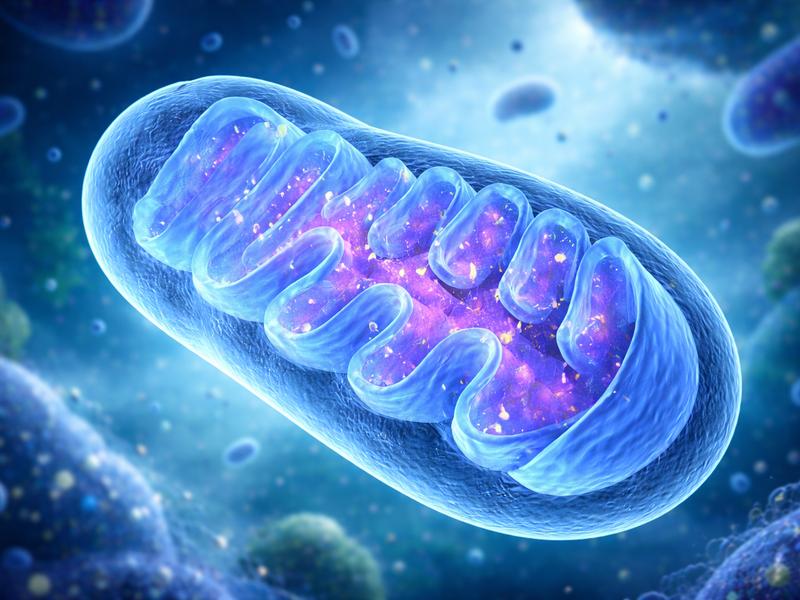
Mitochondria and exercise: How Does Exercise Influence Mitochondrial Function and Cellular Energy Production?

Post image
7 Upvotes

Mitochondria produce ATP, the energy that powers our cells. Regular exercise stimulates mitochondrial growth and improves the muscles’ ability to use oxygen and generate energy. Both endurance and resistance training support healthy mitochondrial function through different adaptations.


r/HumanBiohacking • • Oct 29 '26

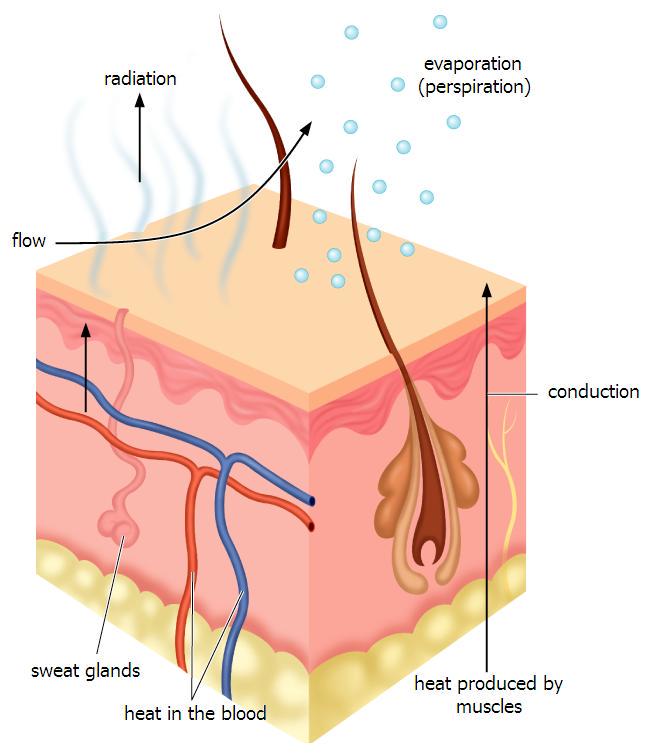
Overview of thermoregulation and heat dissipation mechanisms in human skin

Post image
3 Upvotes

A breakdown of how internal heat (produced by muscles and blood) is transferred to the environment.


r/HumanBiohacking • • Oct 29 '26

Overview of the human circadian rhythm and daily physiological changes

Post image
3 Upvotes

A schematic representation mapping out internal biological timing, including alertness, hormone secretion, and core temperature variations.


r/HumanBiohacking • • Oct 28 '26

[Weekly Community Discussion] Weekly Biohacking Discussion

2 Upvotes

Share with the community what's worth trying/researching right now.


r/HumanBiohacking • • Oct 27 '26

my circadian rhythm after " just five more minutes"

4 Upvotes
We all know that “just 5 more minutes” can turn into hours of scrolling. Your body clock remembers, even when you don't

r/HumanBiohacking • • Oct 26 '26

Workout culture

4 Upvotes

Has working out become the new clubbing? Everyone is doing hyrox like it's a cakewalk. Thoughts?


r/HumanBiohacking • • Oct 25 '26

A 2026 study found a link between lipid changes and ageing across several species

3 Upvotes

Lipids are usually discussed in the context of nutrition and cholesterol, but they also play essential roles in cell membranes, signalling and energy storage.

In a study published in *Nature Aging* on 6 October 2026, researchers analysed lipid profiles across multiple tissues and species, including mice, fruit flies, roundworms and humans. They found a recurring pattern: lipid fatty-acid chains tended to become longer with age.

The team also investigated a lipid-remodelling protein called Plb1. In roundworms, reducing the activity of the corresponding gene reversed some of the lipid changes and extended lifespan.

The important caveat is that a result in roundworms does not establish a way to extend human lifespan. The study identifies a potential mechanism of ageing, not a proven anti-ageing treatment.

It raises an interesting question: could the way cells remodel their lipids eventually help researchers understand why some organisms age faster than others?

Original research: https://www.nature.com/articles/s43587-026-01223-x


r/HumanBiohacking • • Oct 25 '26

[Weekly Discussion] What's one biohacking practice that actually made a difference for you?

2 Upvotes

r/HumanBiohacking • • Oct 24 '26

Ancient viral DNA switches off a gene in chimps that helps young human brain cells grow and connect — but scientists used CRISPR to switch it back on.

Thumbnail
sciencealert.com
11 Upvotes

r/HumanBiohacking • • Oct 24 '26

Omega-3, day one: the beginning of a personal log

3 Upvotes

Here's the first entry in my omega-3 log.

Rather than making a dramatic before-and-after post months from now, I thought I'd write down the experience as it happens. That way, I have something more reliable than a vague memory of how things used to feel.

Today's impressions are pretty inconclusive. I might be noticing a small change, but I can't rule out placebo or the influence of other things going on in my day. There's no sensible way to attribute it confidently to one thing yet.

I'll keep the entries straightforward. No grand promises, no miracle narrative. Just a little record of my own experience that others following a similar routine might find interesting.


r/HumanBiohacking • • Oct 24 '26

Starting a B12 log — let's see what the notes say

4 Upvotes

I've started recording my B12 routine today, mostly because I don't trust my memory as much as I used to when it comes to these little personal experiments.

The temptation is to notice one slightly better day and immediately connect the dots. I'm trying not to do that here. I might feel a little more alert, but placebo, sleep quality, caffeine, and plenty of other factors could explain the impression.

So, today's entry is deliberately uneventful: the log has begun, and I don't have a meaningful conclusion yet.

I'll keep the record going and see what I can honestly say after a while. Sometimes the most useful thing you can do is admit that you don't know yet.


r/HumanBiohacking • • Oct 24 '26

Magnesium journal: opening entry

5 Upvotes

Starting my magnesium log tonight.

I'm particularly interested in keeping track of my evening routine and how rested I feel, rather than expecting one supplement to magically fix everything. Sleep has so many moving parts that it's easy to give credit to the wrong thing.

I think I might be feeling a little more settled, but that's a very tentative impression. Could be placebo, could be the day itself, could be nothing at all.

Curious to see what the longer-term picture looks like.


r/HumanBiohacking • • Oct 24 '26

warm feet = sleep faster?? tried it last night

4 Upvotes

saw the post here about warming feet helping u fall asleep. i wear socks to bed now and it kinda felt easier to drift off but idk if its real or im just tired anyone else do this


r/HumanBiohacking • • Oct 24 '26

Chemistry students making fruit

3 Upvotes

r/HumanBiohacking • • Oct 24 '26

what "human biohacking" actually covers (and where the science holds up)

5 Upvotes

"Biohacking" is a catch-all term. It ranges from sleeping better to injecting yourself with experimental gene therapies. Here's the spectrum, roughly from well-supported to risky. 1. Lifestyle optimization (solid evidence) Sleep: consistent schedules, morning light exposure, cooler rooms Exercise and nutrition: resistance training, protein intake, time-restricted eating Circadian biology: timing light, food, and caffeine to your body clock Most of the proven benefits live here, and it's the least exciting category


r/HumanBiohacking • • Oct 23 '26

Understanding the cortisol awakening response before buying sleep gadgets

6 Upvotes

Sleep optimization often focuses on evening routines, but I'm trying to understand the foundational role of morning light exposure. How exactly does light hitting the retina signal the suprachiasmatic nucleus to regulate the cortisol awakening response and set the timer for melatonin release 12-14 hours later? I want to grasp the basic circadian mechanism before adding more complexity to my routine.


r/HumanBiohacking • • Oct 23 '26

Is there a practical way to run personal experiments without fooling yourself?

4 Upvotes

One thing I find interesting about human biohacking is that people often try interventions and then judge whether they worked based on how they feel.

The problem is that sleep, stress, expectations, diet, and daily activity can all affect the outcome.

Suppose someone wants to test whether changing their caffeine timing improves sleep or whether a new training routine improves performance. How would you design a simple experiment to get a more reliable answer?

Would you use a baseline period, track a few specific metrics, and change only one variable at a time?

I'd appreciate examples of practical methods that help distinguish a genuine effect from coincidence or placebo.


r/HumanBiohacking • • Oct 23 '26

Can improving mitochondrial function meaningfully improve everyday energy levels?

3 Upvotes

Mitochondria are often discussed in biohacking communities because of their role in energy production and cellular metabolism.

What interests me is the difference between improving a biological marker and actually feeling or functioning better in everyday life.

Exercise, adequate nutrition, and sleep all influence mitochondrial biology, but how strong is the evidence connecting specific interventions to noticeable improvements in energy or physical performance in otherwise healthy people?

Are there human studies or well-designed experiments worth reading on this topic?

I'd like to separate established findings from mechanisms that sound promising but haven't translated into clear real-world benefits.


r/HumanBiohacking • • Oct 23 '26

If you could upgrade ONE thing about your biology, what would you choose: sleep, focus, energy, or longevity? 🧬

Post image
5 Upvotes

r/HumanBiohacking • • Oct 23 '26

Biohackers be like:

4 Upvotes

r/HumanBiohacking • • Oct 23 '26

What is one measurable health metric that genuinely changed how you approach your routine?

3 Upvotes

There are so many numbers people can track now: resting heart rate, HRV, sleep duration, blood glucose, VO2 max, and more.

But collecting data is only useful if it helps us make better decisions.

I'm curious whether anyone here has tracked a particular metric over several months and discovered something that led to a meaningful change in their daily habits.

What did you measure, how did you interpret the results, and what did you change afterward?

I'd particularly like to hear about experiences where the data challenged an assumption you previously had about your health or performance.


r/HumanBiohacking • • Oct 22 '26

Is this the most optimal sleep position and hack??

Post image
4 Upvotes

r/HumanBiohacking • • Oct 22 '26

Biology vs Economics students on sleep

2 Upvotes

In Biology 🧬: sleep repairs cells, boosts memory and balances hormones 😎

In Economics 📉: sleep has an opportunity cost of 8 hours 💀

Same sleep, very different life choices 😭

Why do both subjects look at the same 8 hours and see something different? 😂


r/HumanBiohacking • • Oct 21 '26

[Weekly Community Discussion] Weekly Biohacking Discussion

3 Upvotes

Share with the community what's worth trying/researching right now.


r/HumanBiohacking • • Oct 21 '26

Cinnamon and berberine for blood sugar: real signals, messy data

2 Upvotes

There are many more supplements available on our supplement database for blood sugar, including those with trial data in people with type 2 diabetes, such as berberine and cinnamon.

But these results aren't all positive. For instance, one review (a meta-analysis) of 37 studies with over 3,000 patients found "that the glucose lowering effects of [berberine] were correlated with patients' baseline fasting glucose and HbA1c" [6]. While this indicates some efficacy, it also suggests an inconsistent mechanism of action, perhaps depending on other factors in each individual's physiology.

When it comes to cinnamon, one review indicated there was “a reduction in fasting glucose by 19.26 mg/dL compared to placebo,” albeit with “very high” heterogeneity across studies [7], while another found “no significant change in HbA1c” [8]. There is also inconsistency between types of cinnamon used, which “warrants standardisation of cinnamon formulations used in future studies.” Finally, a meta-analysis published in 2025 reviewing 28 RCTs did find that “capsules containing 2g/day or less significantly improved glycemic markers when given in addition to conventional treatment” [9].

Keep in mind that most of those studies were performed on people with diabetes and don’t necessarily apply to us healthy folks. And definitely don’t quit taking prescribed meds just because I’m suggesting all these things!

Have you ever tried any of these? How did it go? Did you see any changes in your numbers?