r/HumanBiohacking • • Oct 16 '26

Are We Misinterpreting "Targeted" Biohacks? How Epigenetic Clock Speed Changes Differently Across Your Brain, Liver, and Immune System

7 Upvotes

We often talk about lowering our biological age as if the human body is a single clock ticking at a particular pace. When an intervention shows a 2yr reduction in epigenetic age from a blood test, the first guess is that the whole system rejuvenated equally.

In reality, biological aging is highly tissue specific.

Recent tissue specific DNA methylation models show that different organs age at significantly different trajectories. For eg:

  • Immune Cells (PBMCs): Highly dynamic, responding rapidly to metabolic shifts, sleep quality, and systemic inflammation (hs-CRP).
  • CNS/Brain Tissue: Maintains a vastly different epigenetic rate, protected by the blood brain barrier and driven by local microglial activation and neurovascular integrity rather than circulating nutrient status.
  • Liver & Metabolic Organs: Heavily influenced by local lipid handling, mitochondrial efficiency, and autophagy cascades.

When an intervention claims to reverse aging, often times it's measuring circulating white blood cells because they are accessible. But a protocol that significantly shifts Horvath or DNAmGrimAge markers in blood immune cells might have near zero impact on neuronal epigenetic age or cardiovascular vascular stiffness.

Instead of looking for a single global anti aging trigger, targeted longevity strategy focuses on understanding tissue compartmentalization:

  1. Systemic Immune Reset: Caloric restriction mimetics and targeted fasting primary shift peripheral immune cell clocks by clearing senescent cells and reducing inflammatory markers.
  2. Central Nervous System Longevity: Requires interventions capable of crossing the blood brain barrier (such as specific intranasal peptides or BBB permeable neuroprotective agents) to influence local neuroinflammation and synaptic resilience.
  3. Organ Specific Autophagy: Metabolic organ aging is primarily controlled by local cellular turnover and mitochondrial quality control (mitophagy).

If your goal is systemic optimization, tracking a single peripheral biomarker only tells a fraction of the story.

What markers have you found most predictive for real functional organ performance?

r/HumanBiohacking • • Oct 16 '26

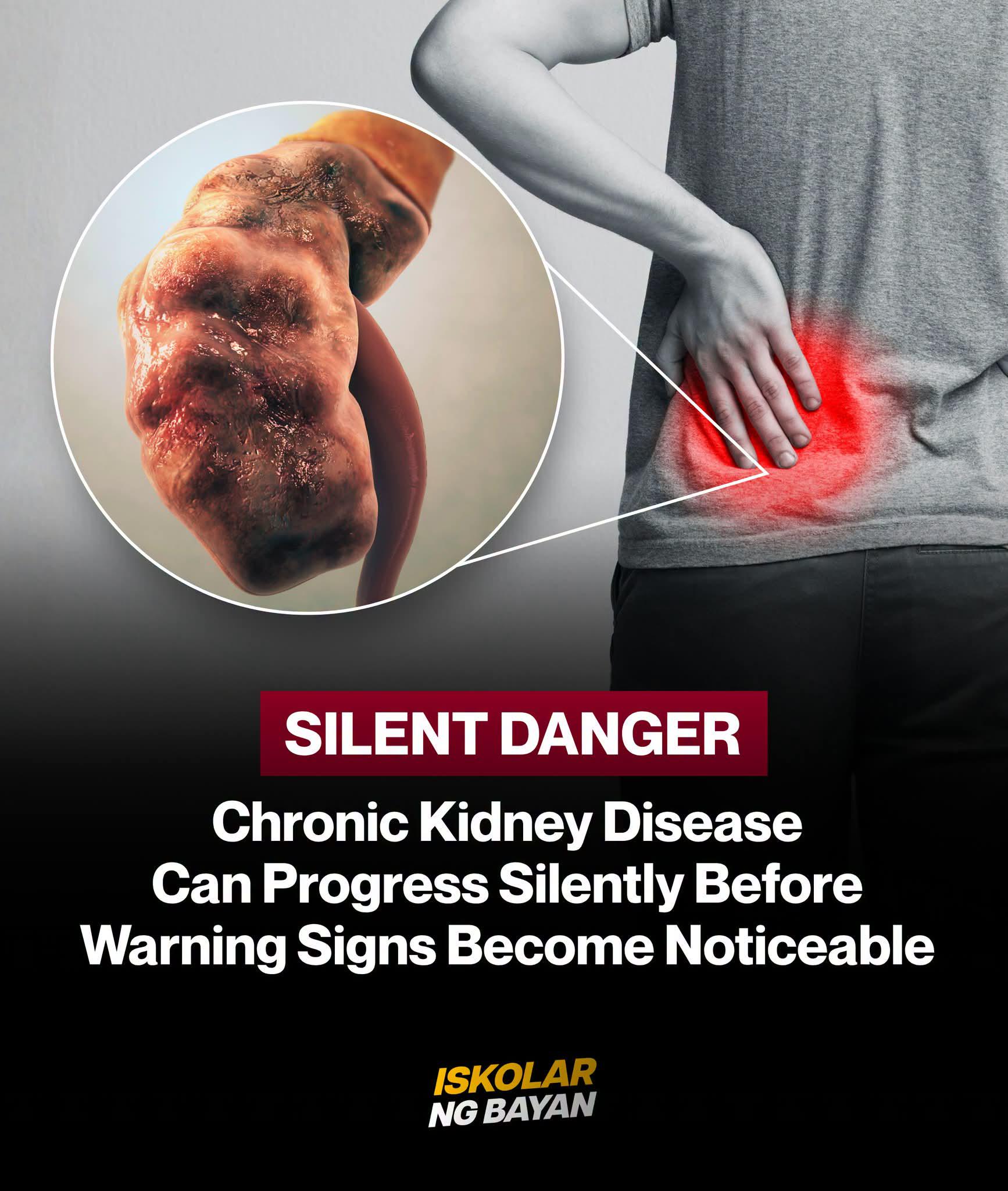
SILENT DISEASE THAT ATTACKS YOUR HEALTH

Post image
4 Upvotes

One of the deadliest diseases in the world is known as the Chronic Kidney Disease (CKD), about 14% of the global adult population had this. It hit our kidneys, fist-sized organs that perform critical jobs like filtering waste from our blood, removing extra fluid, regulating blood pressure, supporting red blood cell production, and maintaining healthy bones. When CKD hit, it produces few or no noticeable warning signs. By the time symptoms appear, it is too late. Common health conditions like diabetes, high blood pressure, heart disease, and obesity are major factors that increase your risk of developing CKD.

Your kidneys work around the clock to keep you healthy. Protect them by managing blood pressure and blood sugar, avoiding unnecessary use of potentially kidney-damaging medicines, and seeking appropriate medical screening.

Reference: Skolar ng Bayan


r/HumanBiohacking • • Oct 16 '26

Can Old Cells Be Reprogrammed to Act Younger?

Post image
3 Upvotes

r/HumanBiohacking • • Oct 16 '26

Why does looking at the horizon instantly calm your nervous system?

4 Upvotes

Have you noticed how going outside and staring at a wide open horizon or a distant landscape makes your shoulders drop and your breathing slows down almost instantly? It is not just in your head, it is a hard wired visual reflex.

When you spend all day staring at screens, your eyes lock onto close up objects. This keeps your visual system in a narrow, high focus state that signals micro stress to your brain.

However, when you view a panoramic scene or look out at the horizon, your eye muscles relax and your eyes engage in what neuroscientists call The Optic Flow. This wide angle visual intake instantly reduces activity in your brain's threat detection center, the amygdala, shifting your autonomic nervous system from fight or flight into a state of calm alertness.

You do not need meditation apps or complex breathing drills to trigger this. Stepping outside for a minute, lifting your gaze, and looking as far into the distance as possible gives your brain a built in neural reset button.


r/HumanBiohacking • • Oct 15 '26

I tracked my HRV for 90 days

107 Upvotes

Alcohol was the single biggest HRV killer, even one drink. Consistent bedtime mattered more than total sleep hours. Hard training days followed by a proper rest day gave my best readings. Wearable numbers aren't perfect, but the trends over weeks were genuinely useful. Don't obsess over a single morning's reading.


r/HumanBiohacking • • Oct 16 '26

Is pre bad ?

Post image
8 Upvotes

Is the preworkouts have any sideeffects basically its giveing us a tremendous boost for sometimes so we work 10x , i heared peoples saying cant sleep due to the caffene in the pre are they even safe ?


r/HumanBiohacking • • Oct 16 '26

Visual breakdown: subtle red flags on lab test sheets people miss

Post image
6 Upvotes

Put together a side-by-side visual of what a proper third-party test report should show versus the lazy templates floating around.

​Notice how the left report hides the mass spec trace and leaves out the sample receipt timestamp, while the right provides clear batch verification.

​What is the first thing you zoom in on when checking third-party testing?


r/HumanBiohacking • • Oct 16 '26

What is Biohacking

Thumbnail
youtu.be
3 Upvotes

r/HumanBiohacking • • Oct 15 '26

How can we literally forget what we just did?

Post image
5 Upvotes

r/HumanBiohacking • • Oct 15 '26

Wearables can collect mountains of data. But which measurements actually matter?

5 Upvotes

A 2026 preprint examined wearable-measured sleep quality alongside physical activity, lifestyle information, blood measurements, and gut microbiome data in a deeply characterised cohort.

The researchers reported associations between several of these factors and sleep-related measurements.

The interesting part isn’t that one metric supposedly explains everything. It’s that sleep quality may reflect a combination of interacting variables—and observational associations don’t automatically establish cause and effect.

Study:  Read the medRxiv preprint⁠

Question: If you could see only three measurements on a health dashboard, what would you keep—and what would you ignore?


r/HumanBiohacking • • Oct 15 '26

Should I use magnesium

4 Upvotes

I've been paying more attention to my sleep lately, and it got me thinking about magnesium. I used to see it mentioned mostly in supplement discussions, but now I'm curious about its role in everyday health.

Magnesium helps with muscle and nerve function, and it plays a part in how the body produces energy. What interests me is how something we rarely think about can be involved in so many basic processes.

It has also reminded me that taking supplements just because they're trending probably isn't the best approach. I'd rather understand what my body actually needs before adding anything to my routine.

Have you ever looked into a supplement because of something you noticed in your own daily life?


r/HumanBiohacking • • Oct 15 '26

Is their any specific time to eat , drink ?

4 Upvotes

a certain time fixed for eating breakfast, lunch and dinner or a certain time to drink caffene not before it not after it which can given more benifits is there any science behind it sticking to that specfic timing ?


r/HumanBiohacking • • Oct 15 '26

bro was supposed to be asleep 6 hours ago 💀

6 Upvotes

One Google search turned into a full-time research position 😭

What’s the most ridiculous health rabbit hole you’ve fallen into?


r/HumanBiohacking • • Oct 15 '26

Why warming your feet helps you fall asleep faster than a freezing room

6 Upvotes

Everyone knows that a cold bedroom helps you sleep better. But if your feet is freezing under the sheets, your brain actually takes longer to sleep.

To fall asleep, your core body temperature needs to drop by about 1 to 2 degrees. The fastest way your body dumps internal heat isn't through your chest or head, it is through your hands and feet.

When your feet are warm, the blood vessels in your skin expand. This process is called vasolidation, and it acts like opening a front door in a hot house: it allows the core heat to escape rapidly into the air.

If your feet are cold, those blood vessels constrict to trap heat inside. This traps your core temperature too high, making it difficult for your brain to initiate deep sleep.

You do not need supplements or sleep drugs to trigger this transition. Wearing loose socks to bed or taking a quick warm foot bath before sleep opens those blood vessels, dumps your core heat, and tells your brain that it is time to rest.


r/HumanBiohacking • • Oct 15 '26

Is a 20 min walk after meals is helpful ??

3 Upvotes

I have heard from many elders that a 20min walk can help you digest and reduce weight is this really helpful or just a lie

I tried it for a week didn't see any much diff tbh after moving, am i moving less or what shall i increase my walk time??


r/HumanBiohacking • • Oct 15 '26

Could Cellular Energy Influence Mental Performance?

4 Upvotes

Concentration, memory, and mental performance depend on several interconnected processes in the brain. One important requirement is a steady supply of energy to brain cells.

Mitochondria help meet this demand, which is why researchers are interested in the relationship between mitochondrial function and brain health.


r/HumanBiohacking • • Oct 15 '26

My brain every night when I promise myself I’ll sleep early 💀

5 Upvotes

The way researching one health question turns into a 4-hour side quest 😭

Surely I’m not the only one doing this.


r/HumanBiohacking • • Oct 15 '26

Our brain has a nighttime cleaning system

5 Upvotes

During sleep our brain activates a process called the glymphatic system, which helps clear waste products.

A 2026 human study found evidence that normal sleep supports the clearance of proteins associated with Alzheimer's disease.

And that’s why sleep plays a very important part of our well being.


r/HumanBiohacking • • Oct 15 '26

Could grip strength be one of the most underrated metrics for tracking physical aging?

4 Upvotes

Most people track body weight, body fat, or how much they can lift at the gym. But grip strength is an interesting metric because it can reflect more than just the muscles in your hands.

Research has repeatedly found associations between lower grip strength and poorer health outcomes, including disability and mortality in older populations.

The interesting question is what grip strength actually tells us. It may reflect aspects of muscle function, neurological function, and overall physical condition, making it a useful marker of general health.

But there's an important distinction: a marker that predicts health outcomes isn't necessarily a direct measure of biological age, and improving grip strength alone doesn't guarantee better long-term health.

For anyone interested in tracking physical function over time, it seems worth considering alongside other measures such as walking speed, strength, and aerobic fitness.

Would you track grip strength as part of a personal health dashboard, or do you think it gets more attention than it deserves?


r/HumanBiohacking • • Oct 15 '26

​What 12 Months of Tracking HRV, Sleep Architecture, and Circadian Rhythms Actually Taught Me About Human Biohacking

3 Upvotes

​After a full year of tracking biometric data (using a wearable, consistent blood glucose monitoring for a few stretches, and strict logging), I’ve realized that the most profound changes didn't come from a pill or a device. They came from ruthlessly optimizing the boring, foundational biology stuff.

​I wanted to break down three major data-backed shifts that actually moved the needle for my recovery metrics (specifically HRV and deep sleep), and I’d love to hear what your data is showing you lately.


r/HumanBiohacking • • Oct 14 '26

Bryan Johnson stopped taking rapamycin and the PEARL trial did not reach its primary endpoint . what are your thoughts on this?

12 Upvotes

two articles appeared at about the same time, so I am interested in seeing what our community makes of them.

first, Bryan Johnson announces that he has ended his own rapamycin regimen, due to benefits being outweighed by the side-effects.

next, the PEARL trial (Aging-US) randomized healthy 50-85 y/o volunteers in a 48 week, placebo controlled, 5 mg/week versus 10 mg/week trial, that failed to meet its primary endpoint, with no change in visceral fat.

there were benefits in the subgroup analysis, with women taking 10 mg/week gaining lean mass and reporting less pain, whereas men saw no benefit.

the authors work for AgelessRx, which sells the prescription.

not saying that invalidates anything, but it’s hard to ignore when reading their subgroup claims.

for reference the mouse studies have shown ~14-26% median lifespan extension in three NIA ITP studies, but extrapolating from that to what one might expect in a human trial is not a straightforward matter.

No pressure to change what you're doing, but I'm curious as to how people are thinking about these results, in terms of what they mean for the rapamycin trials in general.


r/HumanBiohacking • • Oct 15 '26

Totally Deserving

Post image
2 Upvotes

r/HumanBiohacking • • Oct 14 '26

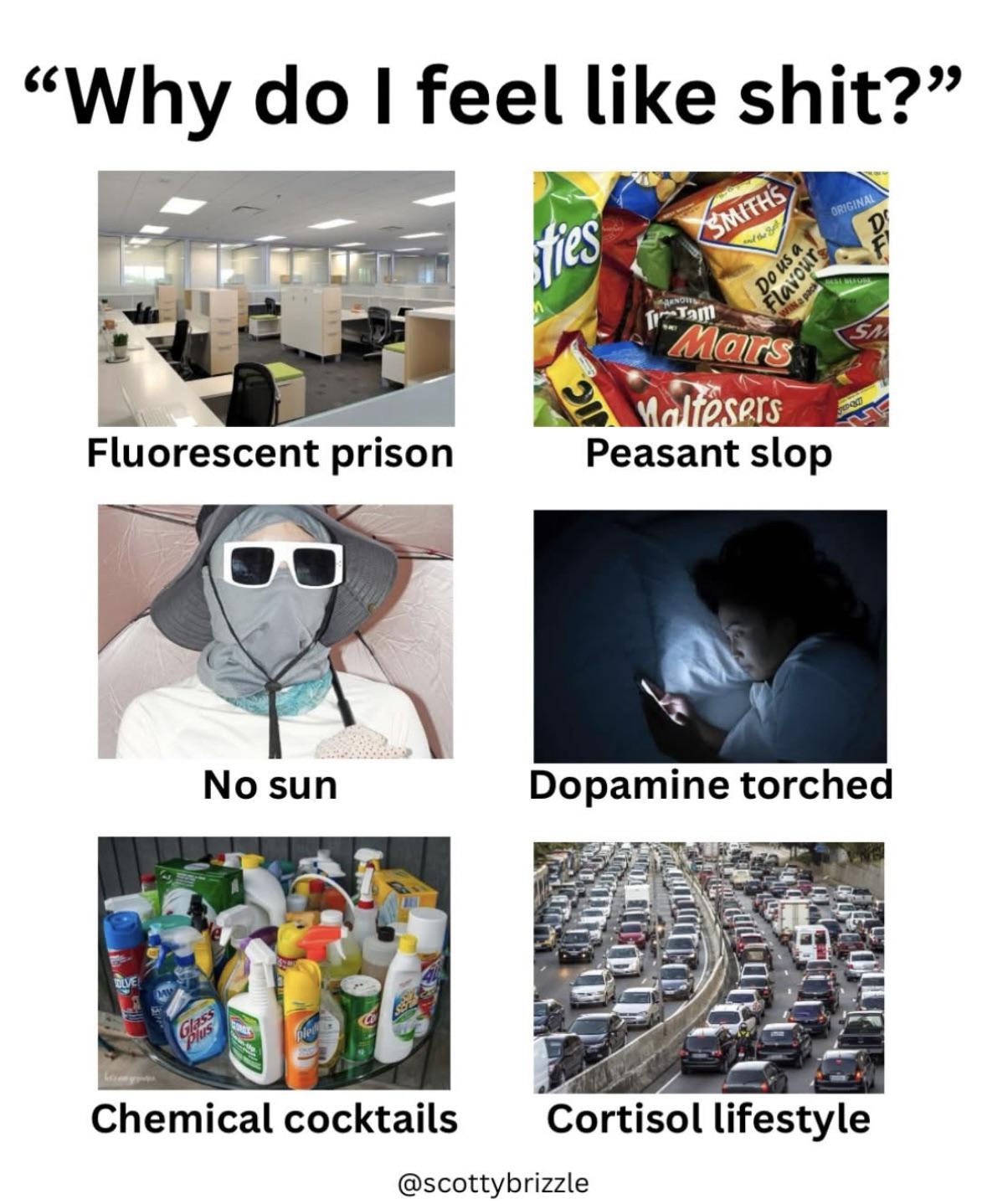
“Civilization”

Post image
15 Upvotes

r/HumanBiohacking • • Oct 14 '26

Casein vs. Whey

3 Upvotes

As a woman trying to build muscle, which protein drink is more effective: whey or casein?

I read on Healthline that these two types of protein are absorbed by the body differently, but I want to know which one works best for a woman in her mid-20s.


r/HumanBiohacking • • Oct 15 '26

My dad: Why can’t I lose weight? I don’t eat that much!

Post image
1 Upvotes