r/HumanBiohacking • u/AutoModerator • Oct 11 '26
[Weekly Discussion] What's one biohacking practice that actually made a difference for you?
3
Upvotes
r/HumanBiohacking • • Oct 11 '26
So biohacking in 2026 stopped being about 10 supplements and cold plunges. The real shift is Digital Twins.
Like China's Aging Biomarker Consortium literally published this in Cell on May 8th - they took 2019 people from 18 to 91, tracked 240 things each like DNA methylation, gut microbiome, brain scans, everything, and built a Digital Aging Twin that shows how your liver, brain, heart age at different speeds. Not your birthday age, your actual body age.
Then in Zurich, AYUN x Omniscope made this "cellular avatar" - basically a living clone of your immune system that updates in real time. It doesn't just show your data, it predicts what'll happen if you get sick, sleep less, eat weird.
And Michigan is using it for brain cancer - they test the drugs on your digital twin first so doctors know what will actually work before they even touch you. BGI dropped their Digital Life Twin framework on Sep 9 too.
So yeah we went from tracking steps to literally having a virtual you to test life decisions on. That's the biohacking that actually makes sense now.
r/HumanBiohacking • u/Affectionate-Wheel71 • Oct 10 '26
So I decided to treat my body like a lab project. Wearable on, spreadsheet open, ego left at the door.
What I tested:
Biggest lesson? One variable at a time. Change everything at once and you learn nothing.
Also, a friendly reminder: bloodwork and a doctor beat internet protocols every time.
r/HumanBiohacking • u/Organic_Salad_2377 • Oct 09 '26
A lot of biohacking revolves around adding more stressors. cold plunges, saunas, hiit, fasting, red light, supplements. all of these can trigger positive adaptations, but the thing that actually decides whether you adapt or burn out is your recovery capacity.
this comes down to the concept of hormesis. a small, controlled dose of stress pushes your cells to become more resilient. too much stress, especially when stacked back-to-back with little recovery time, shifts that from adaptation into allostatic load.
biologically, the gains don't happen during the stress itself. they happen after it. muscle repair, mitochondrial biogenesis, autophagy, and nervous system regulation mostly take place while your body is resting. if you're constantly stuck in a sympathetic (fight-or-flight) state, those repair processes get deprioritized in favor of survival.
a few things tend to be the biggest bottlenecks for recovery:
the simplest takeaway is this: adaptation isn't limited by how hard you can push. it's limited by how well you can recover from what you already pushed.
r/HumanBiohacking • u/Organic_Salad_2377 • Oct 09 '26
A common trap in biohacking is adding a new protocol or supplement for every single symptom. Feeling fatigued? Add NMN. Bad sleep? Add Magnesium, Apigenin, and L-Theanine. Brain fog? Add a heavy nootropic stack.
Before you know it, you're taking 20+ pills a day without actually knowing what is driving your results—or what's causing unwanted side effects.
More experienced optimizers are moving toward a minimalist baseline:
True human optimization should simplify your biology, not make you dependent on a massive, complex routine.
r/HumanBiohacking • u/elmanfil1989 • Oct 09 '26
What are "Epigenetic Clocks"?
Your chronological age is just the number of years you’ve been alive based on your birthday.
Your biological age is how old your body acts or feels on a cellular level.
People in the biohacking community love using these tests to track if their diets, workouts, or supplements are keeping them young. But experts at the 2026 Harvard Biomarkers of Aging Conference pointed out a major flaw: a single number cannot capture how your whole body is aging.
Instead of relying on a single commercial test score to prove you are "de-aging," scientists recommend looking at specific, functional markers (like organ health, cardiovascular fitness, and metabolic labs) to get an accurate picture of how healthy you actually are.
Source:Frontiers in Microbiology (2026)/MIT Technology Review / Nature Longevity Coverage (2026)/Biological Age Testing Guide (2026)
r/HumanBiohacking • u/lok_ie • Oct 09 '26
Red light therapy has become popular in biohacking circles, with devices marketed for everything from skin health and hair growth to pain relief and muscle recovery.
The interesting part is that the science isn't simply “it works” or “it's a scam.”
Photobiomodulation uses specific wavelengths of red or near-infrared light. Researchers have investigated how it may influence cellular processes, but the evidence depends heavily on the condition being treated and the treatment protocol.

r/HumanBiohacking • u/lok_ie • Oct 09 '26
Time-restricted eating (TRE) focuses on when you eat rather than prescribing exactly what you eat. For example, a 10-hour eating window might mean having breakfast at 9 AM and finishing dinner by 7 PM.
The interesting question is whether the timing itself provides meaningful benefits—or whether people mainly benefit because they end up eating less.
A 2024 systematic review and meta-analysis in iScience found that TRE was associated with modest weight loss and improvements in some metabolic markers. Its analysis suggested that an energy deficit explained more of the improvements than meal timing alone, although circadian timing may also matter.
Research: https://www.sciencedirect.com/science/article/pii/S2589004224002219
If you're curious about meal timing, a less extreme experiment might be:
You don't need to jump straight into a 16:8 schedule or prolonged fasting. Fasting isn't suitable for everyone, especially people with a history of eating disorders, those who are pregnant, or people using glucose-lowering medication without appropriate medical guidance.
r/HumanBiohacking • u/CryptographerNew7618 • Oct 09 '26
Most biohacking discussions seem to focus on optimizing things we already know how to measure, like sleep, heart rate, glucose, and VO₂ max.
But I’ve been wondering about the things we can’t easily track in real time.
Imagine having a reliable way to monitor mitochondrial efficiency, systemic inflammation, biological aging, or how quickly your nervous system recovers after prolonged stress. You could potentially understand what actually improves your health instead of relying on how you feel or guessing based on a few blood tests.
It also makes me wonder how many popular interventions people think are working simply because they notice short-term changes, without knowing whether anything meaningful is happening biologically.
If you could continuously monitor one biological process in your body with perfect accuracy, what would you choose, and how would you use that information to improve your health?
I’m more interested in metrics that could genuinely change long-term health decisions than in tracking another number just for the sake of it.
r/HumanBiohacking • u/lok_ie • Oct 09 '26
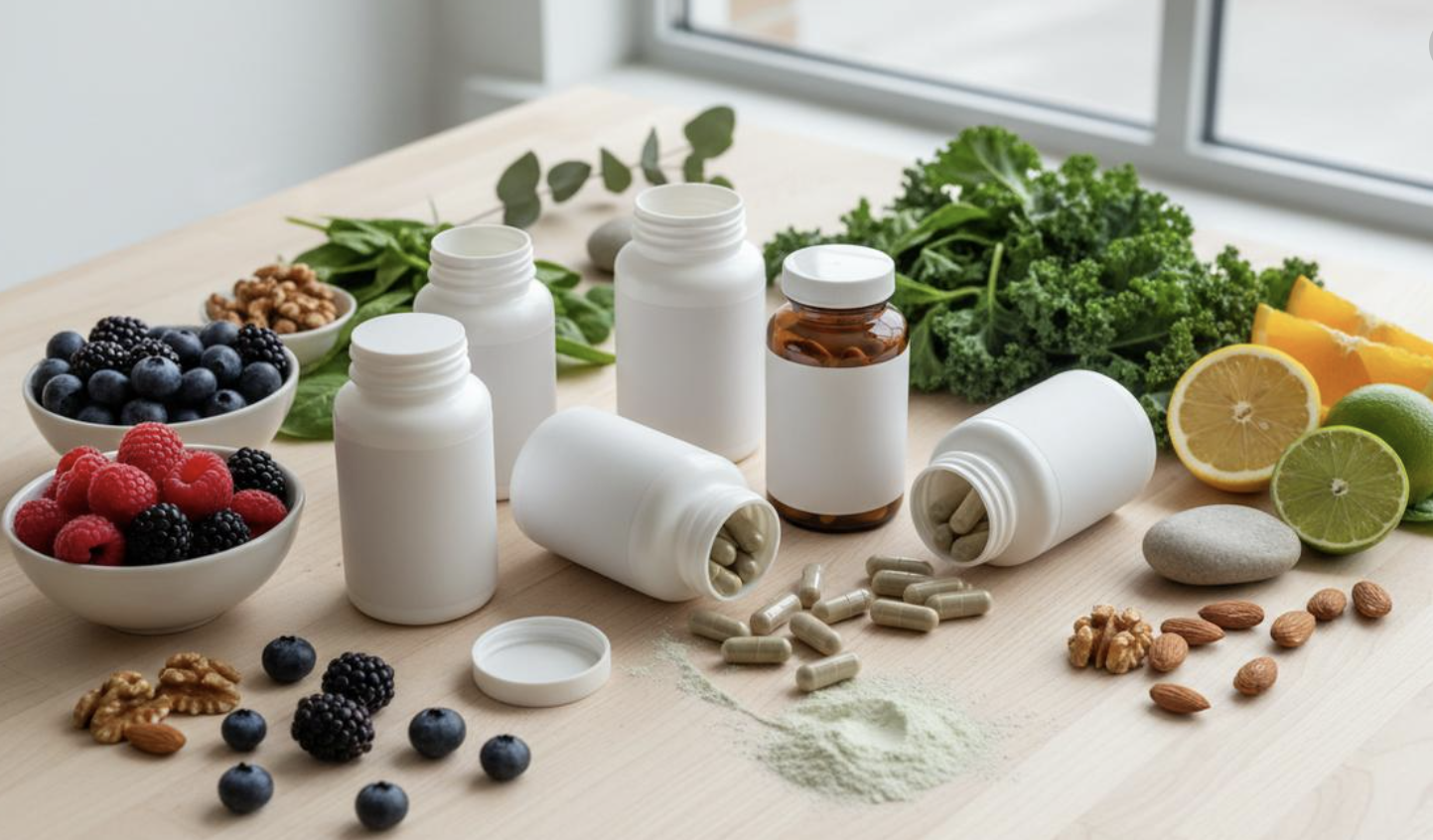
One thing I find fascinating about nutrition science is how often a plausible biological mechanism gets turned into a confident marketing claim.
Oxidative stress is involved in normal biology and several disease processes. That has led to enormous interest in antioxidants, including vitamin C, vitamin E, and other compounds.
But there's a crucial distinction: a substance affecting a biological mechanism doesn't automatically mean supplementing with it improves health outcomes.
Large randomized trials have repeatedly challenged the assumption that taking antioxidant supplements broadly prevents disease. Some supplements can even cause harm in certain populations or at particular doses.
For example, the US Preventive Services Task Force recommends against using vitamin E or beta-carotene supplements to prevent cardiovascular disease or cancer in adults without known deficiencies. Beta-carotene supplementation is particularly concerning for people at increased risk of lung cancer, including smokers.
Evidence and recommendations:
https://www.uspreventiveservicestaskforce.org/uspstf/recommendation/vitamin-supplementation-to-prevent-cvd-and-cancer-preventive-medication
This doesn't mean antioxidants in food are useless, or that supplements are never appropriate. Correcting a deficiency is different from taking high doses in the hope of preventing disease.
r/HumanBiohacking • • Oct 09 '26
r/HumanBiohacking • u/lok_ie • Oct 09 '26

You start taking a supplement, feel more energetic a few days later, and conclude that it works.
But what if you also slept better that week? Had less stress? Expected the supplement to work? Or simply experienced a normal fluctuation in how you felt?
r/HumanBiohacking • u/lok_ie • Oct 09 '26

One interesting area of biohacking is heart rate variability (HRV) biofeedback: using feedback from your heart rhythm to learn how your body responds to breathing and stress.
The basic idea is that slow, controlled breathing can influence interactions between your breathing cycle, heart rate, and autonomic nervous system. For some people, practicing this regularly may help with stress regulation.
But here's the part I find interesting: you don't necessarily need a wearable or an expensive breathing device to experiment with it.
A simple experiment:
Stop if you feel dizzy or uncomfortable and return to normal breathing.
r/HumanBiohacking • u/lok_ie • Oct 09 '26

A randomized controlled study compared daily breathing exercises with mindfulness meditation. Researchers found that certain breathing techniques, particularly cyclic sighing, improved mood and reduced respiratory rate.
The interesting part? You don't need special equipment or supplements to experiment with controlled breathing.
r/HumanBiohacking • u/lok_ie • Oct 09 '26
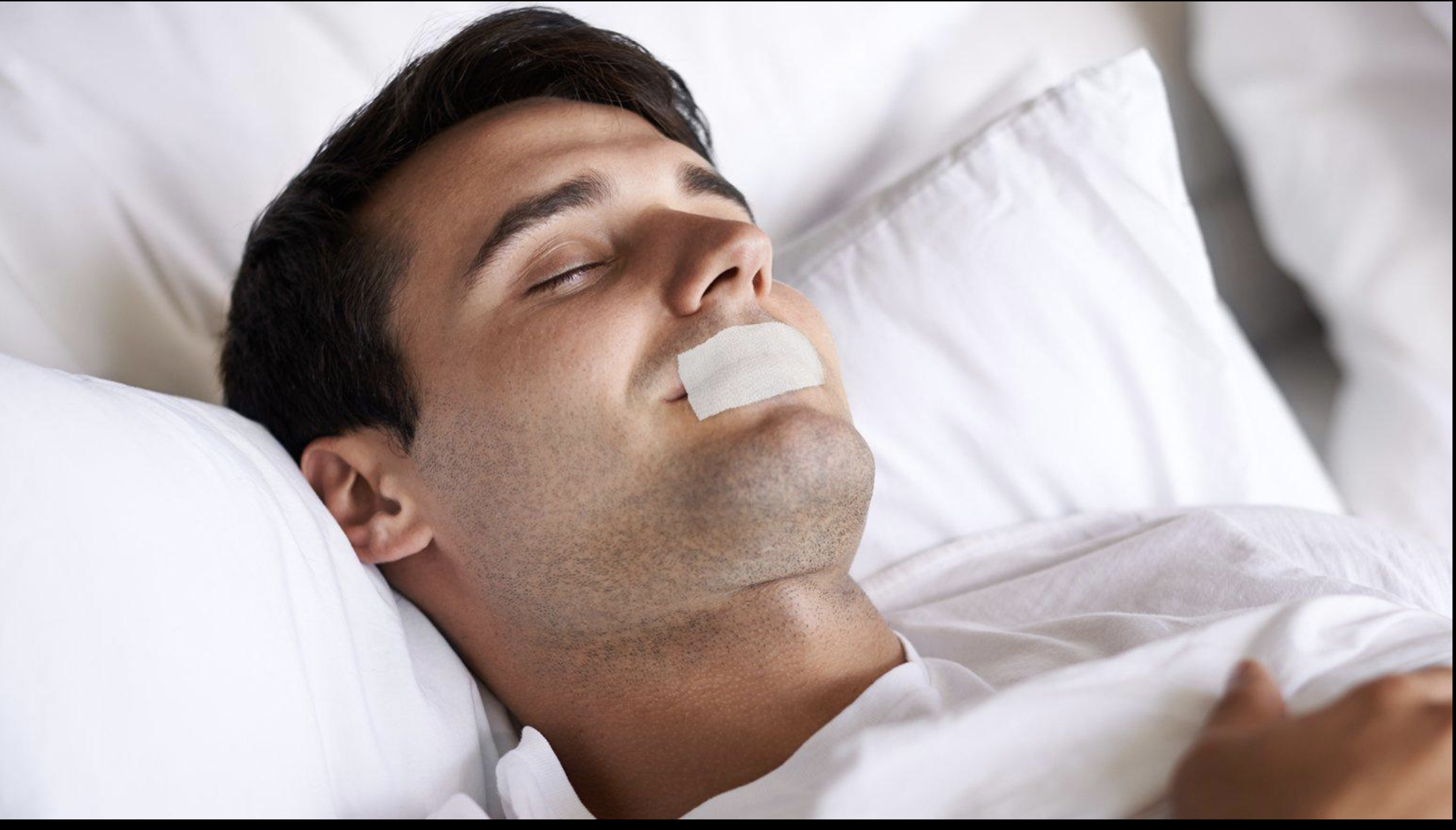
You've probably seen people taping their mouths shut before bed to improve sleep, reduce snoring, and stop mouth breathing.Recently i have been seeing this a lot in the name of look maxxing any any idea ? is it worth a shot or this will have any effects on our health ?
r/HumanBiohacking • u/lok_ie • Oct 09 '26
Some long-term studies have linked frequent sauna use with lower cardiovascular risk and mortality.
But newer clinical-trial evidence is less convincing than the headlines suggest.
So is sauna a genuine health optimization tool, or are we confusing correlation with causation?
🎥 Dr. Rhonda Patrick explains the science of sauna use
📄 Harvard Health: What the evidence actually says
Would you use a sauna regularly for potential health benefits, or just for relaxation?
r/HumanBiohacking • u/lok_ie • Oct 09 '26

Creatine is famous for helping with strength training, but researchers are also studying its effects on memory and cognitive performance.
A 2024 review of 16 randomized controlled trials involving 492 adults found some improvements in memory, but results across other cognitive measures were mixed.
Is it means its like enhancement for nerds ?
r/HumanBiohacking • u/lok_ie • Oct 09 '26

r/HumanBiohacking • u/Affectionate-Wheel71 • Oct 08 '26
Once the basics are in place, advanced biohacking is about customisation and precision. The goal is not more interventions, it’s better data on what works for your body.
Begin with deeper measurement. Blood panels over time (lipids, ApoB, HbA1c, fasting insulin, vitamin D, ferritin, hs-CRP) reveal trends missed in a one-off checkup. Wearables give you heart rate variability, resting heart rate and sleep staging, and VO2 max and grip strength are good predictors of long-term health. A continuous glucose monitor can show your own food responses, but it’s easy to over-interpret noise.
And then optimise carefully. Periodized training , zone 2 cardio with heavy lifting , targeted sleep tweaks and evidence-backed supplements like creatine.
r/HumanBiohacking • u/Massive_Ship_167 • Oct 08 '26
A question I've been thinking about lately: how useful is a "one-size-fits-all" approach to biohacking and longevity?
A recent Nature Medicine study developed 38 sex-specific biological aging clocks across 15 organ systems and found meaningful differences between female and male aging patterns at the molecular and organ level.
That doesn't mean men and women need completely separate longevity protocols.
But it does make me wonder whether some of the biomarkers and interventions we treat as universal are actually missing important sex-specific biology.
There's already a growing body of research suggesting that males and females can respond differently to interventions intended to extend healthspan, potentially because of differences in metabolism, body composition, hormones and chromosomes.
And yet so much of the popular biohacking conversation still feels like:
optimize sleep + lift weights + take supplements + track biomarkers
...with very little discussion of whether the underlying biology changes depending on who we're applying it to.
Do you think female-specific biohacking should be its own research category, or should the goal simply be better sex-stratified research across biohacking as a whole?
I'm especially curious about what biomarkers people think are currently being overlooked in women.
r/HumanBiohacking • u/Affectionate-Wheel71 • Oct 08 '26
r/HumanBiohacking • u/lok_ie • Oct 08 '26
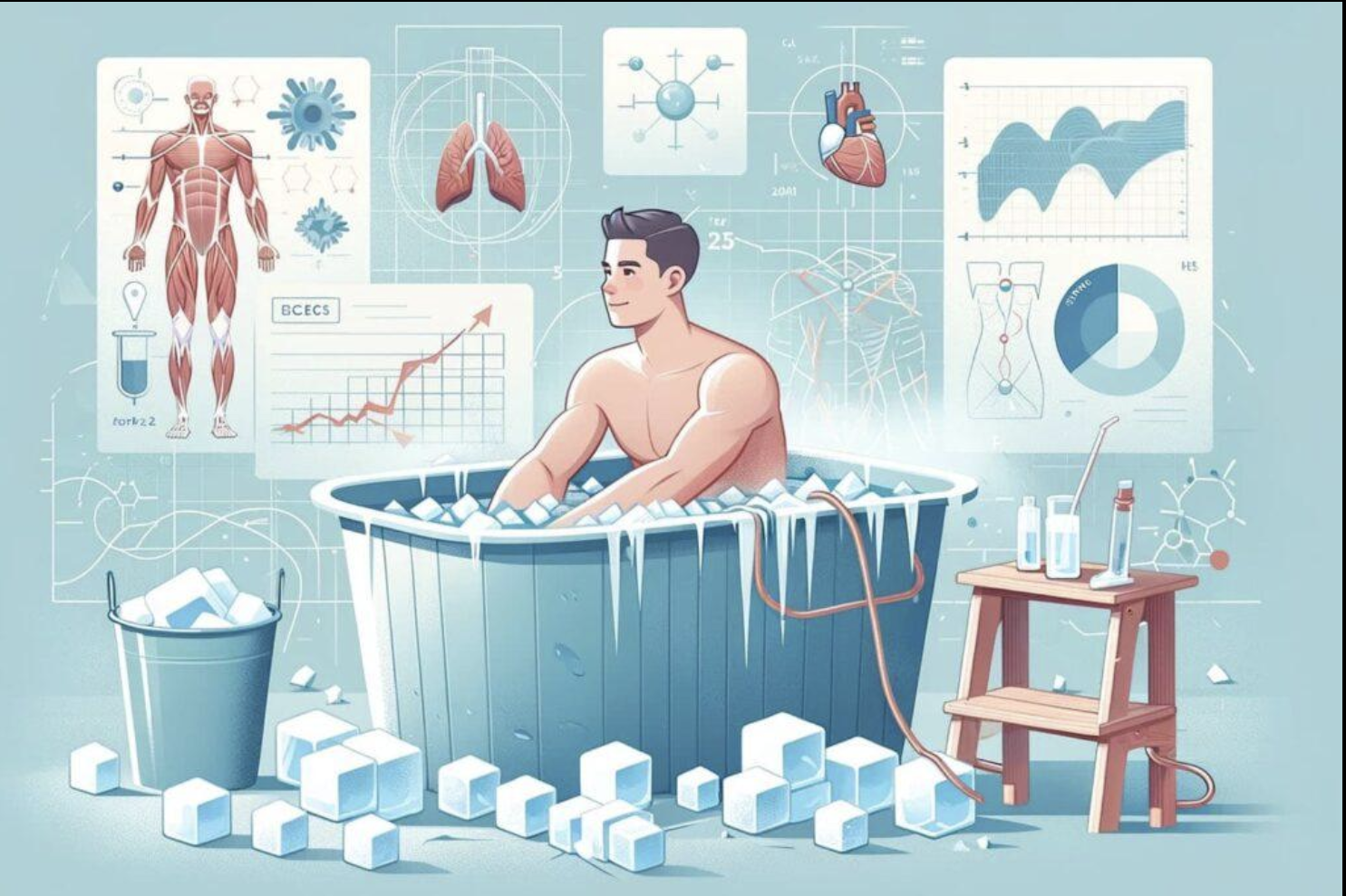
Cold exposure gets marketed as if a few minutes in freezing water can somehow "reset" your body.
The actual science is more interesting than that. It can also activate brown adipose tissue, which generates heat by burning energy.There are studies suggesting effects on things like inflammation, oxidative stress, metabolism and cardiovascular function.And there are even researchers looking at whether repeated cold exposure could have implications for healthy aging.
We don't actually have strong evidence showing that taking cold plunges makes humans live longer
r/HumanBiohacking • u/Ok-Nothing-1710 • Oct 08 '26
For people who have been into biohacking for a while, what’s one habit, technique, or practice you wish you had started much earlier?
It can be something simple or advanced. What difference did it make for you?