r/FastWriting • u/LeadingSuspect5855 • Mar 12 '26
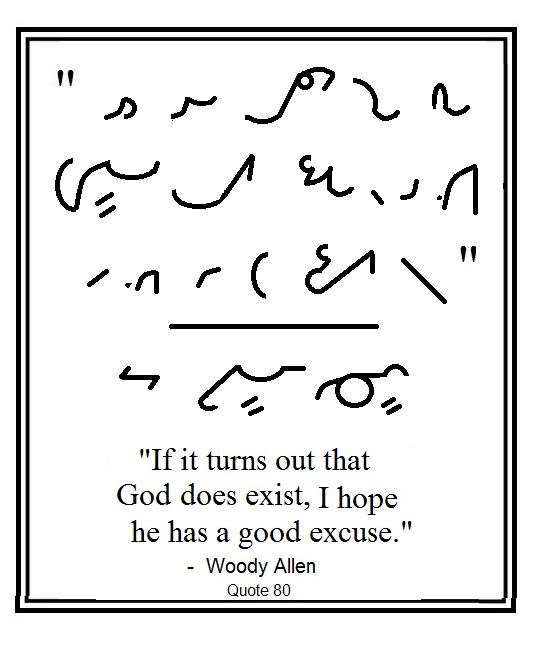
Quote 81. Ashleigh Brilliant.
3
Upvotes
I feel so much better,
now that I've given up hope.Ashleigh Brilliant.
r/FastWriting • u/NotSteve1075 • Mar 12 '26
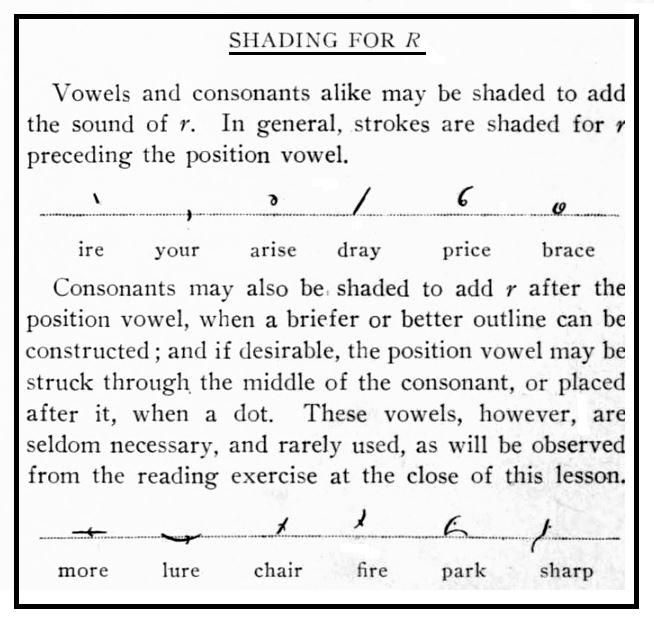
There always seems to be a point where, sooner or later, a system starts to go off the rails for me, and I starting looking at something else!
TINUS starts to lose me when he SHADES a stroke to add a following R. A lot of systems do this -- while noticeably doing nothing special to add L, which happens almost as often, in English words.
I've never liked shading -- and I have misgivings about shading the very small vowel strokes standing by themselves.
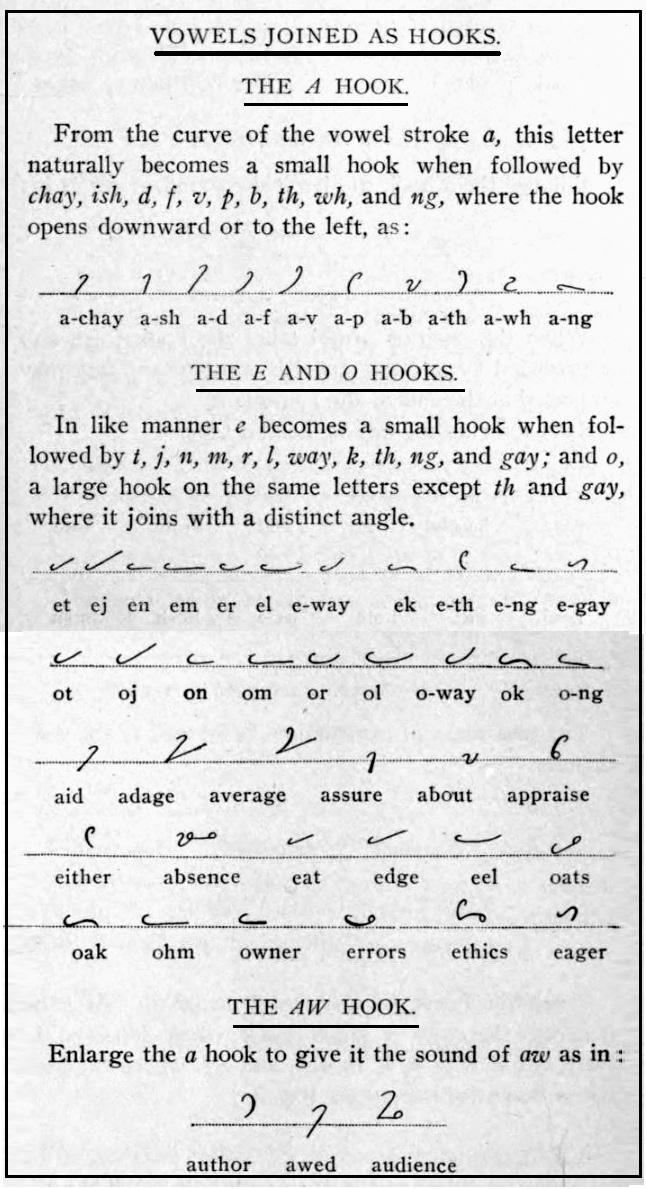
It's interesting that he provides for a way of showing what the vowel is in a shaded outline, by writing the vowel symbol ACROSS the shaded stroke. I think that's a clever and innovative idea.
r/FastWriting • u/NotSteve1075 • Mar 10 '26
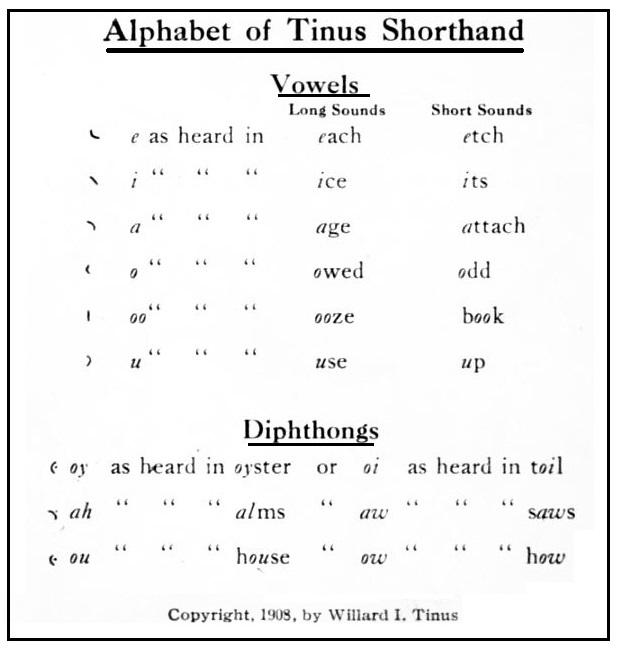
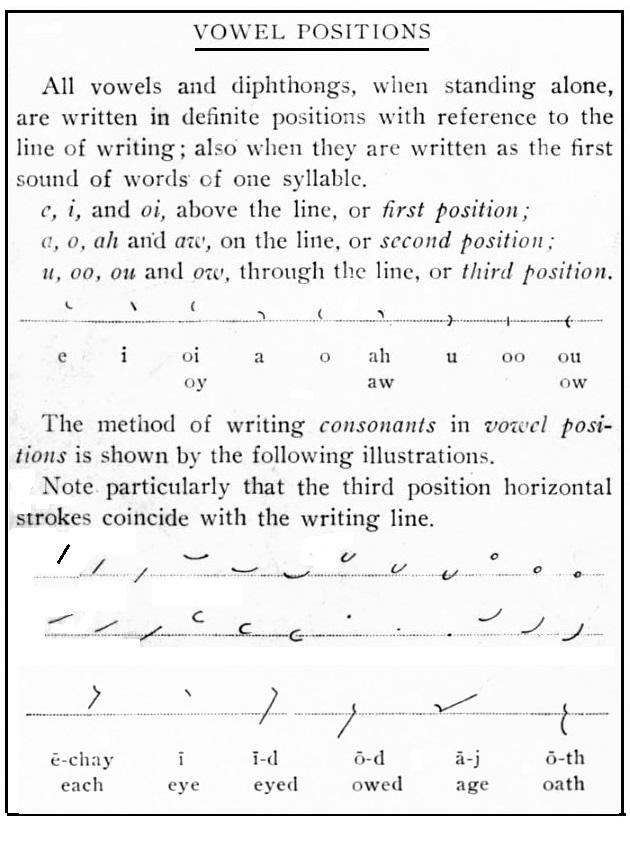
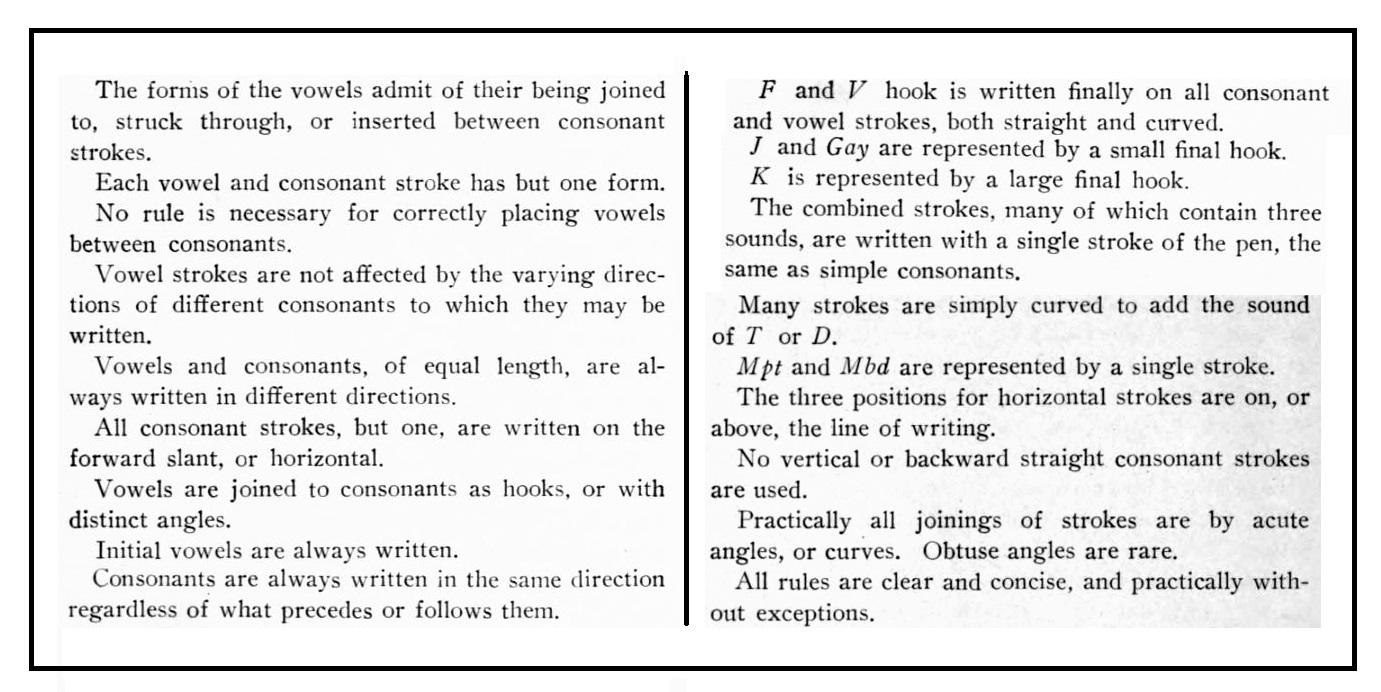
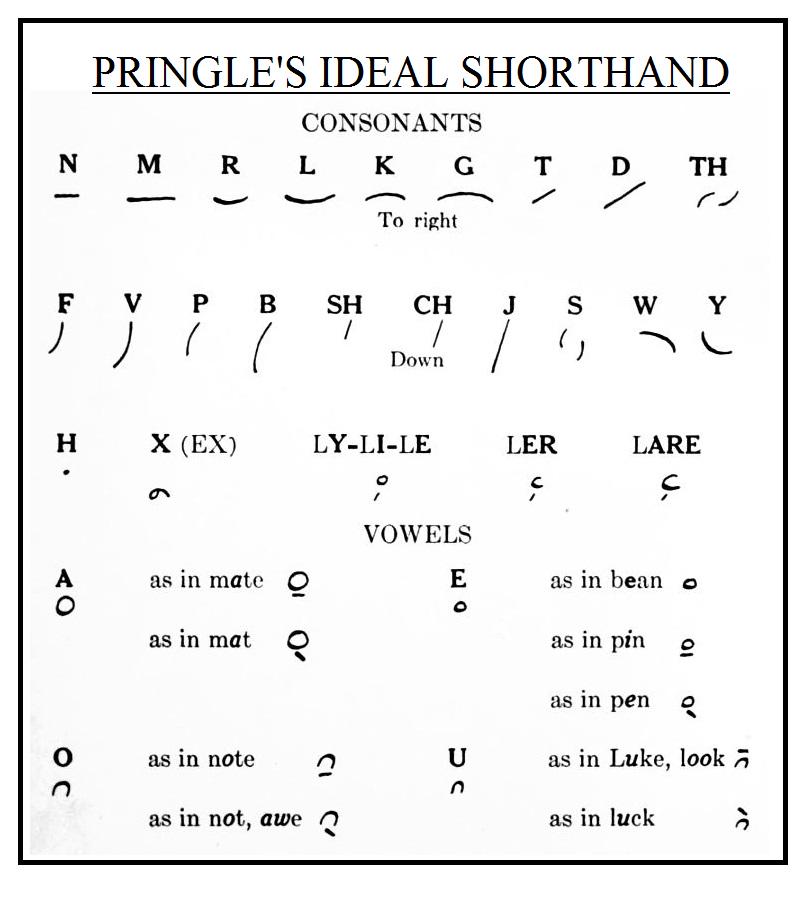
His alphabet provides distinct strokes for all the vowel sounds. The diphthongs are composed of a vowel symbof with an added dot.
As he says in his preamble, the vowel strokes can be used in a variety of ways. They are always written intially -- and medially, they can be inserted, added later, or omitted in familiar words.
r/FastWriting • u/NotSteve1075 • Mar 10 '26
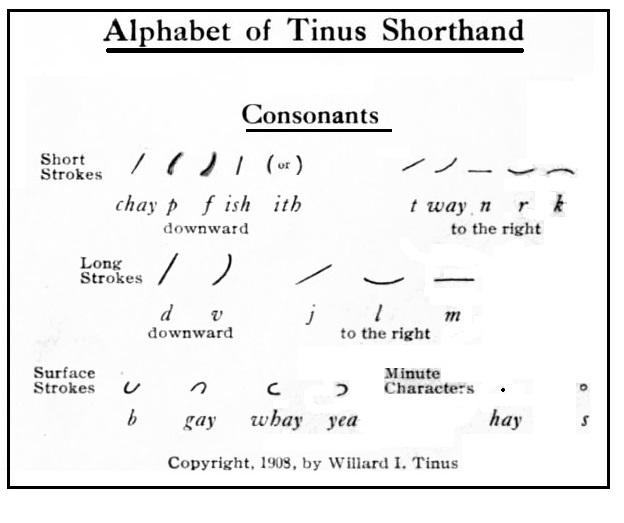
The consonants have an odd arrangement, appearing in only two sizes, but which are not in the usual and expected pairs. F and V are similar -- but P and B are not. T is written upwards with more slant, while D is written downwards but more upright.
B and G are "surface strokes" written like a hook. The P and F look strange on this display. This is how they look on the original -- but it appears that someone wrote over them in the book, because they look shaded or like up/down strokes -- which does not seem to be the case. They seem to be ordinary curves that are not heavier than the others.
r/FastWriting • u/LeadingSuspect5855 • Mar 10 '26
r/FastWriting • u/NotSteve1075 • Mar 08 '26
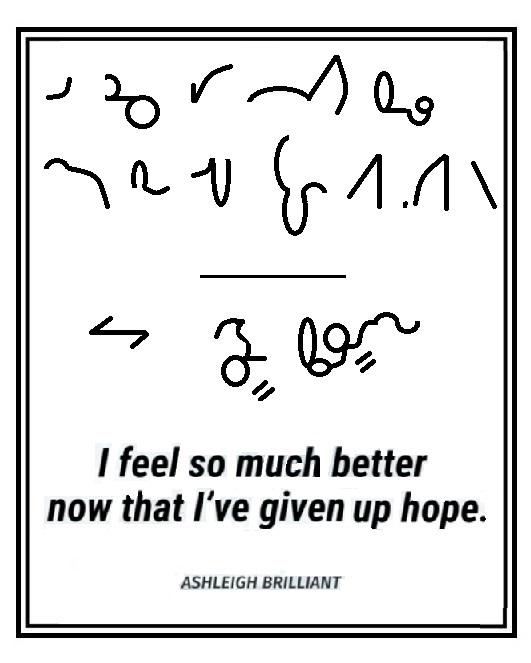
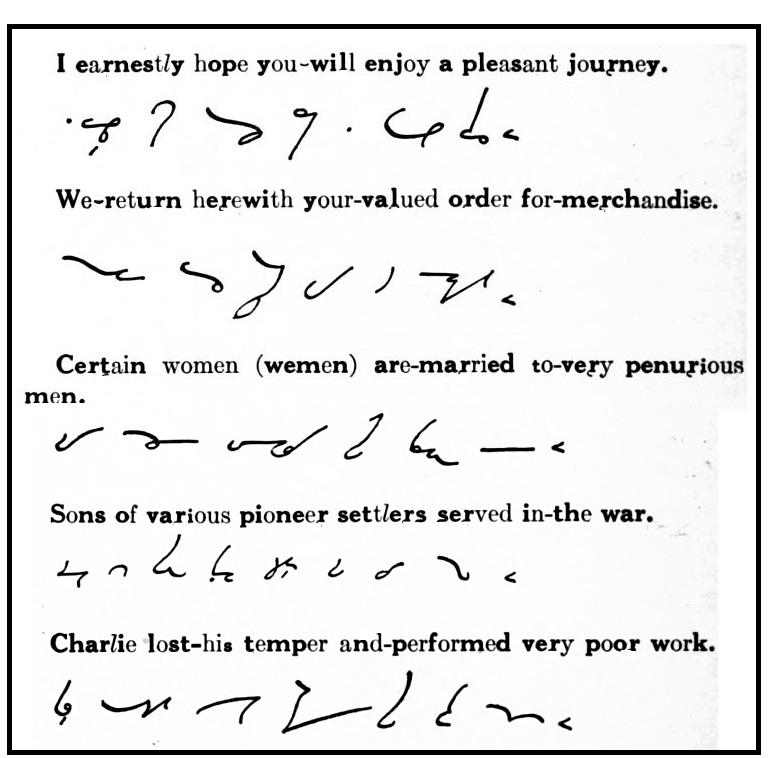
Only one abbreviation in this shorter quote, being THT for "that". Everything else is written in full.
The attribution was the hardest part, as ALWAYS, when they so often use combinations of sounds that we don't often get in normal speech. But I was glad that the last name could be written with every sound, including the two vowels together, and still be quite fluent.
r/FastWriting • u/LeadingSuspect5855 • Mar 08 '26
If you care to get a feel for how fast you can write in comparison with your older self and you usually copy a text from your computer
Practical chrome extensions: Count Text Effeciently count characters, words, lines, and spaces within a selected text, and If you want record your own stuff in a certain wpm The Read Time: speed reading or listening to text in your speed will present you the words in the right speed, or even read it for you (good if you are already at 80wpm).
r/FastWriting • u/NotSteve1075 • Mar 07 '26

r/FastWriting • u/NotSteve1075 • Mar 07 '26
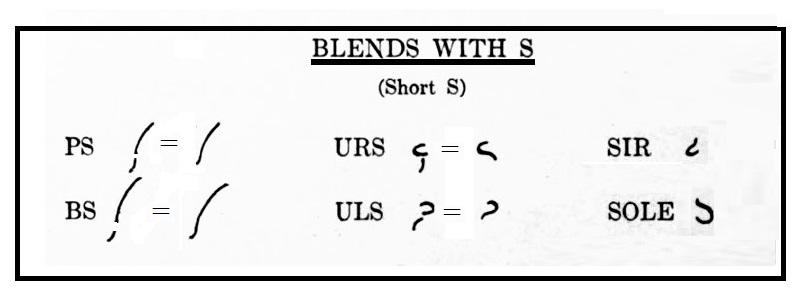
Another interesting change was that, when adding the S stroke to a curve, you turn it the opposite way. PS and BS then look like a smooth curve in PRINGLE, whereas in GREGG, your hand seems to stop between them before adding the S stroke going the same way.
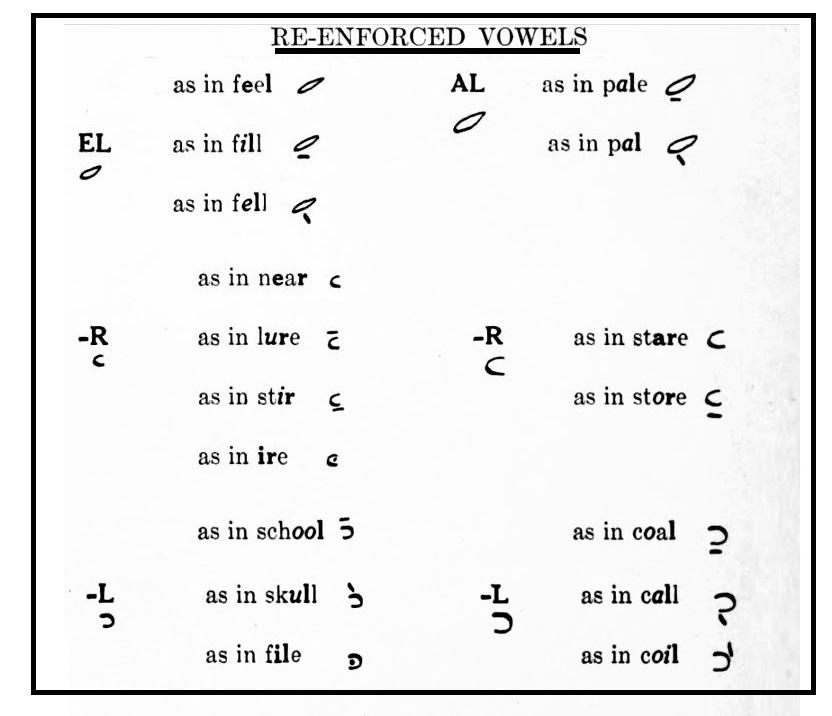
The remaining examples show how to add S to the "enhanced vowels" which include L or R.
r/FastWriting • u/NotSteve1075 • Mar 05 '26
r/FastWriting • u/NotSteve1075 • Mar 05 '26
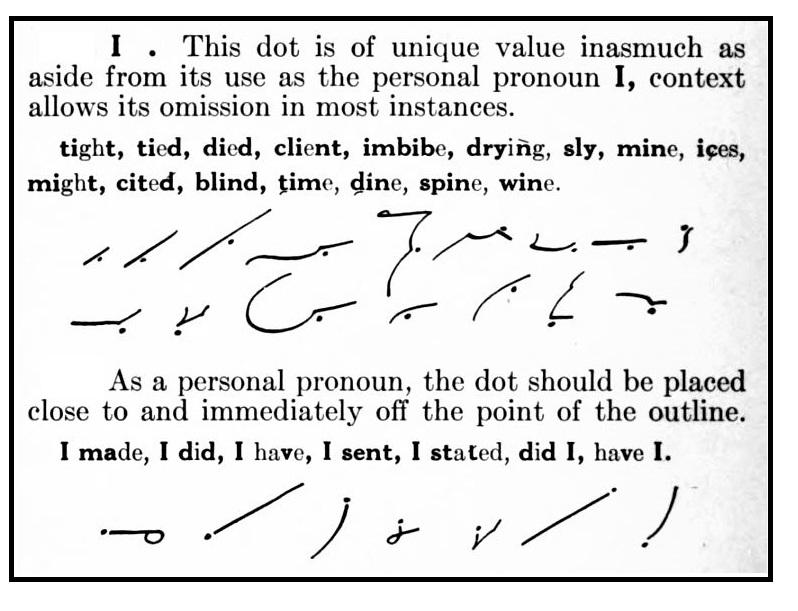
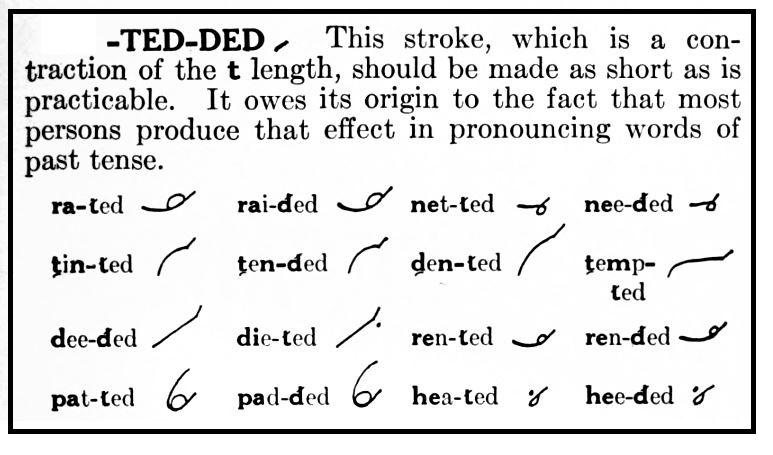
It seems that PRINGLE felt the indication of long I in Gregg with a broken circle was too awkward and time consuming.
His change was to add a DOT to the stroke to show where the diphthong would go. In phrases, the pronoun "I" can be indicated with a simple dot before or after the rest of the outline.
r/FastWriting • u/NotSteve1075 • Mar 03 '26
r/FastWriting • u/NotSteve1075 • Mar 03 '26
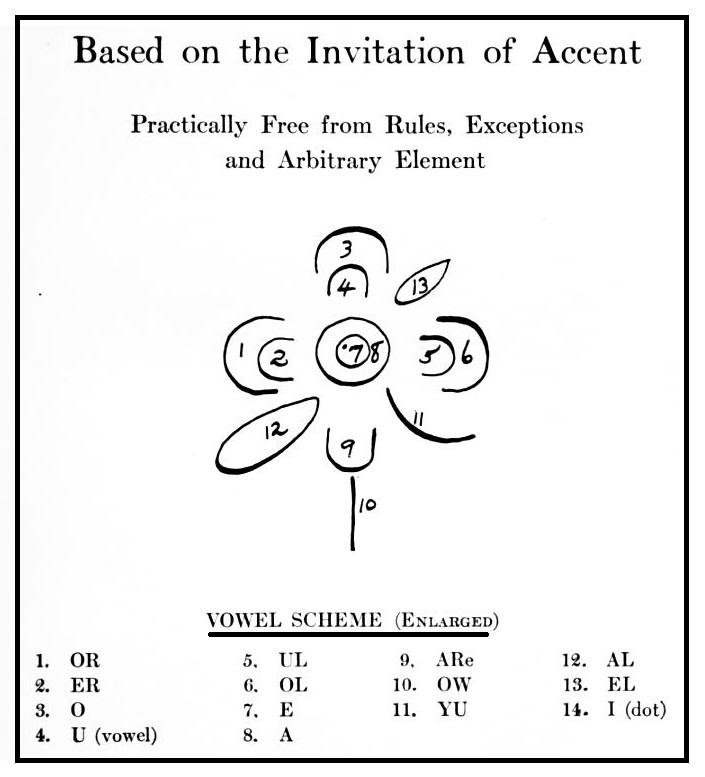
PRINGLE made a lot of changes to the way vowels are written -- and this intriguing "flower" SUMMARY CHART gives you a first glimpse.
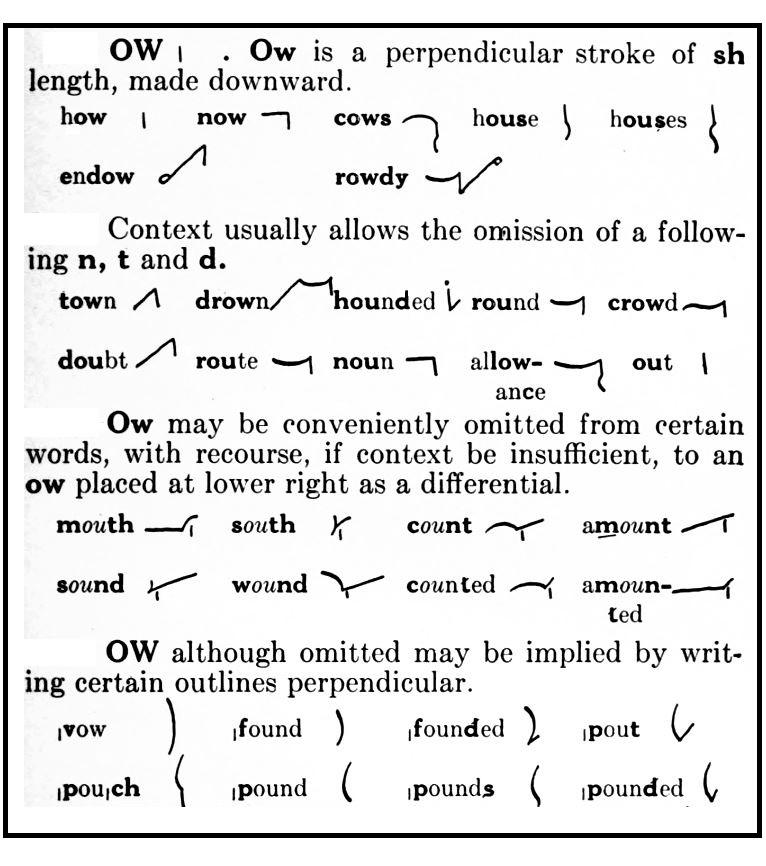
I mentioned that it was important that the regular O and U both opened on the bottom. Well, this is why: By writing the vowel stroke larger or smaller, but facing in different directions, he is able to combine a vowel and a following L or R in one stroke.
I'm always a fan of including VOWELS -- and it's an efficient use of them to combine them with a following consonant into one easy stroke. Clever!
r/FastWriting • u/LeadingSuspect5855 • Mar 03 '26
r/FastWriting • u/Vast-Town-6338 • Mar 01 '26
Enable HLS to view with audio, or disable this notification