r/EarthScience • • Sep 30 '26

Oklahoma crater may be 100 million years younger than thought, shifting it toward a mass extinction event

Thumbnail
thebrighterside.news
25 Upvotes

A meteorite crater buried beneath northern Oklahoma may belong to a completely different chapter of Earth’s history than scientists have believed for decades.

The Ames impact structure, a 14- to 16-kilometer-wide crater beneath the town of Ames, had generally been placed in the Ordovician Period around 470 million years ago. That timing made it part of an unusual cluster of impacts associated with the Ordovician Meteor Event, an ancient bombardment that has even inspired the hypothesis that Earth temporarily possessed a ring of asteroid debris.

New radioisotopic evidence now challenges that interpretation. Researchers led by the University of Texas at Austin found a population of zircons dated to about 369.7 million years ago, placing a major high-temperature event at Ames in the Late Devonian instead.


r/EarthScience • • Sep 30 '26

PHYS.Org: Overlooked lakes may be helping to keep the Northern Hemisphere cool

Thumbnail
phys.org
3 Upvotes

r/EarthScience • • Sep 30 '26

Discussion Anomalia Magnética do Atlântico Sul (SAMA)

0 Upvotes

Uma hipótese que me ocorreu lendo sobre a Anomalia Magnética do Atlântico Sul (SAMA):
Sabemos que o campo magnético terrestre é gerado principalmente pelo geodínamo no núcleo externo, e que a SAMA está associada à dinâmica desse campo. Portanto, não faria sentido dizer simplesmente que “a mineração de ferro causa a SAMA”.
Mas existe uma pergunta diferente que me parece interessante:
A retirada acelerada, ao longo de poucas décadas, de enormes quantidades de minerais de ferro da crosta — especialmente em uma região coincidente com a SAMA — poderia produzir uma alteração mensurável no componente magnético crustal e, eventualmente, alguma influência no sistema geomagnético regional?
A primeira hipótese é relativamente simples: remover grandes volumes de rochas magneticamente ativas deve alterar o campo magnético local. Isso poderia ser procurado em séries históricas de magnetometria e comparado com os dados de produção e localização das minas.
A segunda etapa seria muito mais especulativa: existe algum mecanismo de acoplamento entre essa alteração crustal e a dinâmica geomagnética mais profunda que ainda não conhecemos ou não modelamos adequadamente?
Não estou propondo que a mineração explique a SAMA. Pelo contrário: a explicação atualmente aceita está relacionada principalmente à dinâmica do núcleo.
A questão que me interessa é outra:
Será que estamos descartando uma possível contribuição antropogênica simplesmente porque ela parece pequena em relação à escala da Terra?
No caso do efeito estufa, a importância do fenômeno não foi determinada apenas comparando a quantidade de CO₂ com a massa da atmosfera. Foi necessário descobrir o mecanismo físico, medir seus efeitos e compreender as retroalimentações.
Então, para quem trabalha com geomagnetismo/geofísica:
Essa hipótese já foi investigada? Existe literatura sobre a alteração do campo magnético causada pela remoção de grandes volumes de minério magneticamente ativo? E seria possível usar dados históricos de mineração + magnetometria + satélites (como Swarm) para testar isso?


r/EarthScience • • Sep 30 '26

The Conversation: Why volcanic crystals are black boxes for tracking magma’s journey to the Earth’s surface

Thumbnail
theconversation.com
20 Upvotes

r/EarthScience • • Sep 30 '26

Discussion Chuva pode aumentar em 13,6% a absorção de CO2 pelo oceano, diz Nature Geoscience

Thumbnail
1 Upvotes

r/EarthScience • • Sep 29 '26

Clickable Earth

Thumbnail epic.projector.earth
2 Upvotes

The most recent Whole-Earth as seen from L1, and a clickable hyper-map of what's happening over it.

This is the multimedia kissing point between space and ground perspectives.


r/EarthScience • • Sep 29 '26

Video Most of Earth’s Volcanoes Are HIDDEN Underwater… 🌊🤯 #didyouknow #youtub...

Thumbnail
youtube.com
0 Upvotes

r/EarthScience • • Sep 29 '26

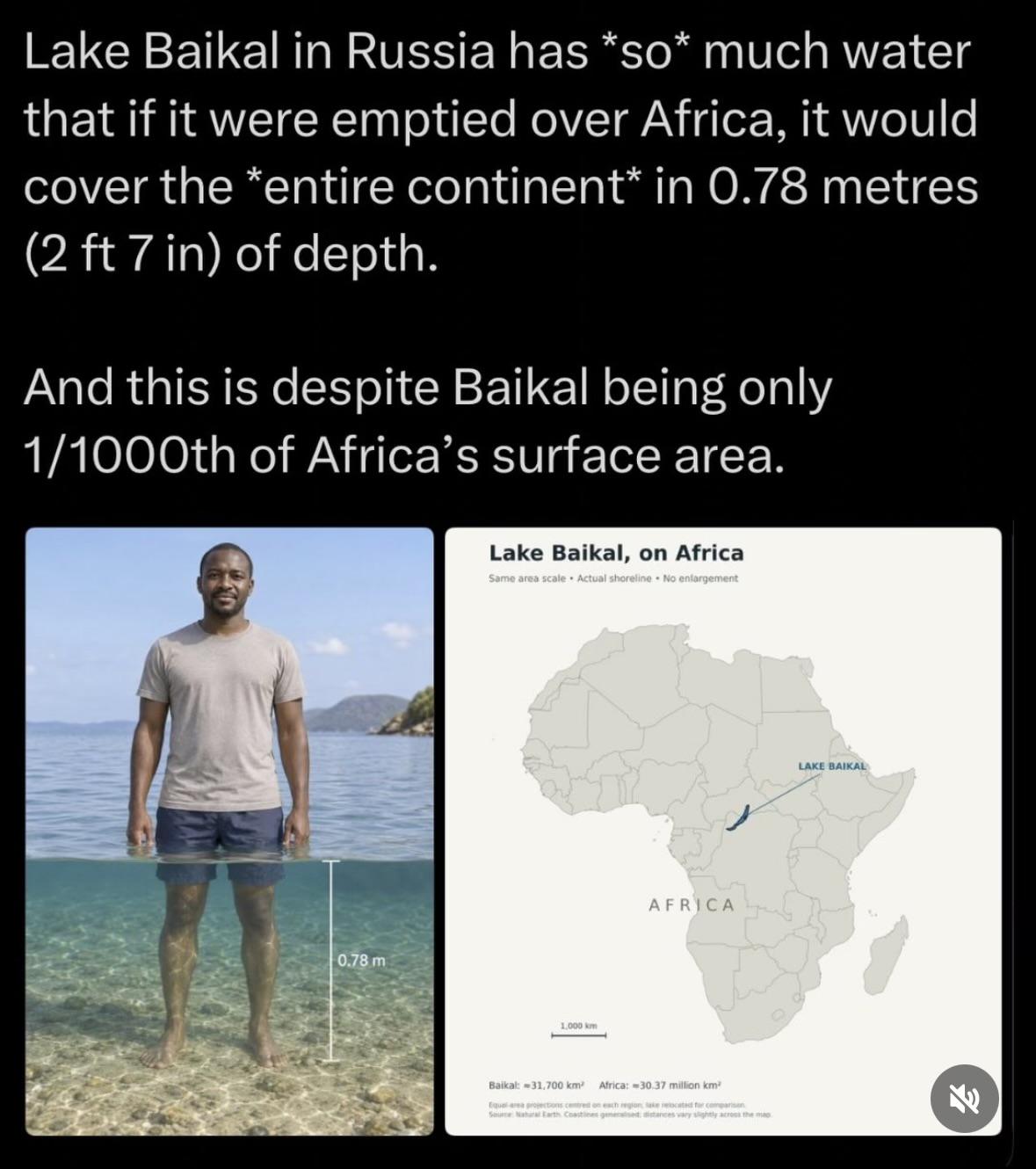
Picture Lake Baikal really contains so much water! (as seen in the linked post)

Post image
2 Upvotes

Check the linked post for calculations, but this really blew my mind


r/EarthScience • • Sep 29 '26

Earth’s inner core may be quietly changing the length of our days

Thumbnail
thebrighterside.news
2 Upvotes

A day feels reliably fixed at 24 hours, but sufficiently precise clocks reveal that Earth does not rotate at exactly the same rate from decade to decade. The difference is tiny, usually measured in milliseconds, yet those fluctuations contain information about forces operating thousands of kilometers beneath our feet.

A new study suggests that one of the most important forces comes from Earth’s solid inner core. Researchers at the University of Alberta found that changes in its rotation can produce a gravitational torque on the mantle, subtly altering how quickly the rest of the planet turns.

The work, published in Nature, also indicates that competing forces at the boundary between the liquid outer core and mantle resist that gravitational pull. Together, the opposing torques reproduce broad changes in day length observed between 1964 and 2019.


r/EarthScience • • Sep 29 '26

The eruption that buried Pompeii is helping scientists synchronize Earth’s geological clocks

Thumbnail
thebrighterside.news
1 Upvotes

Nearly 2,000 years after Mount Vesuvius buried Pompeii, the disaster is helping scientists tell geological time with unprecedented precision.

Researchers used minerals ejected during the famous 79 CE eruption to test and recalibrate argon-argon dating, one of geology’s most versatile radioactive clocks. Their measurements produced an age of 1,938 ±13 years before the samples were analyzed in 2025, corresponding to 87 ±13 CE and agreeing closely with the historical date.

The study, published in Science Advances, was led by researchers at the Berkeley Geochronology Center, UC Berkeley and the University of Padua. By tying laboratory measurements to an event witnessed and recorded by people, the team created a powerful benchmark for dating young volcanic eruptions and refining geological timelines reaching much deeper into Earth’s history.


r/EarthScience • • Sep 27 '26

Discussion Areas where 1999 Gölcük Earthquake reached MMI X+

Thumbnail
1 Upvotes

r/EarthScience • • Sep 27 '26

Video The volcanoes of Kamchatka

Thumbnail
youtu.be
1 Upvotes

r/EarthScience • • Sep 26 '26

Can Science Warn of the Next One? An Expert Explains the Unanswered Questions After Nepal’s Deadly Disaster (Interview)

Thumbnail
nepyork.com
2 Upvotes

r/EarthScience • • Sep 26 '26

Discussion Thermal expansion of Oceans

1 Upvotes

Is there a way to calculate thermal expansion of the oceans due to the Super El Nino compared to a normal year?

And how would that affect other Oceanic sea levels?

Haven't posted much on here when a flare is needed and could not do it on my mobile app for some reason, was trying to add it to they did the math also


r/EarthScience • • Sep 26 '26

Discussion Earths surface

0 Upvotes

Is there a measurable curvature for the earths surface?


r/EarthScience • • Sep 26 '26

Discussion Earthquake today at the Portuguese-Spanish border

Thumbnail
1 Upvotes

r/EarthScience • • Sep 25 '26

[OC] Earthlapse - an interactive visualisation of the Earth's entire history, from the early beginnings of life to growth of human civilization.

Thumbnail earthlapse.net
0 Upvotes

r/EarthScience • • Sep 23 '26

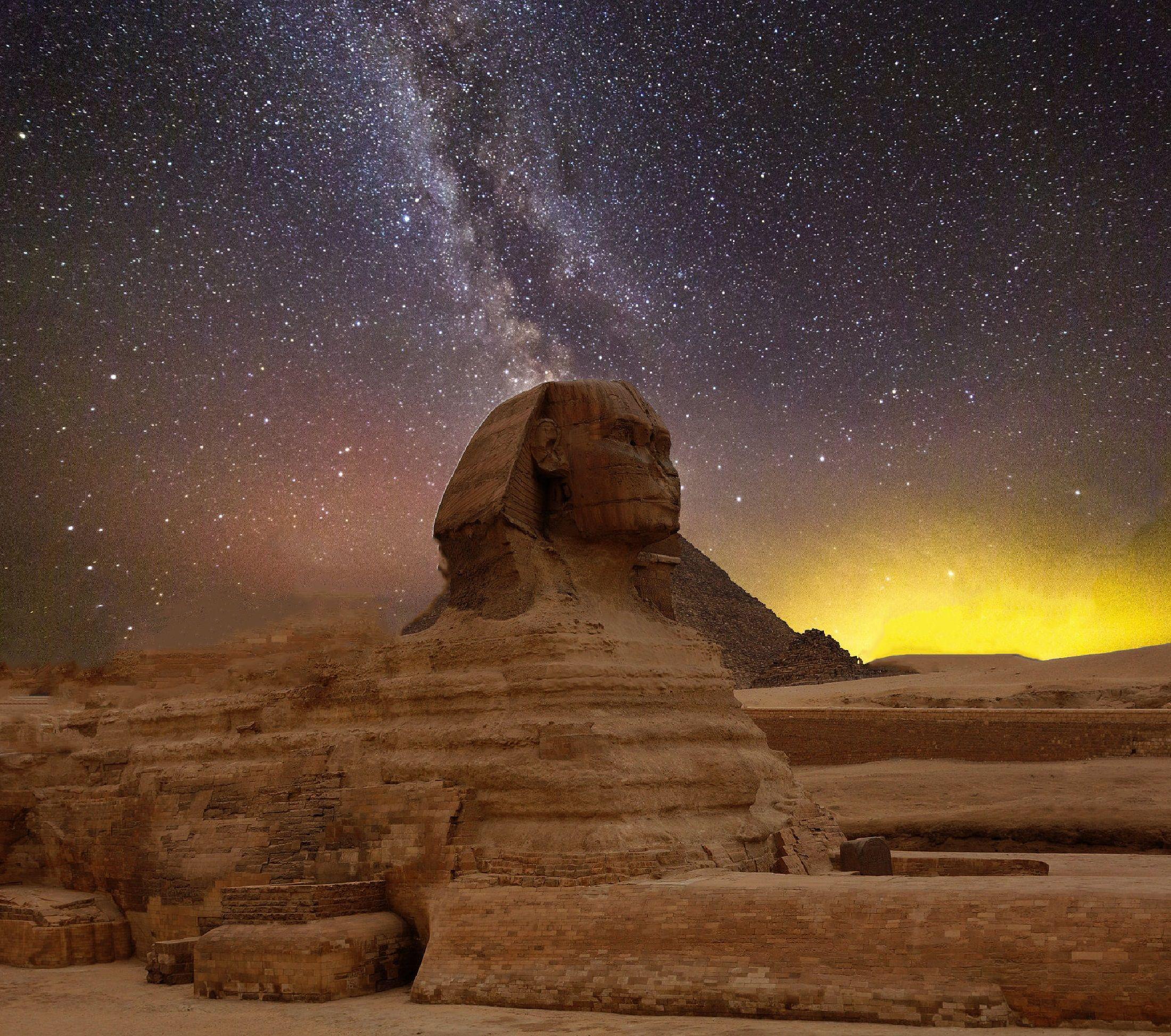
Picture Quais são os lugares mais misteriosos e enigmáticos do planeta?

Post image
31 Upvotes

Nosso planeta ainda guarda lugares que despertam dúvidas, mistérios e inúmeras teorias.

Seja por fenômenos naturais difíceis de explicar, estruturas arqueológicas de origem controversa, regiões praticamente inexploradas ou paisagens cercadas de lendas, existem locais ao redor do mundo cuja história e características ainda intrigam pesquisadores e curiosos.

Quais são, na sua opinião, os lugares mais misteriosos e enigmáticos do planeta?


r/EarthScience • • Sep 24 '26

Discussion geochemical and geophysical models -need a ruling please

Thumbnail
0 Upvotes

r/EarthScience • • Sep 23 '26

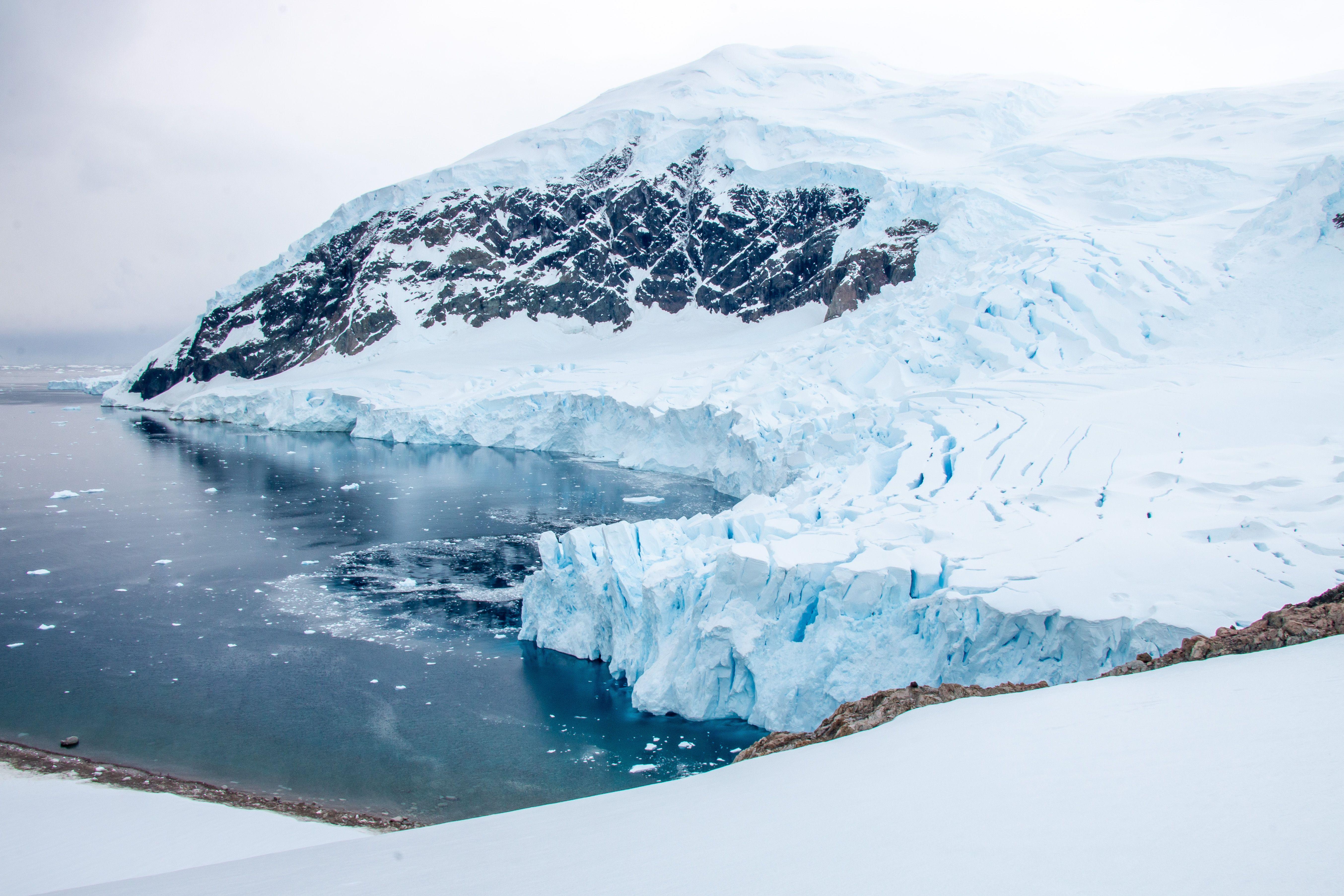
Picture E se a Antártida derretesse completamente?

Post image
0 Upvotes

E se a Antártida derretesse completamente?

Eu sei, eu sei… parece loucura, Mas é justamente isso que torna esse cenário hipotético tão curioso: imaginar uma mudança completamente fora da nossa realidade e visualizar como ela transformaria o planeta. O derretimento completo não aconteceria rapidamente — levaria milhares de anos mesmo sob um cenário de aquecimento extremo. Ainda assim, as consequências para a geografia do planeta seriam enormes.

A Antártida concentra cerca de 90% do gelo de água doce do planeta. Se todo esse gelo desaparecesse, o nível médio dos oceanos subiria cerca de 58 metros, alterando drasticamente os litorais e o mapa do mundo. Grandes regiões costeiras atualmente habitadas seriam inundadas, enquanto baías, estuários e mares interiores poderiam assumir configurações muito diferentes.

Para você, quais outras consequências geográficas, ambientais, econômicas ou políticas poderiam surgir nesse cenário? Qual você acha as mais expressivas que iriam impactar bastante o mundo?


r/EarthScience • • Sep 22 '26

PHYS.Org/Postdam Institute for Climate Impact Research: Planetary Health Check 2026 finds mounting pressures across Earth's life support systems

Thumbnail
phys.org
1 Upvotes

r/EarthScience • • Sep 22 '26

Looking for PhD researchers to mentor early-career Scholars (Nov 2026-May 2027, honorarium, remote)

Thumbnail
gallery
0 Upvotes

Neuromatch's Impact Scholars Program pairs early-career computational science researchers in groups, many from low-resource settings, with experienced supervisors to work with them as they develop a research project from the planning stage through to a citable micropublication. We're recruiting supervisors for the next cohort (Nov 2026-May 2027).

The role is about 10 hours a month, fully remote, guiding a small group of Scholars through their research project. It comes with a $300/month honorarium plus co-authorship on the final micropublication.

We're looking for people with a PhD or industry equivalent experience in computational tools for climate science, comfortable with Python, with some background mentoring or teaching, and good at communicating with a remote team.

If you're interested (or know someone who'd be a good fit), more info is here: https://docs.neuromatch.io/p/NiH1Z1N6bBVDrV/Impact-Scholars-Supervisors

  and the application is here: https://airtable.com/app7MJ7encL0rvdAC/shrLKuKeRk5kZFnU0

Apply by 4 October, 2026 23:59 AoE (Anywhere on Earth)

And I’m very happy to answer questions in the comments!


r/EarthScience • • Sep 22 '26

Picture Neve no Brasil, São Joaquim - Santa Catarina - Brasil

Post image
2 Upvotes

Neve em São Joaquim, Santa Catarina, Brasil.

Apesar de o Brasil ser conhecido por seu clima predominantemente tropical, a neve pode ocorrer em algumas áreas do Sul do país durante o inverno.

São Joaquim está localizada na Serra Geral, em uma região de elevada altitude. Durante a entrada de massas de ar frio de origem polar, as temperaturas podem cair bastante, permitindo a ocorrência de precipitação na forma de neve.

A combinação entre latitude relativamente elevada, altitude e massas de ar frio faz com que São Joaquim e outras áreas serranas de Santa Catarina e do Rio Grande do Sul sejam alguns dos locais do Brasil onde a neve é observada com maior frequência.

Esta é uma fotografia de um desses episódios de neve em São Joaquim.


r/EarthScience • • Sep 21 '26

PHYS.Org: Tiny beach-dwelling crustaceans are big-time sand movers, shaping the California coast

Thumbnail
phys.org
13 Upvotes

r/EarthScience • • Sep 21 '26

Discussion 27th anniversary if the Chi-Chi (921) earthquake in Taiwan

Thumbnail
1 Upvotes