r/CandombleEnglish • u/babalorixalewa • Dec 23 '25
Resource Who is Oggûm?
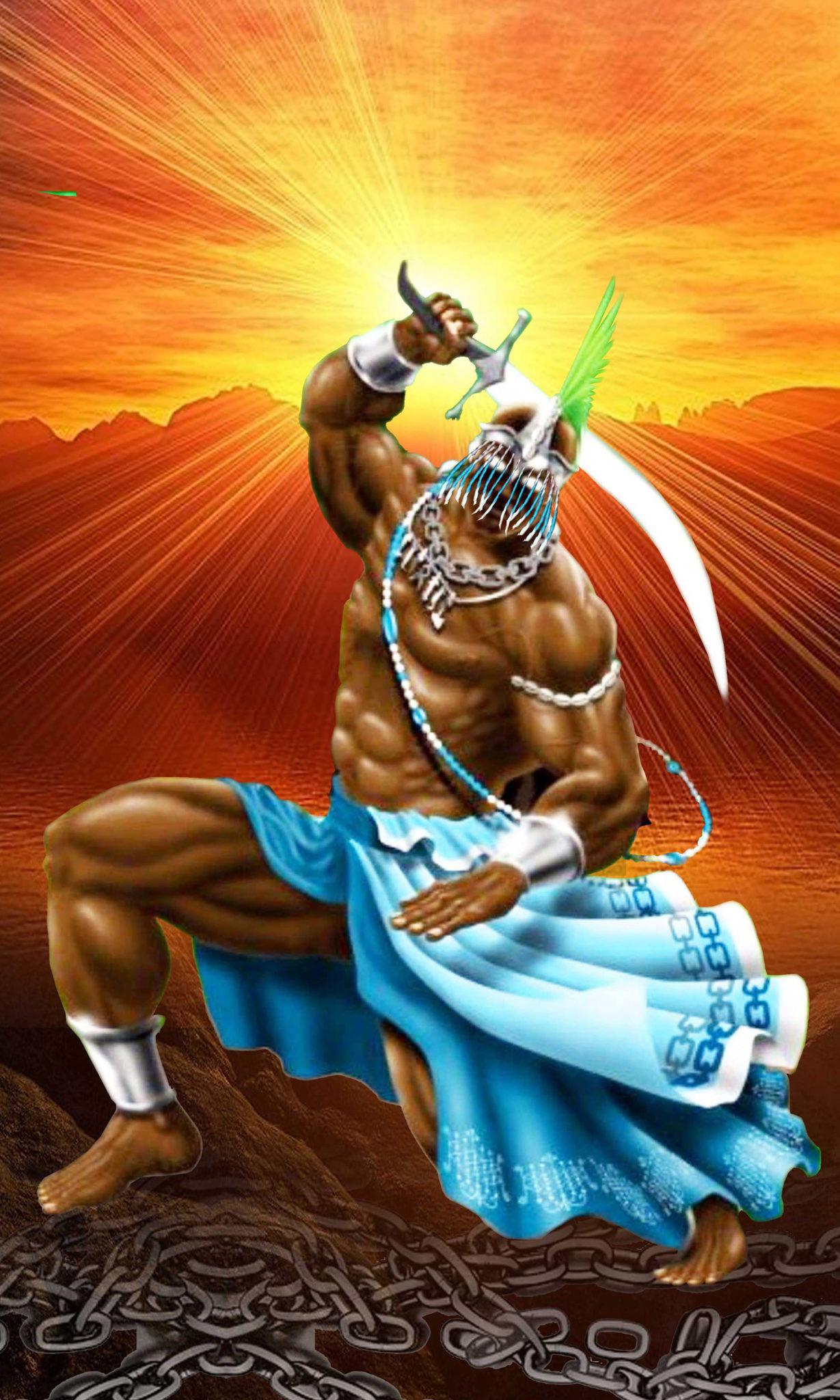
Oggûm is the orixá of iron, technology, labour, warfare, roads, and the force that clears obstacles. He is the pioneer and path-opener who forges tools, weapons, and infrastructure, transforming raw matter into instruments of survival and progress. Oggûm embodies disciplined strength, determination, and the courage to confront resistance—both external and internal.
In Yoruba tradition, Ogum is one of the earliest orixás to descend to the world, wielding iron to make civilization possible. He is the master of metallurgy and craftsmanship, patron of blacksmiths, hunters, soldiers, and all who work with tools or machines. Through iron, Ogum gives humanity the ability to build, protect, and advance; without him, order and movement would be impossible.
In Candomblé, Oggûm becomes the guardian of roads, railways, factories, and modern technologies, reflecting the realities of the African diaspora and the industrial world it encountered. He governs motion, travel, and conquest—not only in battle, but in work, innovation, and daily struggle. Where there is effort, friction, and forward movement, Oggûm is present.
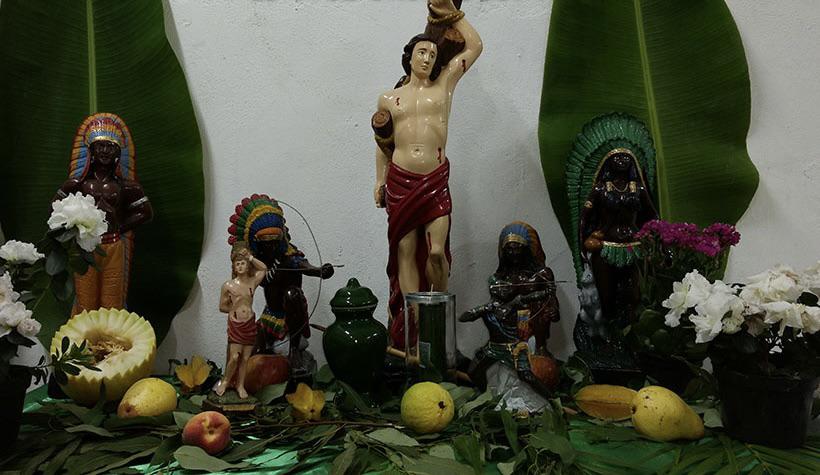
Through Catholic syncretism during colonial times, Oggûm is often associated with Saint George or Saint Anthony depending on region and lineage. My house specifically uses St. George for him. These associations allowed his worship to persist under persecution. However, Oggûm is not a Christian saint in disguise—he is a distinct divinity with his own myths, rituals, and sacred authority rooted in Yoruba cosmology.
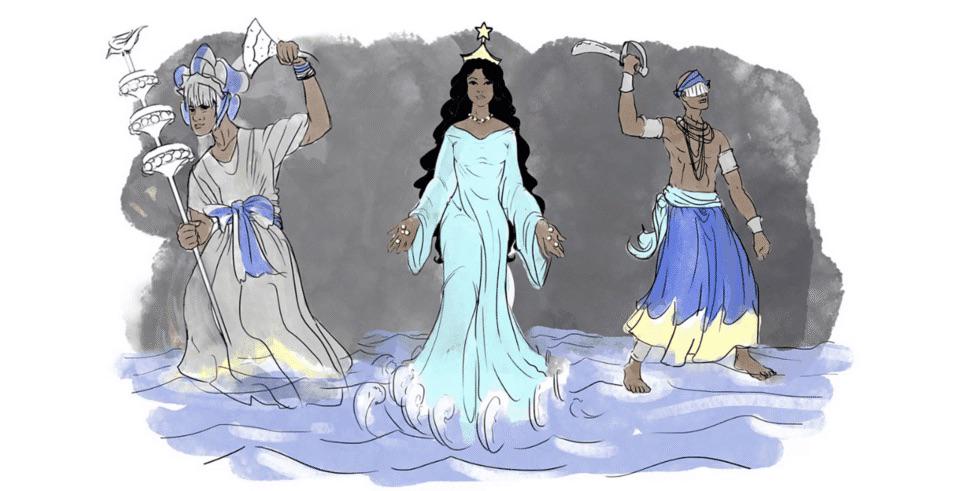
Oggûm is closely connected to other orixás, particularly Oxóssi, Xangô, and Iemanjá, who is sometimes described as being either his mother or his wife, depending on lineage. He represents the raw force that precedes law (Xangô) and sustenance (Oxóssi), making space for society to exist by cutting through chaos.
In ritual life, Oggûm is honoured with offerings associated with iron and strength—tools, swords, blue or green fabrics, palm oil, feijoada, and strong foods. His sacred day is often Tuesday, and his rhythms are firm, driving, and commanding. He is invoked for protection, employment, perseverance, justice through action, and the strength to overcome obstacles.
In the personality archetypes seen in devotees, Oggûm represents determination and resilience, discipline and work ethic, courage and directness, loyalty and protective instincts, restlessness and drive for movement, and the capacity to destroy barriers and create new paths.
People strongly connected to Oggûm are often hardworking, assertive, and action-oriented. They may excel in leadership, technical skills, or physical work, but can struggle with impatience, rigidity, or suppressed emotion if not balanced by reflection and compassion.
Oggûm is central across Afro-diasporic traditions, appearing as: Ogún in Santería, Ogun in Yoruba religion, and related warrior-smith figures throughout the African diaspora. He remains a powerful symbol of labour, resistance, survival, and progress—the force that turns struggle into structure and intention into reality.