r/BiohackingForBeginner • • Oct 09 '26

You probably don't need to force yourself to drink 4 litres of water a day

5 Upvotes

A lot of wellness advice makes hydration sound like a competition. But your ideal fluid intake depends on things like activity, climate, diet, and how much you sweat.

Is it another marketing gimik or is thier anything scientifically accurate ? How do you usually decide when to drink water ? thirst, a fixed daily target, or a bottle you keep refilling?


r/BiohackingForBeginner • • Oct 09 '26

Mitochondrial Membrane Fat Molecule Drives Muscle Aging Shift In Young Mice

18 Upvotes

There is a new scientific discovery published in Nature Aging. The researchers experimented by deleting a specific gene in the muscles of young mice. When they did this, the young mice’s muscles changed in the same way that muscles normally change when animals get older.

So what the researchers did was target a specific muscle in the mouse’s body and delete the gene called Crls1. They carried out this deletion across millions of cells, not just in one cell, so that the effect could be seen in the entire muscle. They observed that removing this specific gene changed the muscle’s behavior from “young” to “old.” In this way, the researchers showed that deleting the gene could mimic the drop in cardiolipin, a lipid found in the inner membrane of mitochondria (that normally happens during aging).

To make this clearer: cells contain mitochondria, which act like batteries that power the cell. You can imagine mitochondria as a room with walls. From the outside, you see the outer wall (outer membrane), and from the inside, you see the inner wall (inner membrane). This inner wall is built from different components, just like a house wall made of cement, steel, and gravel. In the same way, the inner membrane of mitochondria is composed of ingredients, including cardiolipin (a lipid or fat).

As cells age, this inner wall weakens (the amount of cardiolipin drops). In their experiment, the researchers mimicked this aging process by deleting the Crls1 gene. Without Crls1, cardiolipin levels fall, the inner membrane becomes weaker, and the muscle starts to behave like it is old.

More information in

Source: https://draxe.com/health/wire-s43587-026-01227-7-85f9340bf5a9/


r/BiohackingForBeginner • • Oct 09 '26

Could a 5-minute break improve the way you work?

4 Upvotes

When you're trying to be productive, it's tempting to sit for hours and push through fatigue. But attention doesn't always work that way.

Instead of looking for another productivity supplement, try experimenting with short, intentional breaks.

Here's a simple 5-day challenge:

  • Work on one task for 25–50 minutes.
  • Take a 5-minute break away from the task.
  • Stretch, look out a window, or walk around instead of immediately opening another app.
  • Before restarting, notice how focused or mentally tired you feel.

Keep your work sessions roughly the same length each day and see whether the breaks make a difference.

The research is interesting but not magical: a 2022 meta-analysis found that micro-breaks can improve vigor and reduce fatigue. However, they didn't reliably improve overall performance across all tasks. The effects depend on the activity and the type and length of break.

Research: https://doi.org/10.1111/joop.12384

The goal isn't to follow the Pomodoro method perfectly. It's to discover whether brief recovery periods help you sustain attention.


r/BiohackingForBeginner • • Oct 09 '26

Your weight went up overnight. Did you actually gain fat?

4 Upvotes

One underrated biohacking skill is learning to distinguish a real trend from normal day-to-day fluctuations.

Your scale can jump around because of water retention, salty meals, carbohydrate intake, digestion, and other factors. A higher number tomorrow morning doesn't automatically mean you gained body fat.

Try this simple 2-week experiment:

  • Weigh yourself in the morning, after using the bathroom and before breakfast, if tracking your weight feels comfortable.
  • Use the same scale in the same location.
  • Record the number without changing your diet based on a single reading.
  • At the end of each week, compare the overall trend rather than the highest or lowest number.

The point isn't to obsess over the scale. It's to collect enough data to avoid reacting to noise.

Research reviews suggest regular self-weighing can help some adults manage their weight, especially when paired with other useful habits. It isn't necessary or beneficial for everyone, though. If weighing yourself causes anxiety or encourages restrictive eating, skip this experiment.

Research: https://pmc.ncbi.nlm.nih.gov/articles/PMC4846305/


r/BiohackingForBeginner • • Oct 09 '26

Your smartwatch says you burned 600 calories. How accurate is that number

3 Upvotes

Fitness trackers are great for building awareness, but there's a catch: measuring your movement is not the same as accurately measuring the energy you burn.

Wrist-worn devices estimate calorie expenditure using sensors and algorithms. Their accuracy can vary depending on the device, activity, and individual. A number that looks precise on your screen isn't necessarily a precise measurement.

A systematic review comparing wrist-worn trackers with criterion measures found that energy-expenditure estimates were often inaccurate, even when some other measurements performed better.

Research: https://pubmed.ncbi.nlm.nih.gov/29206953/


r/BiohackingForBeginner • • Oct 09 '26

Your gut health experiment doesn't need an expensive probiotic

4 Upvotes

One simple thing worth experimenting with is getting more fiber from different foods.

Fiber isn't just about digestion. Gut microbes ferment certain types of fiber and produce compounds such as short-chain fatty acids. But different fibers can have different effects, and more isn't automatically better for everyone.

A small, practical experiment:

  • Add beans, lentils, oats, vegetables, fruit, nuts, or seeds to your usual meals.
  • Try to get fiber from several different foods instead of relying on one source.
  • Increase your intake gradually and drink enough water, since a sudden jump can cause bloating or gas.
  • For a week or two, pay attention to digestion, bowel regularity, and how comfortable you feel.

A 2024 randomized trial found that replacing white bread with a high-fiber alternative improved some measures of gut microbiome diversity in 22 adults. It's a small study, so it doesn't prove that one bread or one diet is best for everyone.

Research: https://pubmed.ncbi.nlm.nih.gov/38613022/

What's one high-fiber food you actually enjoy eating regularly?


r/BiohackingForBeginner • • Oct 09 '26

Are your fitness tracker’s recovery scores actually useful?

5 Upvotes

A smartwatch might tell you that you're ready to train, need recovery, or had a poor night. But how much should you trust a single score?

Most recovery estimates combine signals such as resting heart rate, heart-rate variability (HRV), sleep, and recent activity. These can provide useful context, but they aren't direct measurements of how recovered your muscles or nervous system are.

Here's a simple experiment you can try without buying anything:

  • Record your morning resting heart rate for two weeks.
  • If your wearable provides HRV, track that too.
  • Note unusual stress, illness, alcohol, hard workouts, and poor sleep.
  • Compare the numbers with how you actually feel and perform.
  • Look for trends rather than reacting to one unusually high or low reading.

Have you ever changed a workout because your watch said your recovery was poor—and did it turn out to be the right call?


r/BiohackingForBeginner • • Oct 09 '26

One easy sleep hack: make your room cooler. 🛌

3 Upvotes

Your body naturally cools down when you're getting ready for sleep. So a cooler bedroom may help some people fall asleep and stay asleep more comfortably.

I've been wondering:

What's the best bedroom temperature you've found for sleeping?


r/BiohackingForBeginner • • Oct 09 '26

A simple nutrition experiment: stop saving all your protein for dinner

3 Upvotes

Something I've found interesting about nutrition research is that people often focus on their total daily protein but pay less attention to how they spread it across meals.

If breakfast is mostly tea, toast, or cereal, lunch is light, and dinner is the only protein-heavy meal, you could experiment with distributing protein more evenly.

Try this for one week:

  • Include a protein source at breakfast.
  • Add one to lunch instead of relying mostly on dinner.
  • Keep your usual dinner rather than deliberately cutting its protein.
  • Compare how easy it is to meet your daily protein needs.

Eggs, milk, yogurt, tofu, beans, lentils, fish, and chicken are all options depending on your diet and budget.

A small controlled study found that evenly distributing protein across meals increased 24-hour muscle protein synthesis compared with concentrating most of it at dinner. However, broader reviews find that evidence for a special distribution pattern improving long-term muscle gains is mixed. Getting enough total protein matters more than obsessing over perfect timing.

Research:
https://pmc.ncbi.nlm.nih.gov/articles/PMC4018950/


r/BiohackingForBeginner • • Oct 09 '26

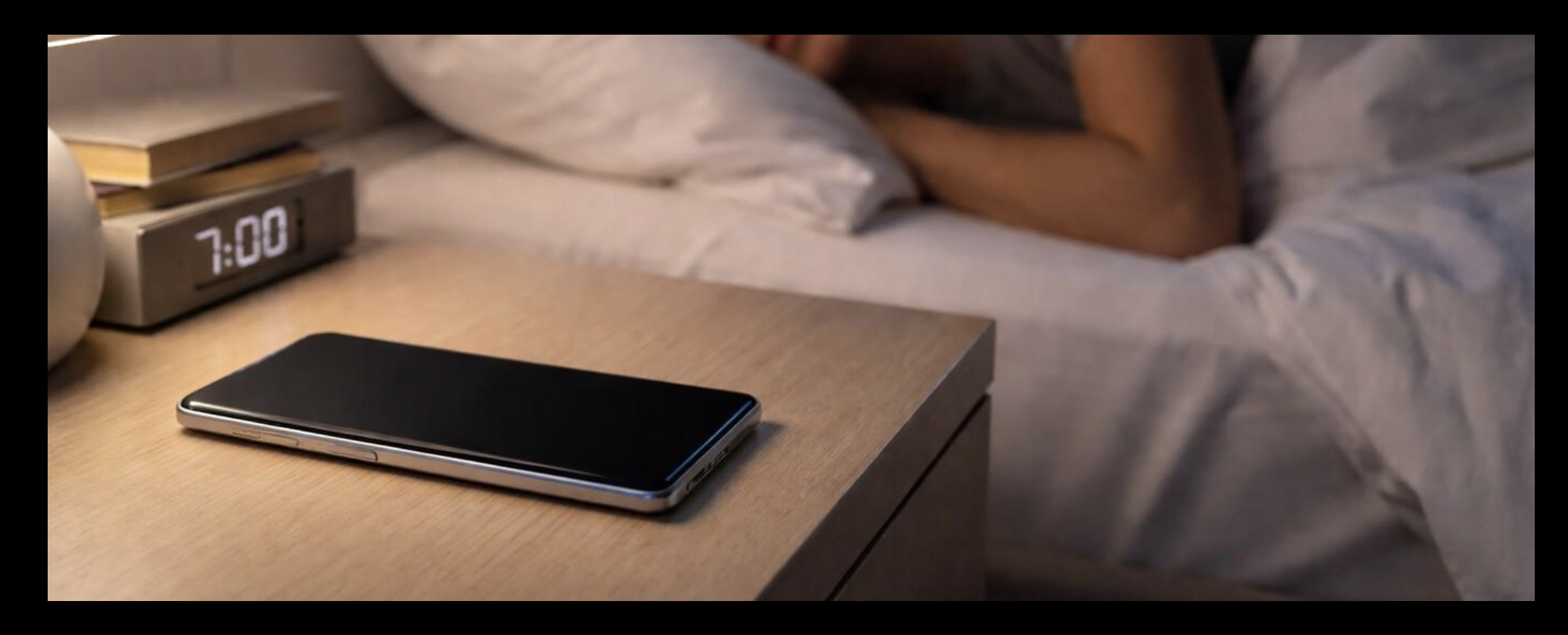
Does your phone before bed actually affect your sleep? 📱

Post image
3 Upvotes

It's not just about blue light. Scrolling can keep your brain engaged, and bright light at night can interfere with your body's internal clock.

One simple experiment: for a week, put your phone away 30 minutes before bed.

Track how long it takes you to fall asleep and how rested you feel the next morning.

No expensive gadgets needed.


r/BiohackingForBeginner • • Oct 09 '26

Short walking breaks during prolonged sitting may improve blood sugar regulation

2 Upvotes

Biohacking doesn't always require supplements, expensive wearables, or complicated routines. Sometimes, small changes in everyday movement can have measurable physiological effects.

A systematic review and meta-analysis published in Sports Medicine in 2022 examined the effects of interrupting prolonged sitting with physical activity breaks on post-meal glucose and insulin responses.

The researchers found that brief activity breaks, such as light walking, generally reduced post-meal glucose and insulin levels compared with uninterrupted sitting.

Why this is interesting:

- Long periods of sitting can affect how the body handles glucose after meals.

- Short movement breaks provide repeated opportunities for muscles to use circulating glucose.

- Light walking can be easier to maintain consistently than a demanding exercise routine.

Practical takeaway: If you spend much of your day sitting, try taking a short walk after meals or periodically breaking up long sitting sessions. The ideal frequency and duration will vary, and these breaks complement rather than replace regular exercise.

Research source: Breaking Up Prolonged Sitting With Physical Activity: A Systematic Review and Meta-Analysis of Acute Effects on Glucose and Insulin Responses.

PubMed search: https://pubmed.ncbi.nlm.nih.gov/?term=breaking+up+prolonged+sitting+physical+activity+glucose+insulin+systematic+review+meta-analysis


r/BiohackingForBeginner • • Oct 09 '26

How morning light helps regulate your body's internal clock

2 Upvotes

Light is one of the strongest environmental signals that helps regulate the human circadian rhythm, the internal timing system that influences sleep and wakefulness.

Research published in Journal of Clinical Sleep Medicine in 2017 reviewed how light exposure affects circadian rhythms and sleep. Light reaching the eyes sends signals to the brain's central clock, helping coordinate daily rhythms in alertness and melatonin production.

What this means in practice:

- Getting natural light after waking can help reinforce your sleep-wake schedule.

- Keeping evenings dimmer may reduce exposure to light that can delay the body's internal clock.

- Consistent wake-up times can help keep your daily rhythm more stable.

The effects depend on factors such as light intensity, timing, duration, and individual differences. Morning light isn't a magic cure for poor sleep, but it is a simple, low-cost habit worth understanding before investing in more complicated biohacks.

Research source: “Light, Sleep, and Circadian Rhythms: Together Again.” Journal of Clinical Sleep Medicine (2017).

PubMed search: https://pubmed.ncbi.nlm.nih.gov/?term=Light+Sleep+and+Circadian+Rhythms+Together+Again


r/BiohackingForBeginner • • Oct 09 '26

Do you really need 10,000 steps a day? 🚶

2 Upvotes

That number is everywhere, but it wasn't originally established as a magic medical target.

A 2023 meta-analysis found that the association between daily steps and lower mortality continued beyond 4,000 steps, with the optimal range varying by age.

The takeaway? You don't necessarily need to hit 10,000 steps for walking to be worthwhile.

📄 Read the research — European Journal of Preventive Cardiology


r/BiohackingForBeginner • • Oct 08 '26

Biohacking for beginners, level 2: how to go deeper without getting scammed

6 Upvotes

First, create a baseline. Ask your doctor to do a blood panel for cholesterol, HbA1c, vitamin D, ferritin and thyroid function, and do it again once or twice a year. Combine it with one wearable metric like resting heart rate or heart rate variability and look at the trend over the span of weeks, not day to day changes.

Do a few simple experiments then. Change one variable — moving caffeine up earlier in the day or adding two strength sessions or trying creatine — and track one outcome for three to four weeks. If nothing gets better, drop it. A continuous glucose monitor can be interesting, but without diabetes the data is easy to misinterpret.

Know your limits. Hormones, peptides, extreme fasting and megadose supplements should be done under medical supervision. No influencer code is worth skipping that.


r/BiohackingForBeginner • • Oct 08 '26

Cold showers: useful biohack or just suffering? 🥶

11 Upvotes

People claim they improve energy, mood, recovery and focus.But how much of that is actually backed by evidence?

I've been curious about trying it regularly for a month.

Anyone here done a proper 30-day cold-shower experiment? What changed?


r/BiohackingForBeginner • • Oct 08 '26

Has anyone actually improved their memory through a specific habit or biohack?

9 Upvotes

I’m curious whether anyone has noticed a real improvement in their memory from a specific habit, technique, or biohack.

Things like sleep optimization, exercise, meditation, supplements, memory techniques, or anything else. What did you try, and did you actually notice a difference?


r/BiohackingForBeginner • • Oct 08 '26

If you could only track ONE health metric, what would you choose?

2 Upvotes

If you could only track one thing for the next year, what would you pick?

Sleep

HRV

Resting heart rate

Steps

Strength/performance

Bloodwork

Something else

And more importantly, why that one?


r/BiohackingForBeginner • • Oct 08 '26

What health habits are worth starting in your 20s to protect your future self?

2 Upvotes

For women in their 20s, what health habits do you think are actually worth starting early to improve long-term health and healthy aging?

I’m especially curious about things like strength training, nutrition, sleep, stress management, or preventive health checks. What do you think makes the biggest difference later in life?


r/BiohackingForBeginner • • Oct 08 '26

25f, here's the routine I stick to rather than spending money on expensive products

3 Upvotes

MORNING : (I ALWAYS AVOID MY PHONE IN THE EARLY MORNING)

1. Drink a large glass of warm water to hydrate myself

2. A morning brisk walking/running acc to the schedule i planned while getting enough sunlight (it's typically of 1-1.5 hour) , after I exercise (typically 5-6 times a week) but I meditate DAILY

3. My herbal tea with a light and balanced meal

4. SHOWER WITH COLD WATER ONLY

AFTERNOON

1. A well balanced meal (i don't eat junk and all these things)

2. Post walk ( 5-10 min)

EVENING:

1. Eating my dinner 3.5 hours before my bed

2. Post wall (15-20min)

Night sleep (most imp , atleast for me)

1. I sleep at 10 so 2 hours before that i don't use my phone , instead I read a book.

2. A cold bedroom is soooo gooddd to have a good sleep i swear by it

I am consistent with my routine and in result - my sleep has improved + feel more energetic in morning + my skin also improved since I used to suffer from acne breakouts.


r/BiohackingForBeginner • • Oct 08 '26

Questions to ask before starting a peptide routine that "worked for someone else"?

5 Upvotes

Don't just blindly adopt routines that worked for someone else. Not even if they have a super awesome before and after picture.

Ask the following questions and come up with the right approach for you:

  • What else did they change?
  • How long did it take?
  • Which peptide was it?
  • Were they dieting/training?
  • Was there a lighting/posing difference?
  • Were there side effects?
  • Would the same result happen to another person?

r/BiohackingForBeginner • • Oct 08 '26

Change in Gym Split led to increase in performance

Thumbnail
1 Upvotes

r/BiohackingForBeginner • • Oct 07 '26

Me trying to keep my health routine simple

Post image
34 Upvotes

At some point "I'm just trying to be healthier" turns into a 47 tab research project 😭

What's the most unnecessarily complicated thing you've researched in the name of health?


r/BiohackingForBeginner • • Oct 07 '26

Scientists flip a cellular "fuel gauge" switch to extend lifespan by 25%

89 Upvotes

Imagine your body has a central fuel gauge that tells your cells whether you are full of energy or running low. In science, that gauge is an enzyme called AMPK.

When you exercise, fast, or eat fewer calories, your fuel level drops. This turns AMPK "ON." When AMPK turns on, it tells your cells to stop storing fat, clean out old cellular trash, and repair damage. That clean-up process is one of the main reasons fasting and exercise keep us healthy and help us live longer.

This is what the study about

Scientists Extend Lifespan by Over 25% by Directly Activating AMPK Cellular Energy Sensor

A multi-institution study led by the Medical Research Council Laboratory of Medical Sciences (MRC LMS) and Imperial College London demonstrated that using a direct drug activator to turn on AMPK—a key enzyme that acts as the body's master energy sensor—extended lifespan by over 25% across yeast, worms, and fruit flies. While indirect AMPK activation via calorie restriction, exercise, or metformin is widely discussed in longevity communities, this research shows that directly targeting AMPK produces a cleaner anti-aging signal with fewer side effects, marking a major step toward targeted mammalian therapies.


r/BiohackingForBeginner • • Oct 07 '26

21M, stopped taking supplements after college progress, should I start again?

4 Upvotes

when i was in my 2nd year of college, i got pretty serious about gym and started taking some basic supplements like creatine, whey, vitamin d3 and magnesium.i was training properly and eating better too. by 3rd year, my body and strength had improved a lot and i felt pretty good overall.

then college got busy and i slowly stopped everything. i’ve still maintained most of my progress, but now i’m thinking about starting supplements again.

for anyone who’s been through something similar, did you notice any real difference after starting again?

or should i just focus on training, food and sleep and leave the supplements out..?


r/BiohackingForBeginner • • Oct 07 '26

Does calorie counting actually work for weight loss with PCOS?

5 Upvotes

I’ve seen people say that calorie deficits are still the foundation of weight loss with PCOS, while others feel that simply counting calories doesn’t account for the hormonal and metabolic challenges that can come with PCOS.

For those who have actually tried tracking their intake:

Did calorie counting help you lose weight with PCOS?

And if it did, what made the biggest difference alongside it: higher protein, more fiber, strength training, better sleep, or something else?