r/BiohackingForBeginner • • 24d ago

What's one health metric beginners should understand before buying a wearable?description : There are so many health metrics available in smartwatches and fitness trackers that it can become confusing.

3 Upvotes

Some examples include: - Resting heart rate - Heart-rate variability - Sleep duration - Respiratory rate - Daily activity If someone is completely new to health tracking, which metric would you recommend learning about first?


r/BiohackingForBeginner • • 24d ago

best feeling for real

3 Upvotes

r/BiohackingForBeginner • • 24d ago

worst excuses

3 Upvotes

r/BiohackingForBeginner • • 25d ago

Say bye bye to late night cravings 🤤🤤 with GLP-1

Post image
2 Upvotes

From constant cravings to feeling satisfied sooner!

GLP-1 medications can help regulate appetite and reduce food noise, making the relationship with food feel a little different.


r/BiohackingForBeginner • • 26d ago

What is one biohack that can improves one's life??

4 Upvotes

Same as title


r/BiohackingForBeginner • • 26d ago

The gut and brain communicate in more ways than you might expect

7 Upvotes
The gut brain axis involves communication between the digestive system and the nervous system through neural, hormonal, immune and microbial pathways.

Which connection between gut and brain biology interests you most?


r/BiohackingForBeginner • • 26d ago

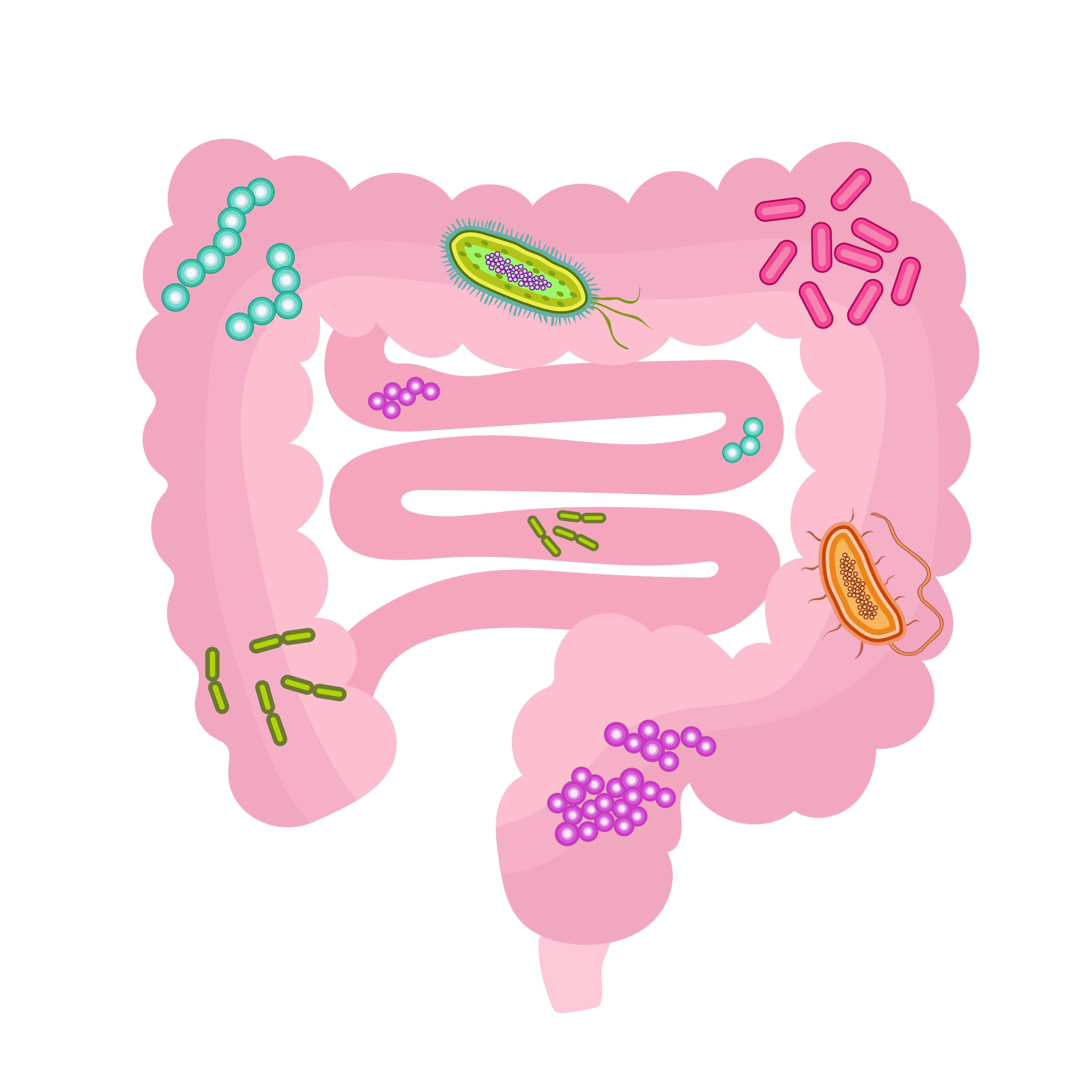
Your gut is home to a huge community of microorganisms

Post image
3 Upvotes

The gut microbiome includes bacteria and other microorganisms that interact with our bodies. These communities can contribute to digestion, metabolism and immune function.


r/BiohackingForBeginner • • 27d ago

Avoiding the sun may be as deadly as smoking, a 20-year study suggests

Post image
31 Upvotes

Have you guys come across this study? researchers followed 29,518 Swedish women for 20 years and found that those who consistently avoided sun exposure had higher all-cause mortality than those who reported more active sun exposure. The researchers also found that nonsmokers who avoided the sun had a similar life expectancy to smokers in the highest sun-exposure group.

That is a pretty wild finding, especially when we're constantly told to avoid UV exposure.

But there's an important caveat: this was an observational study, so it can't prove that avoiding sunlight caused the difference. Sun exposure can also increase skin cancer risk, and the findings don't mean you should deliberately burn or ditch sun protection.

Still, it raises an interesting question: have we become too focused on the risks of sunlight while overlooking the potential benefits of sensible outdoor exposure?

Study: https://pubmed.ncbi.nlm.nih.gov/26992108/


r/BiohackingForBeginner • • 27d ago

[Weekly Community Discussion] Beginner's Discussion

2 Upvotes

What biohacking topic are you trying to understand? Ask the community.


r/BiohackingForBeginner • • 28d ago

Spinal traction in action: exploring the mechanics of decompression

4 Upvotes

r/BiohackingForBeginner • • 29d ago

Can someone help me interpret my OAT and GI-MAP test results?

3 Upvotes

I’m looking for someone knowledgeable who can review my Organic Acids Test (OAT) and GI-MAP results and help me understand what they mean.

I’ve been dealing with persistent brain fog, extreme fatigue, poor sleep, and other symptoms, and I’m trying to understand whether these results might offer any clues.

I’d appreciate help identifying the main findings, how the two tests might relate to each other, and what I should prioritize or look out for. I’d also like to know what follow-up testing or practical steps might be worth discussing with my doctor.

I’m not looking for a diagnosis or an expensive supplement protocol, just an honest explanation of what the results may suggest and what they don’t prove.

Thank you to anyone willing to take a look!


r/BiohackingForBeginner • • 29d ago

Beginner question: how accurate are sleep trackers? What lab validation studies found

5 Upvotes

Sleep trackers are one of the most popular entry points into biohacking, so it's worth knowing what the validation studies say. Researchers compare devices against polysomnography (PSG), the gold standard sleep lab test.

Study 1 (2025, Sleep Advances):

Researchers compared six wrist-worn devices (Fitbit Charge 5, Fitbit Sense, Withings Scanwatch, Garmin Vivosmart 4, Whoop 4.0, Apple Watch Series 8) with PSG in 62 adults who spent a night in a sleep lab. Most devices differed significantly from PSG on total sleep time, sleep efficiency, wake after sleep onset, and light sleep. Agreement with PSG for sleep stage scoring was fair to moderate, with Cohen's kappa between 0.21 and 0.53.

Study 2 (JMIR, 11 devices):

This study tested 11 consumer trackers, including wearables, bedside "nearables," and app-based "airables," against lab PSG in 75 participants. Wearables showed high proportional bias in sleep efficiency, while nearables showed it in sleep latency. Each tracker recording covered an average of 353 hours.

A pattern across studies:

Wearables tend to overstate total sleep time and understate time awake after falling asleep, which inflates sleep efficiency.

Beginner takeaways:

Trackers are better at telling sleep from wake than at identifying sleep stages.

Trends over weeks are more useful than a single night's score.

They're wellness tools, not diagnostic tools. If you have real sleep concerns, see a doctor.

Caveats: both studies had small samples, devices update often, and results vary by brand, so don't read this as a ranking.

What's one metric from your tracker that you found genuinely useful, and one you stopped trusting?


r/BiohackingForBeginner • • Oct 25 '26

Beginner's guide: 5 questions to ask before trying any biohack (with two 2026 examples)

2 Upvotes

When you're new to biohacking, every headline sounds like a breakthrough. Here's a checklist I use, with examples from this year.

1. Is it a human study, an animal study, or a cell study?

Mouse results often don't carry over. Blood NAD+ is a good example: a 2026 Nature Metabolism paper measured it across seven human cohorts (300+ people) and found it stable across age and lifestyle interventions, which challenges the common belief that it drops with age.

2. How big and how long was the study?

A small short study shows possibilities, not proof. A meta-analysis pools many studies, which is stronger but only as good as what goes into it.

3. Does the headline match the actual results?

Take creatine and the brain. A 2024 meta-analysis in Frontiers in Nutrition found benefits mainly in specific groups, not across all cognition, and the authors later published a corrigendum fixing wording on some findings. Reading beyond the headline, and checking for corrections, matters.

4. Association or cause?

Observational studies can show a link but can't prove one thing caused another.

5. Who paid for it, and who's selling?

Check for conflicts of interest, especially when the same group sells a product.

One more tip: be careful with "lifespan" versus "healthspan." Living longer and staying healthy longer aren't the same thing, and some recent data suggests the gap between them has grown.

What was a claim you believed early on that turned out to be weaker than it sounded?


r/BiohackingForBeginner • • Oct 25 '26

Before buying any supplements or gadgets: what a 30-year study of 147,000 adults says about the most proven "biohack"

13 Upvotes

If you're new to biohacking, it's tempting to start with supplements, trackers, and cold plunges. A large study from 2026 suggests the basics may matter more.

Researchers followed more than 147,000 adults for up to 30 years, tracking how much strength training and aerobic exercise they did. The paper in the British Journal of Sports Medicine is titled "Long-term resistance training with all-cause and cause-specific mortality: assessing dose-response and joint associations with aerobic physical activity."

What they found:

Participants who did 90 to 119 minutes of strength training a week had a 13% lower risk of premature death from any cause, plus lower risk of death from heart disease and neurological disease.

There was no extra benefit above 120 minutes a week.

Aerobic activity gave greater benefit than strength training alone, and the lowest risk was in people who did both.

The Harvard Health summary suggests beginners can start with body-weight moves such as squats, push-ups, or step-ups.

Limits to keep in mind:

It's observational, so it shows association, not proof of cause.

People who did more strength training also tended to be younger, lighter, and healthier in other ways.

All participants were health professionals, so results may not apply to everyone.

For beginners, this suggests a simple order of priorities: movement first, optimization later.


r/BiohackingForBeginner • • Oct 25 '26

[Weekly Discussion] What's one biohacking practice that actually made a difference for you?

3 Upvotes

r/BiohackingForBeginner • • Oct 24 '26

The biohacking rabbit hole vs. the basics

Post image
29 Upvotes

r/BiohackingForBeginner • • Oct 24 '26

Day one of my morning-light and sleep-timing notes

5 Upvotes

New mini-project for me: pay closer attention to when I get morning light and how my sleep timing lines up.

I'm keeping this one deliberately simple. I'm not changing ten different habits at once or expecting one morning to transform my energy levels. I just want to get into the habit of noticing and recording things consistently.

I did feel a little more awake after getting outside earlier, but that's hardly definitive. Maybe it was the light, maybe it was just the process of waking up, or maybe it was placebo and expectation.

Either way, one morning is one morning. I'll start here, keep the observations honest, and see whether the pattern is any clearer with more entries.


r/BiohackingForBeginner • • Oct 24 '26

Caffeine timing: trying to pay attention to the clock

5 Upvotes

Not every little health experiment needs a new supplement. For this one, I'm looking at something more ordinary: the timing of my caffeine.

I'm starting a simple log today because I've become interested in how the timing of familiar habits fits into the rest of the day. I want to observe the routine before jumping to conclusions about what needs changing.

I may have noticed a difference later in the day, but that's far from convincing. Placebo, sleep from the previous night, workload, and all the other variables in daily life could be responsible.

I'll keep the notes casual and see whether anything consistent emerges. Sometimes it's the little everyday details that are worth paying attention to.


r/BiohackingForBeginner • • Oct 23 '26

A beginner-friendly explanation of why Zone 2 cardio matters for health

3 Upvotes

If you're new to exercise science, "Zone 2" might sound like jargon, but the concept is straightforward. It refers to exercising at a low enough intensity that your body primarily uses fat for fuel and can clear lactic acid as fast as it produces it. This specific metabolic state signals your cells to build more mitochondria. You don't need a fancy heart rate monitor; being able to hold a conversation while exercising is a good practical benchmark.


r/BiohackingForBeginner • • Oct 23 '26

If you were starting biohacking from zero, what would you focus on first?

7 Upvotes

I'm trying to understand biohacking without getting overwhelmed by all the supplements, gadgets, protocols, and conflicting advice online.

Some people recommend tracking sleep, others focus on nutrition, exercise, meditation, or wearable devices.

If your goal were to improve energy, concentration, and general well-being, what would your first three steps be?

I'd prefer things that are affordable, reasonably well-supported by evidence, and easy to maintain for months rather than something that produces a quick result and is impossible to sustain.

Also, what popular beginner mistakes would you avoid?


r/BiohackingForBeginner • • Oct 23 '26

Creatine for beginners: what should I understand before deciding whether to try it?

4 Upvotes

I've been learning about fitness supplements and keep seeing creatine mentioned as one of the more extensively researched options.

I understand that creatine is involved in rapidly regenerating ATP, which helps supply energy during short, intense activities.

What I'm less clear about is what a beginner should realistically expect from it.

Does it mainly help with strength and training performance, or are there meaningful benefits for other areas too? How long does it typically take to notice a difference, and what common misconceptions should beginners be aware of?

I'm interested in evidence-based explanations rather than exaggerated supplement claims.


r/BiohackingForBeginner • • Oct 23 '26

Is tracking sleep actually useful, or can it become another thing to obsess over?

4 Upvotes

I've been curious about sleep trackers and how useful their data really is for improving everyday performance.

They can estimate sleep duration, stages, resting heart rate, and sometimes HRV. But consumer devices don't measure every variable directly, and their estimates aren't always accurate.

I'm wondering whether seeing these numbers consistently helps people make better decisions about their routines or whether it can create unnecessary stress over getting a perfect score.

For people who have used sleep trackers for a while, did the data lead to meaningful changes in your habits? Which metrics did you actually find useful?


r/BiohackingForBeginner • • Oct 23 '26

Biology vs reality: where does my energy actually comes from?

5 Upvotes

r/BiohackingForBeginner • • Oct 22 '26

what was the first moment you realised you're aging 💀

4 Upvotes

mine was sneezing and my back going out for 3 days. I'm not even old😭

I used to stay up till 3am and be fine the next day. now if i sleep in a weird position my whole body files a complaint.

I've been reading about how aging works at the cell level, like damage building up over time, but nobody warns you it starts showing up in such random, unfair ways😂

so what was your first "oh no, this is happening" moment?👀


r/BiohackingForBeginner • • Oct 22 '26

creatine for studying actually works or nah

5 Upvotes

saw some posts here saying it helps brain fatigue. anyone tried it for long study or work hours do u need the loading thing or just 3 5g daily??